
From Rehab to Home: How In-Home Care Helps Seniors Recover Safely and Comfortably in Thousand Oaks

Coming home from rehab or a hospital stay can feel like a breath of fresh air, and a bit of a jolt. The routine, the call buttons, and the constant check-ins suddenly disappear, and seniors are left trying to adjust to “normal life” again.
During this fragile time, many still need extra help getting their strength, balance, and confidence back.
That’s where in-home care really shines. With Always Best Care of Thousand Oaks, we step in as a steady, reassuring presence so seniors can heal at home safely, comfortably, and on their own terms.
What you will learn:
- Why the transition from rehab to home can feel unsteady for seniors—and the most common challenges families should be ready for.
- How in-home care supports a safer, more comfortable recovery through daily help, routines, and gentle oversight at home.
- The ways caregivers can help seniors stay on track with medications, therapy follow-through, and important follow-up appointments.
- How companionship and emotional support can ease worry, boost confidence, and make healing at home feel less lonely.
Table of Contents
The Bumpy Road Home After Rehab
Leaving the structure of a rehab center can feel like someone pulled the safety net away. At home, there’s no nurse down the hall, no therapist reminding you to do your exercises, and no one double-checking your meds.
Common post-rehab hurdles include:
- Fatigue or weakness that makes walking or standing tough
- Trouble with stairs or balance raises the risk of falls
- New or complex medication schedules
- Diet changes, loss of appetite, or new restrictions
- Wound care or therapy exercises that must continue at home
- Worry, frustration, or fear of getting hurt again
For families, trying to juggle care, work, and everyday life can feel like spinning plates. That’s exactly why we at Always Best Care of Thousand Oaks step in—to lighten the load and add a layer of calm and safety.

How In-Home Care Eases Recovery in Thousand Oaks
Healing doesn’t magically end when the discharge papers are signed. Recovery keeps going at home, and the right help can prevent setbacks and readmissions.
Here’s how we support seniors after rehab in Thousand Oaks.
1. Hands-On Help with Daily Living
During recovery, even “simple” tasks can feel like climbing a mountain. Our caregivers can pitch in with:
- Bathing, grooming, and dressing
- Light housekeeping and laundry
- Meal planning and cooking
- Grocery shopping and local errands
By tackling these day-to-day chores, we free seniors to put their energy where it matters most, getting stronger and feeling better.
2. Medication Reminders and Gentle Health Check-Ins
New prescriptions, changed dosages, different times, it’s a lot to keep straight. A missed pill or a double dose can quickly turn into an emergency.
Our caregivers can help by:
- Offering reminders for medication timing and doses
- Noting when refills or pick-ups are needed
- Watching for side effects or changes in how someone feels
If something seems off, like a sudden change in appetite, mood, or mobility,, we can let family members and healthcare providers know right away.

3. Support for Ongoing Therapy at Home
Therapy doesn’t stop at the rehab door. Those exercises at home are often the key to better balance, strength, and independence, but motivation can fade fast.
We can:
- Assist with prescribed physical or occupational therapy exercises
- Encourage safe movement and regular activity
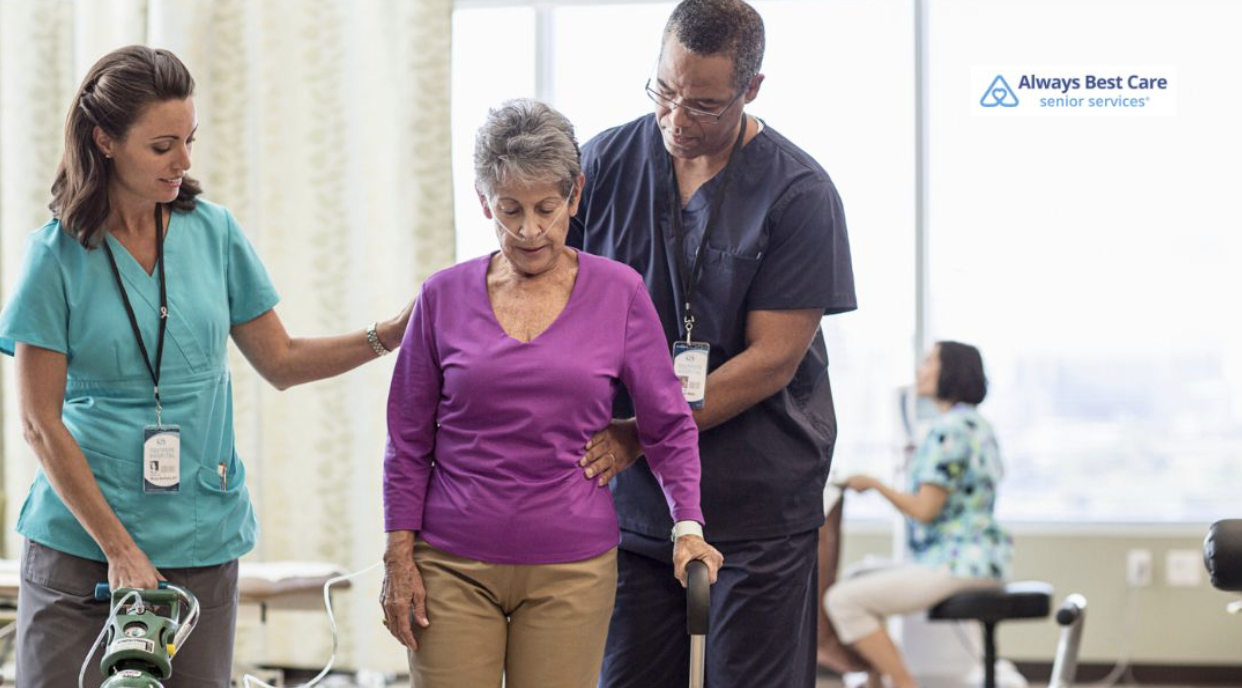
- Offer a steady arm and reassurance during walking or stretching
With consistent support, seniors are more likely to stay on track and less likely to end up back in the hospital.
4. Safe Transportation Around Thousand Oaks
Follow-up appointments are crucial, yet driving can be unsafe or impossible during recovery.
Caregivers from Always Best Care of Thousand Oaks can provide rides to:
- Doctor and specialist appointments
- Physical or occupational therapy sessions
- Pharmacy visits
- Social gatherings and community events
Staying mobile keeps seniors connected, monitored, and cared for, all vital pieces of long-term recovery.

5. Emotional Support and Everyday Companionship
Healing isn’t just about muscles and medications. Coming home after a hospital stay can stir up loneliness, frustration, or anxiety.
We offer:
- A friendly face and someone to talk to
- Shared meals, conversation, and hobbies
- Encouragement during tough days and slow progress
Having a trusted caregiver nearby helps seniors feel less alone and more hopeful as they rebuild their independence.
A Partner in Post-Rehab Recovery
At Always Best Care of Thousand Oaks, we work alongside families, doctors, and rehab staff to create a smooth, low-stress transition home. Care plans are tailored to each person’s needs, whether that’s a few hours of help each week or more steady, ongoing support.
Our focus is simple: keep seniors safe, comfortable, and engaged in their own homes while they heal. We pay attention to the little things, routines, preferences, and favorite meals, because those details matter just as much as the big ones.
Helping Seniors Truly Thrive at Home
Recovery from surgery, illness, or a long rehab stay takes time, patience, and the right kind of help. With Always Best Care of Thousand Oaks by your side, seniors don’t have to face that journey alone.
We step in with practical support, warm companionship, and a watchful eye, so families can breathe easier and seniors can focus on feeling like themselves again.

Frequently Asked Questions
Q: How soon after rehab can in-home care start?
A: Care can often begin shortly after discharge, once needs are discussed, and a care plan is in place.
Q: What kinds of tasks can caregivers help with after rehab?
A: Caregivers can help with personal care, meals, light housekeeping, errands, medication reminders, transportation, and support for therapy exercises.
Q: Is in-home care only for long-term needs?
A: Not at all. Many families use in-home care short-term after surgery or rehab, just until strength and confidence return.
Q: Can Always Best Care of Thousand Oaks adjust care if needs change?
A: Yes. Care plans can be updated as someone recovers, either scaling back or adding support as needed.
Q: Does in-home care help reduce the chance of returning to the hospital?
A: By supporting medication routines, fall prevention, follow-up visits, and therapy exercises, in-home care can help lower the risk of setbacks and readmissions.
Make the Move Home Safer and Smoother
The step from rehab back home doesn’t have to feel like a leap of faith. With Always Best Care of Thousand Oaks, seniors gain a trusted partner who walks beside them, offering steady hands, listening ears, and everyday help that makes healing at home safer, smoother, and more comfortable for everyone involved.
Contact us today at (805) 563-6440 to set up supportive post-rehab care that helps you heal comfortably at home.