
Post-Stroke Care: How In-Home Care Can Aid Recovery
Life can change in a heartbeat after a stroke. Simple daily tasks suddenly feel complicated, and both seniors and their families may feel as if the ground has shifted beneath their feet. In the middle of all that, the comfort of home can make a world of difference.
Post-Stroke Care: How In-Home Care Can Aid Recovery shows how thoughtful support in a familiar environment helps seniors in Thousand Oaks recover with dignity, safety, and a little extra peace of mind.
What you will learn:
- How a stroke can change daily life and why recovering at home can feel safer, calmer, and more comforting.
- How post-stroke in-home care supports safety, rehab exercises, daily tasks, and emotional well-being with gentle, practical help.
- How family caregivers, professional in-home caregivers, and Always Best Care of Thousand Oaks can work together to create a steady, personalized recovery plan.
Table of Contents
Understanding Stroke and Its Impact on Daily Life
A stroke happens when blood flow to a part of the brain is blocked or interrupted, leaving that area starved of oxygen. The result? Everyday abilities can be affected in surprising ways. Some people experience weakness on one side, others struggle with balance, speech, memory, or focus.
Those changes can turn basic activities, like getting dressed, walking to the bathroom, or making a snack, into big challenges. It’s no wonder families can feel overwhelmed trying to handle everything alone.
Why Post-Stroke Care at Home Matters
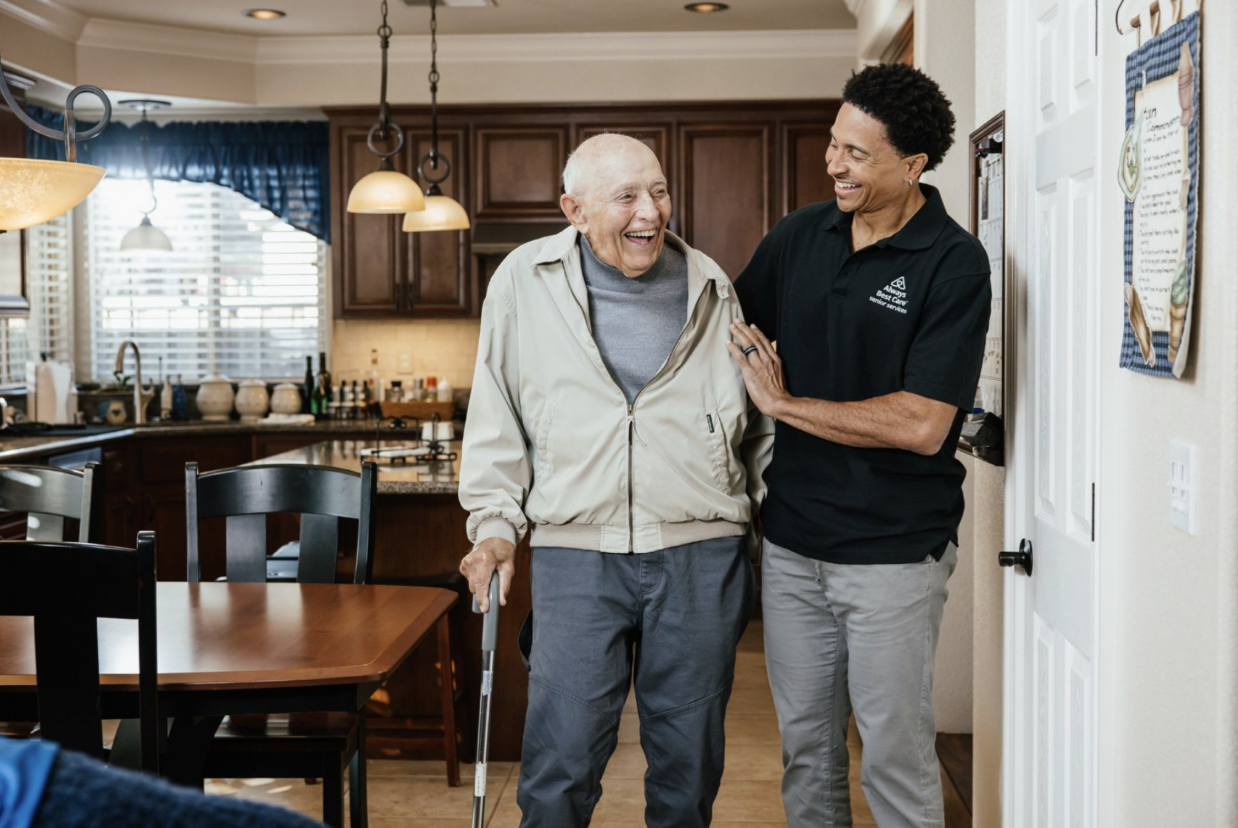
Home is where routines live, memories linger, and comfort comes naturally. Recovering there, rather than in a facility, can ease stress and help seniors feel more like themselves. Familiar surroundings often reduce anxiety and confusion, especially after such a major health event.
In-home support means care comes to the senior, not the other way around. Loved ones can stay close, play an active role in recovery, and share in the little victories that happen along the way.
Key Goals of Post-Stroke In-Home Care
Post-Stroke Care: How In-Home Care Can Aid Recovery focuses on real-life goals that actually matter day to day. In-home care aims to:
- Promote safety and reduce the risk of falls or injuries.
- Support rehabilitation plans from physical, occupational, and speech therapists.
- Preserve dignity and independence, even with new limitations.
As confidence grows, seniors often feel more motivated to keep pushing toward their recovery goals.
Types of Support Included in In-Home Post-Stroke Care
In-home care isn’t just one thing; it’s a blend of practical help and warm-hearted support. Caregivers may assist with:
- Personal care: bathing, dressing, grooming, toileting.
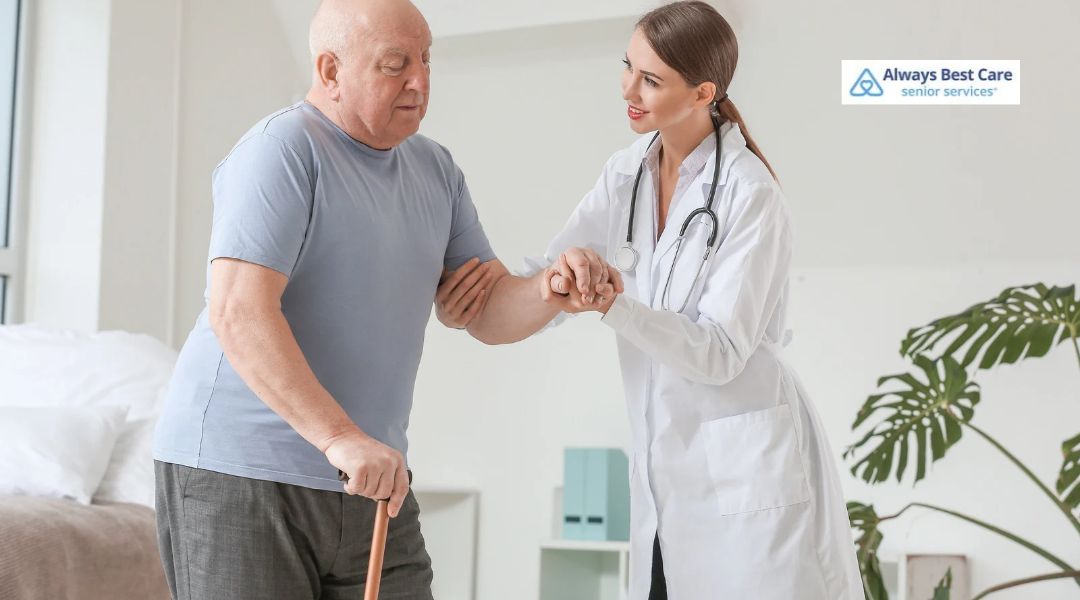
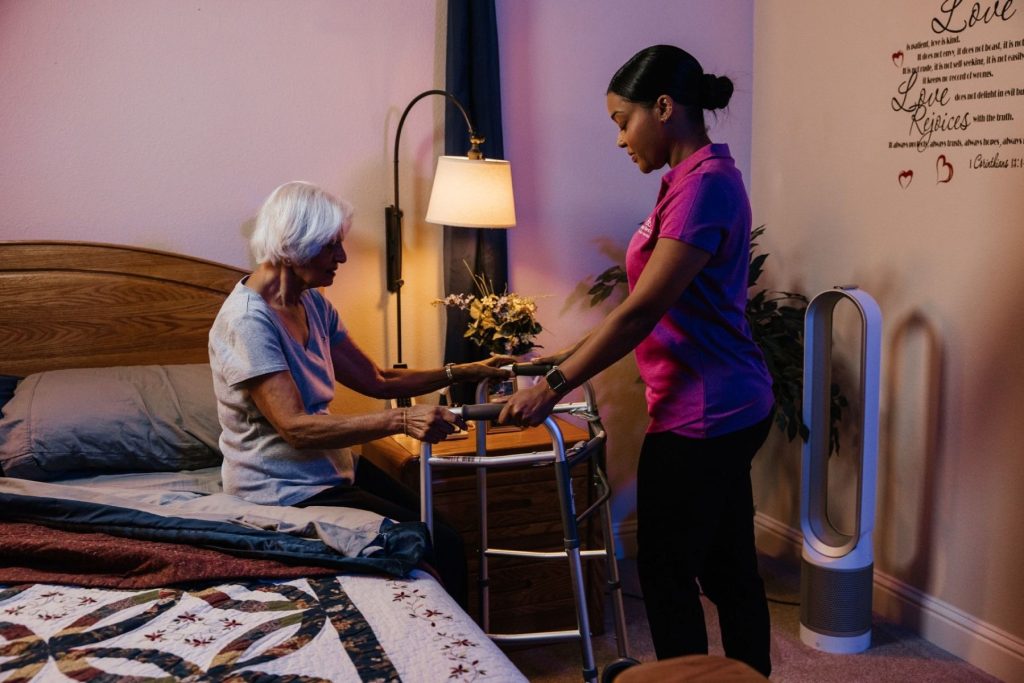
- Mobility and transfers: moving from bed to chair, walking with supervision, using a walker safely.
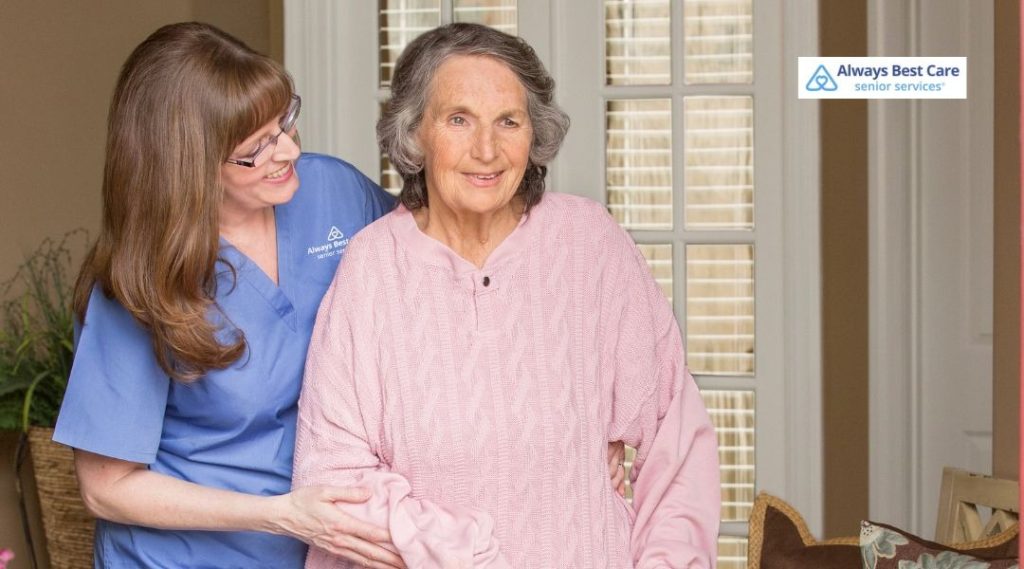
These tasks, handled gently and respectfully, help seniors stay cleaner, safer, and more comfortable while they regain strength.
Supporting Medical and Therapy Recommendations at Home
Therapy doesn’t end when the outpatient session does. Caregivers can help weave those recommendations into daily life by:
- Encouraging and assisting with prescribed exercises.
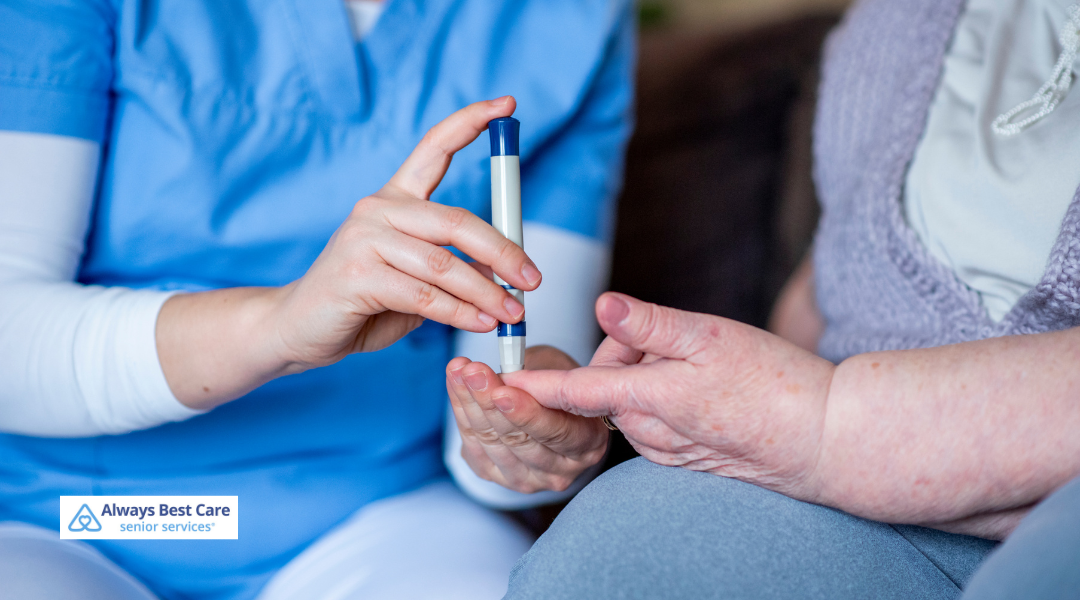
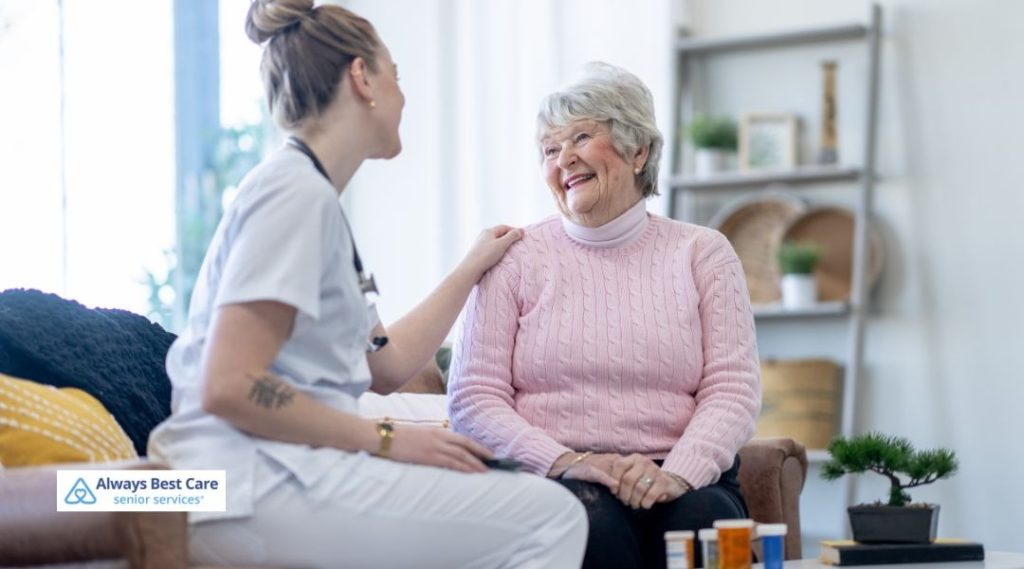
- Helping keep track of medications and reminding seniors when it’s time.
- Watching for changes in mood, strength, or symptoms and alerting families or healthcare providers.
That steady follow-through at home helps make rehab more effective and keeps everyone in the loop.
Daily Living Support to Ease Recovery
After a stroke, even chores can feel like climbing a hill. In-home care lightens that load by helping with:
- Meal preparation and hydration, with a focus on stroke-friendly nutrition.
- Light housekeeping, dishes, laundry, and tidying up cluttered spaces.
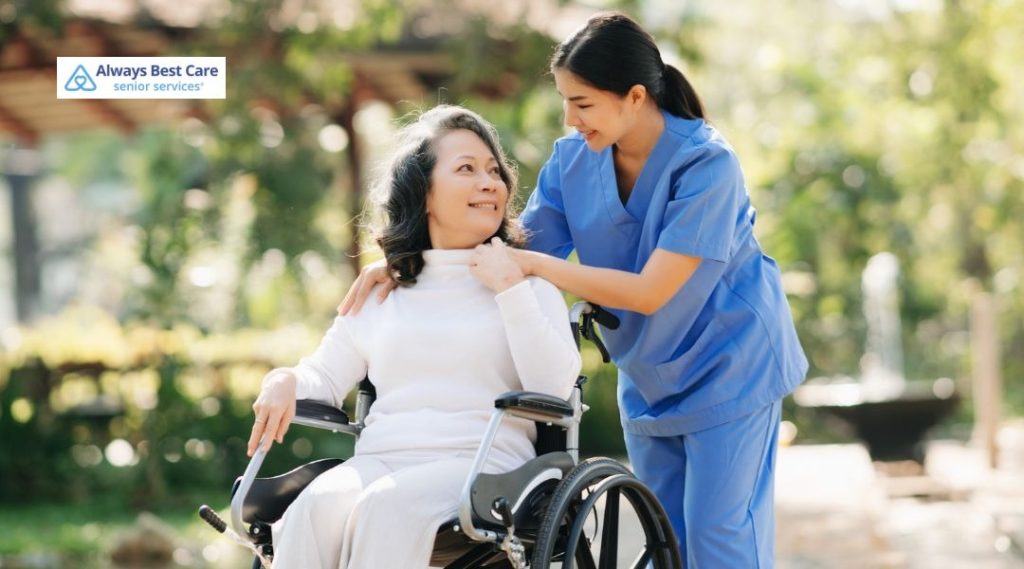
- Transportation to doctor visits, therapy appointments, or community activities.
With these tasks covered, families can spend more time simply being together rather than always “doing.”
Enhancing Safety in the Home Environment
A home that once felt perfectly safe may become risky after a stroke. Stairs, rugs, narrow hallways, or slippery floors can quickly lead to falls. Caregivers support safety by:
- Helping seniors move carefully and use mobility aids correctly.
- Encouraging simple changes, such as clearing pathways and using grab bars where recommended.
Those small adjustments can dramatically reduce accidents and boost confidence around the house.
What to Expect From an In-Home Care Plan
Getting started with in-home care usually begins with a conversation and an in-home assessment. From there, a personalized care plan is created around:
- Specific tasks that need support.
- Preferred schedules and routines.
- Short-term and long-term recovery goals.
As recovery progresses, the care plan can be adjusted, providing more help in some areas, less in others, so support stays in step with changing needs.
How Always Best Care of Thousand Oaks Supports Stroke Recovery
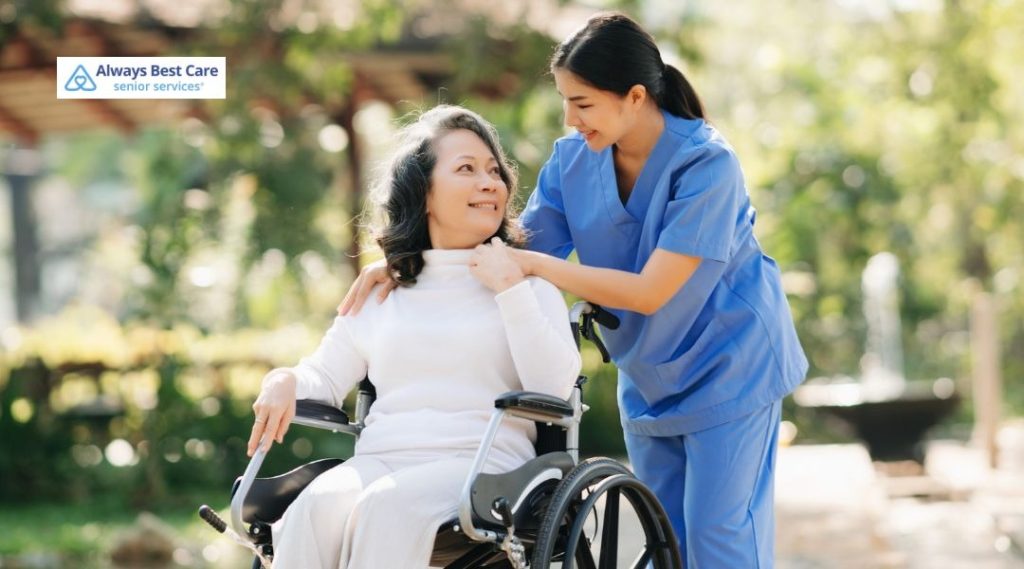
Always Best Care of Thousand Oaks focuses on compassionate, tailored support for seniors who are recovering at home. Care coordinators match clients with trained caregivers who understand the unique challenges of post-stroke life.
They work closely with families and healthcare professionals, helping bridge the gap between medical recommendations and everyday routines at home. It’s care that feels both professional and deeply personal.
Coordinating With Healthcare Providers and Therapists
Good communication ties everything together. In-home caregivers can share observations with families, who in turn can update physicians, therapists, and nurses. This collaboration keeps everyone rowing in the same direction.
By aligning home care with medical and therapy guidance, seniors receive more consistent support, which can be a big boost to long-term recovery.
Supporting Independence While Providing the Right Level of Help
The heart of Post-Stroke Care: How In-Home Care Can Aid Recovery is balance, offering help without taking over. Caregivers encourage seniors to do as much as safely possible, stepping in only where needed.
Small daily wins, like taking a few more steps or buttoning a shirt independently, can boost self-esteem and help maintain motivation.
Frequently Asked Questions
Q: What is post-stroke care at home?
A: Post-stroke care at home is support provided by trained caregivers who help with daily activities, safety, and recovery routines so seniors can heal in the comfort of their own homes.
Q: Who provides in-home post-stroke care?
A: Care is typically provided by professional caregivers or home care aides who are trained to assist with personal care, mobility, and daily activities, while following guidance from healthcare providers.
Q: How often can caregivers visit after a stroke?
A: Visit frequency can range from a few hours a week to full-time or 24-hour care, depending on the senior’s needs, safety concerns, and family support.
Q: How do families in Thousand Oaks get started with post-stroke in-home care?
Families can contact Always Best Care of Thousand Oaks to request a consultation, discuss their loved one’s needs, and create a customized in-home care plan.
A Safer, Stronger Recovery at Home
Recovery after a stroke can feel like a long road, but no one has to walk it alone. With thoughtful post-stroke care at home, seniors in Thousand Oaks can rebuild strength, stay safer, and maintain more independence right where they feel most at peace.
For families ready for extra support and a reassuring partner in care, reaching out to Always Best Care of Thousand Oaks at (805) 563-6440 can be a powerful step toward a safer, stronger recovery at home.
Link to the Markdown File version of the article