Recognizing Stroke Symptoms in Thousand Oaks: When to Seek Help Without Delay
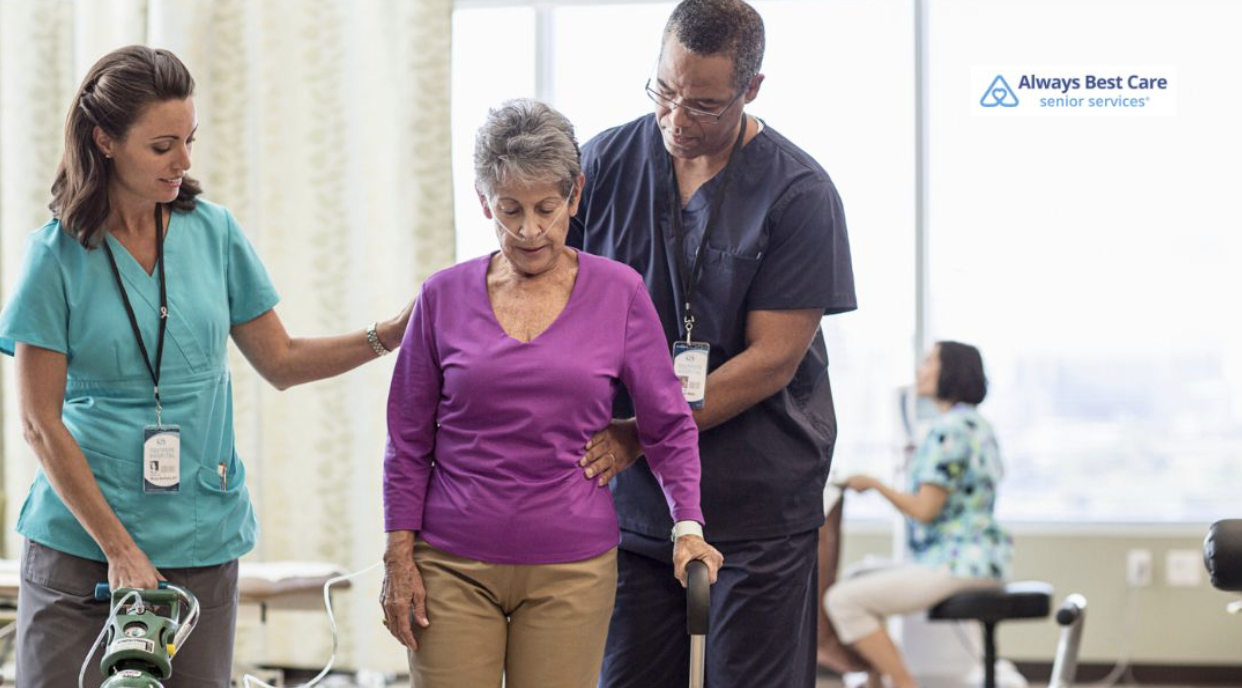
Strokes don’t always announce themselves with a dramatic scene. Sometimes it’s a “huh…that’s weird” moment, one side of a smile looks off, a sentence comes out scrambled, or someone suddenly can’t keep their balance. In a busy household, it’s easy to chalk it up to fatigue, stress, or getting older.
But with stroke symptoms, guessing is a gamble. Recognizing Stroke Symptoms in Thousand Oaks, When to Seek Help Without Delay is here to make the next steps clear, so you can act quickly and confidently if something seems wrong.
What you will learn:
- How to recognize stroke warning signs that can seem subtle at first, especially in older adults.
- How to use FAST and BE FAST in real-life moments so you can make a quick, confident call for help.
- When to call 911 right away and what to do in the minutes before emergency responders arrive.
- What stroke recovery at home may look like and how in-home support in Thousand Oaks can help families manage day-to-day needs.
Table of Contents
Quick Snapshot: What This Guide Helps You Do
You’ll learn how to spot the most common stroke warning signs, use FAST and BE FAST in real life, and know exactly what to do in the minutes before help arrives.
You’ll also get a practical look at what recovery can involve and when in-home support may be useful.

Why Stroke Awareness Matters in Thousand Oaks Homes
Many families in Thousand Oaks are helping an older parent or grandparent stay independent. That’s a beautiful goal, but independence goes hand in hand with safety. A stroke can change strength, speech, memory, and mobility in a heartbeat.
The earlier someone gets emergency treatment, the better the odds of limiting long-term damage. So yes, this is serious stuff, but it’s also something families can prepare for with a little know-how.
What a Stroke Is and Why Minutes Matter
A stroke happens when blood flow to part of the brain is blocked, or a blood vessel bursts. Either way, brain cells start struggling fast.
The key takeaway is simple: don’t “wait and see.” Emergency teams have treatments that may help, but those treatments are time-sensitive. Waiting an hour can mean the difference between a smoother recovery and a much tougher road.
Stroke Symptoms to Take Seriously Right Away

Physical Red Flags
Some signs are obvious, but plenty are sneaky. Watch for sudden changes like:
- Weakness or numbness on one side of the body
- A drooping face or uneven smile
- Trouble walking, sudden clumsiness, or loss of coordination
- A severe headache that appears out of nowhere
Speech and Thinking Changes
A stroke can scramble communication in strange ways. Look for:
- Slurred speech or words that don’t make sense
- Trouble finding basic words
- Confusion, sudden disorientation, or difficulty following a simple request
Vision, Dizziness, and Balance Issues
These symptoms are often brushed off as dehydration, vertigo, or “just not feeling great.” Still, they matter:
- Sudden blurry vision or vision loss in one or both eyes
- Dizziness that hits hard and fast
- Loss of balance or difficulty standing
If any of these appear suddenly, treat them like an emergency.
FAST and BE FAST Made Simple for Real-Life Moments
You’ve probably heard “FAST,” but it helps to picture it in action—like you’re running a quick safety check.
FAST
- F: Face — Ask for a smile. Does one side droop?
- A: Arms — Ask them to raise both arms. Does one drift down?
- S: Speech — Ask them to repeat a short sentence. Is it slurred or odd?
- T: Time — If you spot any of these, it’s time to call 911.
BE FAST adds two more signs that show up often:
- B: Balance — Sudden trouble walking or standing
- E: Eyes — Sudden vision changes

When to Call 911 Without Hesitating
Call 911 right away if stroke symptoms start suddenly, even if they fade after a few minutes. Symptoms that disappear can still signal a serious problem, like a transient ischemic attack (TIA), sometimes called a “mini-stroke.” That’s not a free pass. It’s a warning shot.
And please don’t drive someone to the hospital unless emergency services truly aren’t available. Paramedics can begin assessment and coordination immediately, and they know which hospitals are equipped for stroke care.
What to Do While You’re Waiting for Emergency Help
Those minutes can feel like forever. Here’s what helps most:
- Note the time symptoms began (or the last time they were seen well).
- Keep the person safe and seated or lying down.
- Don’t offer food, drink, or medication unless a medical professional tells you to.
- Gather a medication list and any known health conditions.
- Stay calm and describe symptoms clearly to the dispatcher and responders.
A steady voice and clear details help the team move faster.
Stroke Risk Factors That Often Show Up in Older Adults
Some risk factors are tough to control, like age or family history. Others are more manageable. Common ones include high blood pressure, high cholesterol, diabetes, heart conditions, smoking, and inactivity.
Regular checkups matter because many risks don’t feel like risks until they suddenly are.
Why Stroke Signs Can Look Different in Seniors
With older adults, stroke symptoms can be mistaken for other issues: a bad reaction to medication, a urinary tract infection, low blood sugar, or plain exhaustion.
Here’s the rule of thumb: if the change is sudden and unusual, treat it seriously. Trust your gut. If something feels “off,” it probably is.
After the Hospital: What Recovery at Home Can Really Involve
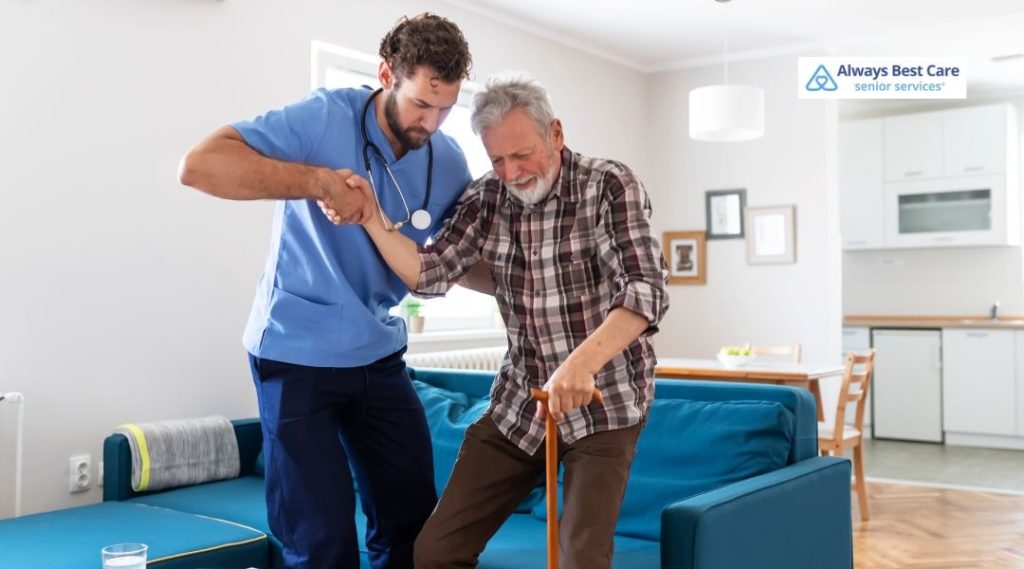
Stroke recovery isn’t one-size-fits-all. Some people bounce back quickly. Others need time, therapy, and a lot of patience. At home, families often notice challenges with:
- Walking safely and avoiding falls
- Dressing, bathing, and grooming
- Meal prep and safe eating
- Fatigue, mood changes, and frustration
- Follow-up appointments and therapy routines
Progress can be uneven, two steps forward, one step back. That’s normal.
How In-Home Care Can Support Stroke Recovery in Thousand Oaks
Many families want to help, but can’t be everywhere at once. Non-medical in-home care can provide practical support that keeps life from feeling like a daily scramble.
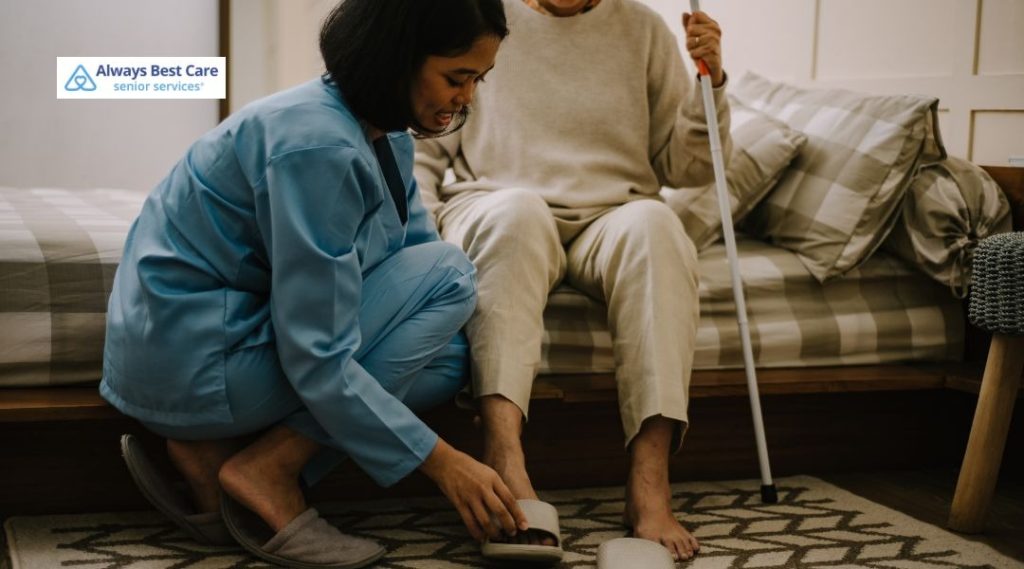
Help may include assistance with mobility, personal care, meal preparation, light housekeeping, and companionship, plus steady routine support that can make recovery feel less overwhelming.
When It’s Time to Bring in Extra Support for a Loved One
Extra help may be worth considering if a loved one is falling, skipping meals, missing meds, struggling with hygiene, or withdrawing socially.
Sometimes it’s not about “more care,” it’s about the right rhythm, so everyone can breathe again.
How Always Best Care of Thousand Oaks Can Help Families After a Stroke
Always Best Care of Thousand Oaks supports seniors who want to recover and live safely at home. Whether your family needs a little backup a few days a week or more consistent help during recovery, the goal is the same: comfort, safety, and support that fits your loved one’s routine.
Frequently Asked Questions
Q: What are the most common stroke symptoms to watch for?
A: The most common include facial drooping, one-sided weakness, slurred speech, sudden confusion, sudden vision changes, severe headache, and sudden dizziness or balance problems.
Q: Should I call 911 if the symptoms go away?
A: Yes. Symptoms that disappear can point to a TIA, which raises the risk of a future stroke. Emergency evaluation is still important.
Q: What should I do first if I think someone is having a stroke?
A: Call 911 immediately, note the time symptoms started, keep the person safe and still, and be ready to describe what you observed.
Q: Can a stroke look like something else in older adults?
A: Yes. In seniors, a stroke can resemble medication side effects, infection, dehydration, or low blood sugar. Sudden changes are the biggest clue.
Q: How can in-home care help after a stroke?
A: Non-medical caregivers can help with daily routines like mobility support, bathing and dressing, meal prep, light housekeeping, reminders, and companionship while a loved one regains strength and confidence.
Act Fast. Protect Independence
A stroke can start with small signs that are easy to shrug off, but fast action is where families protect health, independence, and peace of mind. Keep FAST and BE FAST in your back pocket, trust what you see, and don’t wait around hoping it passes.
Recognizing Stroke Symptoms in Thousand Oaks, When to Seek Help Without Delay is about being ready for the moment it matters most, and knowing support is available if your family needs help at home after the hospital.
Call Always Best Care of Thousand Oaks at (855) 470-2273 to schedule a free consultation and get the right support in place.