Stroke Prevention Tips for Seniors in Thousand Oaks: Protecting Brain Health Through Healthy Habits
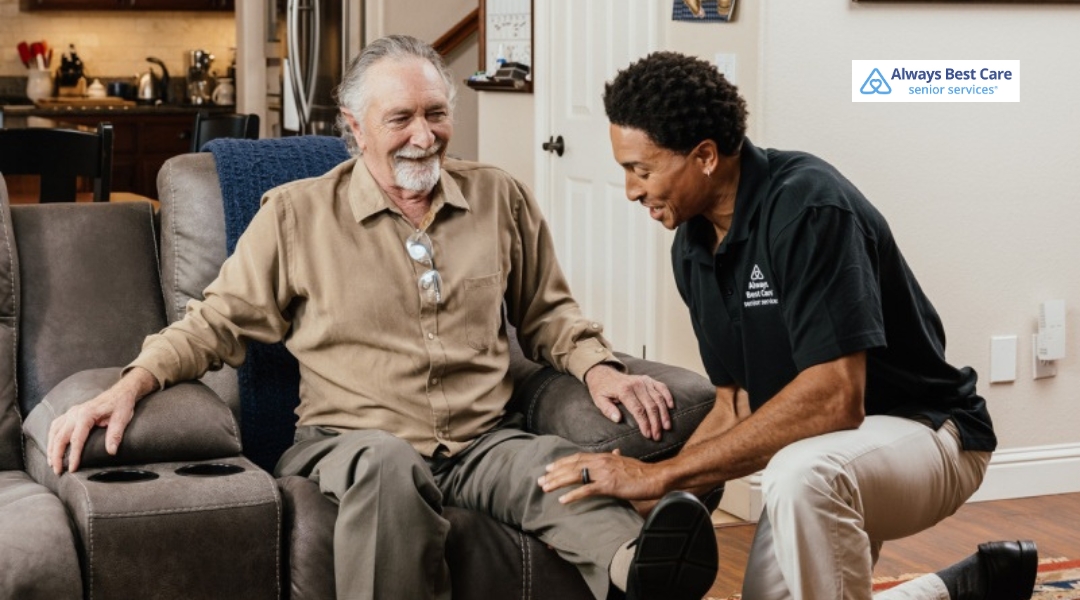
A stroke can alter life in an instant. For older adults, the consequences often extend far beyond the initial event, affecting mobility, communication, memory, and the ability to live independently. Recovery can take months or years, and in some cases, full recovery isn’t possible.
The good news? Up to 80% of strokes are preventable. For seniors in Thousand Oaks, building the right daily habits and managing underlying health conditions can make a profound difference in long-term brain health and quality of life.
What you will learn:
- Why stroke risk increases with age, and how conditions like high blood pressure, diabetes, and high cholesterol affect brain health.
- The everyday healthy habits that help protect seniors’ brains and hearts include regular physical activity, nutritious foods, and good control of blood pressure and blood sugar.
- How caring, consistent support from family and caregivers in Guilford, CT makes it easier for seniors to maintain prevention routines and stay independent.
Table of Contents
Why Stroke Risk Rises with Age
Aging naturally affects the cardiovascular system. Blood vessels become less flexible, blood pressure tends to rise, and the cumulative effects of decades of lifestyle choices begin to show. Conditions like high blood pressure, atrial fibrillation, diabetes, and high cholesterol all more common in older adults, are among the strongest predictors of stroke.
What makes stroke particularly dangerous is how quickly it strikes. Recognizing risk factors early and addressing them consistently is far more effective than reacting after the fact.
Control Blood Pressure: Your Most Important Defense
High blood pressure is the leading cause of stroke. When sustained over time, elevated pressure weakens and damages blood vessel walls, making blockages and ruptures far more likely.
For seniors, keeping blood pressure in a healthy range requires more than just medication.
Effective strategies include:
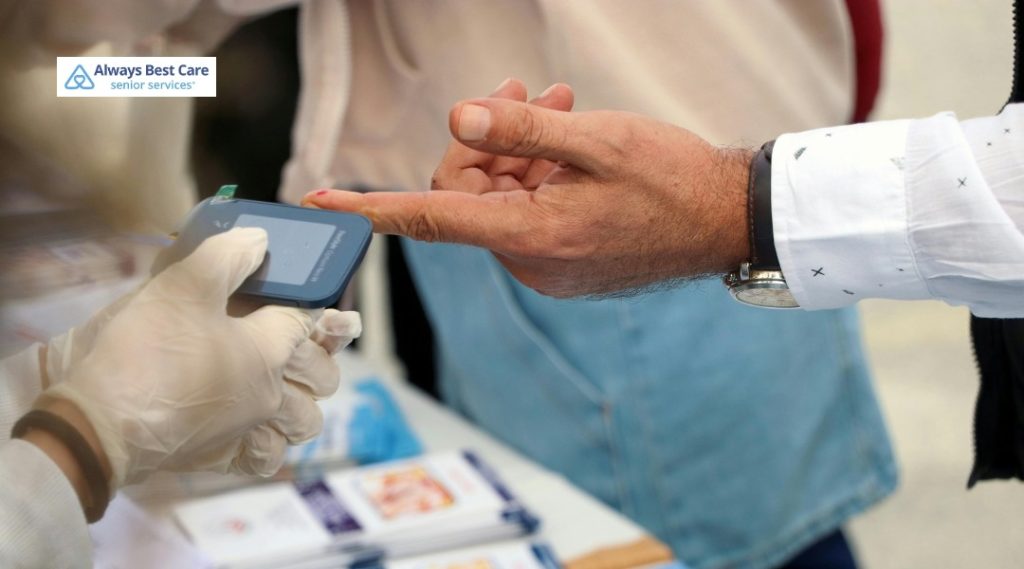
- Checking blood pressure regularly at home or during medical visits
- Taking prescribed medications consistently and on schedule
- Cutting back on sodium, especially in processed and packaged foods
- Maintaining a healthy weight through diet and movement
- Limiting alcohol consumption
Even modest reductions in blood pressure can significantly lower stroke risk, making this one of the highest-impact areas to focus on.
Manage Diabetes to Protect Blood Vessels
Diabetes damages blood vessels over time, reducing circulation and increasing the likelihood of clots forming in the brain. Seniors with diabetes face a substantially higher stroke risk than those without it, but that risk can be managed.
Key steps for diabetes management include:
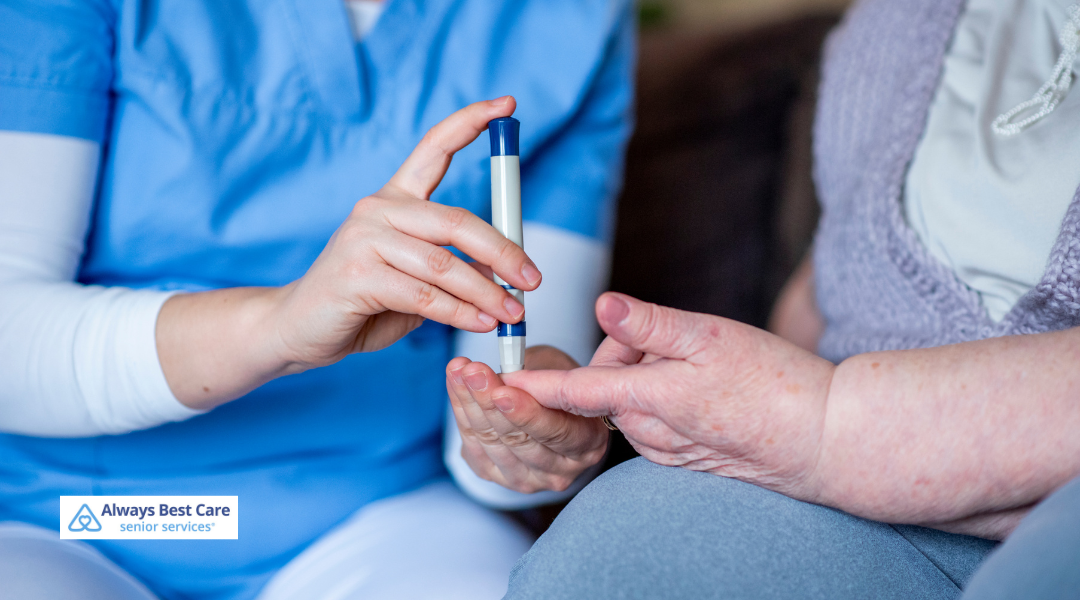
- Monitoring blood sugar levels daily
- Following a meal plan that limits refined sugars and simple carbohydrates
- Staying physically active to improve insulin sensitivity
- Attending regular medical appointments to track A1C levels and adjust treatment as needed
Keeping blood sugar stable doesn’t just protect against stroke; it supports kidney function, vision, and nerve health as well.
Keep Cholesterol in Check
Cholesterol buildup in the arteries, a condition called atherosclerosis, gradually narrows the pathways that carry blood to the brain. When a blockage becomes severe enough, a stroke can occur.
Seniors can support healthy cholesterol levels by:
- Prioritizing heart-healthy foods: leafy greens, berries, oily fish, legumes, and whole grains
- Reducing intake of saturated fats found in red meat and full-fat dairy
- Following physician-prescribed medication plans when lifestyle changes alone aren’t sufficient
- Staying active, since regular exercise raises HDL (good) cholesterol
Annual cholesterol screenings help detect changes early and enable timely adjustments to diet or medication.
Move More: Even a Little Goes a Long Way
Physical activity is one of the most well-documented tools for stroke prevention. It improves circulation, helps regulate blood pressure and blood sugar, supports a healthy weight, and reduces inflammation throughout the body.
Seniors don’t need to run marathons to benefit. Accessible, effective activities include:
- Daily walks through the neighborhood or local parks
- Chair-based stretching or gentle yoga
- Swimming or water aerobics
- Tai chi, which also improves balance and reduces fall risk
- Light gardening or household activity
Aiming for at least 30 minutes of moderate movement most days of the week is a reasonable and achievable goal for most older adults.
Eat to Protect Your Brain
Diet has a direct and measurable impact on stroke risk. A nutrient-dense eating pattern supports healthy blood vessels, reduces inflammation, and helps manage blood pressure, cholesterol, and blood sugar simultaneously.
A brain-protective diet for seniors emphasizes:
- Colorful fruits and vegetables at every meal
- Whole grains over refined carbohydrates
- Lean proteins: fish, poultry, legumes, and eggs
- Healthy fats from sources like olive oil, avocado, and nuts
- Minimal sodium, added sugars, and ultra-processed foods
Staying well-hydrated is equally important. Dehydration can thicken the blood and impair circulation, increasing the risk of blood clots.
The Role of Caregiving Support in Stroke Prevention
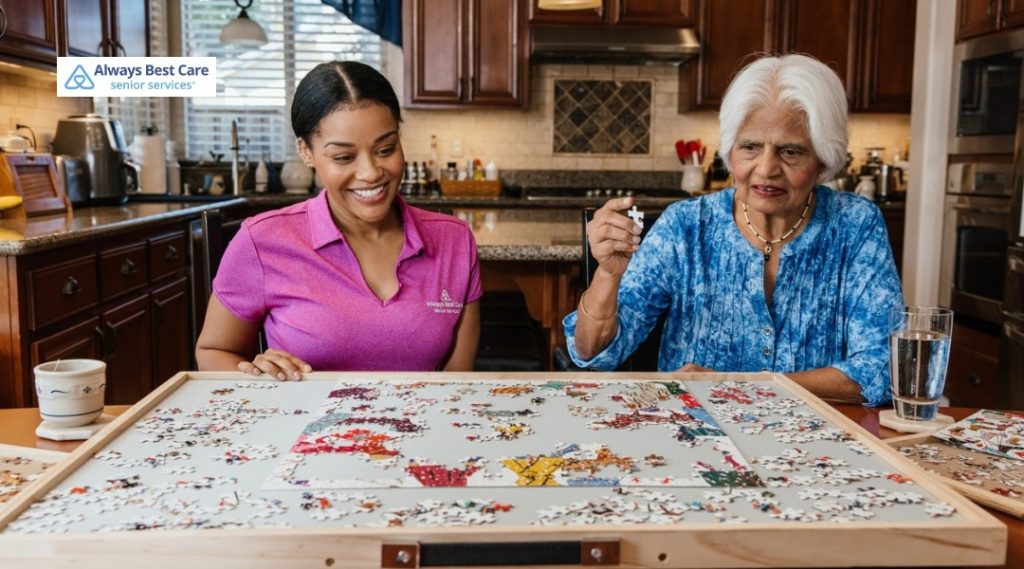
For seniors managing multiple health conditions or living alone, maintaining consistent healthy habits can be genuinely difficult. This is where in-home caregiving support makes a real difference.
Caregivers can assist seniors with:
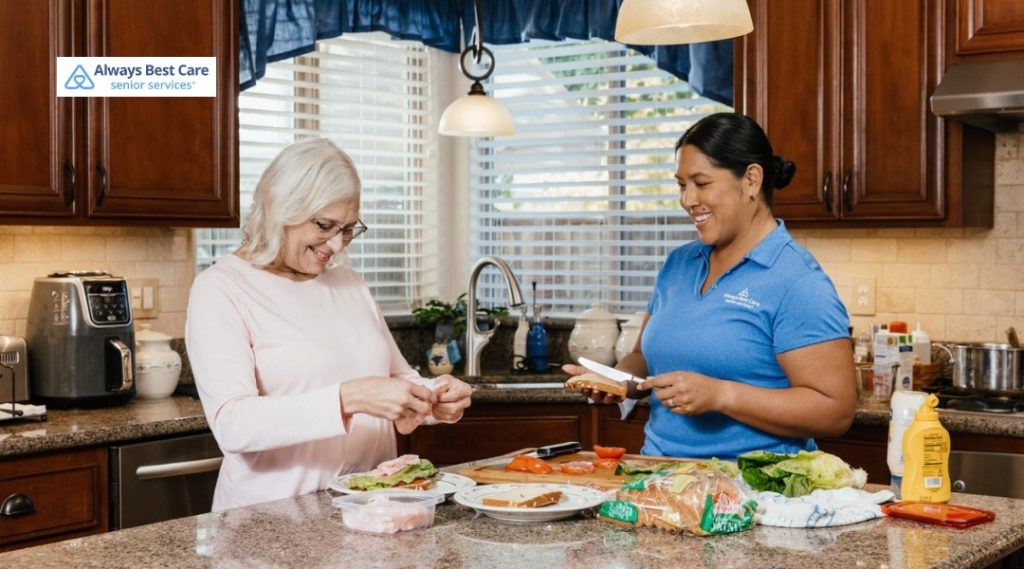
- Planning and preparing balanced, low-sodium meals
- Encouraging and accompanying them on daily walks
- Tracking medications and ensuring they’re taken on schedule
- Monitoring for warning signs and coordinating with healthcare providers
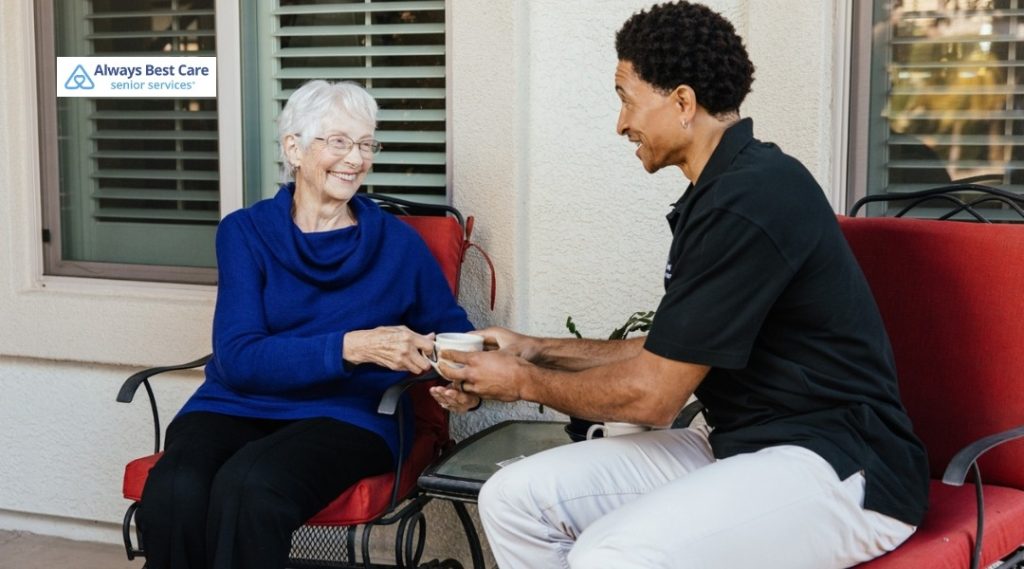
- Providing companionship that reduces stress itself is a contributing factor to cardiovascular risk
Having a reliable support system in place doesn’t just improve physical health. It also gives seniors and their families greater peace of mind.
Frequently Asked Questions
Q: What are the most common warning signs of a stroke?
A: The FAST acronym is a helpful guide: Face drooping, Arm weakness, Speech difficulty, and Time to call 911. Other symptoms include sudden vision changes, severe headache, and loss of balance or coordination. If any of these occur, seek emergency care immediately.
Q: At what age does stroke risk increase significantly?
Stroke risk rises with age, and the risk roughly doubles every decade after age 55. However, stroke can occur at any age, which is why prevention habits are valuable to build early.
Q: Can stroke be prevented if there is a family history?
A family history of stroke does increase risk, but it doesn’t make stroke inevitable. Managing controllable risk factors, such as blood pressure, diet, exercise, and smoking, can significantly offset genetic predisposition.
Q: How does smoking affect stroke risk?
A: Smoking damages blood vessel walls, raises blood pressure, and promotes clot formation. Smokers face roughly twice the stroke risk of non-smokers. Quitting at any age reduces that risk substantially.
Q: How can an in-home caregiver help with stroke prevention?
A: Caregivers support stroke prevention by helping seniors maintain consistent routines around medication, nutrition, and physical activity. They also provide an extra set of eyes for early warning signs and can coordinate with healthcare providers when concerns arise.
Helping Seniors Thrive in Thousand Oaks
Stroke prevention isn’t a single action; it’s a collection of daily habits, consistent medical care, and the right support system. Seniors in Thousand Oaks who take a proactive approach to managing their health are far better positioned to maintain their independence and quality of life.
At Always Best Care of Thousand Oaks, our caregivers work alongside seniors and their families to build routines that support long-term health. From meal preparation and medication reminders to daily activity and health monitoring, we’re here to help.
Call Always Best Care of Thousand Oaks today at (805) 563-6440 to schedule a care consultation and learn how we can support your loved one’s health, safety, and independence.
Link to the Markdown File version of the article