
When Appetite Declines: Helping Seniors Eat Well in Thousand Oaks
As our loved ones grow older, it’s easy to spot subtle changes at the dinner table. A once hearty eater now pushes food around the plate, skips breakfast, or claims, “I’m just not hungry.” At first, it might not seem like a big deal. But when appetite declines day after day, it can chip away at health, energy, and independence.
Healthy eating isn’t just a nice-to-have in later years; it’s the fuel that keeps bodies moving, minds sharp, and spirits lifted. In Thousand Oaks, many families quietly worry that Mom or Dad simply isn’t eating enough. We understand that concern, and we’re here to help seniors eat well, feel better, and enjoy meals again.
What you will learn:
- Why seniors’ appetites in Thousand Oaks may gently decline and which common physical, emotional, and lifestyle changes can contribute.
- How ongoing poor nutrition can quietly affect strength, balance, energy, and overall independence for older loved ones.
- Simple, uplifting ways to make meals more appealing, social, and nourishing, from smaller portions to shared mealtimes.
- How supportive local help from Always Best Care of Thousand Oaks can make healthy eating feel easier, safer, and more enjoyable at home.
Table of Contents
Why Appetite Declines with Age
Common Reasons for Appetite Changes
Aging can play tricks on the senses and the stomach. Food that once smelled amazing may now seem bland, and big meals might feel like too much effort. Several everyday issues can nudge seniors to eat less:
- Changes in taste and smell
- Slower digestion and feeling full faster
- Lower activity levels and reduced hunger
- Side effects from medications
- Dental pain or poorly fitting dentures
- Trouble chewing or swallowing
- Ongoing health problems
- Depression, anxiety, or loneliness
- Memory loss or cognitive changes
With so many possible causes, it’s worth keeping an eye on ongoing changes and mentioning them to a healthcare provider if they persist.
The Hidden Risks of Poor Nutrition
When appetite declines, and meals get smaller or disappear altogether, the body quietly pays the price. Over time, not eating enough can lead to:
- Unplanned weight loss
- Muscle weakness and frailty
- Higher risk of falls
- Fatigue and low energy
- Slower healing after illness or injury
- A weaker immune system
Even mild nutrient gaps can make everyday tasks harder and reduce overall quality of life. Seniors who eat well tend to stay stronger, more active, and more engaged with the people around them.
Making Meals More Appealing
Simple Changes That Spark Interest in Food
Sometimes, it’s not about forcing bigger meals; it’s about making each bite count and each plate more inviting. A few creative tweaks can make mealtime feel less like a chore and more like something to look forward to:
- Add herbs, spices, and citrus to boost flavor
- Use colorful fruits and vegetables to brighten the plate
- Serve favorite dishes more often
- Offer smaller portions several times a day
- Choose nutrient-dense foods that pack more nutrition into each bite
Many seniors do better with light, frequent meals and snacks rather than facing a large plate three times a day. A little variety and visual appeal can go a long way.
Turn Mealtime into a Social Experience in Thousand Oaks
Eating alone day after day can drain the joy out of food. In Thousand Oaks, we see how loneliness often leads to skipped meals or just “picking” at food.
Sharing meals with family, friends, or caregivers adds conversation, laughter, and simple companionship. That social spark often encourages seniors to:
- Sit longer at the table
- Try more of what’s on their plate
- Drink more fluids
- View mealtime as something pleasant, not just a task
Even small rituals, like sharing lunch once a week or enjoying an afternoon cup of tea together, can turn mealtime back into a highlight instead of a hurdle.
Addressing Underlying Health Concerns
If appetite seems to drop suddenly or doesn’t improve, it’s wise to ask: “Is something else going on?” Watch for:
- Noticeable weight loss
- Persistent trouble chewing or swallowing
- Mood changes, sadness, or withdrawal
- Frequent nausea or stomach upset
- Increased confusion or forgetfulness
Talking with a healthcare provider can uncover issues such as medication side effects, dental problems, or health conditions that make eating uncomfortable or unappealing. Catching these early can prevent bigger health setbacks later.
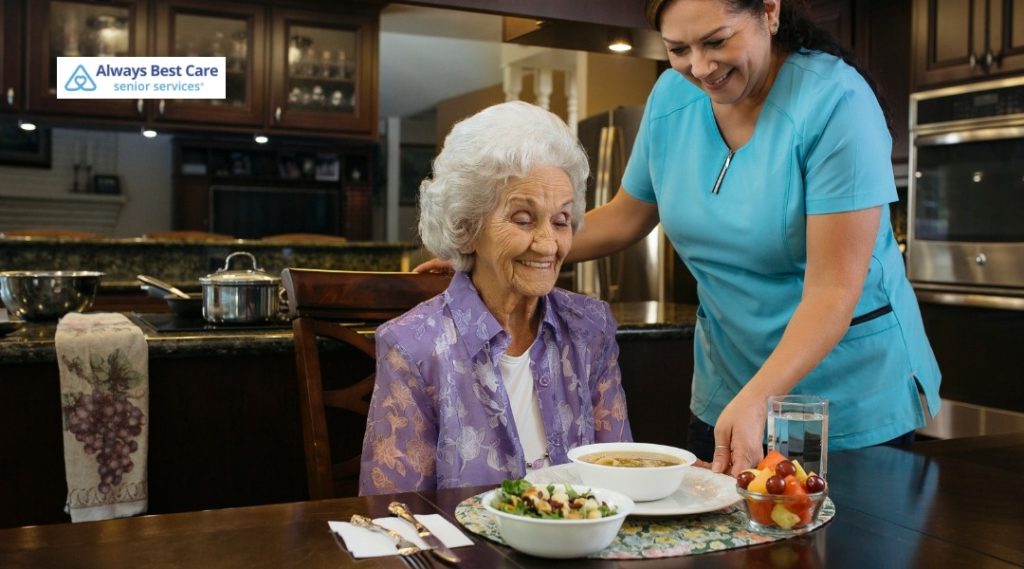
Focus on Nutrient-Rich Foods
When appetite declines, every forkful matters. Choosing foods that provide protein, vitamins, minerals, and healthy fats helps seniors get more benefit from smaller portions. Great options include:
- Eggs
- Greek yogurt
- Lean meats and fish
- Nut butters
- Beans and lentils
- Fresh fruits and vegetables
- Whole grains
Protein is especially important; it helps maintain muscle strength, supports balance, and makes moving around safer and easier. A small bowl of yogurt, a scrambled egg, or a spoonful of peanut butter can make a meaningful difference.
How Always Best Care of Thousand Oaks Can Help
Supporting seniors during a period of declining appetite can feel overwhelming for families. We at Always Best Care of Thousand Oaks step in with practical, down-to-earth help that makes healthy eating more manageable and enjoyable.
We can assist with:
- Meal planning based on favorite foods and dietary needs
- Grocery shopping with a focus on fresh, nourishing ingredients
- Simple, appealing meal preparation
- Encouraging regular drinking of water and other healthy fluids
- Keeping an eye on eating habits and appetite changes
- Providing friendly companionship at mealtimes
- Sharing concerns with family so everyone stays informed
Our goal is to help seniors stay well-nourished, comfortable, and confident at home, even when their appetite isn’t what it used to be.
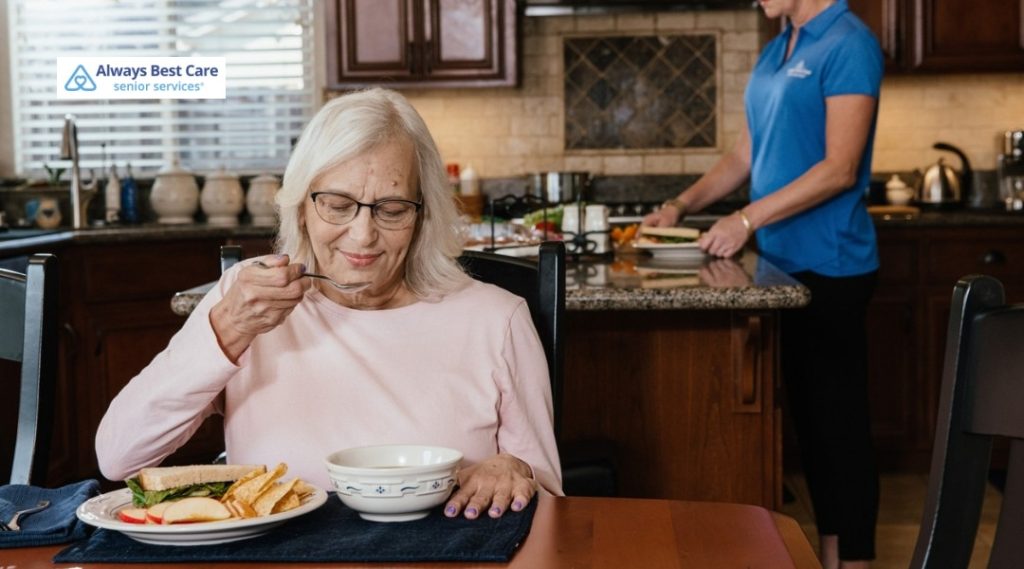
Supporting Healthy Eating and Healthy Aging in Thousand Oaks
When appetite declines, it’s not something to ignore or simply “wait out.” With caring support, flexible meal routines, and a focus on nutrient-rich foods, seniors in Thousand Oaks can continue to enjoy eating and all the benefits that come with it.
We work alongside families to keep loved ones safe, supported, and well-fed, turning mealtime back into a source of strength rather than stress.
Frequently Asked Questions
Q: Is it normal for seniors to eat less as they age?
A: Some decrease in appetite can be part of aging, but ongoing low intake or rapid weight loss isn’t something to brush off. It’s worth discussing with a healthcare provider.
Q: How often should seniors eat if their appetite declines?
A: Many seniors do better with several small meals and snacks spread throughout the day rather than three large meals that can feel overwhelming.
Q: What foods are best when someone doesn’t feel like eating much?
A: Soft, easy-to-eat, nutrient-dense foods such as yogurt, eggs, smoothies, soups, nut butters, and tender meats are often more appealing and still provide plenty of nutrition.
Q: How can families in Thousand Oaks encourage better eating habits?
A: Serving favorite foods, keeping portions small, making meals social, and gently reminding loved ones to drink water can all help. Support from us at Always Best Care of Thousand Oaks can make these efforts easier.
Q: When should we seek help for a senior’s declining appetite?
A: If appetite declines for more than a couple of weeks, or you notice weight loss, weakness, or mood changes, it’s time to speak with a healthcare provider and consider extra support at home.
Filling Plates, Lifting Spirits in Thousand Oaks
When appetite declines, seniors don’t just miss meals; they risk losing strength, energy, and independence. In Thousand Oaks, families don’t have to tackle this challenge alone. With thoughtful food choices, social mealtimes, and caring help from us at Always Best Care of Thousand Oaks, seniors can eat well, feel better, and continue to thrive at home.
If you’re ready for kind, practical help with meals, hydration, and daily care, reach out to Always Best Care of Thousand Oaks today at (805) 691-0586 to schedule a friendly, no-obligation consultation and explore how we can support your family at home.
Link to the Markdown File version of the article