
Early Warning Signs of a Stroke: What Asheville Families Should Know
A sudden change in a loved one’s balance, vision, speech, or strength can be frightening. It can also be a warning sign of a stroke.
A stroke is a medical emergency. If someone develops sudden stroke symptoms, call 911 immediately—even if the symptoms seem mild or begin to improve. Do not wait for a regular doctor’s appointment, contact a home care provider first, or drive the person to the hospital yourself. Emergency medical personnel can begin care and coordinate transport to an appropriate hospital.
For Asheville families, knowing what to look for can help turn uncertainty into quick action. B.E. F.A.S.T. is a simple way to remember several important warning signs.
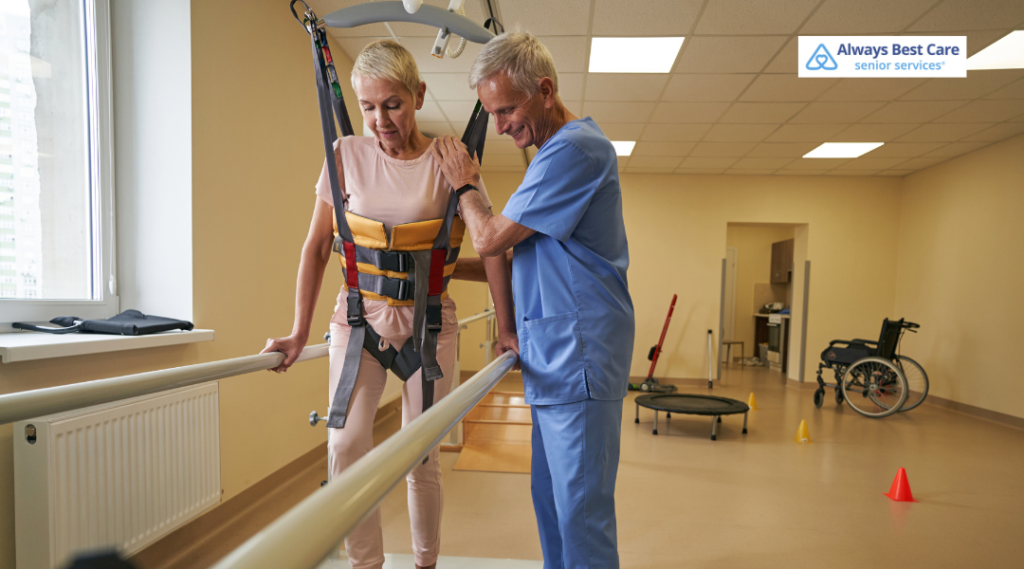
Table of Contents
Know the B.E. F.A.S.T. Signs
A person does not need to have every symptom for a stroke to be possible. Any sudden warning sign deserves immediate attention. Use the following guide to recognize concerns, but do not delay calling 911 to complete every check.
B — Balance Loss
Watch for sudden dizziness, trouble walking, loss of balance, or poor coordination. A loved one may unexpectedly stumble or seem unable to move steadily.
Do not assume a sudden balance change is simply tiredness or aging. Report it to the 911 dispatcher, especially if it occurs alongside another stroke symptom.
E — Eye or Vision Changes
A stroke can cause sudden blurred vision, double vision, or loss of sight in one or both eyes.
Your loved one may describe an abrupt change in what they can see, even without eye pain. Sudden vision changes should not be dismissed or postponed until an eye appointment.
F — Face Drooping
Ask the person to smile. Does one side of the face droop, or does the smile look uneven? They may also report numbness on one side of the face.
A sudden facial change is a reason to call 911 immediately.
A — Arm Weakness
Ask the person to raise both arms. Does one arm drift downward? Is one arm suddenly weak or numb?
Stroke symptoms can also involve sudden weakness or numbness in a leg, particularly on one side of the body.
S — Speech Difficulty
Listen for slurred, unusual, or difficult-to-understand speech. A person may be unable to speak clearly or have trouble understanding what someone says.
You can ask them to repeat a simple sentence, such as, “Today is a sunny day.” If their speech is suddenly different, call 911.
T — Time to Call 911
If you notice any of these signs, call 911 right away. Tell the dispatcher that you suspect a stroke.
If possible, note when symptoms began. If you do not know, share the last time the person was known to be acting normally. Do not delay the call while trying to determine the exact time.

Other Sudden Symptoms Matter, Too
B.E. F.A.S.T. is a useful reminder, but it does not cover every possible stroke symptom. Other warning signs include:
- Sudden confusion or difficulty understanding speech
- Sudden numbness or weakness of the face, arm, or leg, especially on one side
- A sudden severe headache with no known cause
Call 911 if these symptoms occur. Do not wait for facial drooping or arm weakness to appear before taking action.

Why Symptoms Should Never Be Ignored—Even if They Improve
A loved one may say they feel better after a few minutes. They may ask to rest or insist that nothing is wrong.
Symptoms that disappear can indicate a transient ischemic attack, or TIA. Sometimes called a “mini-stroke” or warning stroke, a TIA still requires emergency medical attention. It can signal a risk of a subsequent stroke, potentially within hours or days.
You cannot safely determine at home whether symptoms represent a TIA, a stroke, or another condition. Call 911 even if the person’s speech, balance, vision, or strength returns to normal.

What to Do While Waiting for Emergency Help
Once you have called 911, follow the dispatcher’s instructions. Stay with your loved one and keep them from attempting to walk or drive.
Helpful steps include:
- Share the symptoms and the time they started, if known.
- Tell responders when the person was last known to be well if the onset is unclear.
- Keep the person safe and comfortable while waiting.
- Do not give food, drinks, or medications unless emergency personnel instruct you to do so.
- Do not give aspirin for a suspected stroke.
Some strokes are caused by bleeding rather than a blood clot, and aspirin can make a bleeding stroke more severe. Leave medication decisions to the emergency team.
Prepare Your Family Before an Emergency Happens
Families do not need medical training to recognize warning signs and call for help. A brief conversation with relatives, friends, and regular caregivers can make the response clearer.
Consider keeping a B.E. F.A.S.T. reminder near the refrigerator or another visible place. Make sure everyone who regularly supports your loved one knows:
- Stroke symptoms can appear suddenly.
- One warning sign can be enough to call 911.
- Symptoms that improve still require emergency evaluation.
- Calling an ambulance is safer than trying to drive the person to the hospital.
- A home care provider or routine appointment is not a substitute for emergency care.
The most important preparation is agreeing to act immediately rather than waiting to see what happens.

How Always Best Care of Asheville Can Help After a Stroke
Once emergency treatment is complete and the healthcare team has established a recovery plan, families may need help managing everyday life at home.
Contact Always Best Care of Asheville to discuss available non-medical in-home services and whether they fit your loved one’s needs. Depending on the care plan and locally available services, support may include companionship, meal preparation, light housekeeping, transportation, personal-care assistance, and help maintaining daily routines.
Families should explain any mobility, transfer, or supervision needs so the provider can determine what assistance it can safely offer. Non-medical home care does not diagnose stroke, provide emergency treatment, or replace licensed rehabilitation services.
If new stroke symptoms appear at any point during recovery, call 911 immediately.
FAQ
Q: Does a person need to show every B.E. F.A.S.T. sign before we call 911?
A: No. A single sudden warning sign can be enough to suspect a stroke. Do not wait for additional symptoms.
Q: What if the symptoms go away?
A: Call 911 anyway. Symptoms that disappear may indicate a TIA, which is still a medical emergency and can precede a more serious stroke.
Q: Should we drive our loved one to the hospital?
A: No. Call 911 for an ambulance. Emergency medical personnel can begin care on the way and help coordinate appropriate treatment.
Q: Should we give aspirin while waiting?
A: No. Aspirin is not recommended for a suspected stroke because some strokes involve bleeding, which aspirin can worsen. Follow the dispatcher’s instructions and leave medication decisions to emergency personnel.
Q: What if our loved one wakes up with symptoms or we do not know when they started?
A: Call 911 immediately. Tell responders when the person was last known to be acting normally. An uncertain start time is not a reason to wait or assume treatment cannot help.

Learn the Signs and Act Without Delay
Share B.E. F.A.S.T. with the people who help care for your loved one: Balance, Eyes, Face, Arms, Speech, and Time to call 911. Recognizing a sudden change and responding quickly can help a person receive urgently needed care.
For assistance with everyday routines after emergency treatment and discharge, contact Always Best Care of Asheville to discuss available in-home support. For suspected stroke symptoms, call 911 first—never wait for a home care consultation. Contact Always Best Care of Asheville at (828) 676-2939 to learn more and schedule your free consultation.
Link to the markdown version of this blog.