

Parkinson’s Awareness Month in Bristol: Supporting Hope, Care, and Community
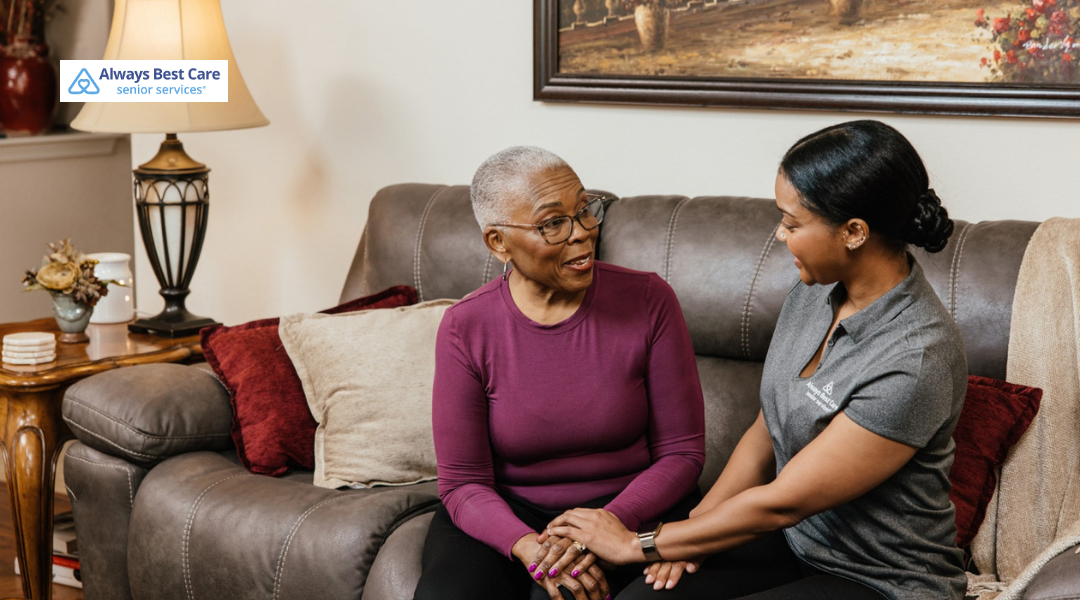
April brings blooming flowers, longer days, and a meaningful opportunity to pause and reflect. Parkinson’s Awareness Month in Bristol shines a light on a condition that touches many families in our community. It’s a time to learn, support one another, and remind those living with Parkinson’s that they are never alone. While the journey with Parkinson’s can bring challenges, compassion, education, and everyday acts of kindness can make life brighter and more manageable.
What You Will Learn
- What Parkinson’s Awareness Month in Bristol means for local families
- Common symptoms and how Parkinson’s affects daily life
- Ways caregivers and loved ones can offer meaningful support
- How awareness and compassion help strengthen the community
Table of Contents
Why Parkinson’s Awareness Month in Bristol Matters
Every April, communities across the country focus attention on Parkinson’s disease. Here in Bristol, Always Best Care of Bristol encourages neighbors, caregivers, and families to better understand the condition and offer support where it’s needed most.
Parkinson’s disease is a neurological condition that primarily affects movement. Tremors, muscle stiffness, and slower coordination often appear gradually. At first glance, these changes may seem subtle, but over time they can influence daily activities like walking, writing, or even getting dressed.
Awareness plays a powerful role. When people recognize symptoms and understand the realities of the condition, they’re better equipped to respond with patience, empathy, and practical help.
Understanding the Signs of Parkinson’s
Parkinson’s doesn’t look the same for everyone. Some people notice mild symptoms early on, while others experience more noticeable changes as the condition progresses.
Common signs may include:
- Tremors in the hands or fingers
- Stiff or rigid muscles
- Slowed movements
- Changes in posture or balance
- Softer speech or facial expression changes
These symptoms can feel overwhelming at first. Yet with the right support, many individuals continue to live meaningful, active lives filled with hobbies, friendships, and family moments.
The key is early awareness and a strong support system.

How Care and Support Improve Daily Life
Living with Parkinson’s can sometimes feel like navigating unfamiliar territory. Tasks that once seemed simple may require more time or assistance.
That’s where supportive care steps in.
Caregivers often help with:
- Mobility assistance – ensuring safe movement indoors and outdoors
- Medication reminders – helping maintain consistent treatment routines
- Daily activity support – from dressing to preparing meals
- Emotional encouragement – companionship that lifts spirits and builds confidence
Even small gestures matter. A steady arm during a walk, a cheerful conversation over coffee, or a patient moment during exercises can brighten someone’s day more than you might expect.
Support doesn’t just help with tasks—it nurtures dignity and independence.
Families Facing Parkinson’s: You’re Not Alone
For families, the journey with Parkinson’s can feel emotional at times. Watching a loved one experience physical changes may bring questions, worries, or uncertainty.
But here’s the reassuring truth: no family has to walk this path alone.
Communities like Bristol offer valuable resources, education, and supportive care networks that help families navigate challenges with confidence.
Many families find comfort in:
- Learning about the condition together
- Creating routines that encourage independence
- Celebrating small daily victories
- Seeking compassionate caregiving support when needed
Often, the most powerful support comes from simply being present—sharing laughter, conversation, and meaningful moments.

Everyday Activities That Promote Well-Being
Staying active and engaged can help people living with Parkinson’s maintain strength and confidence.
Simple activities may include:
- Gentle stretching or hand exercises
- Short walks outdoors
- Listening to music or dancing lightly
- Social visits with friends or family
- Brain-stimulating games or puzzles
These everyday routines help maintain mobility, encourage positivity, and create a sense of normalcy.
And honestly? Sometimes the best medicine is simply a sunny afternoon stroll or a good laugh shared with someone who cares.
Frequently Asked Questions
Q: What is Parkinson’s Awareness Month in Bristol?
A: Parkinson’s Awareness Month in Bristol takes place each April and focuses on educating the community about Parkinson’s disease, supporting affected families, and promoting compassionate care.
Q: What are the earliest signs of Parkinson’s disease?
A: Early signs often include mild tremors, slower movement, stiffness, and changes in balance or posture. Symptoms typically develop gradually.
Q: Can people with Parkinson’s live active lives?
A: Yes. With proper care, support, and lifestyle adjustments, many individuals with Parkinson’s continue enjoying meaningful activities and daily routines.
Q: How can families support a loved one with Parkinson’s?
A: Families can help by learning about the condition, offering emotional encouragement, assisting with daily tasks when needed, and ensuring a safe home environment.

Supporting Hope During Parkinson’s Awareness Month in Bristol
Parkinson’s Awareness Month in Bristol reminds us that awareness isn’t just about understanding a medical condition—it’s about strengthening community compassion. Every kind word, every helping hand, and every moment of patience make a difference for families navigating Parkinson’s.
When neighbors support neighbors, hope grows stronger.
If someone you love is living with Parkinson’s, remember that guidance, care, and encouragement can transform everyday challenges into manageable moments. Reach out to Always Best Care of Bristol today at (860) 261-4405, stay informed, and lean on compassionate caregiving support when needed. Together, Bristol can continue creating a community where every individual facing Parkinson’s feels understood, supported, and never alone.
Link to the Markdown File version of this article.