
From Loss to Strength: How Physical Therapy Can Help Stroke Patients Regain Mobility in Bristol
Every year, nearly 800,000 Americans experience a stroke. If your family has been through it, you know how fast life can change. One moment things feel perfectly ordinary, and the next, you’re navigating a world of doctor’s appointments, unfamiliar medical terms, and a whole lot of uncertainty. The question that lands hardest is usually this: what does recovery actually look like?
Here’s what we want you to know. Physical therapy is one of the most effective tools for helping stroke patients regain mobility, independence, and genuine quality of life. And when it’s paired with consistent, compassionate in-home support, the results can be nothing short of remarkable.
What You’ll Learn
- How a stroke affects movement, balance, and coordination
- The specific ways physical therapy rebuilds strength and daily function
- Why recovering at home can accelerate progress
- What families should realistically expect from the recovery timeline
- How professional in-home caregivers support rehabilitation between sessions
Table of Contents
Understanding Stroke and Its Impact on Mobility
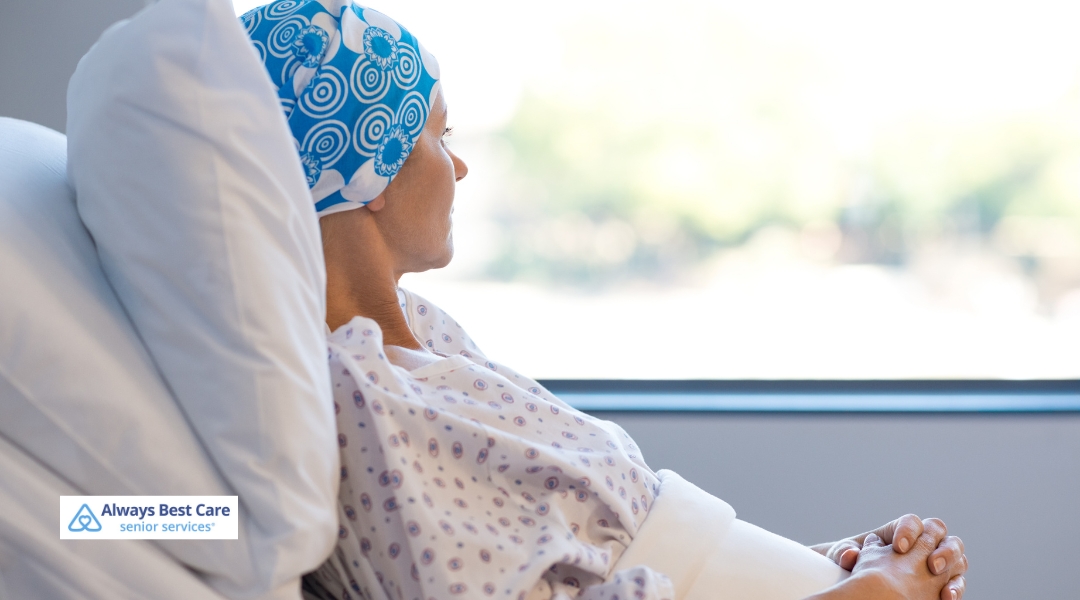
A stroke occurs when blood flow to part of the brain is interrupted, whether by a clot or a burst blood vessel. Brain cells in the affected area begin to die, and depending on which region is involved, the consequences can range from mild weakness on one side of the body to full paralysis.
Beyond muscle weakness, survivors often struggle with balance problems, coordination loss, difficulty walking, and trouble performing simple tasks they once handled without a second thought. It’s overwhelming, both physically and emotionally, for patients and families alike.
That’s precisely why early and ongoing rehabilitation matters so much. The brain has a remarkable ability to rewire itself through neuroplasticity, but it doesn’t happen on its own. It takes guided, consistent effort. The sooner stroke recovery physical therapy in Bristol, CT begins, the better the chances for meaningful, lasting improvement.
How Physical Therapy Helps Stroke Survivors
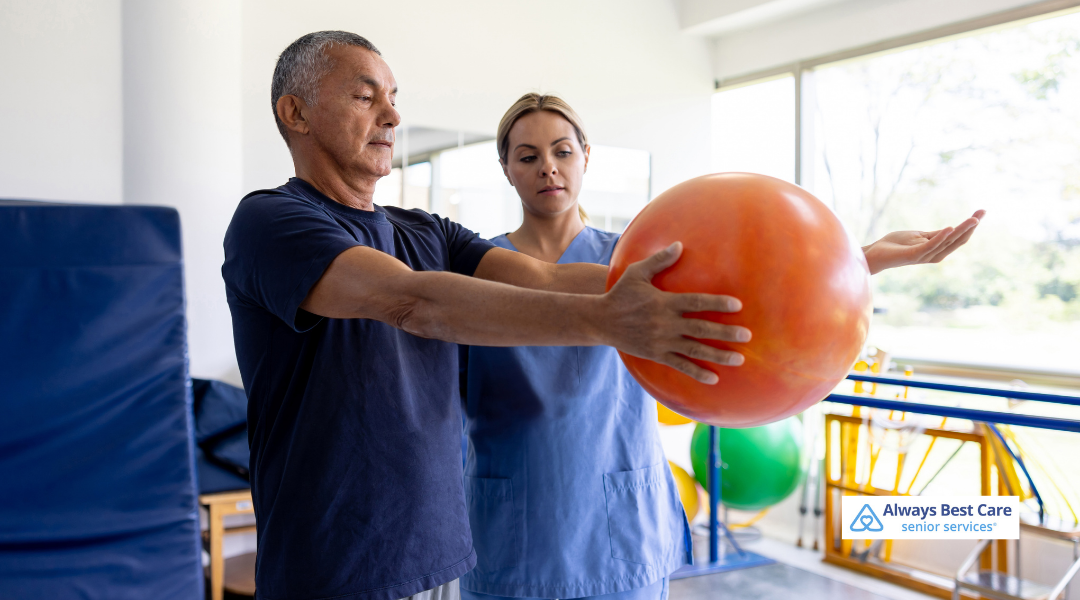
Physical therapy isn’t just about building muscle, though that’s certainly part of it. It’s a whole-body approach to helping someone relearn movement patterns and regain confidence in everyday life. A typical program might include:
- Muscle strengthening and re-education: Therapists target weakened or paralyzed muscles with repetitive exercises designed to rebuild neural connections and function.
- Gait training and balance improvement: Learning to walk steadily again is often the top priority. Specialized techniques help survivors find their footing, literally and figuratively.
- Range of motion and flexibility work: Stiff joints and tight muscles are common post-stroke. Gentle stretching keeps the body limber and ready to progress.
- Adaptive techniques for daily activities: From getting dressed to preparing a meal, therapists teach practical strategies that make everyday tasks manageable again.
- Spasticity and pain management: Muscle tightness can slow progress considerably. Hands-on techniques, positioning strategies, and targeted exercises help keep discomfort in check.
Some days will feel like two steps forward and one step back, and that’s okay. With the right support, progress adds up faster than you’d expect.
The Role of In-Home Care in Stroke Recovery
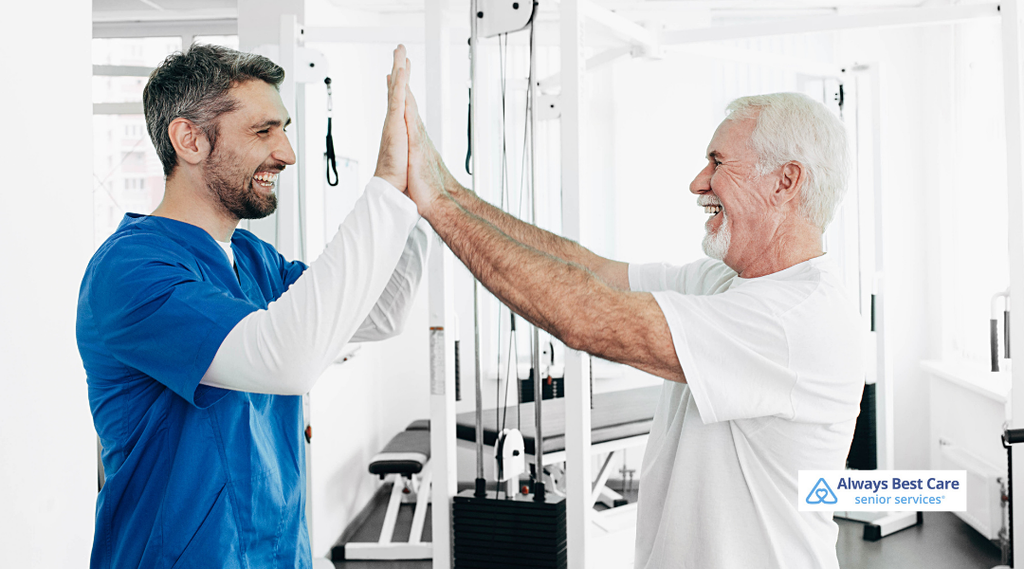
There’s something powerful about recovering in your own home. You’re surrounded by familiar faces, your favorite spot on the couch, the sounds and smells you know by heart. That comfort isn’t just nice to have; it genuinely supports healing by lowering stress and anxiety.
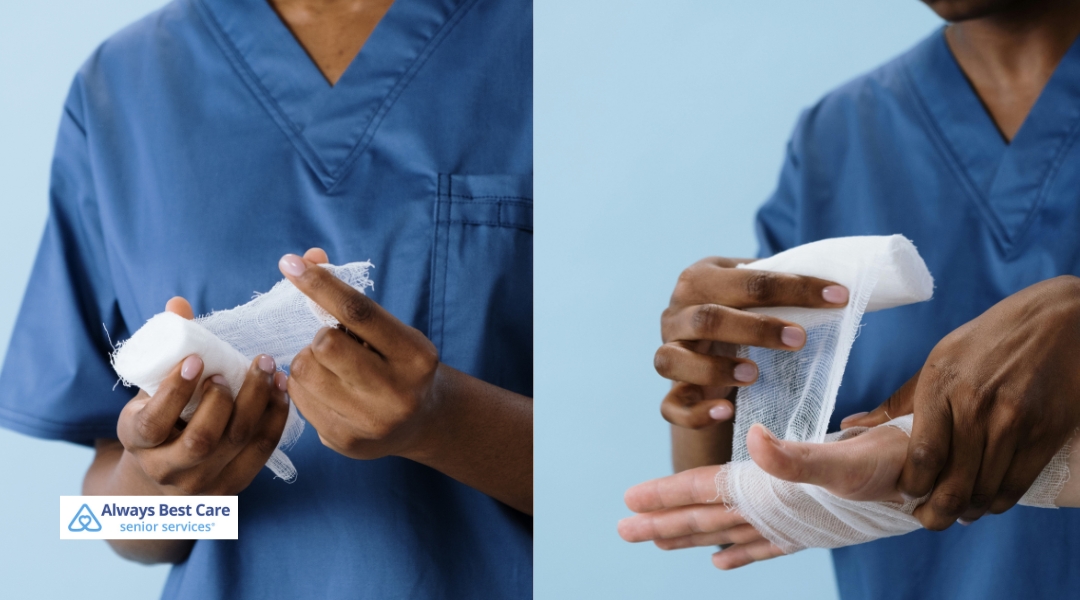
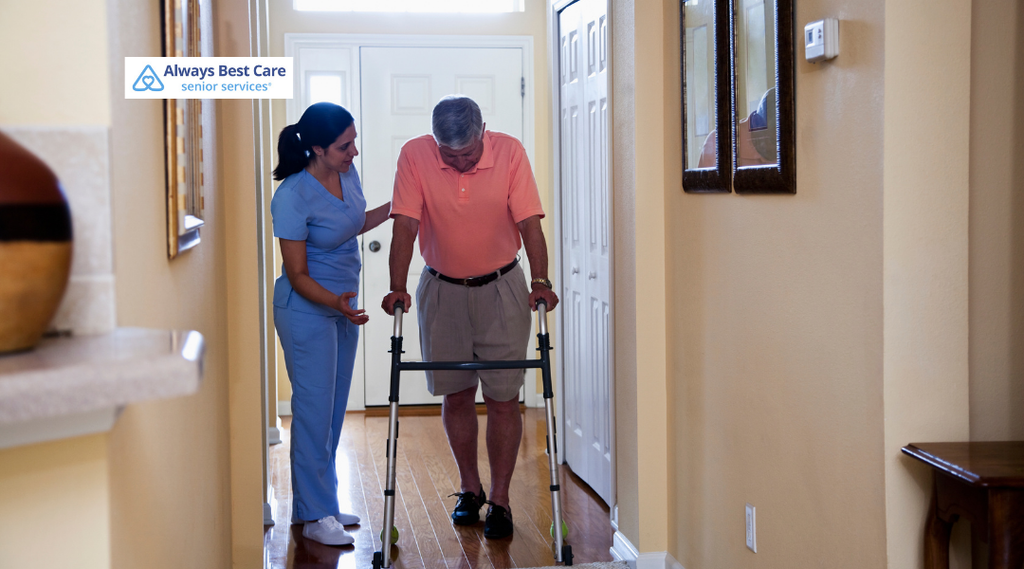
But let’s be honest: managing stroke recovery at home isn’t something most families can handle alone. That’s where professional in-home care makes all the difference. Trained caregivers bridge the gaps between therapy sessions by assisting with mobility, preventing falls, handling transportation to appointments, and helping with daily living tasks like bathing and meal prep.
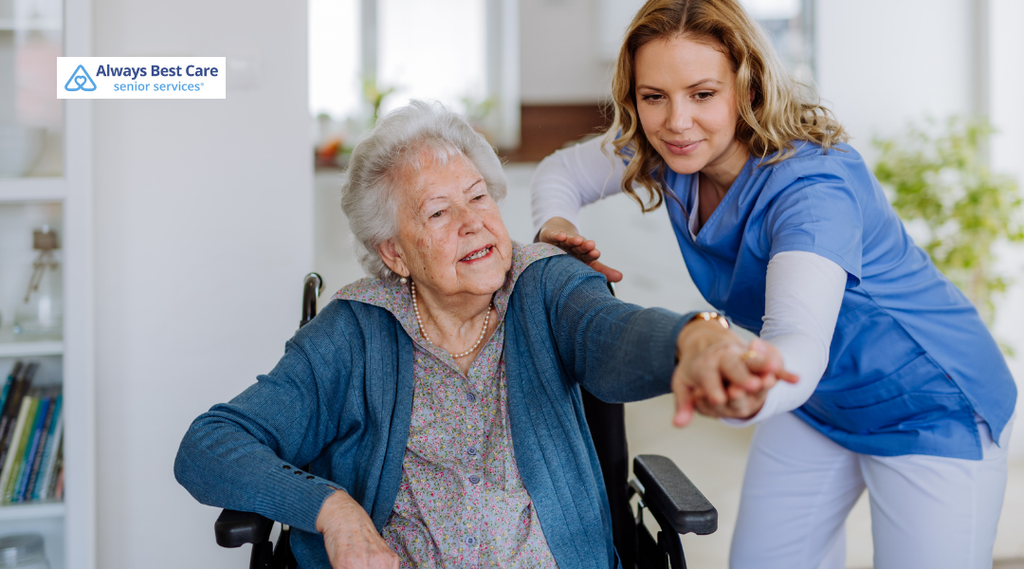
Just as importantly, caregivers provide the emotional encouragement that keeps survivors going. A kind word on a hard day, a gentle reminder to practice those exercises, a reassuring presence when frustration sets in: these things matter more than most people realize. Always Best Care’s senior care services are built to wrap around the entire recovery process, supporting both the patient and the family.
What Families Should Know About the Recovery Timeline
If there’s one thing to understand about stroke recovery, it’s this: it’s not a straight line. Some weeks bring exciting breakthroughs. Others feel like nothing’s changed at all. Plateaus, setbacks, and frustration are all part of the journey, and they’re completely normal.
Patience and consistency are your greatest allies. Celebrate the small victories, like gripping a fork again or walking a few extra steps down the hallway. Those little wins are real proof that the brain is healing.
Stay flexible with the care plan, too. As needs evolve, whether that means adjusting therapy intensity or bringing in different kinds of support, the plan should evolve right alongside them. Regular communication with the care team ensures everyone stays on the same page.
Frequently Asked Questions
Q: How soon after a stroke should physical therapy begin?
A: In most cases, therapy starts within 24 to 48 hours, often while the patient is still hospitalized. Early intervention gives the brain the best window to begin rewiring itself; Always Best Care of Bristol can help connect your family with trusted local resources to support the transition home.
Q: Can stroke patients fully recover their mobility?
A: Every stroke is different, so outcomes vary. Some survivors regain nearly all of their movement, while others achieve significant improvement with ongoing support. Consistent therapy and a strong care team make a tremendous difference; Always Best Care of Bristol provides the daily encouragement and assistance that keep progress moving forward.
Q: What’s the difference between in-home care and home health care?
A: Home health care involves skilled medical services like nursing or therapy, typically prescribed by a doctor. In-home care focuses on non-medical support: daily activities, companionship, mobility help, and more. Many stroke survivors benefit from both working together; Always Best Care of Bristol specializes in non-medical in-home care tailored to each client’s recovery needs.
Q: How can families support a loved one during stroke recovery?
A: Encourage consistency with exercises, attend therapy sessions when possible, and create a safe home environment that minimizes fall risks. Never underestimate the power of patience and emotional support; Always Best Care of Bristol is here to help families build a care plan that makes the recovery journey manageable and hopeful.
Ready to Build a Stronger Recovery Plan in Bristol?
Stroke recovery is a marathon, not a sprint, and nobody should have to run it alone. With the right team in your corner, the road ahead gets a whole lot brighter. Always Best Care of Bristol is here to walk that road with your family. Whether your loved one needs help between therapy sessions, assistance with daily tasks, or simply a caring companion by their side, our experienced team is ready. Call (860) 261-4405 today for an in-home care consultation, and let’s put together a recovery plan that truly works.
Link to the Markdown File version of this article.