

When Eating Becomes a Challenge: Supporting Senior Nutrition in Bristol

For many families in Bristol, a shift in a loved one’s eating habits can be one of the first signs that something has changed. A senior who once looked forward to meals may start skipping breakfast, pushing food around the plate, or showing little enthusiasm for eating at all. While some fluctuation in appetite is a normal part of aging, a consistent decline in food intake is worth taking seriously.
Nutrition is one of the most powerful tools for maintaining health in later life. It fuels the immune system, preserves muscle strength, supports recovery, and keeps energy levels stable. When that foundation weakens, everything else can follow.
What you will learn:
- Why does appetite loss happen in seniors, and what are the common physical, emotional, and medical factors behind it?
- The health risks associated with poor nutrition and why early attention is important.
- Simple, practical ways to make meals more appealing and encourage consistent eating habits.
- How social connection, medical support, and caregiver assistance can improve senior nutrition and overall well-being.

Table of Contents
Why Seniors Lose Their Appetite
Appetite loss in older adults rarely has a single cause. Aging brings physical changes that naturally reduce hunger — a slower metabolism, dulled senses of taste and smell, and a digestive system that processes food more gradually. But the picture is often more complex.
Common contributing factors include:
- Medication side effects that suppress hunger or alter taste
- Dental pain, ill-fitting dentures, or difficulty chewing
- Swallowing difficulties (dysphagia)
- Chronic conditions such as heart disease, diabetes, or kidney disease
- Depression, grief, or social isolation
- Cognitive decline or dementia
Because these factors frequently overlap, identifying the root cause requires careful observation and, in many cases, a conversation with a healthcare provider.
What’s at Stake: The Real Risks of Poor Nutrition
Undernutrition in seniors is more common than many families realize — and its consequences extend well beyond weight loss. When the body consistently lacks essential nutrients, the effects compound over time.
Poor nutrition in older adults is linked to:
- Loss of muscle mass and increased fall risk
- Slower wound healing and longer recovery from illness
- Weakened immune response
- Fatigue and reduced cognitive function
- Greater dependence on others for daily tasks
The goal isn’t just keeping seniors fed — it’s ensuring they receive the quality of nutrition their bodies need to stay strong and independent.

Practical Ways to Make Eating More Enjoyable
Improving nutrition doesn’t always require major changes. Often, small adjustments to how meals are prepared and presented can meaningfully increase food intake.
Strategies worth trying:
- Enhance flavor with fresh herbs, spices, and seasonings — especially helpful when taste sensitivity has declined
- Prioritize favorite foods rather than pushing unfamiliar options
- Serve smaller, more frequent meals throughout the day instead of three large ones
- Focus on nutrient density — every bite should count, so choose foods that pack protein, healthy fats, and vitamins into modest portions
- Vary colors and textures to make plates visually appealing
Smoothies, soups, and soft foods can also be excellent options for seniors who struggle with chewing or swallowing.
The Social Side of Eating
Mealtime is about more than food. For seniors living alone in Bristol, eating in isolation can quietly erode both appetite and well-being. Research consistently shows that older adults eat more — and enjoy it more — when they share meals with others.
Whether it’s a family member joining for Sunday lunch, a caregiver sitting down for a cup of tea, or a regular meal with friends, social connection at the table makes a genuine difference. If isolation is a factor in your loved one’s reduced appetite, addressing that loneliness may be just as important as adjusting what’s on the plate.

When to Seek Medical Advice
Gradual appetite changes are common, but certain signs warrant prompt attention from a healthcare provider.
Speak with a doctor if you notice:
- Unintentional weight loss over a short period
- Sudden disinterest in food that wasn’t present before
- Difficulty chewing or swallowing
- Nausea, vomiting, or persistent digestive discomfort
- Increased confusion, mood changes, or withdrawal
A physician can assess whether an underlying condition, medication interaction, or dental issue is driving the problem — and recommend appropriate next steps.
Best Foods for Seniors with Limited Appetite
When appetite is reduced, nutritional quality becomes even more important. Focus on foods that deliver maximum benefit in smaller portions.
Top choices include:
- Eggs — versatile, protein-rich, and easy to prepare
- Greek yogurt — high in protein and probiotics
- Nut butters — calorie-dense and easy to incorporate into snacks
- Lean meats and oily fish — excellent sources of protein and omega-3s
- Beans and lentils — affordable, filling, and nutrient-packed
- Avocado — healthy fats and calories in a soft, easy-to-eat form
- Fortified cereals and whole grains — support energy and digestive health
If appetite remains very low, a GP or dietitian may recommend nutritional supplements to bridge the gap.
How Always Best Care of Bristol Can Help
Maintaining consistent nutrition becomes harder when seniors live alone, manage multiple health conditions, or simply lack the energy to cook. That’s where professional home care makes a practical difference.
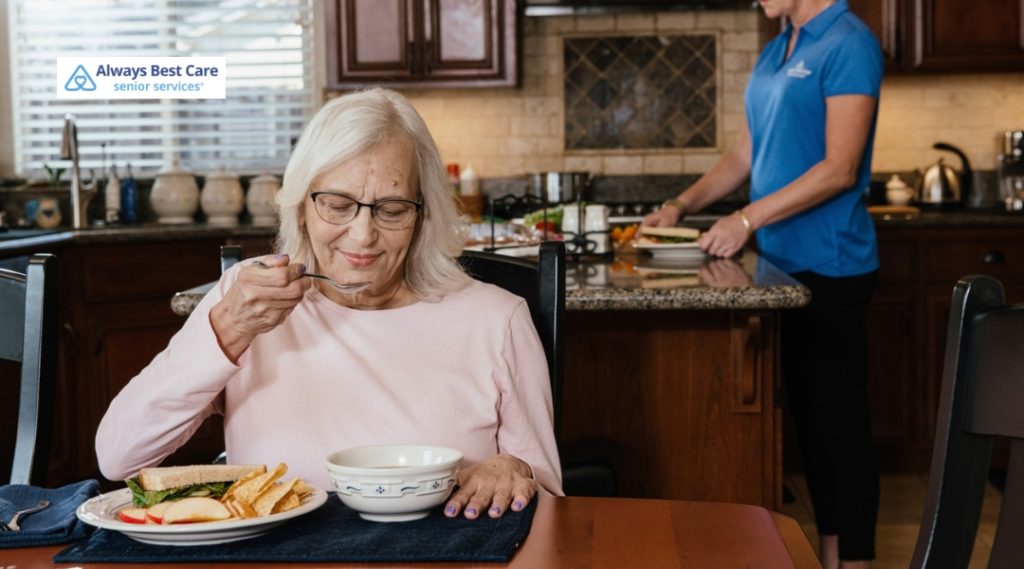
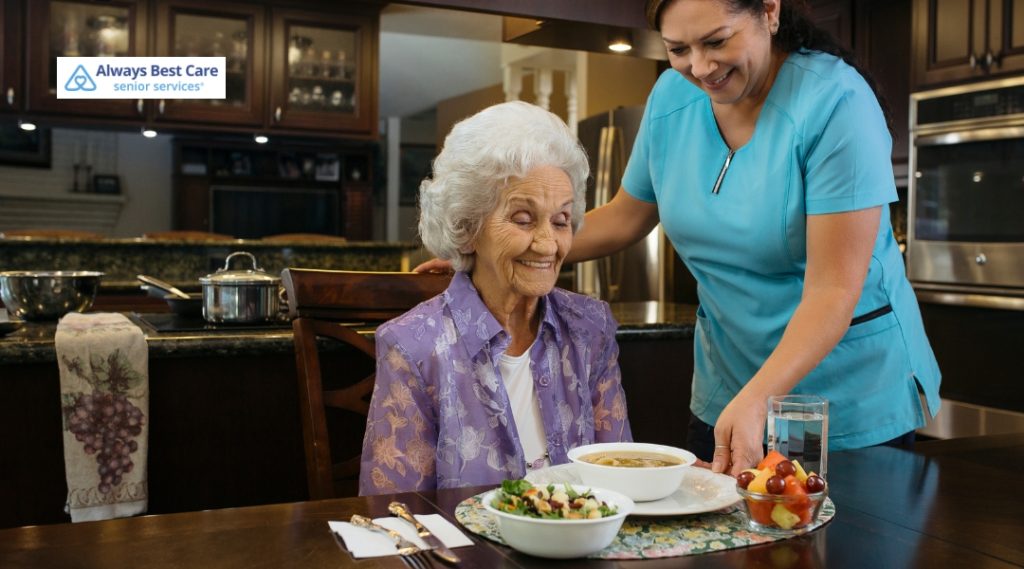
Always Best Care caregivers in Bristol provide hands-on support that makes healthy eating more achievable every day.
Our caregivers can help with:
- Meal planning and preparation tailored to individual preferences
- Grocery shopping and pantry management
- Encouraging regular hydration
- Monitoring appetite and flagging concerns to family members
- Providing companionship during mealtimes
- Supporting seniors with swallowing difficulties or dietary restrictions
Good nutrition is a cornerstone of aging well — and our team is here to help your loved one maintain it.
Frequently Asked Questions
Q: How much weight loss is a concern in seniors?
A: Any unintentional weight loss of 5% or more of body weight over six to twelve months should be discussed with a doctor. Even smaller losses can be significant if they occur rapidly or alongside other symptoms.
Q: Are nutritional supplements a good solution for seniors who aren’t eating enough?
A: Supplements can help bridge nutritional gaps, but they work best as a complement to real food rather than a replacement. A GP or registered dietitian can recommend appropriate options based on your loved one’s specific needs.
Q: Can depression cause appetite loss in older adults?
A: Yes. Depression is one of the most common — and most overlooked — causes of appetite decline in seniors. If your loved one seems withdrawn, disinterested in activities they once enjoyed, or persistently low in mood, it’s worth raising with their healthcare provider.
Q: What if my loved one refuses to eat?
A: Persistent refusal to eat can be distressing for families. Try removing pressure around mealtimes, offering small amounts of preferred foods, and making the eating environment as relaxed and social as possible. If refusal continues, consult a doctor to rule out medical or psychological causes.
Q: How can a home caregiver support better nutrition?
A: A caregiver can assist with grocery shopping, meal preparation, and encouraging regular eating throughout the day. Equally important, they provide companionship — which research shows directly improves appetite and food intake in older adults.
Help Your Loved One Eat Well Again
Call Always Best Care of Bristol today at (860)544-5027 to schedule a care consultation and learn how our caregivers can help your loved one eat well and thrive at home.
Link to the Markdown File version of this article.