
Beyond the Diagnosis: How In-Home Care Helps Bristol Residents Live Independently

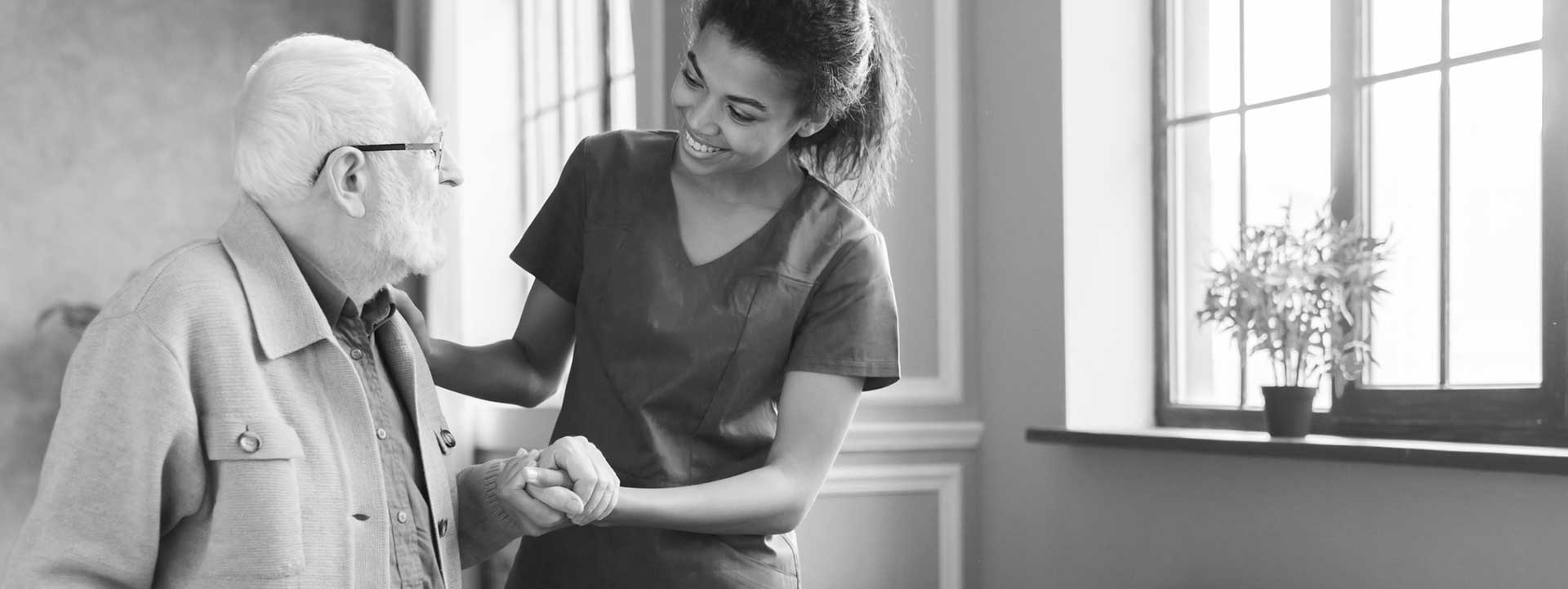
Home is more than four walls. For most seniors, it represents decades of memories, established routines, and a deep sense of belonging. A chronic illness diagnosis does not erase that — and for many older adults, it does not have to mean leaving home either.
Conditions like heart disease, diabetes, COPD, Parkinson’s, and arthritis are common among seniors, but they are not automatic disqualifiers for independent living. With the right in-home care support, many older adults continue to thrive at home — safely and on their own terms.
What you will learn:
- Why staying home can actually improve health outcomes for seniors living with chronic conditions.
- The everyday challenges chronic illness creates and how in-home care fills those gaps with personalized support.
- How consistent caregiving prevents small health setbacks from becoming serious emergencies.
- The emotional benefits of companionship and how in-home care nurtures both body and spirit.
Table of Contents
Why Aging in Place Matters for Seniors with Chronic Conditions
Research consistently shows that seniors recover faster, experience less stress, and report higher satisfaction when they remain in familiar environments. For those managing chronic illness, this matters even more. Disrupting established routines — moving to a facility, adjusting to new surroundings — can actually worsen health outcomes.
Aging in place is not just a preference. For many seniors, it is a meaningful part of maintaining dignity and identity.

The Real Challenges Chronic Illness Creates at Home
Living with a long-term health condition introduces daily complications that go beyond the medical. Seniors often face:
- Medication complexity — Multiple prescriptions with different schedules, dosages, and dietary interactions
- Reduced mobility or chronic pain — Making basic tasks like cooking, bathing, or getting dressed physically demanding
- Fatigue — Leaving little energy for household upkeep or social engagement
- Fall risk — Particularly for those with balance issues, neuropathy, or post-stroke weakness
- Appointment management — Coordinating transportation and follow-up care without reliable support
- Emotional strain — Anxiety, depression, and loneliness are significantly more common among seniors with chronic illness
These challenges are real, but they are also manageable — with the right help in place.
How In-Home Care Addresses These Challenges Directly
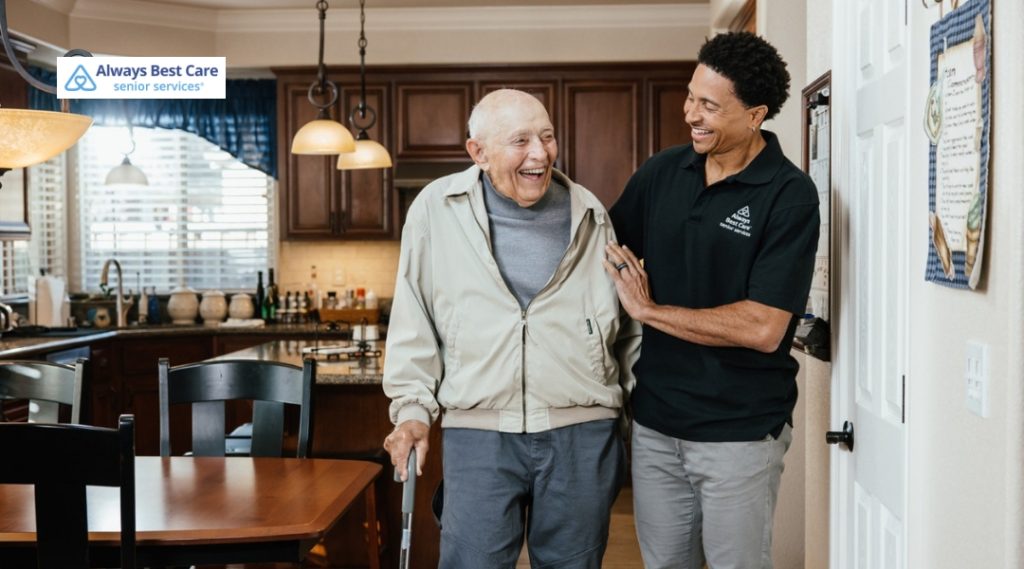
In-home care is not a one-size-fits-all solution. It is built around the individual. Caregivers work alongside seniors and their families to identify specific needs and fill gaps — without overstepping or undermining independence.
Practical daily support includes:
- Personal care assistance (bathing, grooming, dressing)
- Meal planning and preparation tailored to dietary restrictions
- Medication reminders to keep treatment plans on track
- Light housekeeping and laundry
- Grocery shopping, errands, and transportation to medical appointments
- Companionship and social engagement
The goal is not to take over — it is to ensure seniors can keep doing what they value most, with less risk and effort.
Consistency Is the Cornerstone of Chronic Illness Management
One of the most underappreciated aspects of in-home care is how it supports health consistency. Chronic conditions rarely worsen overnight. They deteriorate gradually — often because of small, repeated gaps in care. A missed medication here, a skipped meal there, a doctor’s appointment that never got scheduled.
In-home caregivers help close those gaps by:
- Reinforcing prescribed medication schedules
- Ensuring seniors eat balanced, condition-appropriate meals
- Encouraging hydration and physician-approved physical activity
- Keeping track of upcoming appointments and arranging transportation
This kind of steady, day-to-day support is what prevents minor issues from escalating into hospitalizations.
Early Warning Signs: A Caregiver’s Hidden Value
One of the most significant — and often overlooked — benefits of in-home care is proximity. A caregiver who spends regular time with a senior is positioned to notice subtle changes that family members or physicians might miss.
Warning signs caregivers are trained to watch for include:
- Decreased appetite or unexplained weight loss
- Increased fatigue or unusual lethargy
- Difficulty walking, new unsteadiness, or recent falls
- Shortness of breath or changes in breathing patterns
- Swelling in the legs or ankles
- Confusion, memory lapses, or behavioral shifts
Catching these signs early allows families to contact healthcare providers before a manageable symptom becomes a medical emergency. This proactive approach is one of the strongest arguments for in-home care — and one of the clearest ways it reduces hospital readmissions.

The Emotional Side of Chronic Illness
Physical health and emotional health are deeply connected, and chronic illness puts both at risk. Many seniors experience grief over lost abilities, frustration with new limitations, and genuine loneliness — especially if mobility issues reduce their ability to socialize.
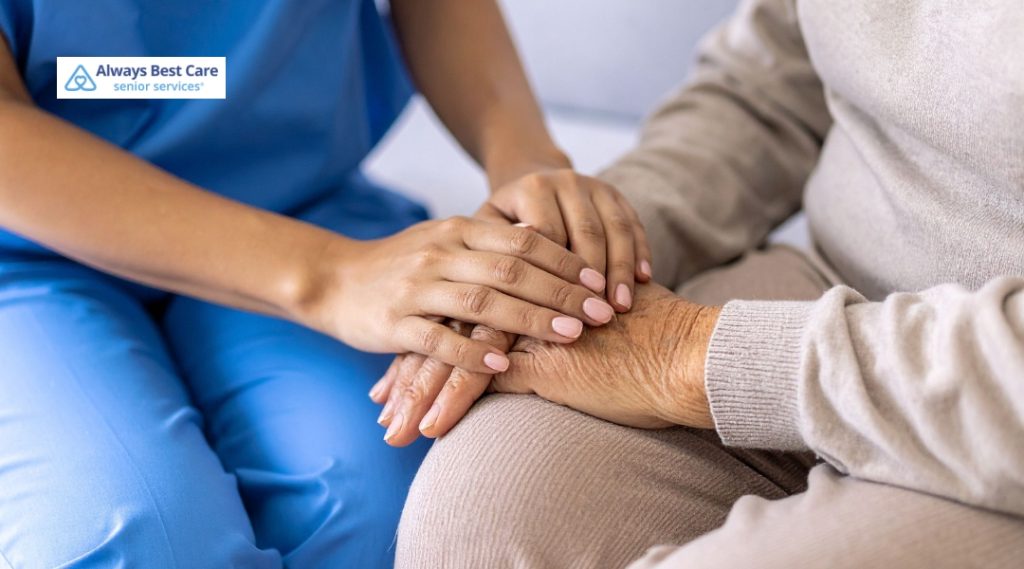
In-home caregivers provide more than task support. Regular companionship — sharing a meal, taking a short walk, talking through the day — has a measurable impact on mood, cognitive engagement, and overall quality of life. For families, having a trusted professional present also reduces caregiver burnout and brings genuine peace of mind.
How Always Best Care of Bristol Supports Seniors with Chronic Illness
At Always Best Care of Bristol, we understand that no two seniors are alike. Our care plans are built around each individual — their health conditions, daily routines, personal preferences, and long-term goals.
Whether your loved one is managing diabetes, recovering from a stroke, living with COPD, or navigating multiple conditions at once, our caregivers provide compassionate, consistent support designed to keep them safe, comfortable, and independent at home.
From medication reminders and meal preparation to transportation and companionship, we are here for the full picture — not just the medical checklist.
A chronic illness changes how a senior lives. It does not have to change where they live.
Call Always Best Care of Bristol at (860)544-5027 to schedule a care consultation and learn how we can help your loved one age in place with confidence.
Frequently Asked Questions
Q: What types of chronic illnesses can in-home care support?
A: In-home care can support a wide range of conditions, including heart disease, diabetes, COPD, Parkinson’s disease, arthritis, stroke recovery, and more. Care plans are customized to each senior’s specific diagnosis, treatment plan, and daily needs.
Q: Is in-home care a replacement for medical treatment?
A: No. In-home caregivers are not medical professionals and do not replace doctors, nurses, or therapists. They provide non-medical support — such as personal care, companionship, and medication reminders — that complements a senior’s existing medical care.
Q: How do I know if my loved one needs in-home care?
A: Common signs include difficulty managing daily tasks independently, missed medications, increased risk of falls, recent hospitalizations, or noticeable changes in mood or behavior. A care consultation can help assess the level of support needed.
Q: Can in-home care reduce the risk of hospitalization?
A: Yes. Consistent in-home care helps seniors stick to their treatment plans, maintain healthy routines, and catch early warning signs before they escalate. This proactive support is directly linked to fewer emergency visits and hospital readmissions.
Q: How is an in-home care plan created?
A: Care plans are developed in collaboration with the senior, their family, and the care team. They take into account the senior’s health conditions, daily routine, personal preferences, and goals — and can be adjusted over time as needs change.
Q: What is the difference between in-home care and assisted living?
A: In-home care allows seniors to remain in their own homes while receiving personalized support. Assisted living involves relocating to a facility. Many seniors and families prefer in-home care because it preserves independence, routine, and the comfort of a familiar environment.
Add Markdown file to published article