

When Blood Sugar Levels Shift: What Bristol Families Should Watch for in Aging Loved Ones
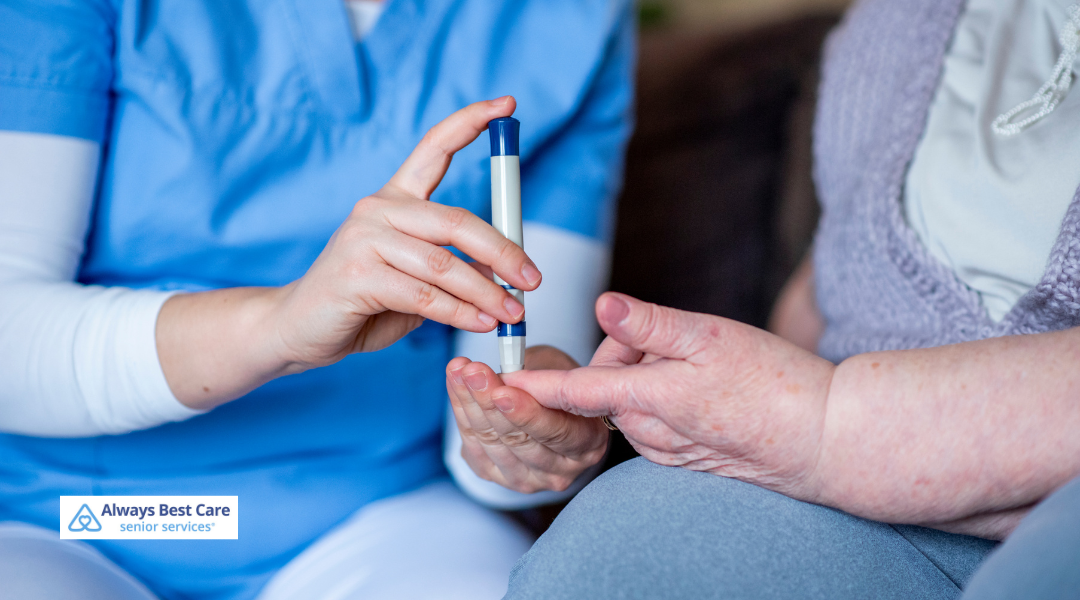
As people age, managing blood sugar becomes more complex — and the stakes get higher. For older adults living with diabetes, even small disruptions in routine can trigger significant swings in glucose levels. Families and caregivers in Bristol who understand the warning signs are better equipped to respond quickly and prevent serious complications.
What you will learn:
- Why blood sugar management becomes more complex as your loved one ages, and what makes diabetes uniquely challenging for older adults.
- How to recognize the warning signs of both low and high blood sugar, even when symptoms don’t look the way you’d expect.
- Simple, consistent routines families can build to help keep a senior’s glucose levels stable and safe every day.
- When it’s time to bring in extra support at home, and how professional caregiving can make a real difference in diabetes management.

Table of Contents
The Unique Challenge of Diabetes in Older Adults
Diabetes doesn’t behave the same way at 75 as it does at 45. Aging brings a cascade of physiological changes — slower kidney function, reduced appetite, decreased physical activity, and often multiple medications — all of which interact with blood sugar in unpredictable ways.
What makes this especially tricky is that older adults may not experience the classic warning signs of high or low blood sugar the same way younger people do. The body’s ability to sense and respond to glucose changes can diminish with age, meaning a dangerous episode can develop quietly before anyone realizes something is wrong.
Dealing with diabetes in later life also often means navigating memory changes, mobility limitations, and complex medication schedules — all at once. This is why family involvement and consistent home support are so critical.
Recognizing Low Blood Sugar (Hypoglycemia)
Hypoglycemia occurs when blood glucose drops below a safe threshold. It can come on quickly and, in older adults, may be triggered by:
- Skipping or delaying meals
- Taking too much insulin or certain diabetes medications
- Increased physical activity without adjusting food intake
- Illness or infection
Symptoms to watch for:
- Shaking or trembling
- Sudden sweating
- Dizziness or lightheadedness
- Unexplained hunger
- Headache
- Irritability or mood changes
- Difficulty concentrating or following a conversation
- Confusion or disorientation
- Unsteady gait or coordination problems
One of the most important things families should know: in older adults, hypoglycemia can easily be mistaken for fatigue, dementia symptoms, or simply “having a bad day.” Sudden behavioral changes, confusion, or unusual weakness should always prompt a blood sugar check — not a shrug.
Severe hypoglycemia can lead to seizures, loss of consciousness, or falls. This is a medical emergency requiring immediate attention.
Recognizing High Blood Sugar (Hyperglycemia)
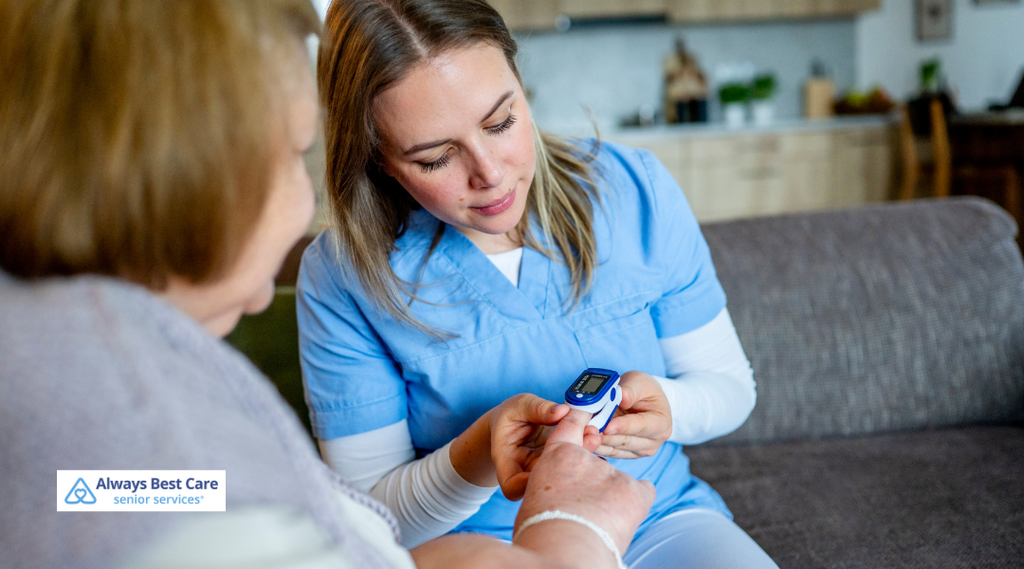
Unlike low blood sugar, hyperglycemia tends to develop gradually, which makes it easier to overlook. Blood sugar can climb over hours or days before symptoms become obvious.
Common signs include:
- Increased thirst that doesn’t go away
- Frequent urination, especially at night
- Blurred or worsening vision
- Persistent fatigue or weakness
- Headaches
- Unexplained weight loss
- Wounds or cuts that are slow to heal
- Recurring infections (urinary tract, skin, or gum infections)
Chronically elevated blood sugar causes cumulative damage to blood vessels and nerves, increasing the risk of kidney disease, vision loss, cardiovascular disease, and neuropathy. In acute cases, dangerously high blood sugar can cause diabetic ketoacidosis (DKA) or hyperosmolar hyperglycemic state (HHS) — both life-threatening emergencies requiring immediate hospitalization.
If your loved one shows sudden severe confusion, difficulty breathing, extreme weakness, or loses consciousness, call emergency services immediately.
What Families Can Do: Know Your Loved One’s Baseline
You don’t need a medical degree to be an effective advocate for a senior with diabetes. The most valuable thing you can do is know what “normal” looks like for your loved one — and notice when something shifts.
Ask yourself:
- Is my loved one more tired or irritable than usual?
- Are they drinking more water or using the bathroom more frequently?
- Have they seemed confused or unsteady lately?
- Are they eating and taking medications consistently?
Small deviations from routine can be meaningful. If your loved one has diabetes, work with their healthcare provider to establish clear guidelines: What are their personal blood sugar targets? When should you call the doctor? What symptoms require emergency care?
Having those answers written down and accessible — for family members, caregivers, and the senior themselves — can make all the difference in a critical moment.
Building Routines That Support Stable Blood Sugar
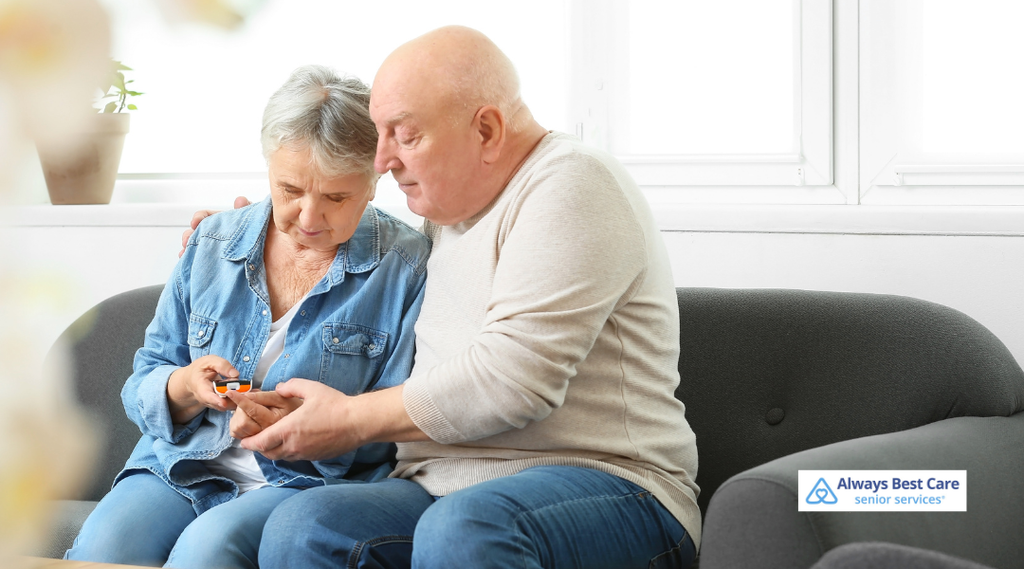
Consistency is one of the most powerful tools in diabetes management. Predictable routines help keep glucose levels stable and reduce the risk of both highs and lows.
A strong daily routine for a senior with diabetes may include:
- Meals and snacks at consistent times each day
- Medications taken exactly as prescribed, at the right times
- Blood glucose monitoring as directed by their healthcare provider
- Adequate hydration throughout the day
- Appropriate physical activity, tailored to their mobility and health status
- Regular medical appointments, including A1C checks and specialist visits
Families should also maintain an up-to-date list of all medications and supplements the senior takes — including over-the-counter products — and share it with every healthcare provider involved in their care. Drug interactions can significantly affect blood sugar management.
When Memory or Mobility Gets in the Way
Managing diabetes well requires remembering a lot: when to eat, when to take medications, when to check blood sugar, and when to call the doctor. For seniors experiencing cognitive decline, this can become genuinely overwhelming.
Physical limitations add another layer of difficulty. Arthritis can make it hard to operate a glucose meter. Vision changes can make reading medication labels or food packaging difficult. Reduced mobility can limit access to healthy food or medical appointments.
These challenges don’t mean good diabetes management is impossible — but they do mean that extra support is often necessary. Recognizing when a senior needs help is not a failure; it’s a proactive step toward keeping them safe.
When these barriers are present, in-home support isn’t just helpful; it’s often essential for safe diabetes management.

How Always Best Care of Bristol Can Help
Living well with diabetes is about far more than blood sugar numbers. It’s about maintaining the daily habits — consistent meals, hydration, activity, medication adherence, and medical follow-through — that keep glucose levels stable over time.
Always Best Care of Bristol caregivers provide hands-on support with exactly these day-to-day needs. This includes preparing nutritious meals on a consistent schedule, providing medication reminders, encouraging safe physical activity, assisting with transportation to medical appointments, and keeping family members informed of any changes in their loved one’s condition.
For seniors who qualify for home health services, licensed healthcare professionals can provide clinical support — including glucose monitoring, wound care, and coordination with the senior’s physician — as part of a personalized care plan.
Helping Your Loved One Stay Safe with Diabetes in Bristol
Blood sugar can change quickly, and older adults don’t always recognize the warning signs. An attentive family member or trained caregiver can make the difference between a manageable situation and a medical emergency.
If your loved one has diabetes and could benefit from additional support at home, Always Best Care of Bristol is here to help. Contact Always Best Care of Bristol at (860)544-5027 to schedule a care consultation and learn how our team can support safer routines, greater independence, and a better quality of life.
Frequently Asked Questions
Q: How is diabetes management different for older adults compared to younger people?
A: Older adults often have multiple health conditions, take several medications, and experience age-related changes in kidney function, appetite, and cognition — all of which affect blood sugar. They may also have a reduced ability to sense hypoglycemia symptoms, making monitoring and caregiver involvement especially important.
Q: What blood sugar levels are considered dangerous for seniors?
A: This varies by individual and should be determined by a healthcare provider. Generally, blood sugar below 70 mg/dL is considered low (hypoglycemia), and above 180 mg/dL after meals may indicate hyperglycemia. Seniors often have individualized targets that account for their overall health status.
Q: Can a senior with diabetes live independently?
A: Many seniors with diabetes live independently with the right support systems in place — including regular monitoring, consistent routines, and periodic check-ins from family or professional caregivers. When memory or mobility challenges arise, in-home care can help bridge the gap.
Q: What should I do if I think my loved one’s blood sugar is dangerously low?
A: If they are conscious and able to swallow, give them a fast-acting source of sugar (such as 4 oz of juice or regular soda, or glucose tablets). Recheck blood sugar in 15 minutes. If they are unconscious, having a seizure, or cannot swallow safely, call emergency services immediately.
Q: How often should a senior with diabetes have their blood sugar checked?
A: Frequency depends on the type of diabetes, medications, and overall health. A healthcare provider will recommend a monitoring schedule. Family members and caregivers should be aware of this schedule and help ensure it’s followed consistently.
Q: What role can a home caregiver play in diabetes management?
A: A trained home caregiver can assist with meal preparation, medication reminders, hydration, transportation to appointments, and observing changes in the senior’s condition. They are not a substitute for medical care, but they play a vital role in maintaining the daily routines that support stable blood sugar.