

Make the Week Feel Less Repetitive: Senior Mental Health in Bristol

A little anticipation can put a welcome marker in the day or week. A senior might look forward to a family meal, a visit from grandchildren, or a quiet afternoon with a favorite hobby. Simple daily routines, like enjoying morning coffee, tending to plants, or calling a friend, can also offer comfort and a sense of purpose.
For older adults in Bristol, these moments can feel especially valuable after retirement, the loss of a spouse, or changes in health and mobility. When days begin to run together, familiar routines, connection, and enjoyable activities can help bring back interest and support emotional well-being.
What You Will Learn
- How looking forward to meaningful plans supports well-being.
- Ways to find purpose after a major life change.
- How to adapt hobbies to changing interests and abilities.
- Ways to stay socially connected without overloading the calendar.
Table of Contents
A Reason to Look Ahead and Support Senior Mental Health
An activity can be enjoyable before it begins. Thinking about a lunch with friends, a family visit, a community event, or book club can add something to anticipate. Planning gives a person a chance to remember dates, choose what they’d like, and organize a few details, which also keeps the mind engaged.
No plan can promise to prevent depression or memory loss. Meaningful activities can still make daily life more interesting and emotionally rewarding.

Purpose After Work and Changing Routines
Work often provides a rhythm of tasks, responsibilities, social contact, and achievement. Retirement may bring freedom, but it can also leave a gap as familiar routines change. Similar adjustments may happen when someone stops driving, faces physical challenges, or participates in fewer community activities.
Some older adults find a new role in volunteering, mentoring, a faith group, or family traditions. Others enjoy gardening, tending plants, learning, or a creative project. The activity doesn’t need to be ambitious. A sense of meaning and a reason to stay involved are what matter.
Hobbies Can Change Along with Interests
A favorite activity can bring focus, creativity, learning, or a little problem-solving into the day. Cooking might involve trying a new recipe. Someone interested in family history could organize photos or look into relatives’ stories. Music, painting, woodworking, puzzles, and writing are other ways to stay engaged.
Enjoyment matters more than skill. If an activity that once felt easy becomes difficult because of vision changes, arthritis, or less energy, a simpler version may help. Adjusting a hobby can keep it pleasant and reduce frustration.
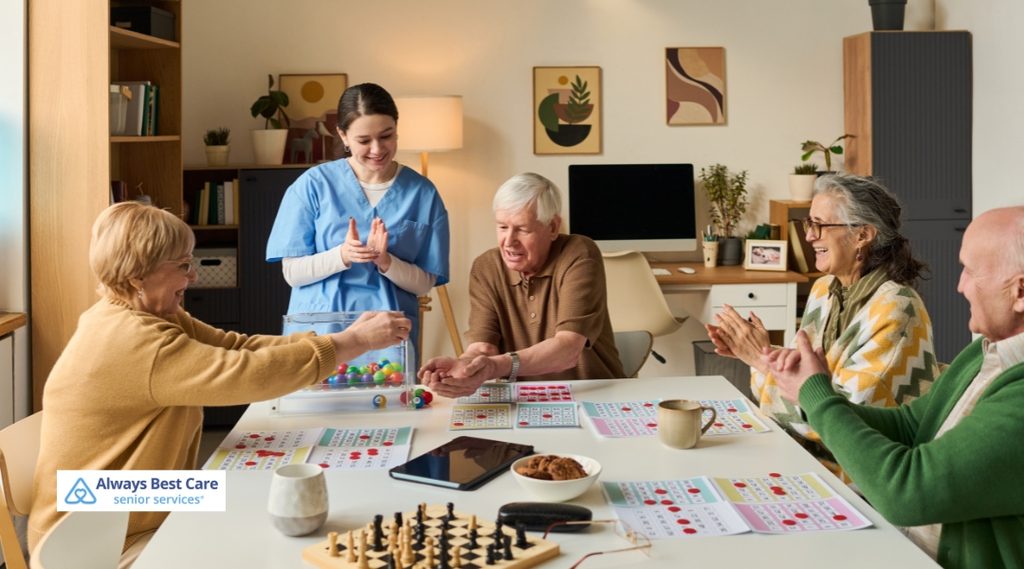
Make Time for People, Too
Social circles can become smaller as friends move or loved ones pass away. Getting together may also take more effort if transportation or mobility is a concern. Regular invitations can help maintain important relationships and give a senior a chance to meet others.
Try planning:
- Coffee or lunch with a friend
- A visit with grandchildren or other relatives
- A class or group activity in the community
- A phone or video chat at a regular time
- A faith gathering or volunteer opportunity
Even an ordinary afternoon visit can give someone in Bristol a familiar bright spot each week.
Keep the Schedule Gentle
Not every older adult has the energy, resources, or desire for frequent outings. A favorite TV show, a Sunday phone call, a trip to the library, or baking at home can carry just as much meaning.
Ask your loved one which activities sound good rather than planning everything for them. Letting them help decide supports independence and makes it easier to match plans to their interests. Keep some open time for rest and quiet; a full schedule can be tiring.

How Always Best Care of Bristol Can Help
For an older adult who lives alone or has trouble leaving home, staying socially active can be challenging. Family members may want to help while balancing work and other duties.
We can offer companionship and practical support that makes daily activities easier to enjoy. That may mean providing a ride to an event, joining someone on an outing, helping with a favorite hobby, or sharing a chat over coffee. Our caregivers respect each person’s interests and abilities. Regular companionship can turn a friendly visit or hobby into something to look forward to.
Frequently Asked Questions
What if a senior prefers small, familiar activities?
That’s a good place to start. A phone call, favorite show, hobby, or visit can offer a pleasant plan without requiring a major outing.
How can families help someone regain a sense of purpose?
Ask what feels enjoyable or worthwhile, then make it easier to take part if help is wanted. Volunteering, mentoring, family traditions, gardening, learning, and creative work are all possibilities.
Do planned activities prevent depression or memory loss?
No, they can’t guarantee that. Meaningful activities may add interest and emotional reward, while concerns about mood or memory loss should be raised with a health professional.
How do we know if there are too many plans?
Pay attention to whether activities feel tiring and leave open time for rest. Ask your loved one what pace feels comfortable, and adjust the schedule together.

Bring More Joy to Each Day
A meaningful week doesn’t need a packed calendar. In Bristol, families can help older adults keep connections going, adapt favorite hobbies, and find purpose in everyday routines. A few choices made together can bring more variety and something pleasant to anticipate.
If your loved one could use companionship and help staying socially active, call Always Best Care of Bristol at (860)544-5027 to discuss a care consultation.