
Bristol Families: Spotting Senior Scam Red Flags Before It’s Too Late
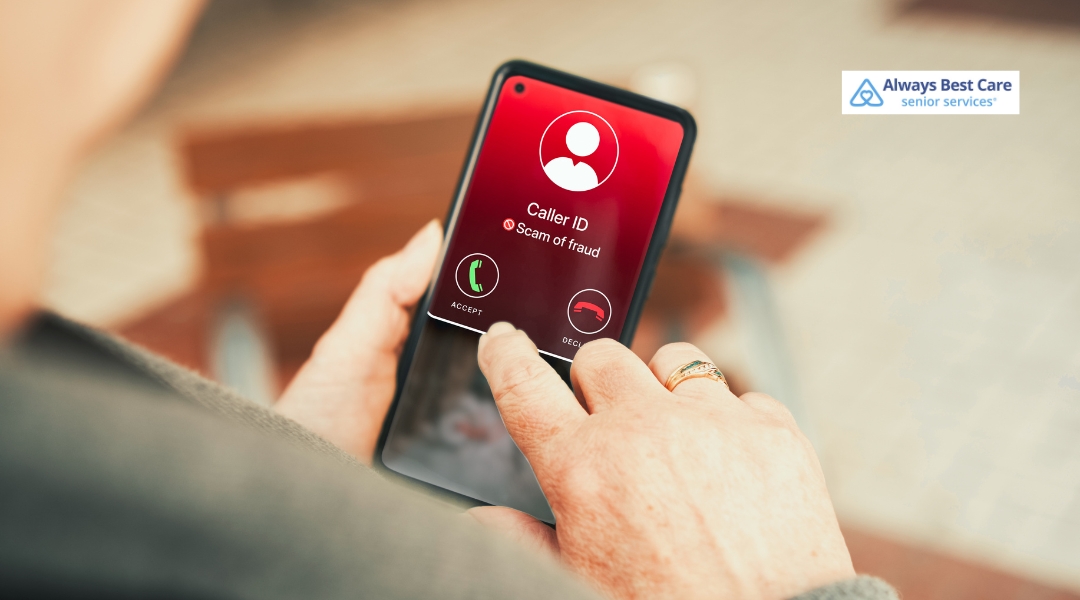
Scams aimed at older adults aren’t just annoying—they can be downright devastating. In Bristol and beyond, crooks are getting craftier, using smooth talk, fake stories, and tech tricks to squeeze money and personal details out of seniors.
But here’s the silver lining: once we know what these schemes look like, they lose a lot of their power. By staying alert and talking openly, we can help our loved ones avoid heartache, financial loss, and lingering worry.
What you will learn:
- Why our precious older adults are so frequently targeted, and the most common sneaky tricks scammers are using in Bristol.
- The telltale red flags and warning signs that will help you spot a scam before it causes any harm.
- Heartwarming, proactive ways your family and dedicated in-home caregivers can team up to build a wonderful protective shield around your cherished relatives.
- Gentle, clear action steps to take with love and confidence if you ever suspect a scammer has contacted your sweet family member.
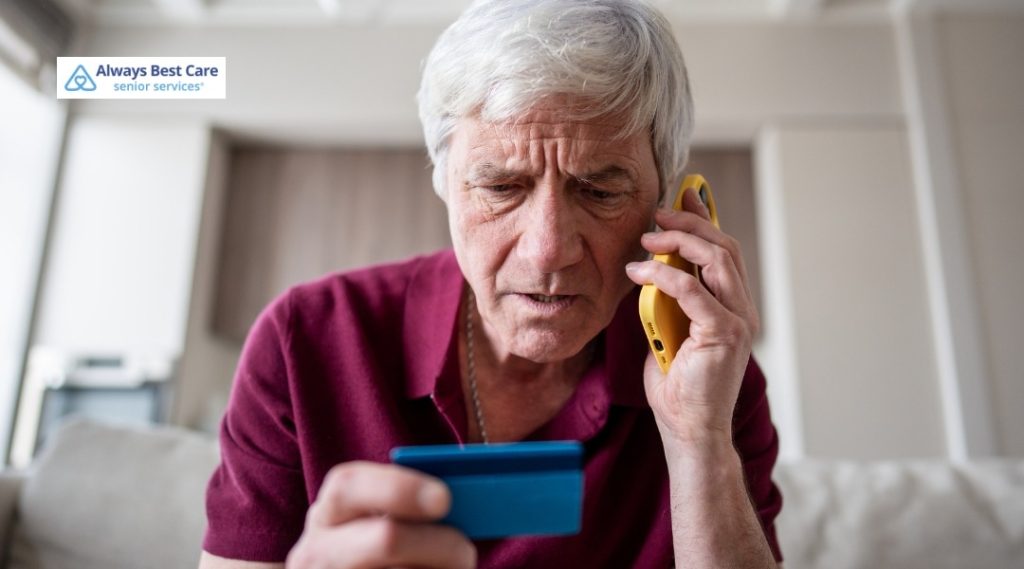
Table of Contents
Why Are Seniors So Often Targeted?
It’s not that older adults are “easy marks,” but scammers know where to push and how to push it. They often zero in on seniors because many:
- They are naturally trusting and polite, even with strangers
- Have savings, pensions, or a steady income that scammers want
- May live alone or have fewer day-to-day visitors
- Aren’t as familiar with digital tricks, online scams, or fake websites
With those factors in play, it becomes simpler for a scammer to build fake trust and twist a situation in their favor. And once they sense vulnerability, they rarely let go without trying to cash in.
Common Types of Senior Scams in Bristol
Scammers are nothing if not creative. Still, many of their favorite scams follow familiar patterns. Knowing these can help us spot trouble early.
Phone Scams
The phone rings, and the caller sounds official—or desperate. They might claim to be:
- A government or council representative
- A utility company warns about disconnection
- A grandchild or relative “in trouble” needing money right now
They usually push for urgent action, insisting your loved one must pay immediately or share personal details on the spot. No time to think, no time to verify—that’s their game.
Email and Phishing Scams
Those emails or texts that look “official” can be wolves in sheep’s clothing. Messages may seem to come from:
- Banks or building societies
- Healthcare providers
- Well-known companies or delivery services
They often include links to fake websites that quietly scoop up passwords, bank details, or ID information, all while looking almost real.
Sweepstakes and Lottery Scams
“Congratulations, you’ve won!” Sounds nice, right? Except there’s a catch:
Your loved one is told they must pay a fee or tax upfront to receive their “winnings.” The truth? There’s no prize at all—only money flowing out instead of in.
Romance Scams
Online companionship can be genuine, but scammers also use it as a hunting ground. They:
- Build emotional connections over weeks or months
- Share dramatic stories or “emergencies.”
- Eventually ask for money, gift cards, or bank transfers
By the time the request comes, the emotional hook is deep, and saying no can feel cruel—even though it’s the safest choice.
Tech Support Scams
A pop-up screams that the computer is infected. A caller claims to be from “tech support.” They might:
- Offer to “fix” a fake problem
- Ask for remote access to the computer
- Request payment for repairs that aren’t needed
Once they’re in, they can harvest passwords, install harmful software, or quietly move money.
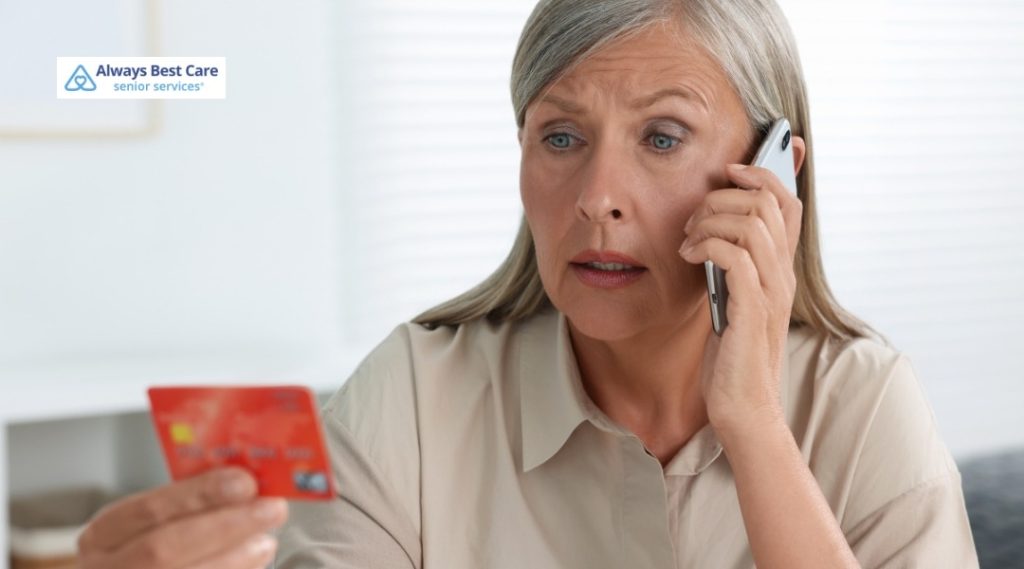
Warning Signs of a Senior Scam
Most scams share common red flags. If we keep an eye out, we can spot trouble before it snowballs.
Watch closely for:
- Pressure for immediate payment or fast decisions
- Demands for gift cards, wire transfers, or cryptocurrency
- Unsolicited calls, texts, or emails asking for personal or financial details
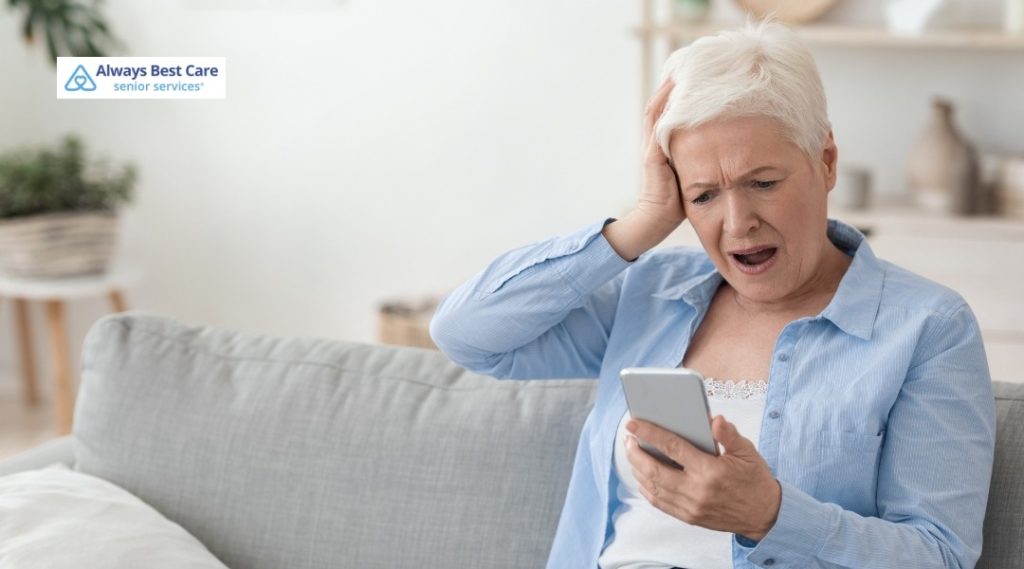
- Messages that try to stir fear, panic, or guilt
- Requests to keep the conversation or payment secret from family
If something feels off, that gut feeling usually isn’t wrong. It’s perfectly okay—wise, even—to pause, hang up, or double-check with someone you trust.
How Families in Bristol Can Help Protect Loved Ones
Scam prevention is truly a team effort. Families can make a huge difference with a bit of time, conversation, and gentle follow-through.
Helpful steps include:
- Talking openly about common scams and recent stories in the news
- Encouraging seniors to verify any request that involves money or personal information
- Reviewing bank and card accounts for unusual or unexplained activity
- Setting up call blocking, caller ID, and email filters to cut down on spam
- Asking loved ones to check with a trusted family member before sending money or sharing details
Most of all, keeping the door open for questions—without judgment—can help a senior feel safe admitting, “Something about this doesn’t sit right. What do you think?”
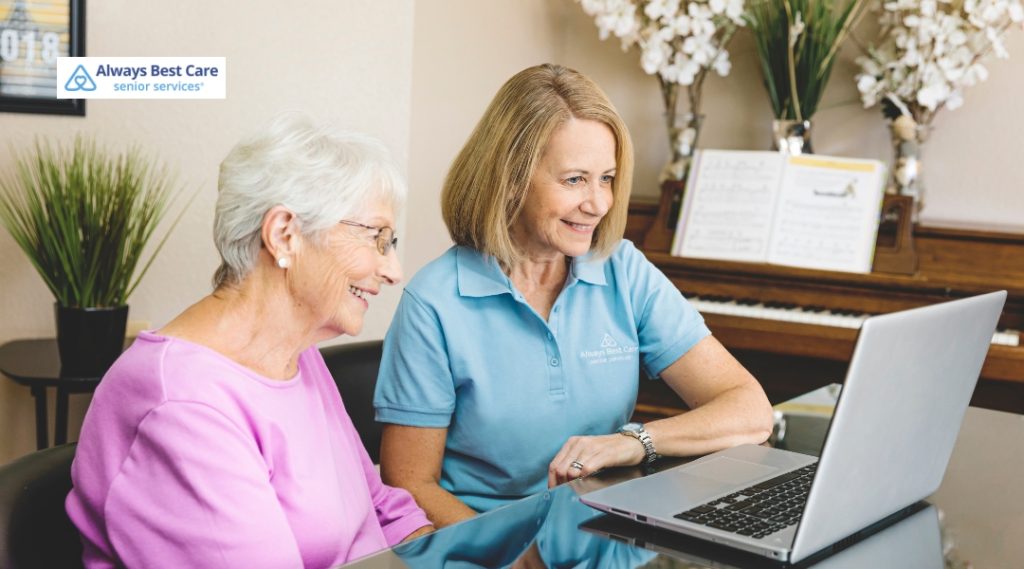
How In-Home Care Can Help Prevent Scams
Day-to-day support at home does more than cover meals and medication reminders. It can also act as a quiet but powerful shield against scammers.
At Always Best Care of Bristol, we see firsthand how regular companionship and watchful support can reduce risk. We:
- Help screen unexpected calls or visitors
- Notice changes in spending, mood, or worry that might hint at a scam contact
- Provide steady companionship, cutting down on loneliness—the very feeling scammers love to exploit
- Encourage frequent communication with family, so concerns are shared sooner rather than later
When someone isn’t sitting at home feeling isolated, they’re less likely to latch onto the first voice that sounds friendly or concerned on the other end of the line.
What Should You Do If You Suspect a Scam?
If you think a loved one has been targeted—or worse, has already paid a scammer—time is of the essence. Don’t panic, but don’t wait, either.
Key steps:
- Contact the bank or card provider immediately to freeze or flag accounts.
- Report the incident to local authorities or adult protective services in Bristol.
- Keep monitoring accounts for follow-up attempts or new suspicious charges.
- Offer reassurance, not blame. Many seniors feel embarrassed and may stay quiet unless they know they won’t be judged.
The goal isn’t to scold, but to protect and support. Scammers are the ones at fault—not your loved one.
FAQ: Senior Scams and Protection in Bristol
Q: How can I talk to my loved one about scams without scaring or upsetting them?
A: Focus on staying informed together. You might share a news story, ask what they’ve seen or heard, and frame it as “lots of people are being targeted,” so it doesn’t feel like you’re singling them out.
Q: My loved one insists they can handle their own finances. Should I still step in?
A: You can respect their independence while offering backup. Suggest reviewing statements together “just to keep an extra set of eyes on things,” or ask if they’d like you nearby when they get important calls.
Q: Are all unexpected calls scams?
A: Not necessarily, but any caller asking for money, bank details, or passwords deserves extra scrutiny. It’s always okay to hang up, look up the official number, and call back through a trusted channel.
Q: How can Always Best Care of Bristol help protect my loved one from scams?
A: We provide in-home support that includes companionship, observation, and gentle guidance. We can help filter calls, notice unusual behavior, encourage open conversations, and keep you informed about any concerns we spot.
Q: What if my loved one keeps falling for scams even after being warned?
A: That can be a sign they need closer support—both emotional and practical. More frequent check-ins, help with mail and phone calls, and extra in-home care can reduce exposure and provide consistent guidance.

Shield Your Senior Loved Ones: Stop Scammers Now
Scammers may be getting smarter, but so are we. By spotting warning signs early, talking openly, and staying connected, families in Bristol can give seniors the confidence and protection they deserve.
At Always Best Care of Bristol, we’re committed to helping seniors stay safe, comfortable, and more secure at home. If your loved one could use extra support and companionship, we’re ready to stand beside you and help protect them from scams while respecting their independence and dignity.
Contact Always Best Care of Bristol at (860)544-5027 to learn more and schedule your consultation.
Link to the Markdown File version of this article.