

Empowering Patients with Developmental Disabilities in Bristol: Helping Confidence Grow at Home
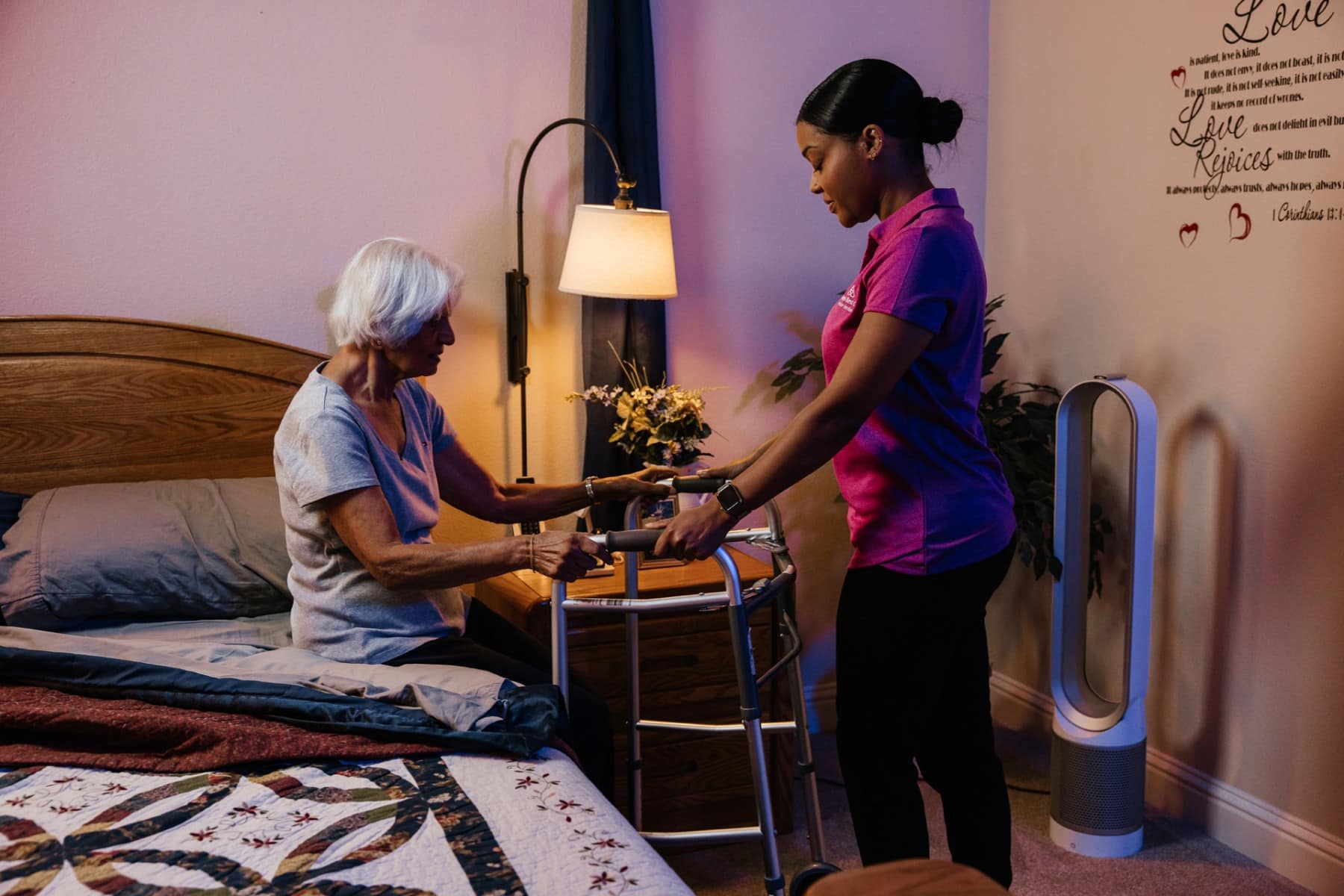
Let’s be honest—supporting someone with developmental disabilities isn’t about stepping in and taking over. It’s about walking beside them, cheering them on, and helping them build the confidence to do more on their own terms. Here in Bristol, families are learning that the right kind of support doesn’t replace independence—it actually fuels it.
When care is thoughtful, respectful, and tailored to real-life routines, empowering patients with developmental disabilities in Bristol becomes less about limitations and more about possibilities. From getting dressed in the morning to enjoying favorite hobbies, personalized support helps transform everyday moments into opportunities for growth.
Table of Contents
Why Empowering Patients with Developmental Disabilities in Bristol Matters
Empowerment might sound like a big buzzword, but in practice, it’s all about small wins.
It’s that moment when someone buttons their shirt without assistance.
Or packs their own bag for the day.
Or heads out for a short walk with just a bit of encouragement.
These little victories add up—and before you know it, confidence starts to bloom.
When empowering patients with developmental disabilities in Bristol becomes the goal, care shifts from “doing for” to “supporting with.” That change in mindset can make all the difference in how someone sees themselves and their abilities.

How Personalized Support Builds Confidence
Cookie-cutter care plans? They rarely cut it.
Every person has different strengths, routines, and preferences. Personalized support meets people where they are—and helps them get where they want to go.
With the right care approach, individuals can:
- Follow familiar daily routines with gentle guidance
- Practice decision-making in a safe environment
- Take part in creative activities like art or music
- Enjoy social interactions that feel comfortable
- Build independence at their own pace
It’s not about rushing the process. It’s about giving people the space and encouragement to grow—step by step.

Daily Routines That Support Independence
Let’s face it—structure matters.
A predictable routine helps reduce anxiety and makes the day feel more manageable. And when someone knows what comes next, they’re more likely to participate with confidence.
Supportive caregivers can help with:
- Morning routines like dressing or grooming
- Preparing meals or snacks
- Planning activities for the day
- Practicing communication skills
- Managing transitions between tasks
Over time, these routines become second nature, allowing individuals to take on more responsibility without feeling overwhelmed.
The Power of Meaningful Activities
Ever notice how people light up when they’re doing something they enjoy?
Whether it’s painting, listening to music, or heading outside for a stroll, meaningful activities can boost mood and motivation. These moments aren’t just fun—they’re essential for emotional well-being.
Participating in favorite hobbies can:
- Improve self-esteem
- Encourage creativity
- Support social skills
- Strengthen physical coordination
- Create a sense of accomplishment
When someone feels capable and included, they’re more likely to engage with the world around them.

Family Involvement Makes a Difference
Care works best when it’s a team effort.
Families know their loved ones better than anyone else. By staying involved in care planning and daily routines, they help ensure that support feels familiar—not clinical or impersonal.
Collaboration between caregivers and families can:
- Maintain consistency in routines
- Support communication goals
- Address emotional needs
- Adjust care plans as needs change
- Celebrate progress together
After all, empowerment isn’t a solo journey—it’s something built through trust and connection.
Frequently Asked Questions
Q: What does it mean to empower someone with developmental disabilities?
A: Empowerment means supporting individuals in ways that build independence, confidence, and decision-making skills—rather than doing tasks for them unnecessarily.
Q: Can in-home support really help build independence?
A: Absolutely. Personalized support allows individuals to practice everyday tasks in a familiar setting, making it easier to develop new skills over time.
Q: How does personalized care differ from standard care?
A: Personalized care focuses on individual strengths, preferences, and routines. It adapts as needs change, ensuring support remains effective and meaningful.
Q: What role do families play in the care process?
A: Families provide insight into routines, preferences, and communication styles. Their involvement helps ensure that care remains consistent and supportive.

Help Your Loved One Build Confidence at Home in Bristol
Empowering patients with developmental disabilities in Bristol isn’t about pushing limits—it’s about nurturing strengths. With personalized care, supportive routines, and meaningful daily activities, individuals can build confidence in their abilities and enjoy greater independence.
Because at the end of the day, real support doesn’t dim someone’s shine—it helps them step into it.
Ready to help your loved one grow with confidence at home? Contact Always Best Care of Bristol today to learn how our personalized support can make everyday independence possible.
Link to the Markdown File version of this article.