
Getting Your Bristol Home Summer-Ready for Senior Safety
Summers in Bristol bring longer evenings, garden gatherings, and a welcome change of pace. But for older adults, rising temperatures and seasonal shifts can introduce real risks. As the body ages, its ability to regulate heat becomes less reliable, making seniors more susceptible to dehydration, heat exhaustion, and household accidents that spike during warmer months.
The good news? A proactive approach to home preparation can dramatically reduce these risks. Here’s how families and caregivers in Bristol can help seniors stay safe, comfortable, and independent all summer long.
What you will learn:
- How to prepare a senior’s home to stay safe, cool, and comfortable during the summer months.
- Simple ways to help older adults stay hydrated, prevent falls, and manage heat-related health risks.
- Why emergency planning, medication safety, and outdoor home maintenance are important during warm weather.
- How in-home care can provide extra support to help seniors remain safe, healthy, and independent throughout the summer.
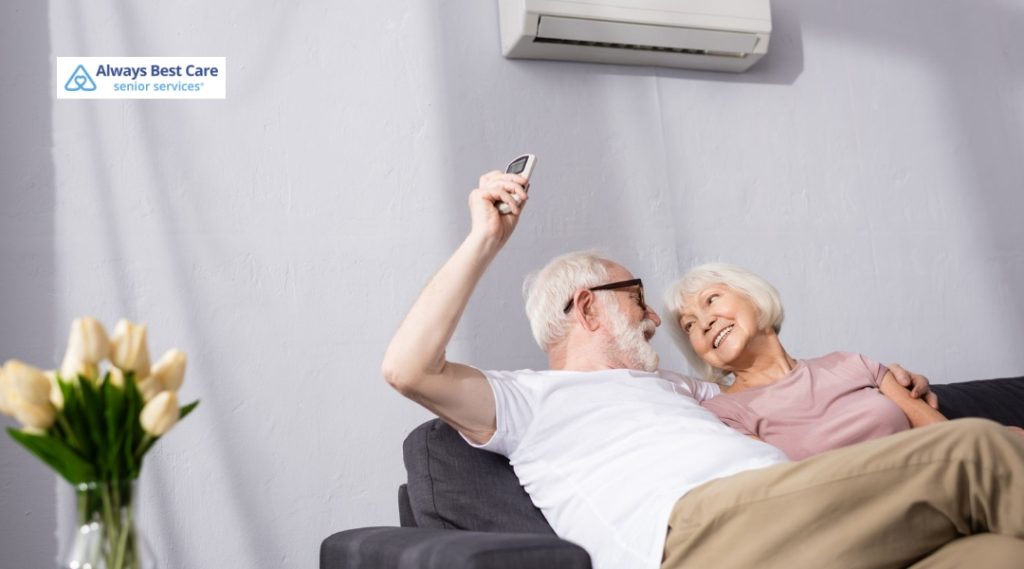
Table of Contents
Start with Your Cooling System
Before the heat sets in, take stock of how well your home handles warm temperatures. A malfunctioning air conditioner or blocked airflow can turn a hot day into a health emergency for an older adult.
Prioritize these steps:
- Schedule an HVAC inspection and replace filters
- Test ceiling fans and portable fans for proper function
- Use blackout curtains or blinds to block the afternoon sun
- Identify the coolest room in the home as a designated rest space
For seniors without air conditioning, locate nearby cooling centers, libraries, or community halls in Bristol that offer refuge during heat spikes.
Build a Hydration Habit
Dehydration is one of the most underestimated summer risks for seniors. The sensation of thirst diminishes with age, meaning many older adults simply don’t realize they need fluids until they’re already dehydrated. Certain medications compound this risk further.
Make hydration easier by:
- Placing water bottles in every room as visual reminders
- Incorporating water-rich foods — watermelon, cucumber, strawberries, and celery — into daily meals
- Setting phone or watch reminders to drink at regular intervals
- Reducing caffeine and sugary drinks, which can accelerate fluid loss
Consistent hydration supports energy levels, cognitive clarity, and temperature regulation — all critical during summer.

Inspect Outdoor Areas Before They Become Hazards
Summer encourages more time outside, which is great for mental and physical health. But outdoor spaces that haven’t been checked since last season can harbor hidden dangers.
Walk through the property and:
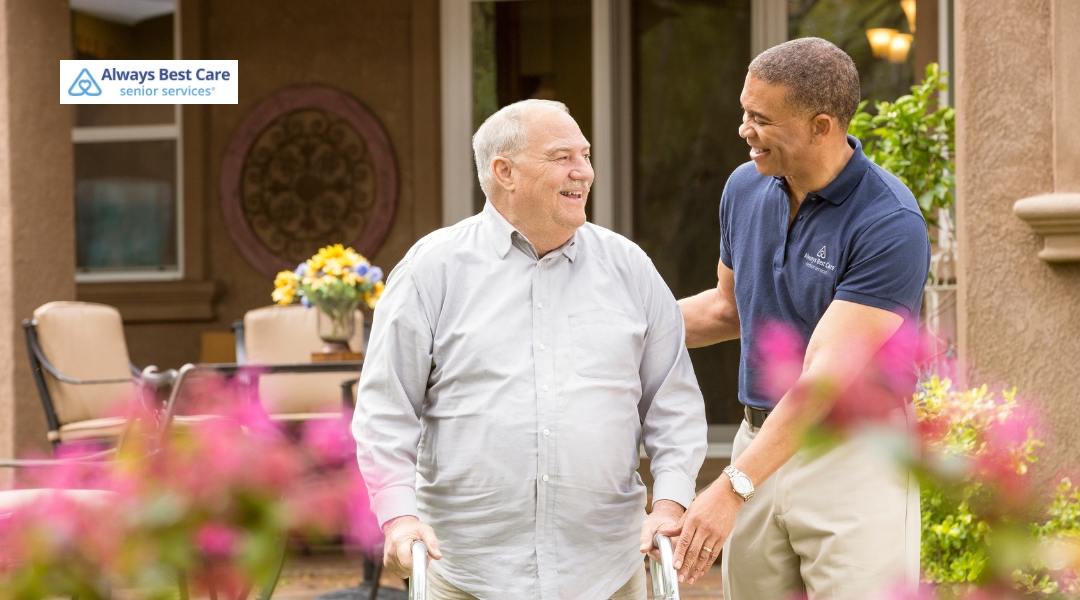
- Repair cracked or uneven walkways and loose pavers
- Clear garden hoses, tools, and debris from pathways
- Test handrails on steps and ramps for stability
- Cut back overgrown shrubs that narrow walkways
- Confirm outdoor lighting works — evenings get busy in summer
A well-maintained outdoor space gives seniors the freedom to enjoy fresh air without unnecessary risk.
Have a Storm and Power Outage Plan
Bristol summers can bring unpredictable weather. Power outages, even brief ones, can disrupt medical equipment, spoil medications, and leave seniors without communication.
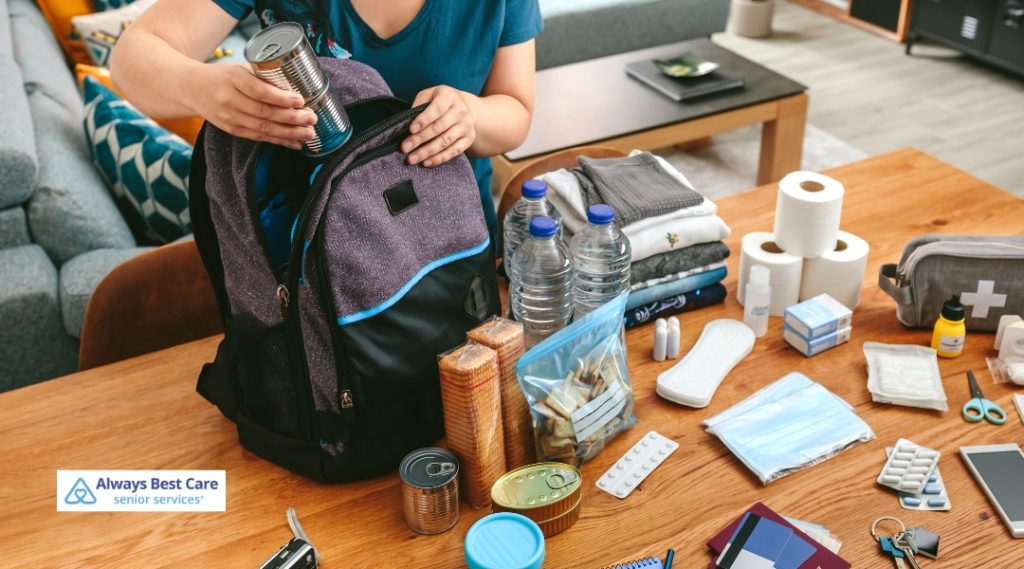
Build an emergency kit that includes:
- Bottled water and non-perishable food (enough for 72 hours)
- Flashlights and spare batteries
- A printed list of emergency contacts and medical information
- A supply of essential medications
- Portable chargers for phones and medical devices
Equally important: make sure family members and neighbors know the plan. A quick check-in system during severe weather can provide peace of mind for everyone involved.
Revisit Medication Storage
Heat affects more than people — it affects prescriptions too. Many medications lose potency or become unsafe when stored above recommended temperatures. Some also increase heat sensitivity or the risk of dehydration as a side effect.
Take a few minutes to:
- Read storage instructions for all current medications
- Move any medications stored near windows or in warm areas
- Speak with a pharmacist or GP about heat-related side effects
- Keep a current medication list accessible in case of emergency
This simple review can prevent complications that are easily avoided with a little awareness.
Reduce Indoor Fall Risks
Falls don’t take a summer break. In fact, the season introduces new hazards — wet floors from outdoor activity, lighter footwear with less support, and increased fatigue from heat.
Reduce the risk by:
- Placing non-slip mats at all entry points
- Keeping hallways and living areas free of clutter
- Ensuring adequate lighting in every room, especially at night
- Encouraging the use of supportive, closed-toe footwear indoors
These small changes protect seniors from one of the most common — and preventable — causes of injury.
How Always Best Care of Bristol Can Help
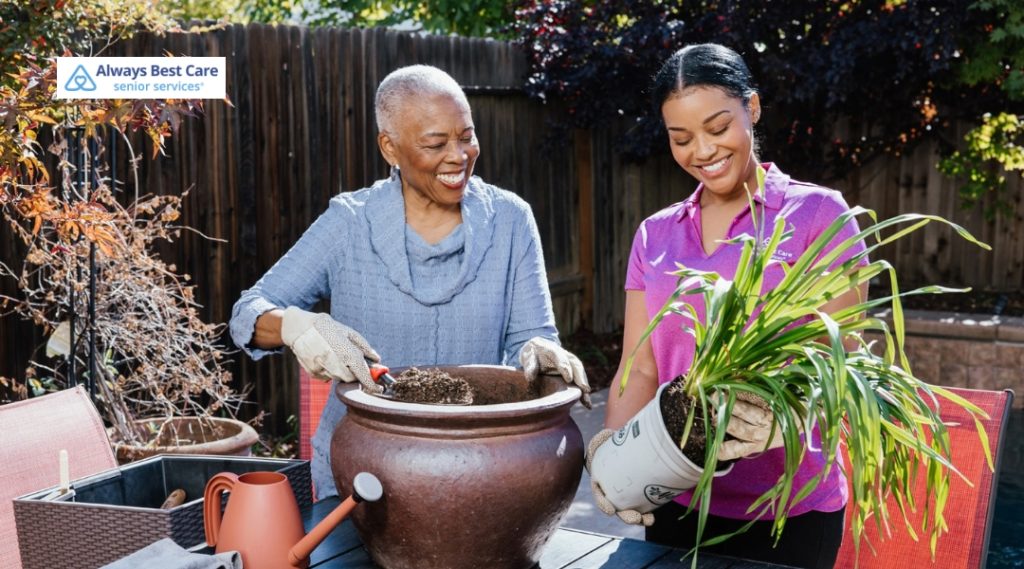
Summer preparation is manageable, but it’s a lot to handle alone — especially for seniors living independently or families juggling multiple responsibilities. Always Best Care of Bristol provides compassionate in-home caregivers who make daily life safer and more comfortable throughout the season.
Our caregivers can help with:
- Home safety walkthroughs and light housekeeping
- Meal preparation and hydration support
- Medication reminders
- Transportation to appointments and errands
- Companionship and ongoing wellness monitoring
Whether your loved one needs a few hours of support each week or more consistent care, we tailor our services to fit their needs.
Frequently Asked Questions
Q: What temperature is considered dangerous for seniors indoors?
A: Indoor temperatures above 27°C (80°F) can become uncomfortable and potentially dangerous for older adults, particularly those with heart conditions, diabetes, or respiratory issues. Aim to keep living spaces between 20–24°C during summer months.
Q: How much water should a senior drink each day in summer?
A: Most older adults should aim for at least 6–8 glasses of water per day, with more needed during hot weather or physical activity. Since thirst signals weaken with age, scheduled reminders are more reliable than waiting to feel thirsty.
Q: What are the early warning signs of heat exhaustion in seniors?
A: Watch for heavy sweating, weakness, cool or pale skin, a weak pulse, nausea, and dizziness. If symptoms progress to hot and dry skin, confusion, or loss of consciousness, this may indicate heatstroke — a medical emergency requiring immediate attention.
Q: Are there local resources in Bristol for seniors during extreme heat?
A: Yes. Bristol City Council and local community organizations often activate cooling support during heat alerts. Libraries, community centers, and certain GP surgeries can serve as cool spaces. Always Best Care of Bristol can also help connect families with local resources.
Q: How can I tell if a medication needs special storage during summer?
A: Check the label or patient information leaflet for storage instructions. Most medications should be kept below 25°C and away from direct sunlight. If you’re unsure, your pharmacist is the best resource — and it’s worth asking specifically about heat-related side effects too.
Q: When should I consider in-home care for a senior during summer?
A: If a senior is living alone, has limited mobility, manages multiple medications, or has a chronic health condition, summer is an ideal time to explore in-home care. Even part-time support can significantly reduce risk and improve quality of life during the warmer months.
Keep Your Loved One Safe This Summer
A safe summer starts with preparation. If your loved one could use extra support at home this season, Always Best Care of Bristol is ready to help.
Call Always Best Care of Bristol today at (860)544-5027 to schedule a care consultation and learn how we can help your loved one thrive this summer.
Link to the Markdown File version of this article.