

Smart Stroke Prevention for Seniors in Bristol: Simple Habits for a Healthier Brain
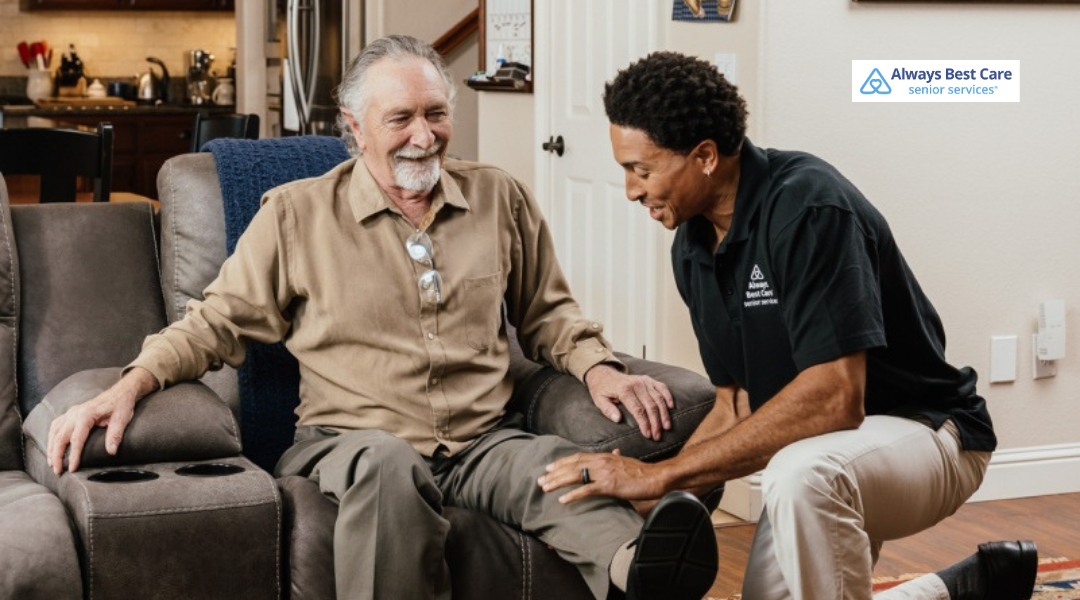
Every 40 seconds, someone in the United States has a stroke. For older adults, the consequences can be especially severe, affecting mobility, speech, memory, and the ability to live independently. The good news is that up to 80% of strokes are preventable. With the right daily habits and proactive medical care, seniors in Bristol can significantly lower their risk and maintain a high quality of life.
What you will learn:
- The key risk factors that increase stroke risk in seniors and why awareness matters.
- The most important daily habits—like managing blood pressure, staying active, and eating well—that help protect brain health.
- How managing conditions such as diabetes and high cholesterol supports long-term stroke prevention.
- The valuable role caregiver support plays in helping seniors stay consistent with healthy routines and medical care.
Table of Contents
Why Stroke Risk Rises with Age
Aging naturally brings changes to the cardiovascular system. Blood vessels become less flexible, blood pressure tends to rise, and the heart may work less efficiently. These changes, combined with conditions like diabetes, high cholesterol, and atrial fibrillation, create an environment where stroke risk climbs steadily.
Understanding your personal risk factors is the first step toward prevention. A conversation with your primary care physician can help identify which areas need the most attention.
Control Blood Pressure — Your Most Powerful Tool
High blood pressure is the single most significant modifiable risk factor for stroke. When pressure in the arteries stays elevated, it gradually weakens blood vessel walls, making a rupture or blockage far more likely.
The challenge is that high blood pressure rarely causes noticeable symptoms, which is why it’s often called the “silent killer.” Seniors should monitor their blood pressure regularly — at home and during medical visits — and work closely with their doctor to keep it within a healthy range.
Practical steps to manage blood pressure:
- Limit sodium to less than 2,300 mg per day
- Take prescribed medications consistently, without skipping doses
- Reduce alcohol consumption
- Manage stress through relaxation techniques such as deep breathing or meditation
- Stay physically active most days of the week
Keep Blood Sugar in Check
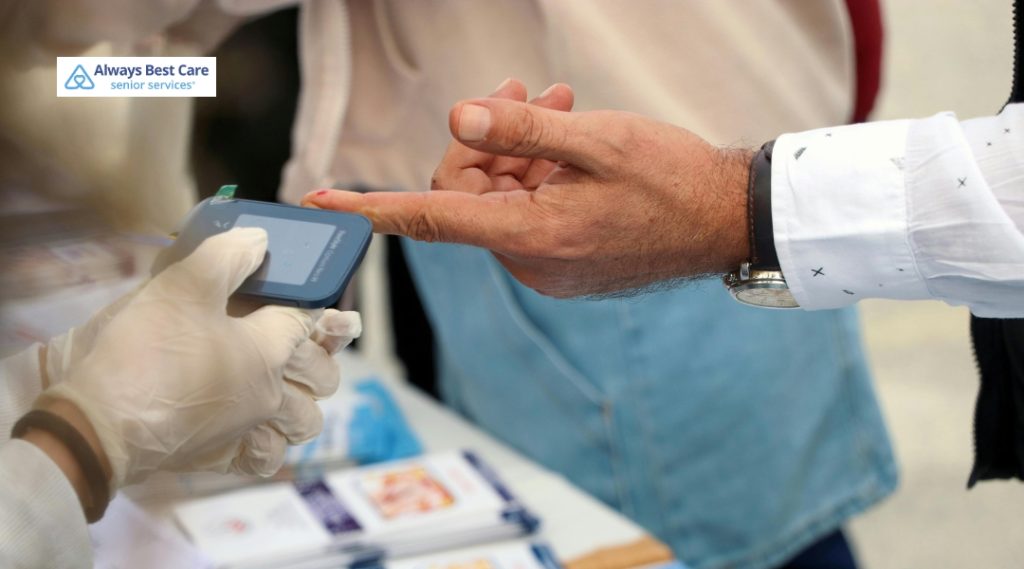
Diabetes doubles the risk of stroke. High blood sugar damages the inner lining of blood vessels over time, making them more prone to blockages. Many seniors with diabetes also have other risk factors — such as high blood pressure and high cholesterol — which compound the danger.
Effective diabetes management goes beyond medication. It involves consistent blood sugar monitoring, a balanced diet low in refined sugars and processed carbohydrates, and regular physical activity. Keeping A1C levels within the target range recommended by your doctor is one of the most impactful things a diabetic senior can do for their brain health.
Address Cholesterol Before It Becomes a Problem
Cholesterol buildup in the arteries — a condition called atherosclerosis — can restrict blood flow to the brain and set the stage for a stroke. The process is slow and silent, often developing over decades without obvious warning signs.
Seniors can support healthy cholesterol levels by:
- Choosing foods rich in fiber, such as oats, legumes, and leafy greens
- Replacing saturated fats with heart-healthy options like olive oil, avocado, and fatty fish
- Avoiding trans fats found in many packaged and fried foods
- Following prescribed statin or cholesterol-lowering medication plans
Annual blood work is essential for tracking cholesterol trends and adjusting treatment when needed.
Move More, Every Day
Regular physical activity is one of the most effective and accessible stroke prevention strategies available. Exercise strengthens the heart, improves circulation, helps maintain a healthy weight, and naturally lowers blood pressure and blood sugar.
Seniors don’t need to run marathons to benefit. Even moderate, consistent movement makes a meaningful difference.
Senior-friendly activities that support stroke prevention:
- 30-minute daily walks in Bristol’s parks or neighborhoods
- Chair yoga or gentle stretching routines
- Swimming or water aerobics
- Tai chi, which also improves balance and reduces fall risk
- Light gardening or household activity
The key is consistency. Finding activities that are enjoyable makes it far easier to stay committed long-term.
Eat for Your Brain, Not Just Your Waistline
A nutrient-rich diet does more than manage weight — it directly protects the blood vessels that supply the brain. The Mediterranean diet, in particular, has strong research backing for reducing stroke risk.
Brain-protective foods to prioritize:
- Colorful fruits and vegetables (aim for at least five servings daily)
- Whole grains such as brown rice, quinoa, and whole wheat bread
- Fatty fish like salmon, mackerel, and sardines (rich in omega-3s)
- Nuts, seeds, and legumes
- Olive oil as a primary cooking fat
Foods to limit:
- Processed meats and fast food
- Sugary beverages and snacks
- Excess salt and sodium-heavy condiments
Staying well-hydrated is equally important. Dehydration can thicken the blood and increase clotting risk.
The Value of Consistent Caregiver Support
For seniors managing multiple health conditions or living alone, maintaining healthy routines can be genuinely difficult. Missed medications, skipped meals, and reduced activity levels are common challenges — and each one can quietly increase stroke risk over time.
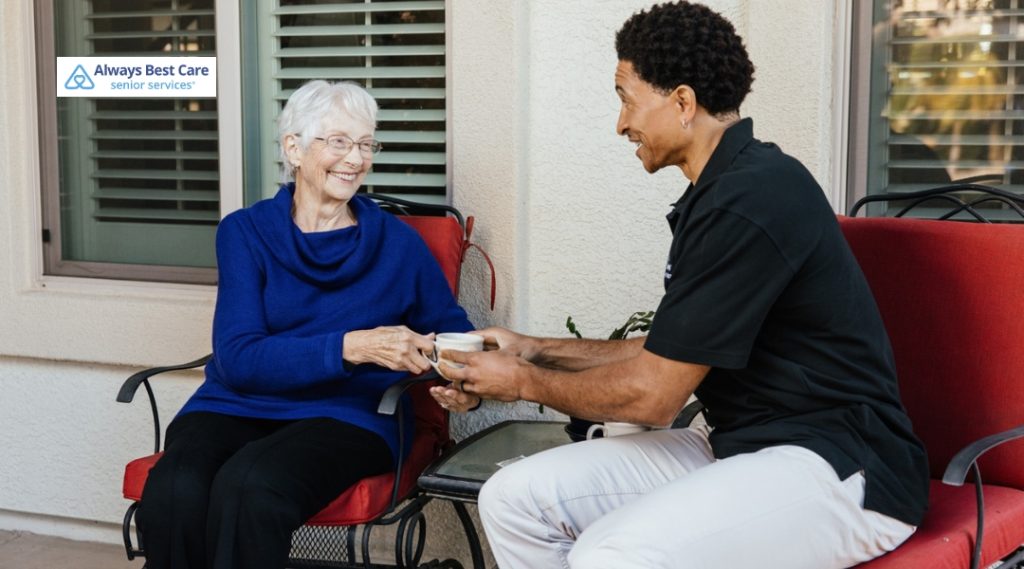
A professional caregiver provides more than companionship. They offer structured daily support that helps seniors stay on track with the habits that matter most.
Ways caregivers support stroke prevention:
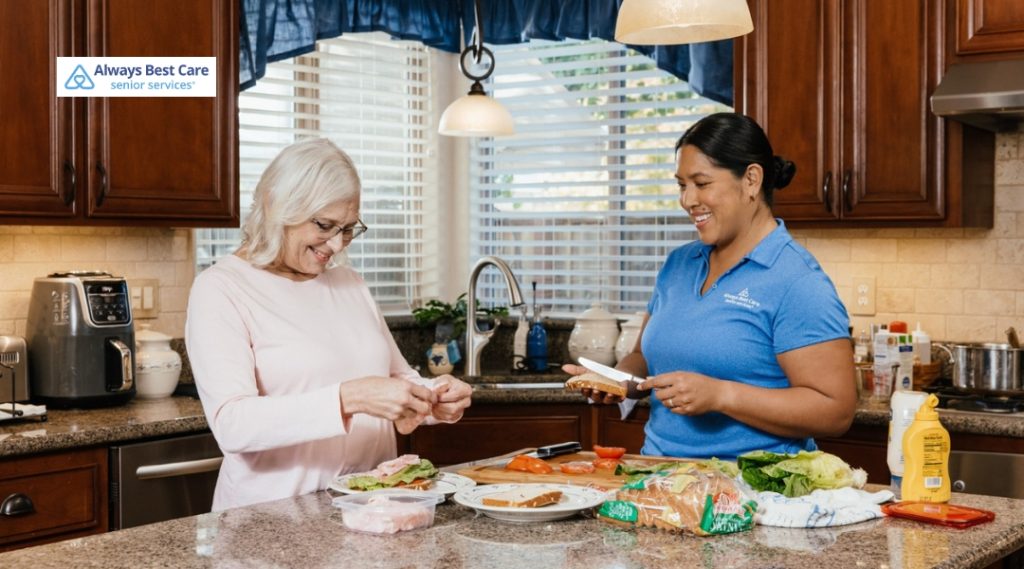
- Preparing nutritious, low-sodium meals tailored to dietary needs
- Accompanying seniors on daily walks and light exercise
- Providing medication reminders to prevent missed or doubled doses
- Monitoring for early warning signs such as sudden confusion, weakness, or speech changes
- Coordinating transportation to medical appointments
This consistent, attentive support can be the difference between a healthy routine and a preventable health crisis.
Frequently Asked Questions
Q: What are the early warning signs of a stroke?
A: The most recognized signs can be remembered using the acronym FAST: Face drooping, Arm weakness, Speech difficulty, and Time to call 911. Other symptoms include sudden severe headache, vision changes, dizziness, and loss of balance. If any of these occur, call emergency services immediately — every minute counts.
Q: At what age does stroke risk increase significantly?
A: Stroke risk roughly doubles every decade after age 55. However, risk factors like high blood pressure, diabetes, and smoking can accelerate that timeline. Proactive management of these
Conditions are important at any age.
Q: Can strokes be prevented if there is a family history?
A: A family history of stroke does increase risk, but it does not make a stroke inevitable. Lifestyle changes and proper medical management can significantly offset genetic predisposition. Inform your doctor of your family history so they can tailor a prevention plan accordingly.
Q: How does smoking affect stroke risk?
A: Smoking nearly doubles the risk of ischemic stroke. It damages blood vessel walls, raises blood pressure, and promotes clot formation. Quitting smoking — at any age — leads to measurable improvements in cardiovascular health within months.
Q: Is it safe for seniors with heart conditions to exercise?
A: In most cases, yes — but the type and intensity of exercise should be guided by a physician. Low-impact activities like walking, swimming, and chair yoga are generally well-tolerated and highly beneficial. Always consult your doctor before starting a new exercise routine.
Supporting Healthy, Independent Living in Bristol
Stroke prevention is not a single action — it’s a collection of daily choices that add up over time. Managing blood pressure, staying active, eating well, and keeping up with medical care are all essential pieces of the puzzle.
At Always Best Care of Bristol, our caregivers are here to help seniors build and maintain the routines that protect their health and independence. From meal preparation and medication reminders to daily companionship and activity support, we provide personalized care that makes a real difference.
Call Always Best Care of Bristol today at (860) 261-4405 to schedule a care consultation and learn how we can help your loved one live safely and fully at home.
Link to the Markdown File version of this article.