Stroke Recovery at Home: Personalized Therapy, Ongoing Monitoring, and Compassionate Support in Bristol
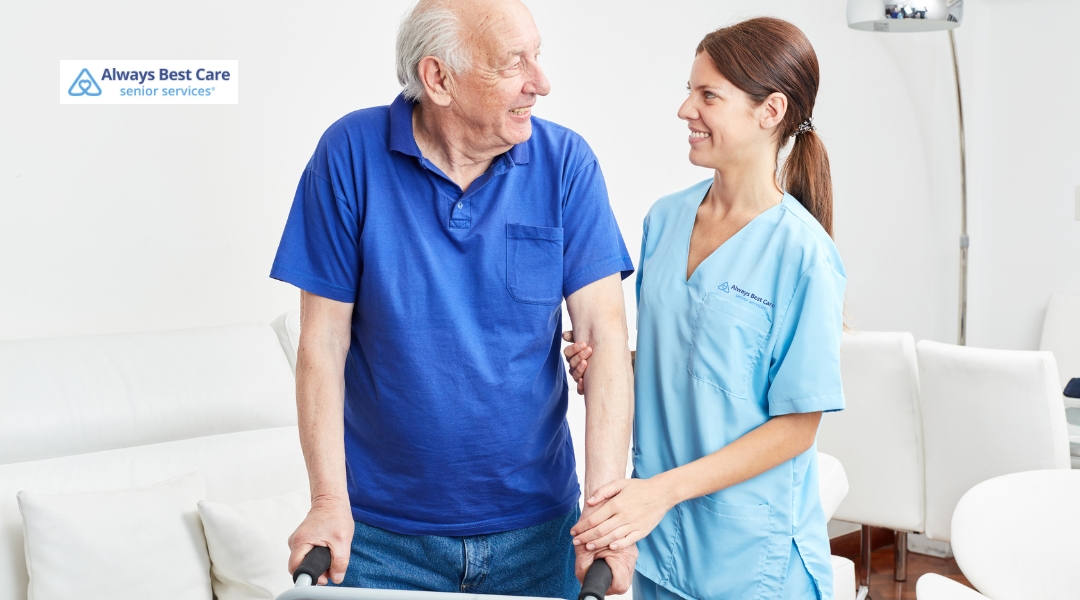
Returning home after a stroke is a significant milestone—but it is also the point where consistent, skilled support becomes most critical. Hospital stays and inpatient rehabilitation programs lay the groundwork for recovery, yet the real work of rebuilding daily life happens at home. For many stroke survivors in Bristol, home health services bridge the gap between clinical care and long-term independence.
Understanding what these services offer—and how they work together—can help families make informed decisions during one of the most challenging transitions they will face.
What you will learn:
- How home health services support stroke recovery after returning home in Bristol.
- The role of skilled nursing, physical therapy, and occupational therapy in rebuilding independence.
- Ongoing monitoring and early detection are essential to prevent setbacks.
- How compassionate, in-home support helps improve both physical recovery and emotional well-being.
Table of Contents
The Real Challenge Begins at Home
Stroke recovery is rarely linear. Progress can be slow, and setbacks are common. Once a survivor leaves a rehabilitation facility, the structured environment and constant professional oversight disappear. Without continued support, gains made during inpatient care can erode quickly.
Home health services address this directly. Licensed nurses, physical therapists, and occupational therapists visit the home on a scheduled basis, providing the continuity of care that recovery demands. Families gain peace of mind, and survivors receive expert attention in the environment where they actually live—removing the physical and logistical burden of traveling to appointments.
Skilled Nursing: Medical Oversight Where It Matters Most
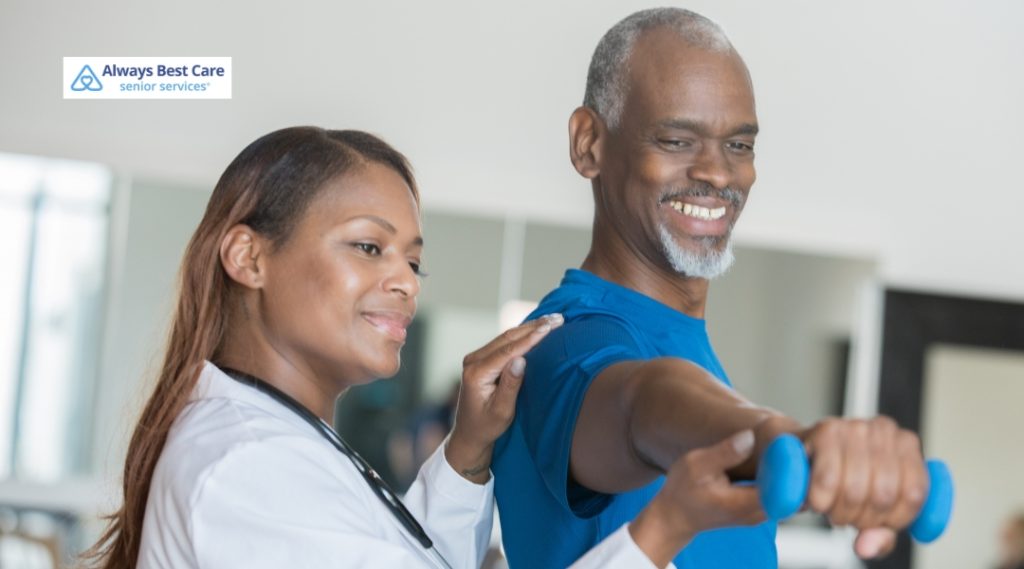
A licensed nurse is often the first home health professional involved after a stroke. Their role goes well beyond routine check-ins.
Skilled nursing support in Bristol may include:
- Monitoring blood pressure, heart rate, and other vital signs
- Managing complex medication regimens and watching for adverse interactions
- Identifying early warning signs of a secondary stroke or other complications
- Educating family members on what to watch for and how to respond
- Coordinating care plans with the survivor’s physicians and specialists
Many stroke survivors also manage chronic conditions such as diabetes, hypertension, or heart disease. Skilled nurses integrate management of these conditions into the overall recovery plan, reducing the risk of complications that could interrupt progress.
Physical Therapy: Rebuilding Strength and Movement
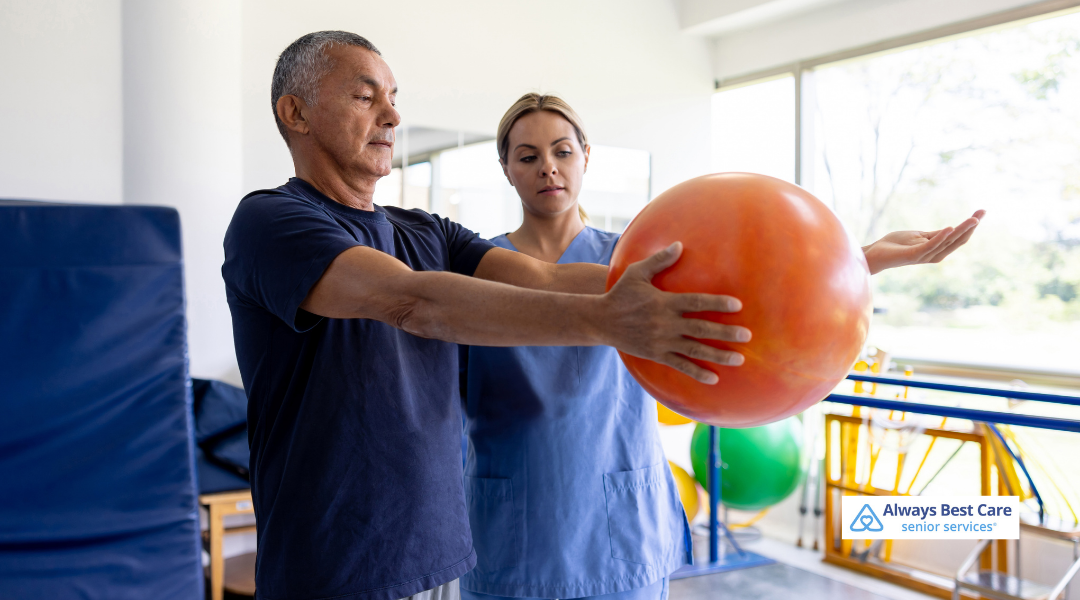
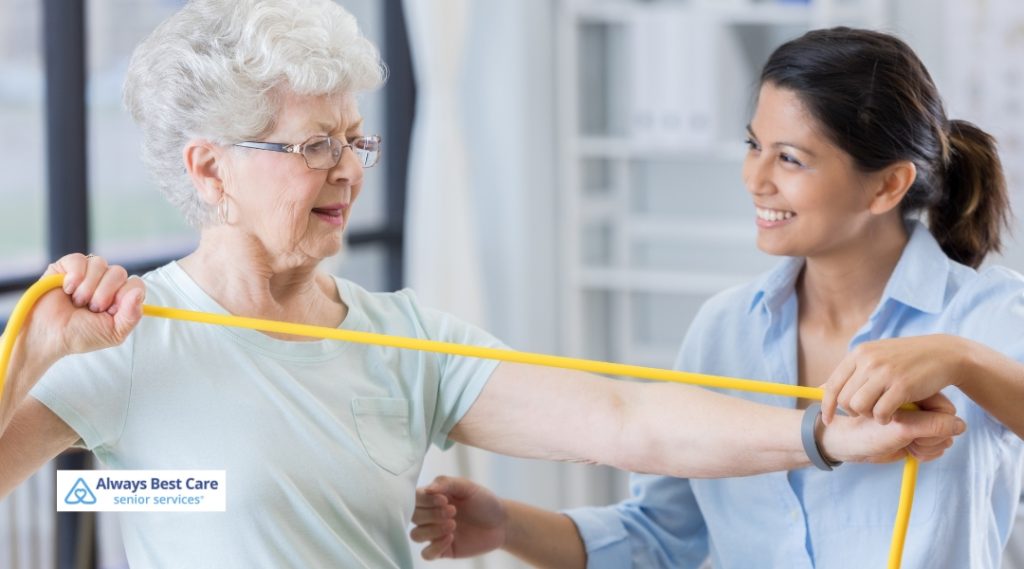
Weakness or paralysis on one side of the body is one of the most common effects of a stroke. Physical therapy targets these deficits directly, helping survivors rebuild the strength, balance, and coordination needed for safe, independent movement.
A home health physical therapist in Bristol works with seniors to improve:
- Muscle strength and overall physical endurance
- Balance and fall prevention
- Walking ability and safe navigation of the home environment
- Range of motion in affected arms and legs
Because therapy takes place at home, exercises are tailored to the actual layout and demands of the survivor’s living space. Practicing how to safely climb the specific stairs in their home or move through their own hallways makes therapy immediately practical—and measurably more effective than generic gym-based exercises.
This home-based approach also reduces fall risk during the recovery period, when survivors are most vulnerable.
Occupational Therapy: Reclaiming Daily Independence
A stroke can make ordinary tasks feel impossible. Buttoning a shirt, preparing a meal, or stepping in and out of the shower may require entirely new techniques or adaptive equipment. Occupational therapists specialize in helping survivors relearn these activities and rebuild confidence in their daily routines.
Occupational therapy in Bristol may include:
- Relearning safe bathing, grooming, and dressing techniques
- Developing new strategies for cooking, cleaning, and household management
- Improving fine motor skills and hand-eye coordination
- Recommending and training survivors to use assistive devices
- Assessing and modifying the home to reduce hazards and improve accessibility
The goal is not just physical recovery—it is helping survivors feel capable and in control of their own lives again.
Monitoring for Complications and Setbacks
Consistent monitoring is one of the most valuable aspects of home health care. Stroke recovery involves ongoing neurological and physical changes, and not all of them are positive. Home health professionals are trained to detect subtle warning signs that family members may miss.
Warning signs that home health teams monitor for include:
- Sudden changes in speech, vision, or movement
- Increased weakness or new balance problems
- Unusual fatigue, confusion, or behavioral changes
- Indicators of another stroke or cardiovascular event
Early identification of these signs can prevent serious setbacks and significantly reduce the likelihood of emergency hospitalization. For families, knowing that a trained professional is regularly assessing their loved one provides a level of reassurance that is difficult to replicate.
Emotional Wellbeing Is Part of Recovery
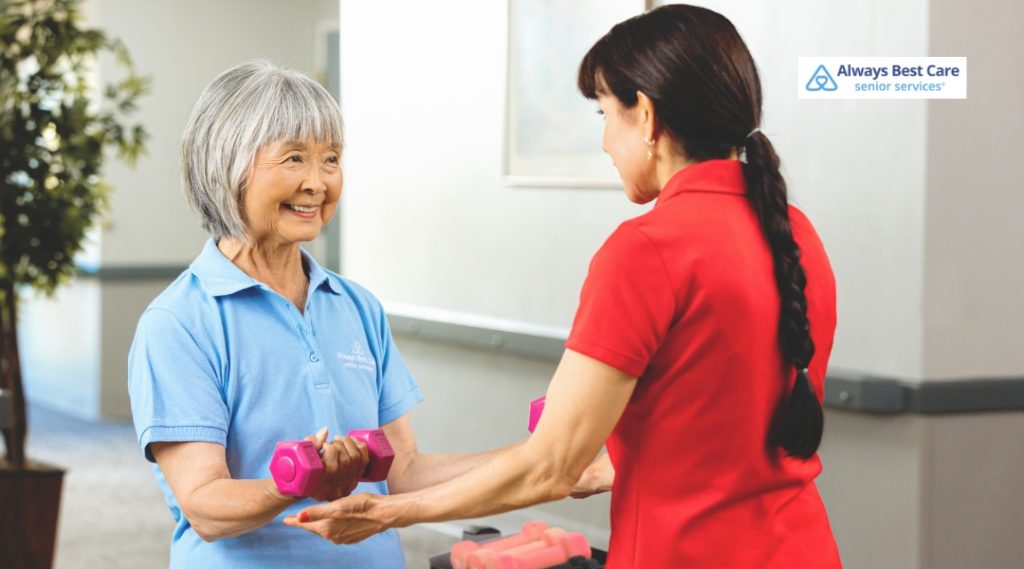
The psychological impact of a stroke is often underestimated. Depression, anxiety, and frustration are common among survivors, particularly as they confront the gap between who they were before the stroke and what they can currently do. Isolation can deepen these feelings, especially for seniors who live alone or have limited social contact.
Home health caregivers provide more than clinical support. Regular visits from familiar, compassionate professionals create a sense of connection and routine. Emotional encouragement—acknowledging progress, however small—plays a meaningful role in sustaining motivation over the long course of recovery.
How Always Best Care of Bristol Supports Stroke Recovery
At Always Best Care of Bristol, we take a comprehensive approach to stroke recovery at home. Our team coordinates skilled nursing, physical therapy, and occupational therapy alongside hands-on caregiver support for daily activities, meal preparation, transportation to appointments, and companionship.
We work directly with physicians, therapists, and family members to build care plans that reflect each survivor’s specific needs, goals, and living situation. Recovery looks different for every person—and our support does too.
Call Always Best Care of Bristol today at (860) 261-4405 to schedule a care consultation and learn how our home health services can support your loved one’s recovery.
Frequently Asked Questions
What is home health care for stroke recovery?
Home health care for stroke recovery involves licensed medical professionals—including nurses, physical therapists, and occupational therapists—providing skilled care directly in a patient’s home. Services are designed to continue the recovery process after a hospital stay or inpatient rehabilitation program.
How soon after a stroke can home health services begin?
Home health services can typically begin shortly after a patient is discharged from the hospital or a rehabilitation facility. A physician’s referral is usually required, and care can often start within a few days of discharge.
Is home health care covered by insurance?
Many home health services are covered by Medicare, Medicaid, or private insurance when ordered by a physician and deemed medically necessary. Coverage details vary, so it is advisable to confirm benefits with your insurance provider before services begin.
How is home health different from home care?
Home health refers to medically skilled services provided by licensed professionals, such as nursing or therapy. Home care typically refers to non-medical assistance with daily activities such as bathing, dressing, and meal preparation. Many agencies, including Always Best Care of Bristol, offer both.
What should families watch for during stroke recovery at home?
Families should monitor for sudden changes in speech, vision, or movement; increased weakness or confusion; unusual fatigue; and any signs of a secondary stroke. Home health professionals can help educate family members on specific warning signs relevant to their loved one’s condition.
How long does home health care last after a stroke?
The duration of home health services depends on the severity of the stroke and the individual’s rate of recovery. Some survivors may need support for a few weeks, while others benefit from ongoing care for several months. Care plans are regularly reviewed and adjusted based on progress.
Link to the Markdown File version of this article.