

When Blood Sugar Becomes a Concern: A Family’s Guide to Senior Health in Downingtown, PA
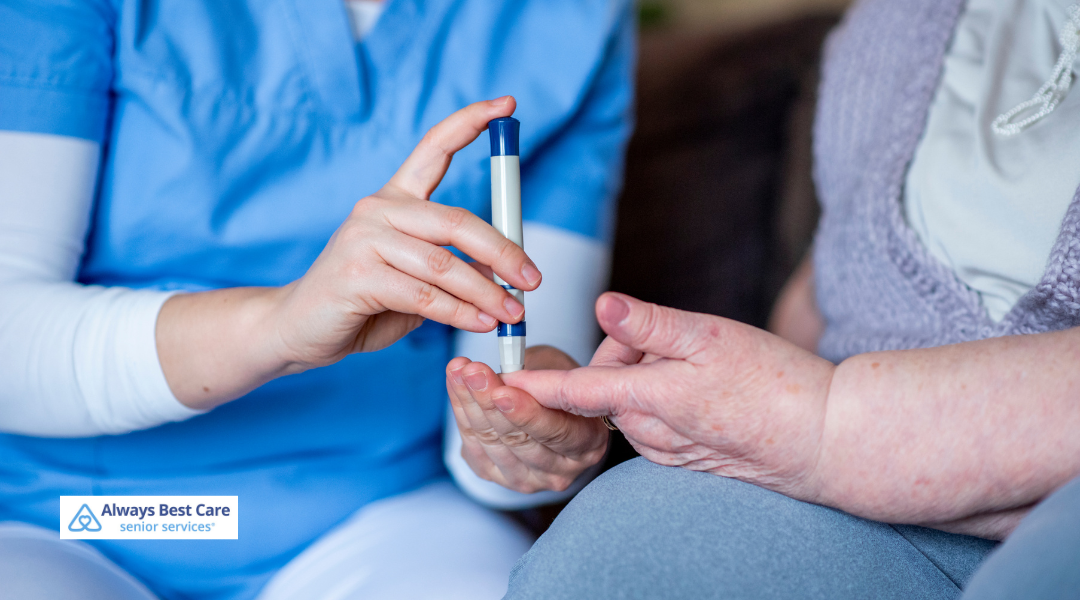
Blood sugar can change faster than folks expect, especially for older adults living with diabetes. A missed meal, a new medication, or even a rough day of feeling under the weather can throw things off before anyone sees it coming. For families in Downingtown, PA, knowing the red flags can make all the difference.
Table of Contents
What You Will Learn
- Why blood sugar can become harder to manage as older adults experience appetite changes, medication adjustments, illness, kidney-function changes, memory concerns, reduced activity, vision changes, or mobility limitations.
- Common warning signs of low blood sugar, including shaking, sweating, hunger, dizziness, weakness, headache, irritability, trouble concentrating, confusion, and poor balance.
- Common signs of high blood sugar, such as increased thirst, frequent urination, blurred vision, fatigue, unexplained weight loss, headaches, and slow-healing wounds.
- Why sudden confusion, unusual behavior, poor coordination, fainting, seizures, trouble breathing, or a major change from a loved one’s usual routine should never be dismissed as normal aging.

Why Blood Sugar Gets Tricky With Age
As people get older, diabetes care can turn into a juggling act. Appetite may dip, memory may slip, and movement can get harder. Add a few prescriptions into the mix, and blood sugar may start acting up more often.
Some common reasons include:
- Eating less than usual
- Missing meals or medication
- New or changing medicines
- Lower activity levels
- Illness or infection
- Kidney changes that affect the body’s balance

Blood Sugar Changes in Older Adults: Warning Signs Families Should Know in Downingtown, PA
Low and high blood sugar don’t always look dramatic at first. Still, those early clues matter.
Signs of Low Blood Sugar
Low blood sugar can come on fast. It may show up as:
- Shaking
- Sweating
- Sudden hunger
- Dizziness
- Weakness
- Headache
- Irritability
- Trouble focusing
- Confusion
- Poor balance
In older adults, these signs can look a lot like “just getting older,” but that’s a risky mix-up. Sudden confusion or unusual behavior deserves attention, not a shrug.
Severe low blood sugar is serious. If someone faints or has a seizure, call for emergency help right away.

Signs of High Blood Sugar
High blood sugar often sneaks in slowly, so it can be easy to miss. Watch for:
- More thirst than usual
- Frequent trips to the bathroom
- Blurry vision
- Tiredness
- Headache
- Unplanned weight loss
- Wounds that heal slowly
If blood sugar stays high too long, it can harm the eyes, kidneys, nerves, heart, and blood vessels. If there’s major confusion, trouble breathing, or sudden weakness, get emergency help.

Watch for Changes From the Usual Routine
Families don’t need a medical degree to spot trouble. Honestly, knowing what’s normal is half the battle.
Maybe your loved one is sleeping more than usual. Maybe they’re drinking water constantly. Maybe they seem off-balance or forgetful all of a sudden. Those changes can point to a blood sugar problem, not just age.
A good next step? Ask the healthcare provider about:
- Blood sugar goals
- How often to check glucose
- Which symptoms need a phone call
- What counts as an emergency
Simple Habits That Help Keep Blood Sugar Steadier
A steady routine can go a long way. Small things add up, and that’s no joke.
Helpful habits may include:
- Eating meals and snacks at regular times
- Taking medicine exactly as prescribed
- Checking blood sugar as directed
- Drinking enough water
- Staying active in safe, appropriate ways
- Keeping regular doctor visits
It also helps to share every medication and supplement with the doctor. Sometimes a tiny change can ripple through the whole routine.

When Memory or Mobility Problems Get in the Way
Managing diabetes takes memory, timing, and energy. That’s a tall order for someone dealing with forgetfulness, arthritis, vision trouble, tremors, or pain.
These issues can make it hard to:
- Remember medications
- Keep meal times on track
- Check blood sugar
- Prepare healthy food
- Get to appointments
That’s often the point where extra help at home starts making real sense.
How Always Best Care of Downingtown, PA Can Help
At Always Best Care of Downingtown, PA, we help make daily diabetes routines a little smoother. We can support older adults with:
- Meal prep
- Medication reminders
- Water intake reminders
- Safe activity encouragement
- Rides to appointments
- Noticing changes to share with family or providers
For seniors who qualify, home health services can add extra medical support based on doctor guidance and care needs.

FAQ
Q: What are the most common warning signs of low blood sugar?
A: Shaking, sweating, hunger, dizziness, weakness, confusion, and trouble concentrating are common signs.
Q: What are the warning signs of high blood sugar?
A: Thirst, frequent urination, blurry vision, fatigue, headache, and slow-healing wounds are common signs.
Q: Why are older adults at higher risk for blood sugar problems?
A: Changes in appetite, memory, mobility, medications, and illness can all make blood sugar harder to manage.
Q: How can families help at home?
A: Keeping a steady routine, watching for changes, and staying in touch with healthcare providers can help a lot.
Q: When should emergency help be called?
A: Call right away if there is fainting, a seizure, trouble breathing, severe confusion, or sudden major weakness.

Support Safer Diabetes Routines at Home
Blood sugar can shift fast, and older adults may not always notice the warning signs. By staying alert, keeping routines steady, and stepping in early, families can help loved ones stay safer and more comfortable. If your loved one in Downingtown, PA needs extra support, Always Best Care of Downingtown, PA is here to help. Contact Always Best Care of Downingtown at (610) 450-6776 to learn more and schedule your free consultation.
Link to the markdown version of this blog.