
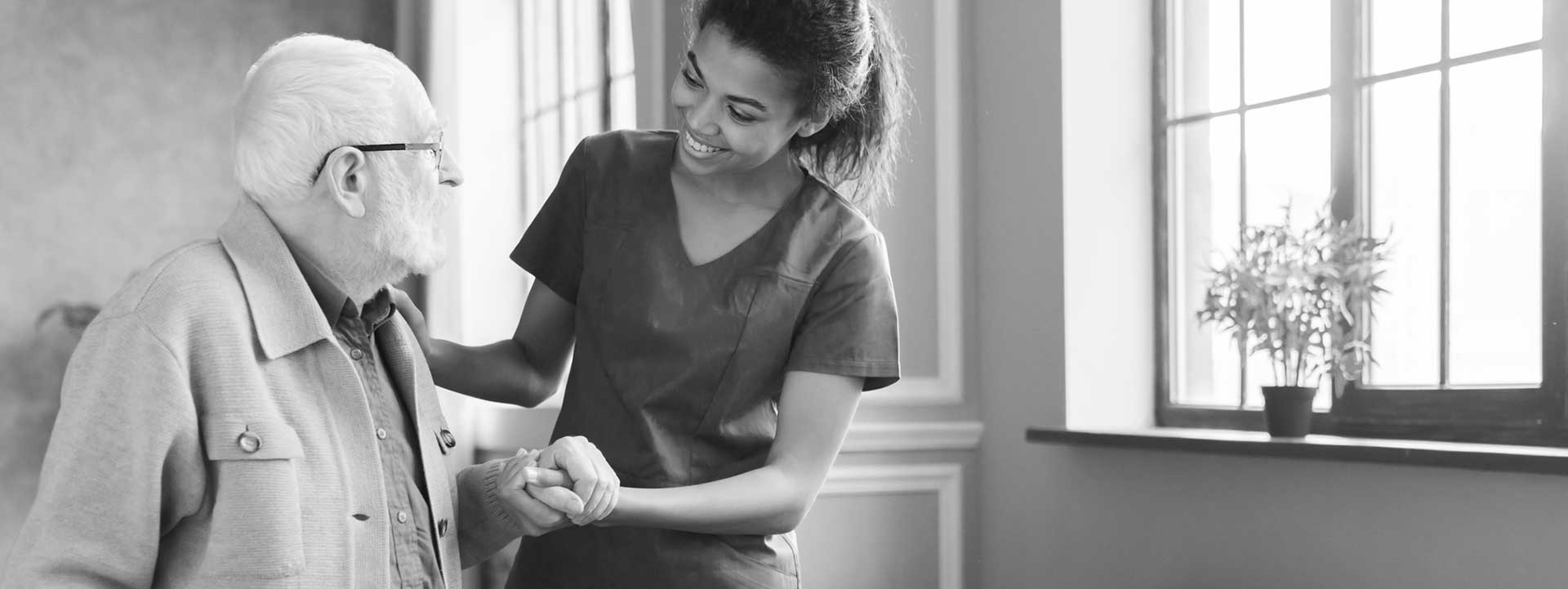
How Occupational Therapy Helps Seniors Stay Independent at Home

For many seniors in Downingtown, home isn’t just an address—it’s memories, routines, neighbors, and comfort. Yet as daily tasks get harder, families often worry that staying at home might not be safe. The good news? Independence doesn’t have to disappear the moment buttoning a shirt or stepping into the shower becomes a challenge.

Occupational therapy (OT) steps in right where life happens: at home. By focusing on what matters most to each senior, OTs help turn “I can’t anymore” into “I can—with the right support.”
What You Will Learn:
- How occupational therapy supports seniors with everyday activities at home.
- The role of home assessments in improving safety and reducing fall risks.
- Simple strategies and tools that make daily tasks easier and more manageable.
- When families should consider OT to support independence and caregiver relief.
Table of Contents
What Occupational Therapy Really Does for Seniors
Unlike physical therapy, which often focuses on strength, balance, and movement, occupational therapy centers on everyday activities—“occupations”—that give life structure and meaning. For seniors, that might include:
- Dressing, bathing, and grooming
- Cooking simple meals and managing the kitchen
- Moving safely around the house
- Managing medications and appointments
- Enjoying hobbies, social time, or faith activities
In Downingtown homes, an occupational therapist looks at how a senior actually lives, then tailors strategies and tools so those routines stay doable and safe.

OT Home Assessments: Spotting Risks and Opportunities
A powerful part of OT is the home visit. Instead of guessing what a senior might need, the therapist walks through the actual space and observes real routines.
During a home assessment, an OT may:
- Watch how your loved one gets in and out of bed or a favorite chair
- See how they manage the bathroom, kitchen, and stairs
- Look for tripping hazards, awkward furniture placement, or poor lighting
- Ask about what feels hardest now and what they’re afraid of losing
From there, they suggest practical changes—often small, affordable tweaks—that can dramatically boost safety and ease.
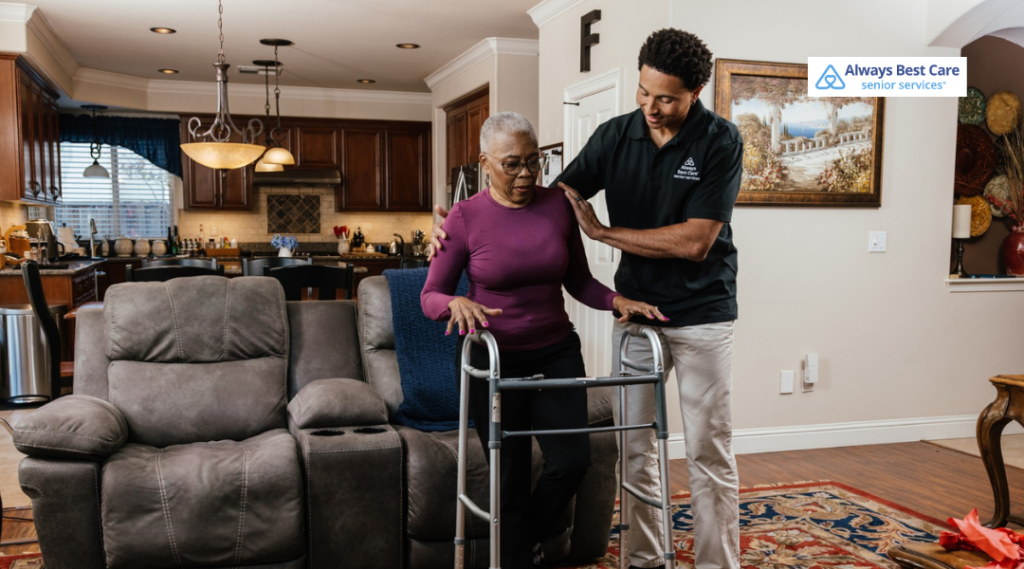
Making Daily Tasks Easier, Not Impossible
Occupational therapy doesn’t shy away from tough tasks; it reshapes them. Instead of saying, “You can’t do that anymore,” an OT asks, “How can we do this differently?”
Examples include:
- Dressing: Sitting to dress instead of standing, using long-handled shoehorns or sock aids, choosing clothing with easier fasteners.
- Bathing: Using a shower chair and hand-held shower head, installing grab bars, setting up a routine that reduces fatigue and fear of slipping.
- Cooking: Rearranging the kitchen so essentials are at waist height, simplifying recipes, using tools that are easier to grip.
- Housework: Breaking chores into smaller chunks, using lighter tools, or adjusting expectations to match energy levels.
These changes don’t just prevent accidents—they help seniors feel capable and involved in their own care.

Home Safety and Fall Prevention in Downingtown
Safety is a major part of staying independent. Occupational therapists focus on creating a “friendly” home environment that works with, not against, an aging body.
Common OT recommendations include:
- Removing loose rugs and clutter from walkways
- Adding non-slip mats in the bathroom and kitchen
- Improving lighting in halls, stairs, and entryways
- Installing grab bars near the toilet and in the shower
- Adjusting furniture so walkers or wheelchairs can move more easily
For seniors with weak or fragile bones, these adjustments can be the difference between a close call and a life-changing fall.
Supporting Memory, Organization, and Daily Routines
Independence isn’t only about physical strength. Memory changes, confusion, or trouble staying organized can quietly erode day-to-day function. OT can help here too.
Therapists may:
- Create simple, written routines for morning and evening
- Use labels, color-coding, or pictorial cues around the home
- Set up pill organizers and reminder systems for medications
- Suggest calendars, checklists, or whiteboards for appointments and to-dos
- Teach families how to give clear, step-by-step instructions without sounding bossy
These strategies help seniors in Downingtown stay oriented and engaged, even when memory isn’t what it once was.
Tools and Adaptive Equipment That Make Life Easier
Occupational therapists are experts in choosing the right tools—without cluttering the house with gadgets that never get used. Depending on your loved one’s needs, they might recommend:
- Reachers and grabbers for picking things up
- Raised toilet seats and shower chairs
- Grab bars and bed rails for safer transfers
- Built-up or weighted utensils for easier eating
- Jar openers, easy-grip handles, and other kitchen aids
The key is matching the tool to the person and training them (and family) on how to use it comfortably and safely.

Helping Caregivers Help Safely
Family caregivers often jump in with the best intentions but end up straining their backs or accidentally making tasks harder. OT supports caregivers too.
Therapists can:
- Demonstrate safe ways to assist with transfers and mobility
- Show how to guide without taking over completely
- Offer positioning tips to protect both the senior and the helper
- Suggest routines that are realistic for everyone’s energy levels
When caregivers feel more confident and less stressed, seniors usually feel more relaxed and cooperative as well.
When to Consider Occupational Therapy in Downingtown
You don’t have to wait for a crisis to involve OT. It may be time to ask about occupational therapy if you notice:
- Increased falls, near-falls, or “close calls” at home
- Avoidance of showers, stairs, or certain rooms due to fear or difficulty
- Struggles with dressing, grooming, or keeping up with basic tasks
- New confusion around routines, appointments, or medications
- Family caregivers feeling overwhelmed by day-to-day demands
Early involvement often means simpler changes and better long-term independence.
FAQs About Occupational Therapy for Downingtown Seniors
Q: How is occupational therapy different from physical therapy?
A: Physical therapy focuses more on strength, balance, and movement. Occupational therapy focuses on how those abilities are used in daily tasks like dressing, bathing, cooking, and managing the home. Both can work together.
Q: Does occupational therapy only help seniors with major disabilities?
A: No. OT is useful for anyone having difficulty with everyday activities—whether from arthritis, mild weakness, balance issues, early memory changes, or recovery after illness or surgery.
Q: Can occupational therapists come to the home in Downingtown?
A: Yes, many OT services can be provided at home. Seeing the actual environment helps the therapist create a more realistic and effective plan.
Q: How long does occupational therapy usually last?
A: It varies. Some seniors benefit from a short series of visits to make home changes and learn strategies; others may work with OT longer as conditions change.
Q: Can occupational therapy help prevent the need for facility care?
A: In many cases, yes. By improving safety, function, and confidence at home, OT can delay or reduce the need for moves to higher levels of care—though outcomes depend on overall health and support.

Making Home Work for Seniors, Not Against Them
For Downingtown seniors, independence isn’t just about staying out of a facility—it’s about getting dressed without fear, moving around the house safely, enjoying a meal at the table, and feeling useful and respected. Occupational therapy helps make that possible by shaping home, routines, and tools around the person, not the other way around. Contact Always Best Care of Downingtown at (610) 450-6776 to learn more and schedule your free consultation.
Link to the markdown version of this blog.