

Supporting Cognitive and Emotional Recovery After Brain Injury: A Guide for Downingtown Families
Recovery after a brain injury often reaches far beyond physical healing. Many seniors experience changes in memory, mood, focus, and confidence that can make everyday life feel unfamiliar. For families in Downingtown, these shifts can be confusing at first, especially when routines that once felt simple suddenly require more guidance and reassurance.
Creating a calm, structured home environment can help loved ones feel safe as they rebuild strength and confidence. With steady support and gentle encouragement, Brain Injury Recovery Support at Home in Downingtown can help seniors adjust at their own pace while giving families peace of mind.
Table of Contents
What You Will Learn
- How brain injuries can affect memory, mood, and daily routines
- Practical ways to create structure and emotional stability at home
- Gentle strategies to support focus, confidence, and cognitive function
- How in-home caregivers can provide steady encouragement and daily support

Understanding the Emotional Side of Recovery
After a brain injury, emotional changes are common. A loved one may feel frustrated, overwhelmed, or uncertain as they adjust to new challenges. Families may notice mood swings, anxiety, or a drop in confidence.
These changes can affect:
- How someone reacts to daily situations
- Their patience with tasks
- Their comfort in social settings
- Their sense of independence
Responding with patience and reassurance can help create a supportive atmosphere that encourages healing.
How Memory and Focus May Change
Cognitive recovery can take time. Seniors may have trouble remembering details, staying focused, or completing tasks that once felt routine.
Common challenges may include:
- Forgetting appointments or daily plans
- Losing track of conversations
- Feeling easily distracted
- Struggling to complete familiar tasks
Simple reminders and consistent routines can help reduce confusion and create a sense of stability.
Creating a Calm and Structured Home Environment
A quiet, predictable environment helps support both emotional and cognitive recovery. When daily life feels steady, it can help reduce stress and make routines easier to follow.
Helpful adjustments may include:
- Keeping daily schedules consistent
- Reducing noise and distractions
- Maintaining familiar surroundings
- Breaking tasks into simple steps
These small changes can help make each day feel more manageable.

Supporting Emotional Stability Through Reassurance
Encouragement plays an important role in helping seniors rebuild confidence. Gentle reassurance can help reduce frustration and promote a sense of progress.
Families can support emotional well-being by:
- Offering positive feedback for small achievements
- Being patient during difficult moments
- Keeping conversations calm and clear
- Allowing time to adjust to new routines
A supportive approach helps create comfort and trust during recovery.
Encouraging Cognitive Engagement in Simple Ways
Light mental stimulation can help support cognitive function and confidence. Activities don’t need to be complex to be effective.
Helpful ideas may include:
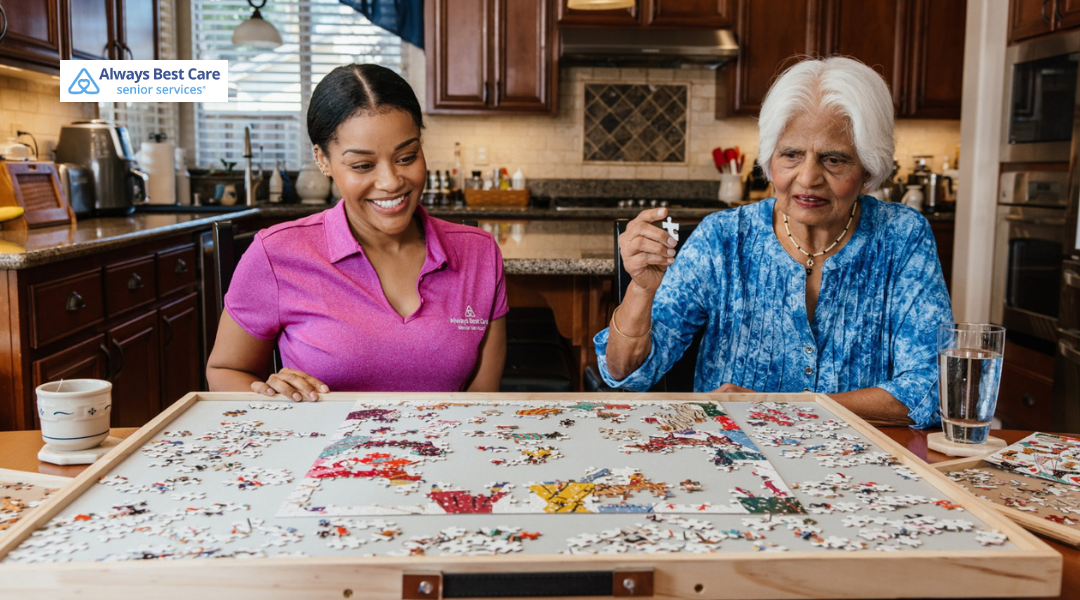
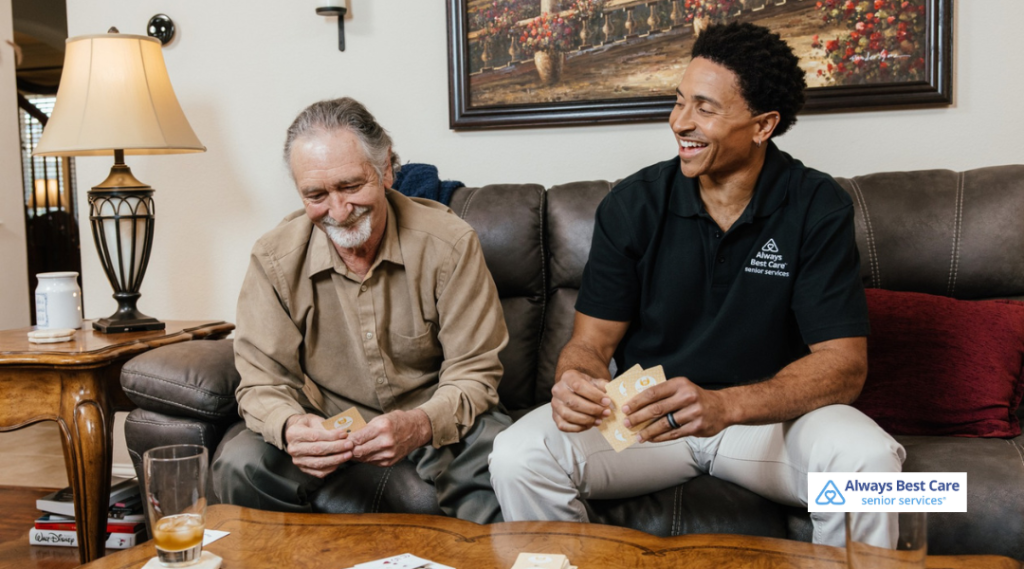
- Simple puzzles or word games
- Looking through photo albums together
- Reading short passages aloud
- Talking about familiar memories
These activities help keep the mind active while creating meaningful moments.
How Brain Injury Recovery Support at Home in Downingtown Builds Confidence
As routines become more familiar, seniors often start to feel more secure. Structure helps create a sense of control and predictability.
Over time, this support can help encourage:
- Greater comfort with daily tasks
- Improved focus and engagement
- Stronger emotional stability
- A renewed sense of independence
Small steps forward can lead to lasting progress.
The Role of In-Home Care in Recovery
Recovery after a brain injury can be overwhelming for families. Balancing daily responsibilities while offering steady support can feel exhausting.
In-home caregivers can help provide consistent, compassionate support through:
- Assistance with daily routines and reminders
- Encouragement during recovery activities
- Companionship and emotional reassurance
- Help maintain a calm, structured environment
This kind of support helps seniors feel more secure while giving families time to rest and recharge.

Supporting Physical Comfort and Daily Safety
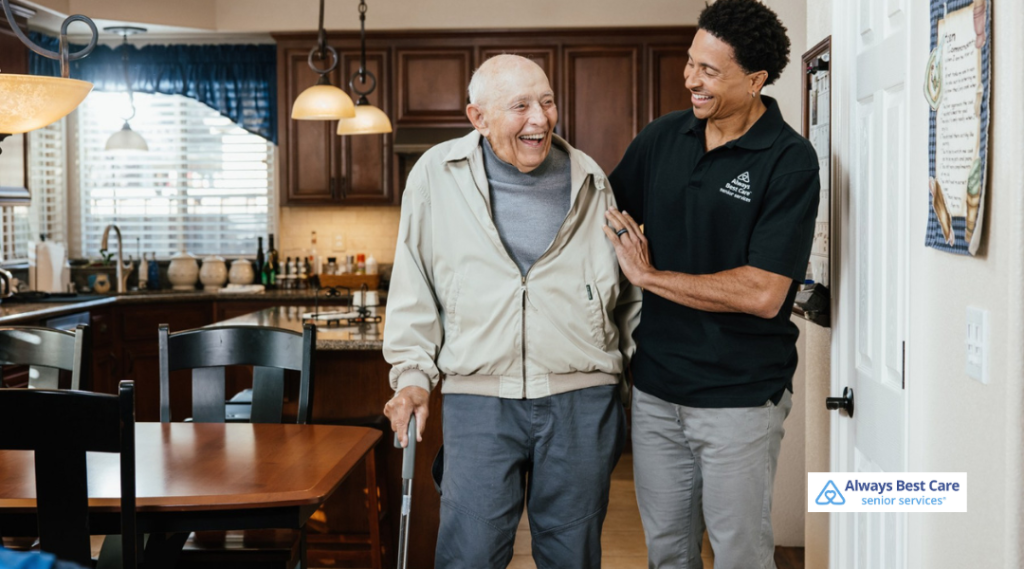
Brain injuries can sometimes affect balance, coordination, or strength. Gentle mobility support and a safe environment can help reduce frustration and lower the risk of falls.
In-home care can help support:
- Safe movement throughout the home
- Light activity that encourages mobility
- Personal care routines
- Nutrition and hydration reminders
- Supervision that promotes safety
These daily supports help create stability while encouraging continued recovery.
FAQs About Brain Injury Recovery Support at Home in Downingtown
Q: How does a brain injury affect emotional health?
A: Seniors may experience mood changes, frustration, or anxiety as they adjust to memory and focus challenges.
Q: Can routines really help with recovery?
A: Yes. Consistent routines can reduce confusion, create comfort, and support cognitive stability.
Q: What are simple ways to support memory at home?
A: Gentle reminders, written notes, and predictable schedules can help make daily tasks easier to manage.
Q: How can families support emotional recovery?
A: Patience, reassurance, and positive encouragement help build confidence over time.
Q: Can in-home care help during brain injury recovery?
A: Yes. Caregivers provide daily structure, reminders, companionship, and support that help seniors adjust and feel more secure.

Need Extra Support With Brain Injury Recovery at Home in Downingtown?
Healing after a brain injury takes time, understanding, and steady support. With the right environment and daily encouragement, seniors can continue rebuilding confidence and adjusting to new routines at home. Contact Always Best Care of Downingtown at (610) 450-6776 to learn more and schedule your free consultation.
For families in Downingtown, in-home caregivers can provide structure, companionship, and hands-on assistance that helps support cognitive and emotional recovery while easing stress for loved ones.
Link to the markdown version of this blog.