
Top Senior Scams in Downingtown, PA and How to Avoid Them
Scammers are getting craftier by the day, and sadly, they’ve got their sights set on older adults. In Downingtown, PA and beyond, seniors are often seen as “easy targets” because they’re polite, financially stable, or not as familiar with today’s fast-changing technology. That mix can turn into a perfect storm for fraud and heartbreak.
The flip side? Awareness packs a real punch. Once we know what tricks are out there and what red flags to watch for, we can step in early and protect the people we love. At Always Best Care of Downingtown, PA, we see firsthand how informed families can stop scammers in their tracks—and we’re here to help.
What You Will Learn:
- Why seniors in Downingtown are common targets for scams.
- The most common types of scams affecting older adults.
- Key warning signs of fraud and financial exploitation.
- Practical steps families can take to prevent scams.

Table of Contents
Why Are Seniors in Downingtown, PA So Often Targeted by Scams?
Scammers aren’t picking names out of a hat. They’re intentional, and they know exactly who they’re chasing. Many older adults:
- Are naturally trusting and polite, even with strangers
- Have savings, retirement funds, or a steady income
- May live alone or go long stretches without company
- Aren’t as comfortable with online banking, emails, or new devices
Put all that together, and it becomes easier for a scammer to build fake trust, twist the story, and walk away with money—or personal information—that took a lifetime to earn.
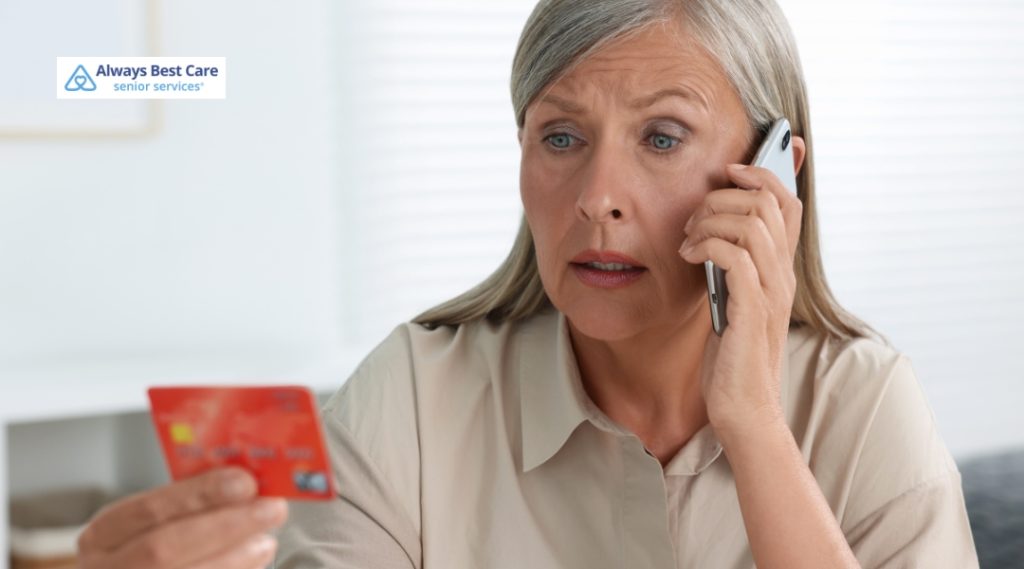
Common Types of Senior Scams in Downingtown, PA
Scammers use different hooks, but the goal is always the same: get cash, data, or both. Here are some of the worst offenders we see affecting seniors.
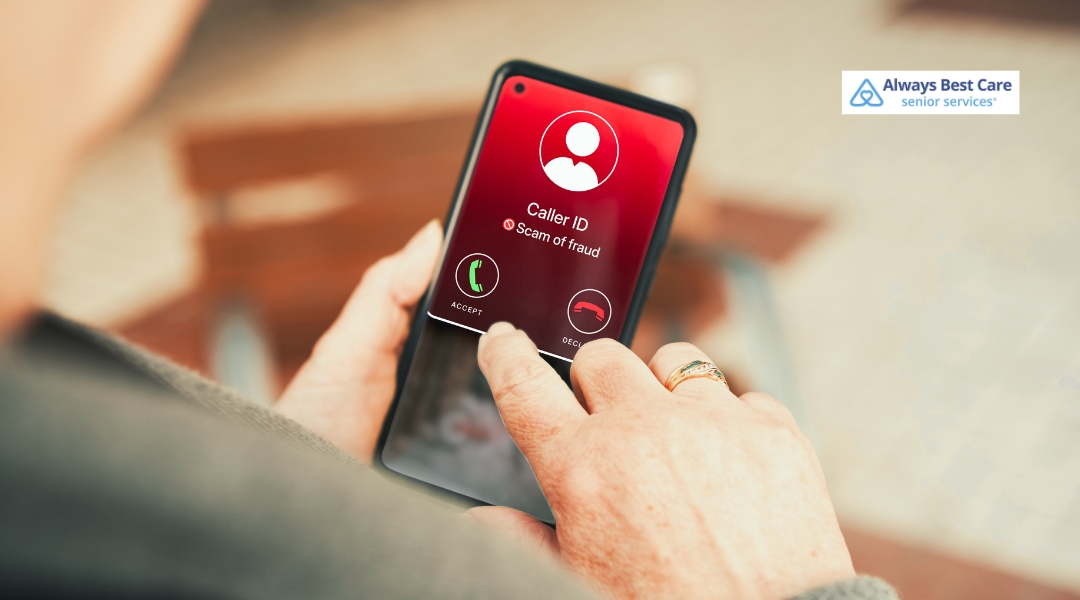
Phone Scams
The phone rings, and on the other end is someone claiming to be:
- A government agency
- A utility company
- A bank
- Or even a grandchild “in trouble”
They sound urgent—panicked, even. They may say things like, “You must pay right now or your service will be shut off,” or “Grandma, please don’t tell Mom and Dad.” The pressure is the point.
Email and Phishing Scams
These messages can look shockingly real. They might:
- Pretend to be from a bank, Medicare, Social Security, or a well-known company
- Ask you to click a link to “verify” or “fix” something
- Lead to a fake website that collects passwords, Social Security numbers, or account details
One wrong click, and suddenly a scammer has the keys to your loved one’s financial life.
Sweepstakes and Lottery Scams
Out of the blue, a senior is told they’ve won big—maybe a car, a vacation, or a huge cash prize. The catch?
- They must pay “fees,” “taxes,” or “processing costs” first
- The scammer might ask for a wire transfer or gift cards
- The prize never shows up, because it never existed
If someone has to pay to get a prize, that’s a major red flag.
Romance Scams
Online companionship can feel like a lifeline, especially for someone who’s lonely. Romance scammers take advantage of that. They:
- Build an emotional bond over weeks or months
- Share stories about hardship or “emergencies”
- Eventually ask for money, often more than once
It’s heartbreaking because it hits both the wallet and the heart.
Tech Support Scams
A scary pop-up suddenly claims there’s a “virus” on the computer, or a caller insists there’s a serious tech problem. Then they:
- Ask for remote access to the computer
- Request payment for “repairs”
In reality, there may be nothing wrong—until the scammer gets control.

Warning Signs of Senior Scams: What Should You Watch For?
Most scams follow a familiar pattern. Once we know the script, it’s easier to spot trouble early. Watch for:
- Urgent demands for immediate payment or action
- Requests for payment via gift cards, wire transfers, or cryptocurrency
- Unsolicited calls, emails, or texts asking for personal info or account numbers
- Messages that create fear, panic, or secrecy
- Requests to keep the situation “just between us”
If something feels off, it’s wise to hit pause, hang up, or close the message. Then, independently verify the request using a known phone number or website—not one provided in the suspicious contact.
How Families Can Help Protect Loved Ones in Downingtown, PA
Family involvement can make all the difference. Even small habits can dramatically cut the risk of scams. Helpful steps include:
- Talk regularly about scams and share real-life examples
- Remind your loved one to double-check requests before sending money or giving information
- Review bank and credit card statements for unusual charges
- Help set up call blocking, spam filters, and strong passwords
- Encourage your loved one to call a trusted family member before large purchases or donations
Most importantly, try to keep the conversation judgment-free. If seniors feel they’ll be criticized or talked down to, they may stay quiet—exactly what scammers are counting on.

The Role of In-Home Care in Senior Scam Prevention
Here’s where we come in. In-home care isn’t just about bathing, meals, and rides to appointments. It can also be a powerful barrier between seniors and scammers.
At Always Best Care of Downingtown, PA, we:
- Help with screen phone calls and unexpected visitors
- Notice changes in mood, spending, or worry about money
- Provide companionship, which can reduce loneliness and make seniors less vulnerable to charm-based scams
- Encourage open communication with family members about suspicious messages or requests
By being there day in and day out, we can spot patterns that might slip past others. If something doesn’t sit right, we speak up and loop in the family.
What Should You Do If You Suspect a Scam?
If you think a loved one in Downingtown, PA has been targeted—or has already sent money—acting quickly is crucial. Here’s a simple game plan:
- Contact the bank or credit card company right away to try to stop or reverse the transaction.
- Report the scam to local law enforcement or adult protective services.
- Watch accounts closely for any other odd activity.
- Offer emotional support, not blame.
Many seniors feel embarrassed or guilty after a scam, which can keep them from telling anyone. A calm, supportive response helps them open up so the damage doesn’t get worse.

Protecting Seniors Starts with Awareness
Scammers aren’t going away, but they’re a lot less powerful when families stay informed, talk openly, and keep a close eye on unusual requests. We’ve seen how education, conversation, and consistent support can shield seniors from serious financial loss and deep emotional pain.
At Always Best Care of Downingtown, PA, we’re committed to helping seniors live safely and confidently at home. We not only help with daily tasks—we also add an extra layer of watchfulness and reassurance against scams.
FAQs
Q: What’s the biggest red flag of a senior scam?
A: One of the biggest warning signs is pressure to act immediately, especially when paired with threats, fear, or secrecy.
Q: How many times should we talk to our loved one about scams?
A: Honestly, more than once. Gentle, regular reminders help keep the information fresh and make it easier for them to speak up if something happens.
Q: Are phone calls or emails more dangerous for seniors?
A: Both can be risky in different ways. Phone scams often use urgency and emotion, while email and text scams can silently capture passwords and account details.
Q: Can caregivers really help prevent scams?
A: Yes. Caregivers from Always Best Care of Downingtown, PA can spot suspicious patterns, screen calls, and encourage seniors to check with family before making big financial decisions.
Q: What’s the first step if money has already been sent?
A: Contact the bank or card company immediately, then report the scam to local authorities. The faster you act, the better the chance of limiting the damage.

Help Your Loved One Stay Safe, Supported, and Protected
Scams targeting seniors are getting more clever, but they’re not unstoppable. With open conversations, simple safety habits, and steady support, families in Downingtown, PA can dramatically lower the risk for their loved ones.
We at Always Best Care of Downingtown, PA are here to walk that road with you—offering care, companionship, and an extra set of eyes and ears to help keep seniors safe, independent, and confident at home. If your loved one could use more support, reach out to us to schedule a care consultation and learn how we can help protect them from scams while supporting their daily life. Contact Always Best Care of Downingtown at (610) 450-6776 to learn more and schedule your free consultation.
Link to the markdown version of this blog.