

When Appetite Declines: Helping Seniors Eat Well in Downingtown, PA
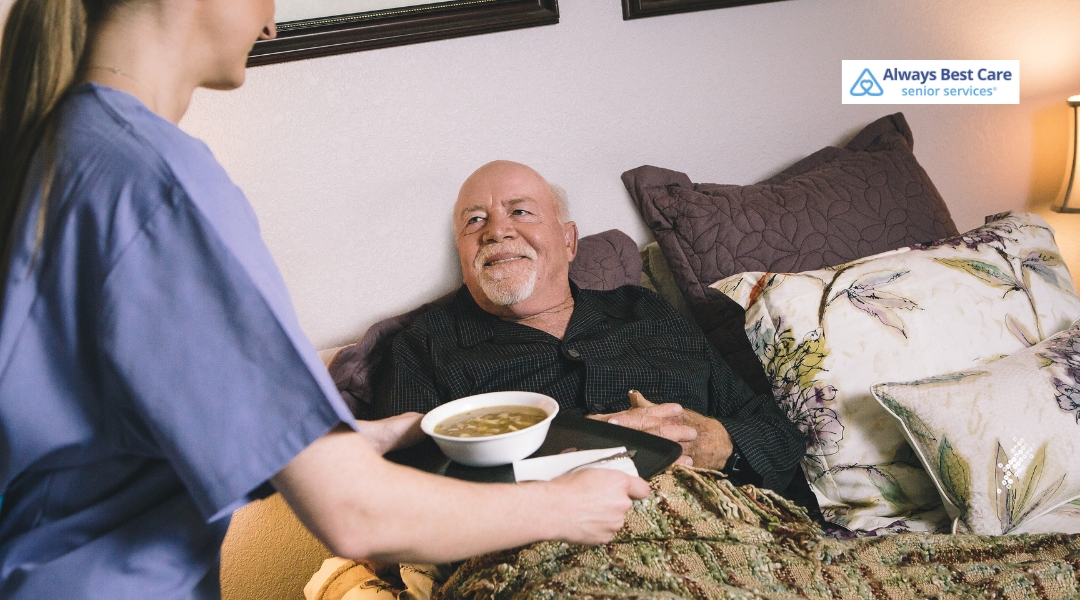
As loved ones grow older, we often spot subtle changes at the table before we notice them anywhere else. That once hearty eater might start skipping breakfast, pushing food around the plate, or saying, “I’m just not hungry.” A passing change is one thing, but when appetite declines and stays low, it can chip away at health, mood, and independence.
At Always Best Care of Downingtown, PA, we see every day how good nutrition supports aging well—stronger muscles, better energy, fewer illnesses, and more confidence getting through the day. When seniors eat well, they’re not just nourished; they’re more fully themselves.
What You Will Learn:
- Why appetite declines in seniors and common contributing factors.
- The health risks of poor nutrition in older adults.
- Simple ways to make meals more appealing and easier to enjoy.
- How caregivers and home care support consistent nutrition and well-being.
Table of Contents
Why Appetite Declines: What’s Really Going On?
Common Reasons Appetite Declines with Age
It’s rarely just “getting older.” Often, a mix of small issues quietly adds up. Some of the most common reasons include:
- Changes in taste and smell that make food seem bland
- Slower digestion and feeling full faster
- Lower activity levels and reduced calorie needs
- Side effects from medications
- Dental problems or dentures that don’t fit
- Difficulty chewing or swallowing
- Ongoing health conditions
- Depression, anxiety, or loneliness
- Memory loss or cognitive changes
Because several of these may be happening at once, it helps to watch for ongoing changes and talk with a healthcare provider if something doesn’t seem right.
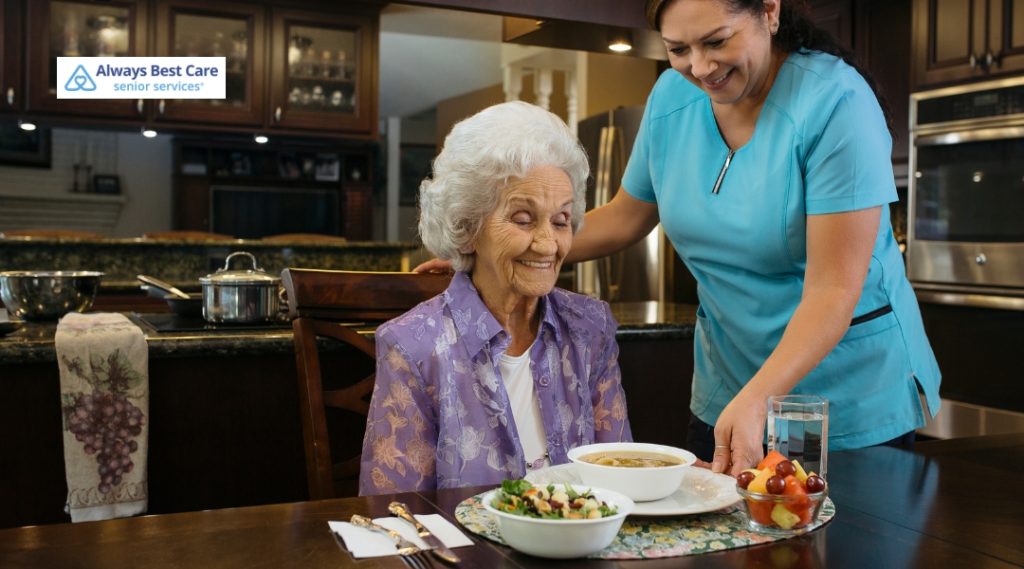
The Hidden Risks of Poor Nutrition
When appetite declines, seniors often eat less than their bodies truly need. Over time, that quiet shift can lead to:
- Unintended weight loss
- Muscle weakness and less stability
- Greater risk of falls
- Fatigue and low energy
- Slower healing after illness or injury
- A weakened immune system
Even mild nutritional gaps can make daily tasks—getting dressed, walking, bathing—feel harder than they should. That’s why catching appetite changes early matters so much.

Making Meals More Appealing (and Less of a Chore)
Simple Ways to Spark Interest in Food Again
Sometimes, it’s not about how much is on the plate but how inviting that plate looks. A few tweaks can turn “I’m not hungry” into “That smells good.”
Try things like:
- Boosting flavor with herbs and spices
- Adding color: bright fruits, vegetables, and whole grains
- Serving familiar favorite foods when possible
- Offering smaller portions more often throughout the day
- Choosing nutrient-dense foods that pack more nutrition into each bite
Many seniors do better with several small meals and snacks rather than three big sit-down meals. That way, eating doesn’t feel overwhelming.
Turning Mealtime into a Social Experience in Downingtown, PA
Eating alone can make food feel like a chore instead of a pleasure. Seniors who feel isolated may nibble, skip meals, or lose interest in eating altogether.
In Downingtown, PA, we encourage:
- Shared meals with family or friends
- Sitting together for lunch or dinner, even if menus differ
- Enjoying a cup of tea or coffee together in the afternoon
- Light conversation that makes staying at the table more enjoyable
That simple companionship can gently increase how much someone eats and make mealtime a bright spot in the day rather than something to “get through.”

Spotting When Appetite Declines Needs Medical Attention
Some shifts in eating are minor. Others are a red flag. Families should pay close attention if they notice:
- Significant or sudden weight loss
- Trouble chewing or swallowing
- Changes in mood or withdrawal from others
- Ongoing nausea or digestive distress
- Increased confusion or forgetfulness
In these cases, talking with a doctor or dentist can uncover issues such as medication side effects, dental problems, or other health concerns that may be dampening appetite.
Focus on Nutrient-Rich Foods When Every Bite Counts
When appetite is limited, food needs to work harder. Nutrient-rich options help seniors get what they need in smaller amounts.
Great choices include:
- Eggs
- Greek yogurt
- Lean meats and fish
- Nut butters
- Beans and lentils
- Fresh fruits and vegetables
- Whole grains
Protein is especially key—it helps maintain muscle strength and supports mobility, balance, and independence as we age.

How Always Best Care of Downingtown, PA Helps When Appetite Declines
Maintaining good nutrition can feel daunting for seniors, especially if they live alone or manage health challenges. That’s where we step in.
We at Always Best Care of Downingtown, PA can help by:
- Planning meals that match tastes, abilities, and nutritional needs
- Preparing meals that are easy to chew, swallow, and enjoy
- Handling grocery shopping and keeping healthy staples on hand
- Encouraging regular hydration throughout the day
- Keeping an eye on appetite changes and eating patterns
- Providing companionship at mealtimes so seniors don’t have to eat alone
- Sharing concerns with families so small issues don’t grow into big ones
Our goal is simple: help seniors maintain steady, nourishing eating habits so they can feel stronger, safer, and more at home in their daily lives.
Supporting Healthy Eating and Healthy Aging in Downingtown, PA
A declining appetite shouldn’t be brushed off as “just aging.” Good food is fuel for strength, energy, and independence at every stage of life. With thoughtful support, seniors in Downingtown, PA can keep enjoying meals—and the comfort and connection they bring.
If you’re concerned that a loved one’s appetite declines more than it should, we at Always Best Care of Downingtown, PA are here to help explore options, adjust meals, and bring warmth back to the table.

FAQs
Q: How do I know if a senior’s reduced appetite is a serious concern?
A: If you notice steady weight loss, ongoing fatigue, mood changes, or confusion alongside eating less, it’s wise to talk with a healthcare provider.
Q: What are some easy, nutrient-dense foods for someone who eats very small portions?
A: Eggs, Greek yogurt, smoothies with fruit and nut butter, soft meats or fish, beans, and fortified cereals offer a lot of nutrition in modest servings.
Q: Can social meals really help when appetite declines?
A: Yes. Eating with others often boosts appetite, encourages longer time at the table, and makes meals more enjoyable, especially for seniors who feel lonely.
Q: How can we support seniors who struggle to cook?
A: Help with grocery shopping, simple meal prep, batch cooking, and ready-to-eat healthy options can ease the burden and keep nutrition on track.
Q: What role does Always Best Care of Downingtown, PA play in supporting better eating habits?
We provide meal planning, cooking support, hydration reminders, companionship at meals, and careful monitoring of appetite changes to support safer, healthier aging at home.
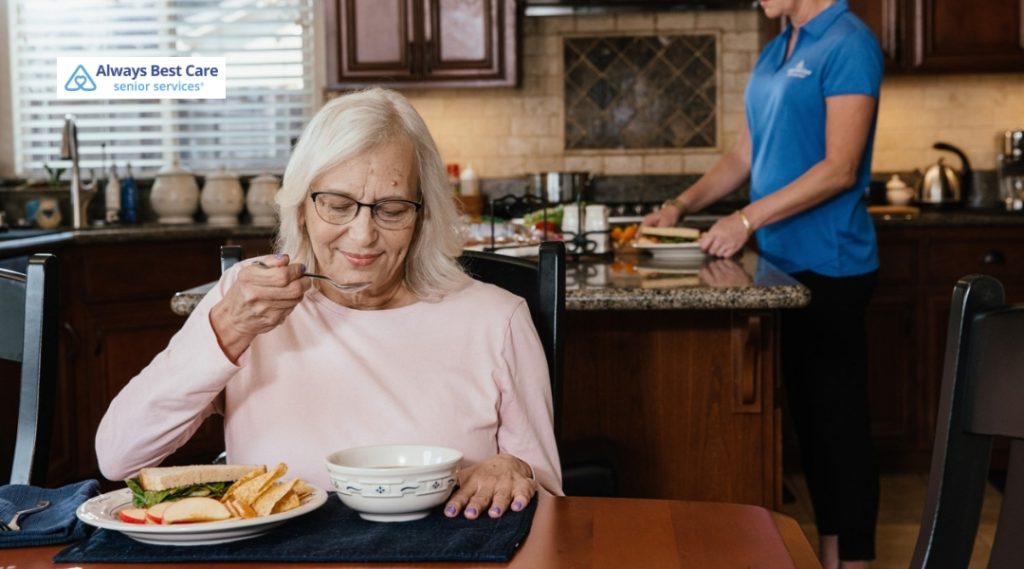
Support Healthy Eating and Independence at Home
When appetite declines, it’s more than just a smaller plate—it’s a signal that a senior may need extra care and connection. By focusing on appealing, nutrient-rich foods, making mealtimes social, and responding quickly to health concerns, families and caregivers can help older adults stay well-nourished and more independent.
We at Always Best Care of Downingtown, PA are committed to helping seniors enjoy healthy, satisfying meals and the sense of comfort that comes with eating well at home. Contact Always Best Care of Downingtown at (610) 450-6776 to learn more and schedule your free consultation.
Link to the markdown version of this blog.