
Elder Abuse Prevention: Protecting Seniors and Promoting Safe, Respectful Care in West Monroe, LA

Elder abuse isn’t just a headline or a statistic; it’s something that can quietly unfold behind closed doors, even in places that should feel safe. For seniors in West Monroe, LA, feeling protected, respected, and truly cared for isn’t a luxury; it’s a basic right. And for families, the thought that a loved one might be mistreated is enough to keep us up at night.
That’s why talking openly about elder abuse prevention matters so much. Once we understand what abuse looks like, which red flags to watch for, and how to respond, we’re far better equipped to keep the seniors we love safe and supported. At Always Best Care of West Monroe, LA, we see ourselves as partners in that effort, walking alongside families, not ahead of them, not instead of them.
What you will learn:
- What elder abuse is, the main ways it can appear, and why it sometimes goes unnoticed in everyday life.
- How to spot common warning signs and risk factors that may put seniors in West Monroe, LA at higher risk.
- Simple, caring steps families can take to stay involved, support caregivers, and create a safer home environment.
- What to do if something feels wrong, including how to talk with your loved one, document concerns, and reach out for trusted help.
Table of Contents
What Is Elder Abuse?
Elder abuse happens when someone’s actions, or failure to act, cause harm, distress, or serious risk to an older adult. It can show up in more than one way at the same time, making it tricky to spot.
Common types include:
- Physical abuse – hitting, pushing, rough handling, or using restraints in a harmful or unnecessary way
- Emotional abuse – yelling, threats, humiliation, constant criticism, or isolating a senior from friends and family
- Financial exploitation – misusing money, pressuring a senior to sign documents, or “borrowing” funds that are never repaid
- Neglect – failing to provide food, clean clothing, hygiene, medication, or medical care
- Abandonment – leaving a senior alone without the support or supervision they clearly need
Once we recognize that abuse doesn’t always look like bruises or shouting, it’s easier to see why it sometimes flies under the radar.
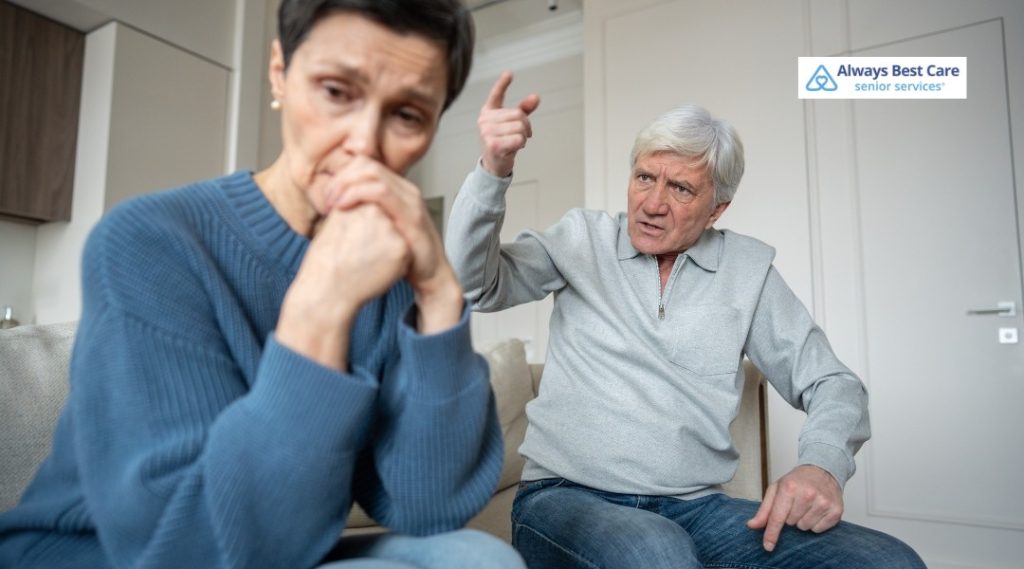
Warning Signs Families Should Never Ignore
Elder abuse often creeps in quietly. At first, something just feels “off,” but nothing you can quite put your finger on. That gut feeling is worth paying attention to.
Possible warning signs include:
- Unexplained bruises, injuries, or frequent falls
- Sudden changes in mood, such as fear, anxiety, or unusual sadness
- Withdrawal from friends, family, or favorite activities
- Poor hygiene, dirty clothing, or strong odors
- Unpaid bills, missing belongings, or strange bank activity
- A senior who seems nervous, hesitant, or unusually quiet around certain people
- Noticeable changes in eating, sleeping, or communication
If you see one red flag, it may be nothing. If you see several, and they stick around, it’s time to start asking gentle but direct questions.
Risk Factors That Increase Vulnerability
Some situations make seniors easier targets for abuse. That doesn’t mean abuse is inevitable, but it does mean we should keep a closer eye on things.
Common risk factors include:
- Social isolation – few visitors, rare outings, or limited contact with others
- Cognitive changes – memory loss, confusion, or dementia
- Physical limitations – needing help with bathing, dressing, cooking, or moving around
- Financial dependence – relying on others to manage money or pay bills
- Caregiver stress – feeling overwhelmed, exhausted, or unsupported
By spotting these risk factors early, families can step in, share the load, and create a safer setup before problems take root.

Practical Steps Families Can Take to Prevent Elder Abuse
Elder abuse prevention isn’t about living in fear; it’s about staying involved, asking questions, and keeping the lines of communication wide open.
Here are some simple but powerful steps families can take:
- Stay present and involved
- Visit regularly, both planned and unannounced, when possible.
- Talk about daily routines, not just “How are you doing?”
- Keep communication flowing
- Call, video chat, or text frequently.
- Ask specific questions like, “Who helped you today?” or “How are you feeling about the care you’re getting?”
- Watch the finances
- Review bank statements together.
- Keep track of large withdrawals, new “friends,” or sudden changes to wills or accounts.
- Build a trusted circle
- Connect with neighbors, faith communities, and healthcare providers.
- Share contact information so people know how to reach you if they see something concerning.
- Support the caregivers
- Check in on how caregivers are coping, not just how the senior is doing.
- Encourage breaks, days off, and backup help to prevent burnout.
Small, steady involvement can go a long way toward preventing problems and catching concerns early.
How Professional In-Home Care in West Monroe, LA Helps Prevent Elder Abuse
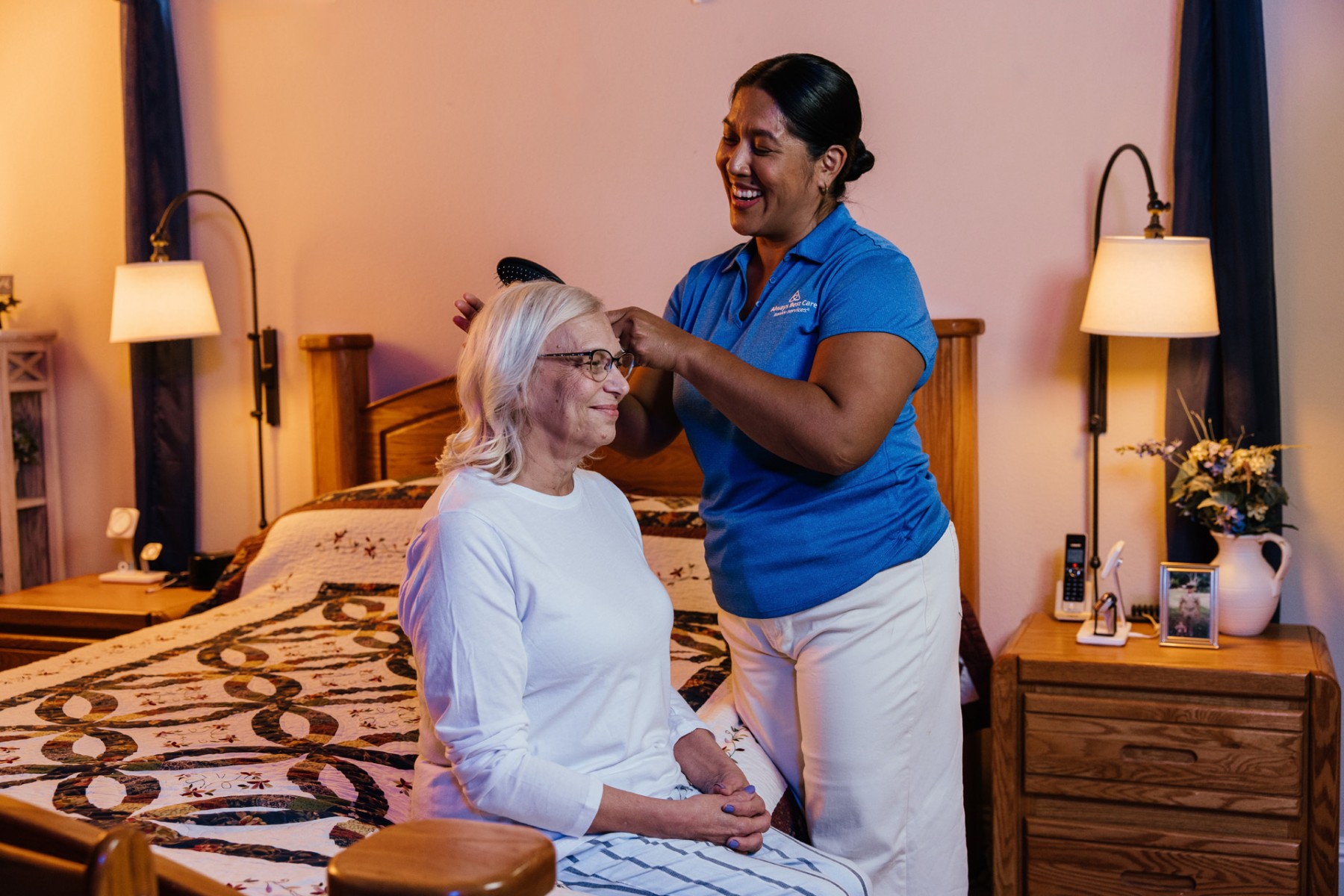
Professional in-home care can be a protective layer for seniors and families alike. Caregivers aren’t just helping with meals or bathing; they’re another set of eyes, ears, and caring hands.
At Always Best Care of West Monroe, LA, we take this responsibility seriously. We:
- Carefully screen and train caregivers before they ever step into a home
- Emphasize respect, patience, and clear communication in everyday care
- Encourage caregivers to speak up quickly about changes in mood, behavior, or physical condition
- Work with families to understand routines, preferences, and concerns from day one
By offering consistent, compassionate support, we help create a home environment where seniors feel safe, valued, and heard.

What Should You Do If You Suspect Elder Abuse?
That gnawing sense that something isn’t right can be hard to shake. So what should you do if you suspect a loved one may be at risk?
Consider these steps:
- Talk privately with your loved one
- Choose a calm, safe setting.
- Ask open-ended questions:
- “Has anyone hurt or scared you?”
- “Is there anything happening that you haven’t told me about?”
- Write down what you notice
- Dates, times, mood changes, injuries, or unusual financial activity.
- Names of people who are around frequently.
- Reach out for help
- Contact local adult protective services.
- Speak with healthcare providers who know your loved one.
- Call law enforcement if you believe there’s immediate danger.
Taking action might feel uncomfortable, but staying silent can be far more damaging. It’s better to be overly cautious than wish you’d spoken up sooner.
Creating a Safer Future for Seniors in West Monroe, LA
Protecting seniors is a shared effort; it’s something families, neighbors, healthcare providers, and care agencies all have a hand in. By staying informed, asking questions, and checking in often, we can make it much harder for abuse to hide in the shadows.
At Always Best Care of West Monroe, we see every visit, every conversation, and every small act of kindness as part of a bigger picture: helping seniors live at home with safety, dignity, and genuine connection. We work closely with families so no one feels like they’re carrying the weight alone.

Frequently Asked Questions
Q: What’s the most common type of elder abuse?
A: Emotional and psychological abuse, along with neglect, are reported often. Financial exploitation is also common, especially when a senior depends on others to manage money.
Q: Can elder abuse happen even in “good” families?
A: Yes. Abuse can occur in any family or setting, even where people care about one another. Stress, lack of support, and poor boundaries can all play a role, which is why prevention and open communication are so important.
Q: How can I talk to my loved one about abuse without scaring them?
A: Use a calm, reassuring tone and focus on their safety: “I care about you, and I want to make sure you feel safe and respected. Has anyone done anything that made you uncomfortable?”
Q: How does Always Best Care of West Monroe, LA help protect seniors?
A: We use careful screening, training, and ongoing communication with families to support safe, respectful, and transparent care in the home. Our caregivers watch for changes and share concerns promptly.
Q: Who do I call first if I’m worried right now?
A: If you think your loved one is in immediate danger, call law enforcement. For non-emergency concerns, reach out to adult protective services and your loved one’s healthcare providers for guidance.
Safety, Respect, and Peace of Mind Begin at Home
Elder abuse prevention isn’t just about spotting obvious harm; it’s about building a culture of respect, attentiveness, and open conversation around the seniors we love. By staying engaged, watching for warning signs, and responding quickly to concerns, families in West Monroe, LA can help protect their loved ones from harm.
If you’re looking for compassionate, reliable support, reach out to Always Best Care of West Monroe at (318) 217-8820 today to talk through your concerns, explore care options, and begin creating a safer, more dignified home environment for the senior in your life.
Link to the Markdown File version of the article