

Blood Sugar Changes in Older Adults: Warning Signs Families Should Know in West Monroe, LA
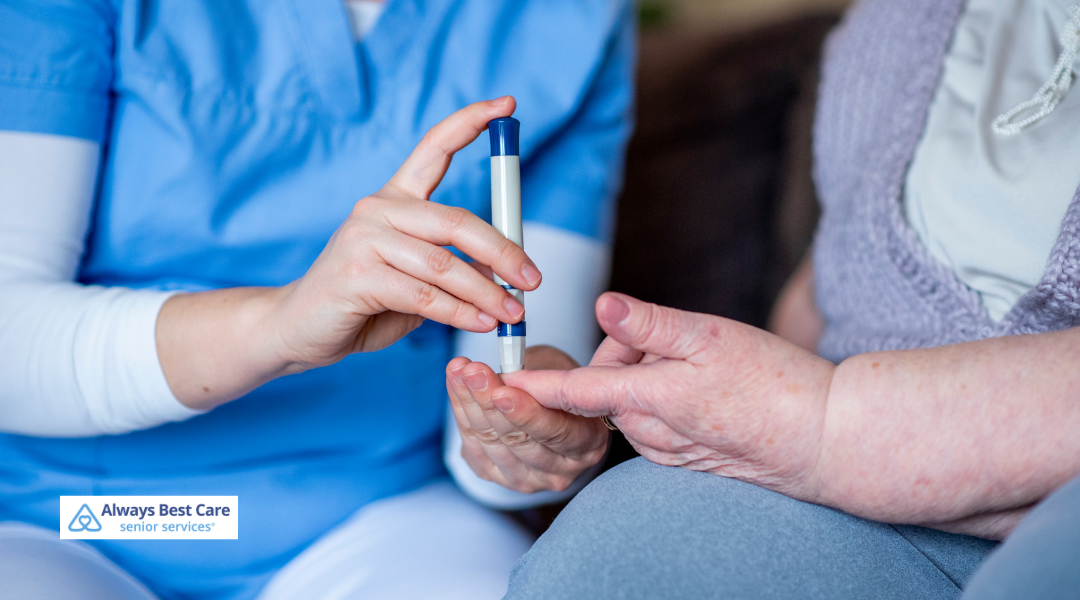
For families in West Monroe, LA, knowing what to watch for can be the difference between catching a problem early and facing a medical emergency.
At Always Best Care of West Monroe, LA, we understand that diabetes management is about much more than numbers on a glucose meter. It is about supporting healthy routines, helping older adults feel secure at home, and giving families greater peace of mind. With steady care, clear communication, and a watchful eye, seniors can receive the support they need to stay safer, more comfortable, and as independent as possible.
- Why blood sugar can become more difficult to manage as adults grow older.
- How to recognize possible warning signs of low and high blood sugar in a loved one.
- Which daily routines can help support steadier blood sugar and safer diabetes care at home.
- When memory, mobility, or missed-care concerns may mean an older adult could benefit from extra support in West Monroe, LA.
Table of Contents
How Aging Changes the Blood Sugar Equation
Diabetes doesn’t stay the same as a person ages. The body’s ability to regulate blood sugar shifts over time, and several age-related changes can make control more difficult:
- Kidney function declines, which affects how the body processes medications and fluids
- Appetite decreases, leading to irregular eating patterns that can cause blood sugar to swing
- Hormonal responses weaken, meaning the body may not signal low blood sugar as clearly as it once did
- Polypharmacy is common — many older adults take five or more medications, and drug interactions can unpredictably affect glucose levels
- Cognitive changes can make it hard to remember medications, meals, or glucose checks
This is why a senior who managed diabetes independently for years may suddenly need more support — not because they’ve failed, but because the condition itself has evolved.

The Hidden Danger of Low Blood Sugar in Seniors
Low blood sugar (hypoglycemia) is particularly risky for older adults because the classic warning signs — shakiness, sweating, rapid heartbeat — can be blunted or absent entirely. This is called hypoglycemia unawareness, and it’s more common in long-term diabetics.
Instead, families may notice:
- Sudden confusion or unusual behavior
- Unexplained fatigue or weakness
- Stumbling or loss of coordination
- Irritability or mood changes that seem out of character
- Difficulty speaking or following a conversation
These symptoms can easily be mistaken for a stroke, dementia, or simply a “bad day.” When in doubt, check blood sugar first. Severe hypoglycemia can cause seizures, loss of consciousness, and — if untreated — permanent brain damage.
Recognizing High Blood Sugar Before It Becomes a Crisis
Hyperglycemia tends to develop more gradually, which is both a blessing and a risk. Because it creeps up slowly, seniors and families may not connect the dots until the situation is serious.
Watch for:
- Increased thirst and frequent urination (especially at night)
- Blurred vision
- Fatigue that doesn’t improve with rest
- Slow-healing wounds or recurring infections
- Unexplained weight loss
- Fruity-smelling breath (a sign of diabetic ketoacidosis, which requires emergency care)
Chronically high blood sugar causes cumulative damage to the eyes, kidneys, nerves, and cardiovascular system. But very high blood sugar can also trigger acute emergencies — including diabetic ketoacidosis (DKA) or hyperosmolar hyperglycemic state (HHS) — that require immediate hospitalization.
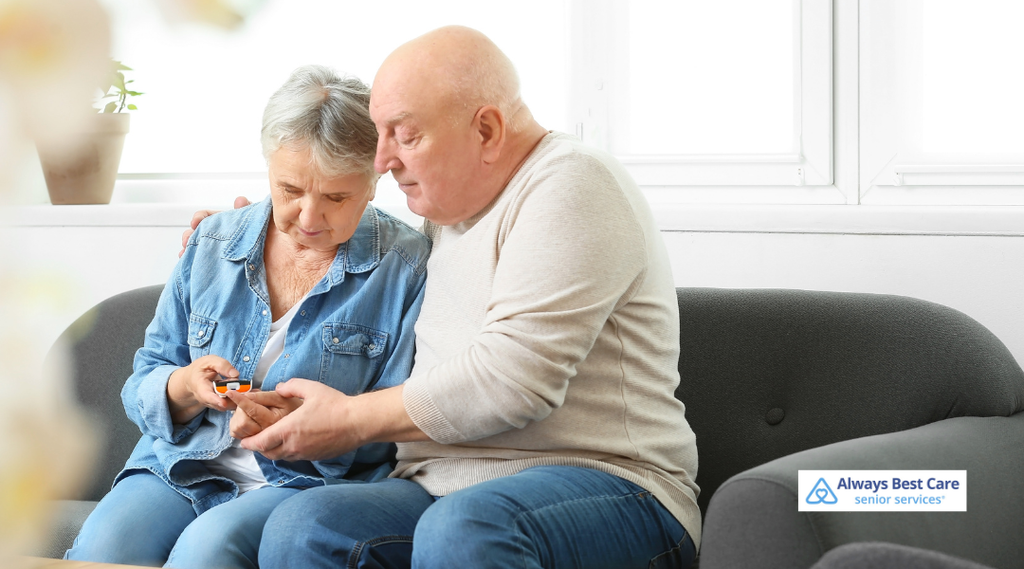
What Families Should Be Watching For Day-to-Day
You don’t need a medical degree to be a meaningful part of your loved one’s diabetes care. You just need to know their baseline — and notice when something shifts.
Some practical things to track:
- Eating habits: Are they skipping meals? Eating less than usual? Eating at irregular times?
- Fluid intake: Are they drinking more water than normal? Urinating more frequently?
- Energy and mood: Do they seem unusually tired, confused, or irritable?
- Physical changes: Are wounds healing slowly? Have they lost weight without trying?
- Medication adherence: Are they taking medications consistently and on schedule?
When you notice a change, don’t dismiss it. Bring it up with their healthcare provider and document what you observed — when it started, how often it happens, and any other context.
Building Routines That Support Stable Blood Sugar
Consistency is one of the most powerful tools in diabetes management. Stable routines reduce the variability that leads to blood sugar swings.
A supportive daily routine might include:
- Meals and snacks at consistent times — skipping meals is one of the most common triggers for hypoglycemia
- Medications taken at the same time each day — consider pill organizers or reminder apps
- Regular blood glucose monitoring — as directed by the healthcare provider
- Adequate hydration — dehydration can raise blood sugar levels
- Appropriate physical activity — even light walking can improve insulin sensitivity
- Scheduled medical appointments — including regular A1C checks and foot exams
Families should also maintain an updated medication list — including supplements and over-the-counter drugs — and share it with every provider involved in the senior’s care.

When Memory or Mobility Gets in the Way
Managing diabetes is cognitively demanding. It requires remembering to check blood sugar, take medications, eat on schedule, and track symptoms. For seniors with early-stage dementia or significant memory changes, this can quickly become overwhelming.
Physical limitations add another layer of difficulty. Arthritis can make it hard to operate a glucose meter. Vision changes can make it difficult to read medication labels or draw insulin into a syringe. Mobility issues can limit access to healthy food or make it harder to get to appointments.
These aren’t reasons to give up on good diabetes management — they’re signals that additional support is needed.
How Always Best Care of West Monroe, LA Can Help
At Always Best Care of West Monroe, LA, our caregivers are trained to support seniors with chronic conditions like diabetes in practical, day-to-day ways. We help by:
- Preparing balanced meals on a consistent schedule
- Providing medication reminders to reduce missed doses
- Monitoring for warning signs and communicating changes to family members and healthcare providers
- Encouraging hydration and safe physical activity
- Providing transportation to medical appointments
- Offering companionship that helps reduce stress — a factor that can directly affect blood sugar levels
For seniors who qualify, our home health services provide an additional layer of clinical support, with skilled nurses and therapists working directly from the physician’s care plan.
Helping Your Loved One Stay Safe with Diabetes in West Monroe, LA
Blood sugar can change quickly — and older adults don’t always feel it happening. The families who make the biggest difference aren’t necessarily the ones with medical training. They’re the ones who stay involved, know their loved one’s patterns, and take changes seriously instead of writing them off as aging.
If your loved one has diabetes and could benefit from more consistent support at home, Always Best Care of West Monroe, LA is here to help. Contact us at (318) 322-2223 to schedule a care consultation and learn how our team can support safer routines, greater independence, and a better quality of life.
Frequently Asked Questions
Q: What blood sugar levels are considered dangerous for older adults?
A: Generally, blood sugar below 70 mg/dL is considered low (hypoglycemia), and above 180 mg/dL after meals may indicate hyperglycemia — though target ranges vary by individual. Seniors often have personalized goals set by their physician. Ask the healthcare provider what ranges to watch for and when to seek help.
Q: Can a senior have low blood sugar without feeling it?
A: Yes. Long-term diabetics — especially older adults — can develop hypoglycemia unawareness, where the body no longer produces the usual warning symptoms. This makes regular monitoring and caregiver observation especially important.
Q: How often should an older adult with diabetes check their blood sugar?
A: This depends on the individual’s treatment plan, medications, and how well their diabetes is controlled. Some seniors check once or twice daily; others may need to check more frequently. Follow the guidance of their healthcare provider.
Q: What should I do if I think my loved one’s blood sugar is low and they can’t swallow safely?
A: Do not give food or drink if there is any risk of choking. Call 911 immediately. If a glucagon emergency kit is available and you are trained to use it, administer it while waiting for help.
Q: How does stress affect blood sugar in older adults?
Both physical stress (illness, surgery, infection) and emotional stress can raise blood sugar by triggering the release of hormones like cortisol and adrenaline. During stressful periods, more frequent monitoring is often recommended.
Q: When does diabetes management at home become unsafe without professional help?
Signs that additional support is needed include: missed medications, skipped meals, unexplained blood sugar swings, difficulty operating a glucose meter, or a recent hospitalization related to diabetes. A home care assessment can help identify the right level of support.
Steady Support for Safer Days Ahead
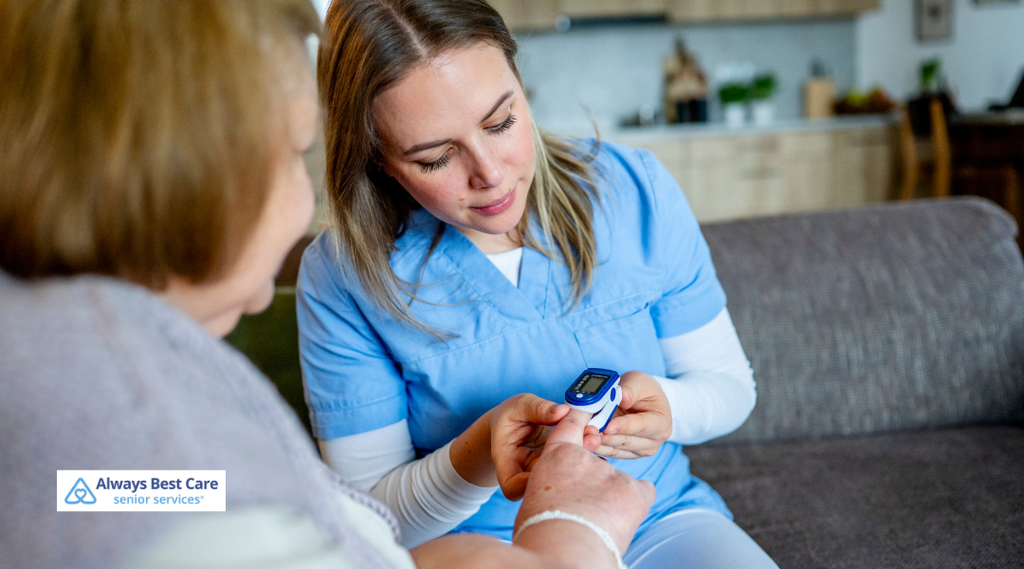
Blood sugar changes in older adults can be easy to miss at first, but families do not have to face diabetes care alone. By paying attention to changes in meals, medication routines, energy, mood, hydration, and mobility, loved ones can recognize possible concerns sooner and seek the right help before a small issue becomes a larger problem.
If someone you love is living with diabetes and could benefit from more reliable support at home, reach out to Always Best Care of West Monroe at (318) 322-2223 today to schedule a care consultation. Together, we can help create safer routines, protect independence, and bring greater confidence to every day
Link to the Markdown File version of the article