
Stroke Prevention Tips for Seniors in West Monroe, LA: Protecting Brain Health Through Healthy Habits
Every 40 seconds, someone in the United States has a stroke. For older adults, the consequences can be severe, affecting mobility, speech, memory, and the ability to live independently. The good news? Up to 80% of strokes are preventable. With the right habits and consistent care, seniors in West Monroe can take meaningful steps to protect their brain health and maintain their quality of life.
What you will learn:
- Why stroke risk increases with age, and how conditions like high blood pressure, diabetes, and high cholesterol raise that risk for seniors in West Monroe.
- The everyday healthy habits that best protect brain and heart health include movement, nourishing foods, hydration, and good blood sugar and cholesterol control.
- How steady support from caregivers and loved ones helps seniors follow prevention routines consistently and stay safe, independent, and thriving at home.
Table of Contents
Why Stroke Risk Rises with Age
Aging naturally changes the cardiovascular system. Blood vessels become less flexible, and the heart may work harder to maintain circulation. Add in common age-related conditions like high blood pressure, diabetes, and high cholesterol, and the risk compounds quickly.
What makes stroke particularly dangerous is how suddenly it strikes. There’s rarely a warning. That’s why prevention, not reaction, is the most powerful tool available to seniors and their families.
Control Blood Pressure: The Single Biggest Factor
High blood pressure is responsible for nearly half of all strokes. When arterial pressure remains elevated for too long, it weakens arterial walls and increases the risk of rupture or blockage in the brain.
For seniors, keeping blood pressure in check requires a consistent, multi-layered approach:
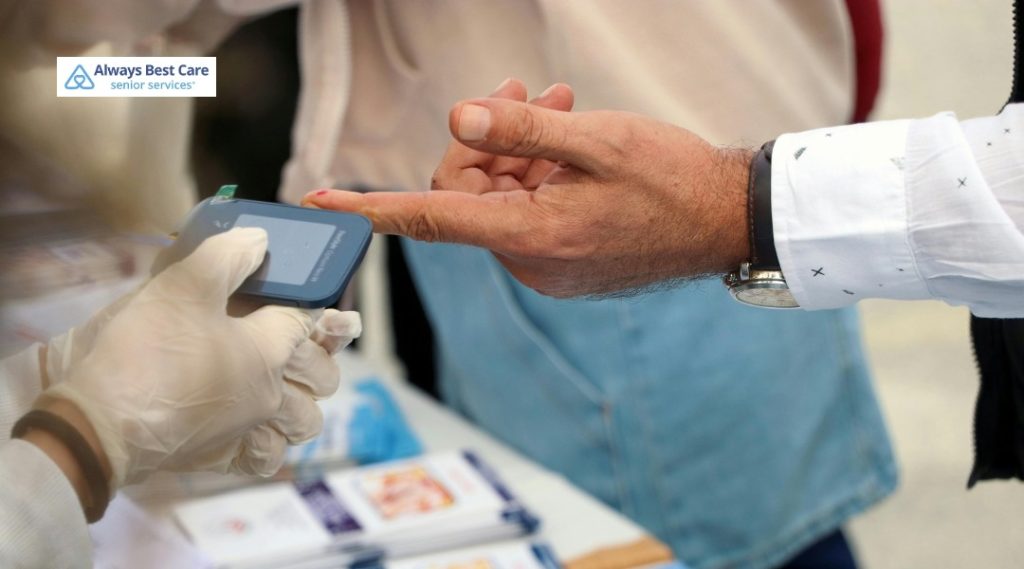
- Monitor regularly — at home and during medical visits
- Take medications as prescribed — skipping doses, even occasionally, can cause dangerous spikes
- Cut back on sodium — processed foods, canned soups, and restaurant meals are common culprits
- Stay active — even light daily movement helps lower blood pressure naturally
- Manage stress — chronic stress contributes to elevated pressure over time
Small, consistent actions add up. A blood pressure log shared with a healthcare provider can reveal patterns that lead to better treatment decisions.
Manage Diabetes to Protect Blood Vessels
Diabetes damages blood vessels over time, making strokes significantly more likely. Seniors with diabetes are two to four times more likely to have a stroke than those without the condition.
Effective management goes beyond just taking medication. It means:
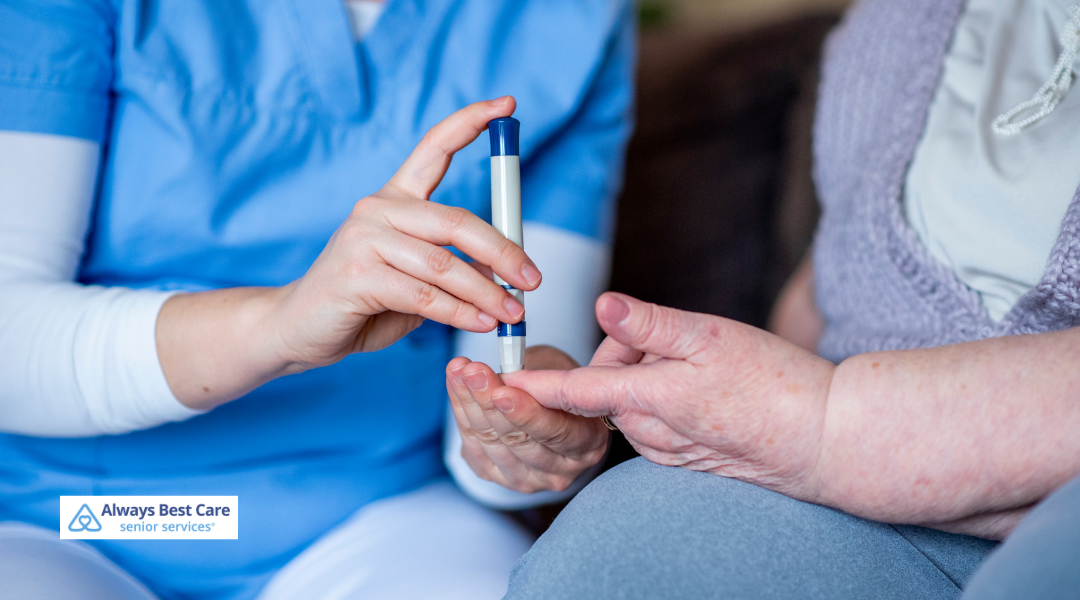
- Checking blood sugar levels consistently and tracking trends
- Following a meal plan that limits refined sugars and simple carbohydrates
- Staying physically active to improve insulin sensitivity
- Attending regular appointments to adjust treatment as needed
When diabetes is well-managed, the risk of stroke and other serious complications drops considerably.
Keep Cholesterol in a Healthy Range
Cholesterol buildup in the arteries, known as atherosclerosis, narrows the pathways that carry blood to the brain. Over time, a partial blockage can become a full one, triggering a stroke.
Seniors can support healthy cholesterol levels by:
- Prioritizing fiber-rich foods like oats, legumes, fruits, and vegetables
- Replacing saturated fats with healthier options like olive oil, avocado, and nuts
- Limiting red meat and full-fat dairy products
- Following any prescribed statin or cholesterol-lowering medication consistently
Routine bloodwork is the only way to know where cholesterol levels stand. Annual checks or more frequent ones for those with a history of heart disease are essential.
Move More, Every Day
Exercise is one of the most effective stroke prevention strategies available, and seniors don’t need a gym membership to benefit. Regular movement improves circulation, helps maintain a healthy weight, lowers blood pressure, and reduces inflammation throughout the body.
Practical, senior-friendly options include:
- Daily walks — even 20 to 30 minutes make a measurable difference
- Chair-based exercises — ideal for those with limited mobility
- Tai chi or gentle yoga — both improve balance and reduce fall risk
- Gardening or light yard work — a functional activity that keeps the body moving
The key is consistency. A short walk every day outperforms an intense workout once a week.
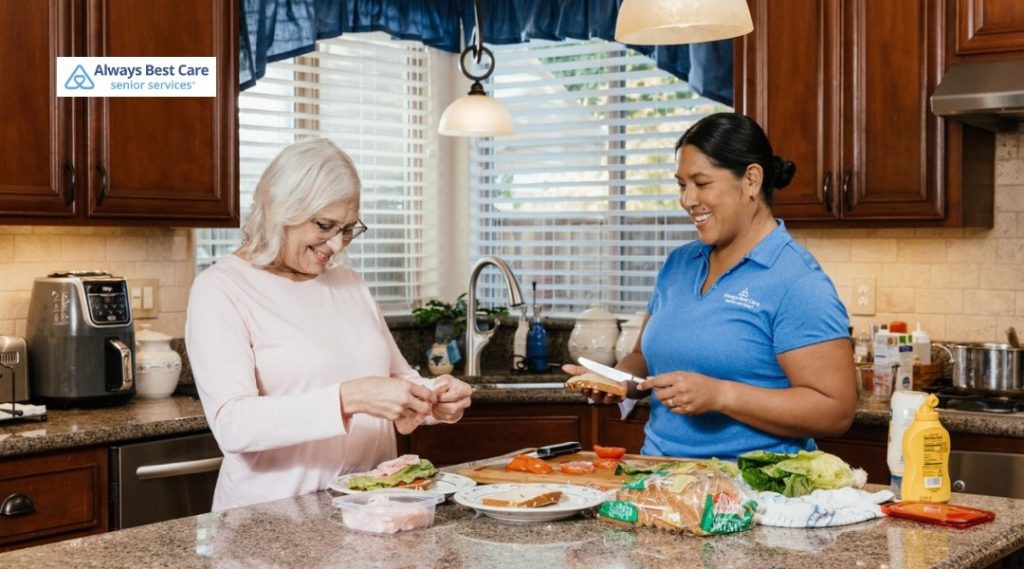
Eat for Brain and Heart Health
Diet directly influences the conditions that lead to stroke. A nutrient-dense eating pattern reduces inflammation, supports healthy blood vessels, and helps manage blood pressure, cholesterol, and blood sugar simultaneously.
A brain- and heart-healthy diet for seniors includes:
- Colorful fruits and vegetables — rich in antioxidants that protect blood vessels
- Whole grains — such as brown rice, quinoa, and whole wheat bread
- Lean proteins — fish (especially fatty fish like salmon), poultry, beans, and lentils
- Healthy fats — olive oil, walnuts, and flaxseed
- Minimal processed foods, which are typically high in sodium, sugar, and unhealthy fats
Staying well-hydrated is equally important. Dehydration thickens the blood, which can increase the risk of clotting.
The Role of Daily Support in Stroke Prevention
Knowing what to do and consistently doing it are two different things, especially for seniors managing multiple health conditions or living alone. This is where caregiver support becomes genuinely valuable.
A trusted caregiver can help seniors in West Monroe:
- Prepare nutritious meals that align with dietary guidelines
- Stay on schedule with medications and doctor appointments
- Engage in daily physical activity safely
- Monitor for early warning signs and communicate changes to healthcare providers
These aren’t small contributions. Consistent daily support can be the difference between a healthy routine that sticks and one that gradually falls apart.

Frequently Asked Questions
Q: What is the most important thing seniors can do to prevent a stroke?
A: Controlling blood pressure is the single most impactful step. High blood pressure is the leading cause of stroke, and keeping it within a healthy range, through medication, diet, and lifestyle changes, significantly reduces risk.
Q: What are the early warning signs of a stroke?
A: The FAST acronym is a helpful guide: Face drooping, Arm weakness, Speech difficulty, Time to call 911. Other signs include sudden confusion, vision problems, severe headache, or loss of balance. Acting quickly is critical; every minute matters.
Q: Can seniors with limited mobility still reduce their stroke risk?
A: Absolutely. Chair-based exercises, gentle stretching, and short walks, even around the home, provide meaningful cardiovascular benefits. A healthcare provider or physical therapist can recommend safe options based on individual ability.
Q: How does diet affect stroke risk specifically?
A: A poor diet contributes to high blood pressure, high cholesterol, and diabetes, all major stroke risk factors. A diet low in sodium and saturated fats, and rich in fruits, vegetables, whole grains, and lean proteins, directly addresses these risks.
Q: How can a caregiver help with stroke prevention?
A: Caregivers provide consistent support with medication schedules, meal preparation, physical activity, and health monitoring. This daily assistance helps seniors maintain the routines that matter most for long-term brain and heart health.
Helping Seniors Stay Healthy and Independent in West Monroe, LA
Stroke prevention is not a single action; it’s a lifestyle built on consistent, informed choices. For seniors in West Monroe, LA, that means managing chronic conditions proactively, staying active, eating well, and having the right support in place.
At Always Best Care of West Monroe, our caregivers work alongside seniors and their families to make healthy living practical and sustainable. From meal preparation and medication reminders to companionship and daily activity support, we help create routines that protect long-term health and independence.
Call Always Best Care of West Monroe today at 318-322-2223 to schedule a care consultation and learn how we can help your loved one stay healthy, active, and independent.
Link to the Markdown File version of the article