

Preparing for Hospice in West Monroe: A Practical Guide for Families Considering Care Options
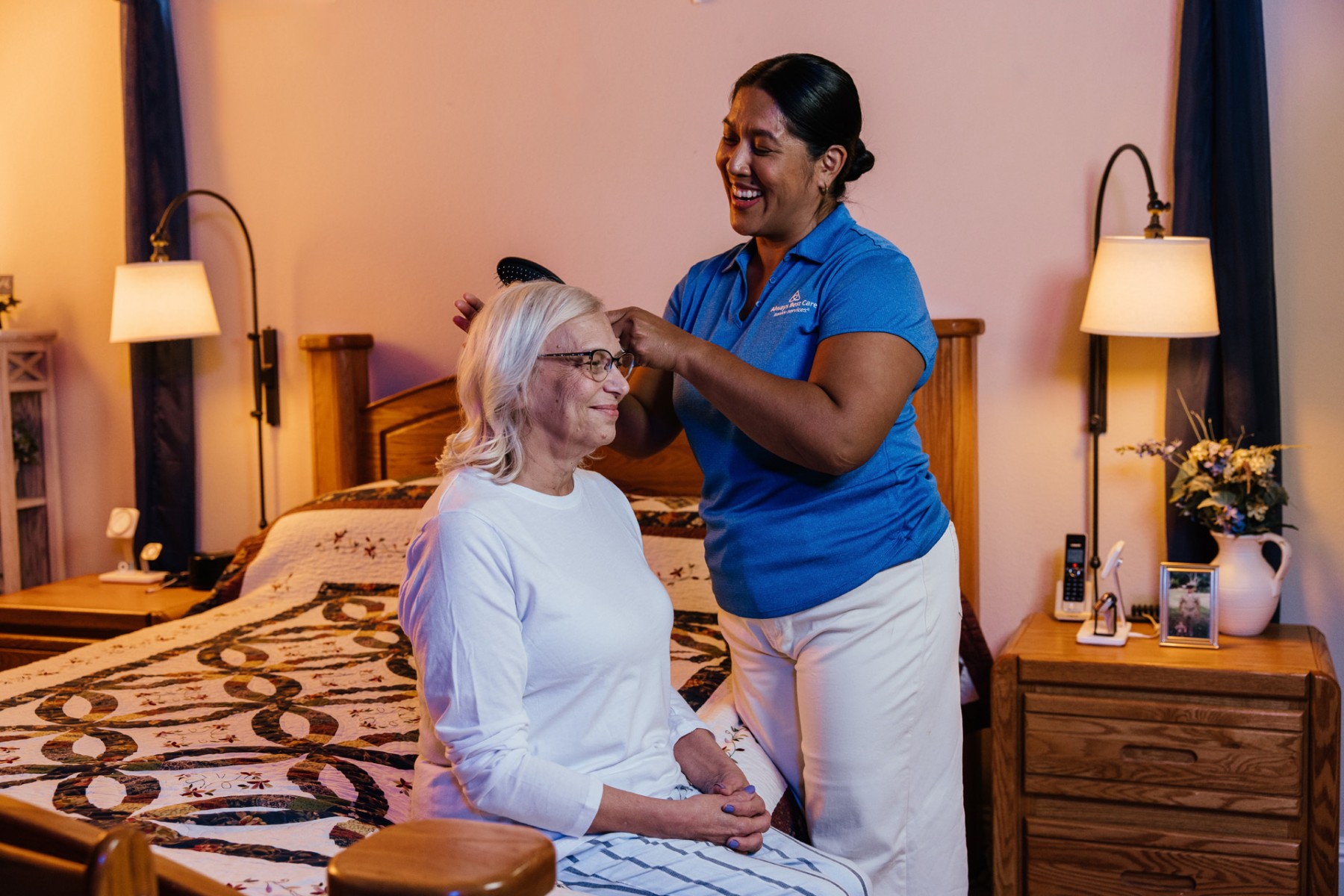
Hearing the word “hospice” can feel like the air just left the room. Plans shift, emotions run high, and suddenly every decision feels heavier than the last. Still, with a little preparation, families in West Monroe can turn that fear-filled moment into a thoughtful, steady path forward.
Preparing for Hospice in West Monroe: A Practical Guide for Families Considering Care Options is all about making things clearer. Instead of scrambling at the last minute, families can understand what hospice is, what it isn’t, and how it can support comfort, dignity, and peace for everyone involved.
What you will learn:
- What hospice care truly means and how it differs from other care options.
- When it may be time to consider hospice and how to recognize key signs.
- How to prepare as a family through honest conversations, home planning, and support.
- Ways to care for and encourage caregivers during the hospice journey.
Table of Contents
What Preparing for Hospice in West Monroe Really Means
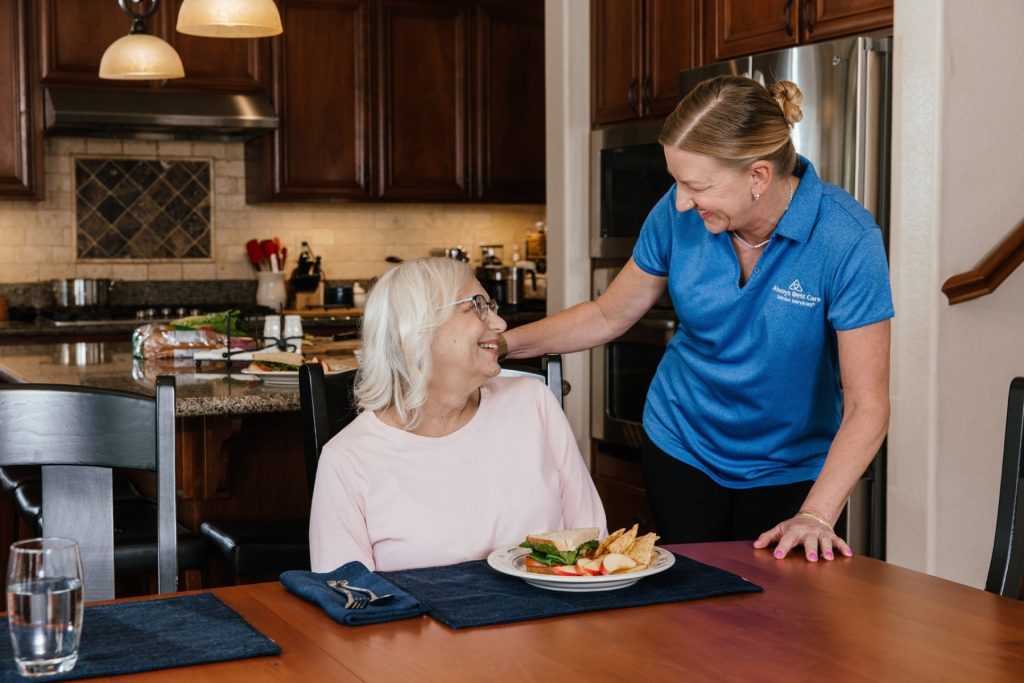
Before anything else, it helps to clear up what hospice care actually is. It’s not “giving up.” It’s a shift in focus, from curing an illness to making every day as comfortable and meaningful as possible.
Hospice versus other care options
- Hospice focuses on comfort, pain control, and emotional support.
- Treatment goals move from “fixing” the disease to easing symptoms.
- Support extends to both the person receiving care and the family around them.
For many families, preparing for hospice in West Monroe means understanding that care can happen right at home, in a familiar setting, or in a dedicated facility, depending on what feels safest and most supportive.
Signs It May Be Time to Consider Hospice
Deciding on hospice rarely happens in a single moment. It’s usually a series of clues that, together, suggest a new kind of care is needed.
Common signs include:
- Frequent hospital visits or emergency room trips
- Treatments that bring more side effects than relief
- Ongoing pain, shortness of breath, or exhaustion
- Daily tasks like bathing, dressing, or walking becoming overwhelming
- A medical team mentioning “comfort care” or “palliative goals”
Instead of waiting for a crisis, families can start talking about options earlier, when there’s still time to ask questions, honor wishes, and plan thoughtfully.

A Practical Guide for Families Considering Care Options
So, how does a family actually get ready? It helps to think in three areas: conversations, logistics, and emotional support.
1. Start honest, gentle conversations
It’s easy to tiptoe around the topic, but open conversations can be deeply reassuring.
- Ask what matters most in the time ahead: comfort, time at home, specific people nearby.
- Share worries and hopes, even if the words feel clumsy at first.
- Invite the person at the center of care to express what they do and don’t want.
The goal isn’t to have a perfect script; it’s to keep talking, listening, and adjusting together.
2. Talk with the healthcare team
Doctors and nurses can’t read minds, but they can help once they know what the family is thinking about.
Good questions to ask:
- “Is hospice an option we should start considering?”
- “What kind of changes should we expect in the coming months?”
- “How could hospice support pain management and daily care?”
- “Can care continue at home in West Monroe, or would another setting be better?”
These conversations help everyone move from guesswork to a clearer plan.

3. Get the home and paperwork ready
Practical steps might not be glamorous, yet they can lower stress in a big way:
- Arrange space for a hospital bed or reclining chair if needed.
- Add night lights, clear clutter, and make walking paths safer.
- Gather important documents, advance directives, powers of attorney, and insurance cards.
- Create a simple list of medications, allergies, and emergency contacts.
With these pieces in place, daily life tends to feel more manageable, even as health changes.
Supporting Family and Caregivers Along the Way
Hospice care is about the whole family, not just one person. Caregivers often carry a lot on their shoulders, and fatigue can sneak up fast.
Ways to support caregivers:
- Rotate tasks among family and close friends.
- Accept offers of help with meals, rides, or errands.
- Set aside short, regular breaks for rest, fresh air, or a quick chat with a friend.
- Reach out to spiritual or emotional support resources if that feels comforting.
No one has to “power through” alone. In fact, shared responsibilities often bring families closer and make the journey feel less overwhelming.
Frequently Asked Questions
Q: What does hospice care include?
A: Hospice care typically includes pain and symptom management, nursing visits, access to on-call support, help with bathing and personal care, emotional and spiritual support, and guidance for the family throughout the process.
Q: When should a family start talking about hospice care?
A: Families might consider talking about hospice when treatments stop helping, hospital visits become frequent, or a doctor mentions a limited time frame and a focus on comfort rather than cure.
Q: Can hospice care be provided at home in West Monroe?
A: Yes. Many families choose to receive hospice care right at home in West Monroe, with nurses, aides, and other professionals visiting on a regular schedule and being available for urgent needs.
Q: Does hospice mean giving up hope?
A: No. Hospice shifts the focus of hope. Instead of hoping for a cure, families may hope for comfort, meaningful time together, fewer medical crises, and a peaceful environment.
Q: How can families in West Monroe choose a hospice provider?
A: Families can ask healthcare providers for recommendations, research reputable hospice agencies in West Monroe, compare services and coverage, and schedule a consultation to ask questions about care philosophy, availability, and support.
A Calm Path in a Tough Season
Preparing for Hospice in West Monroe: A Practical Guide for Families Considering Care Options isn’t about rushing decisions; it’s about giving everyone a little more clarity in a season that can feel confusing and tender. With honest conversations, steady support, and the right care team, families can create a calmer, more compassionate path, one that honors comfort, dignity, and the moments that still matter so much.
If your family is thinking about end-of-life support and you’re not sure where to start, reach out to Always Best Care of West Monroe at (318) 217-8820 today. A friendly conversation can help you understand your options, ask the hard questions in a safe space, and decide whether hospice is the right next step for your loved one.
Link to the Markdown File version of the article