Senior Scams: How to Recognize the Warning Signs and Protect Your Loved One in West Monroe, LA
Senior scams are spreading like wildfire, and they’re getting sneakier by the day. Older adults are often seen as easy targets; maybe they’re polite, financially stable, or simply not used to all the high-tech tricks scammers use now. Mix that with a trusting nature, and suddenly, a smooth-talking stranger can cause both serious financial loss and emotional heartache.
The silver lining? Awareness packs a punch. Once we understand how senior scams work and what warning signs to look out for, we’re in a much better position to protect the people we love and help them feel secure in their own homes.
What you will learn:
- Why seniors are often targeted by scammers and the common risks that can make them more vulnerable.
- The most common types of senior scams and the ways these schemes are designed to trick loved ones.
- The warning signs that can help families spot suspicious behavior and prevent scams earlier.
- Simple, caring ways families and in-home support can help protect seniors and respond quickly when something feels wrong.
Table of Contents
Why Seniors in West Monroe Are Often Targeted
Scammers usually aren’t picking names at random. They’re strategic. Older adults may be targeted because they:
- Tend to be trusting and polite, even when something feels a little off
- Have savings, pensions, or steady retirement income that crooks are eager to tap into
- Live alone or feel isolated, making them more likely to engage with callers or strangers
- Aren’t as familiar with digital threats, like phishing links or fake websites
Put all that together, and it’s easier for a scammer to build fake trust, spin a convincing story, and squeeze money or personal information out of a senior before anyone else even knows what’s happening.
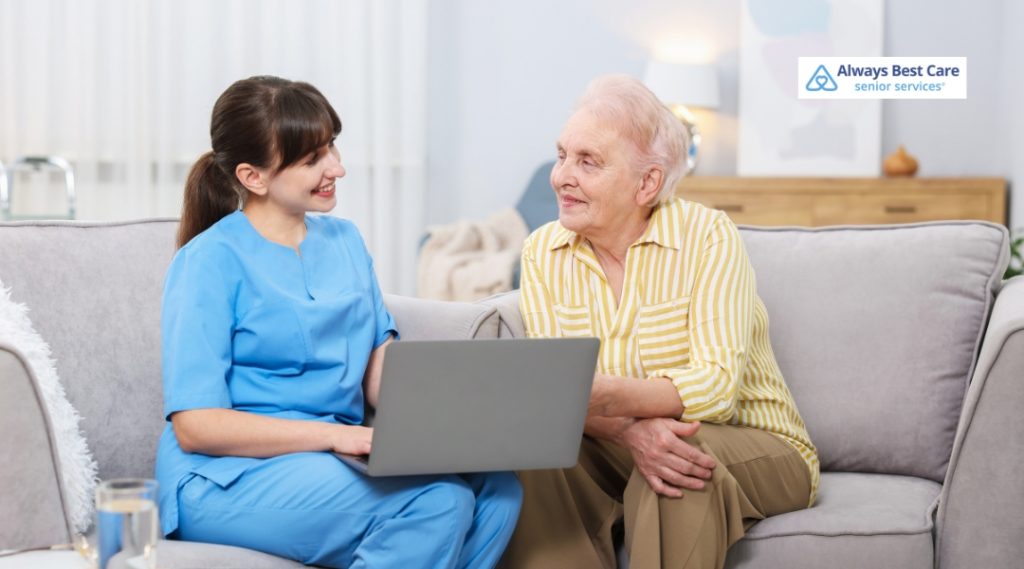
Common Senior Scams Affecting Loved Ones
Scammers are creative, and not in a good way. They use a variety of tactics, but a handful of scams recur.
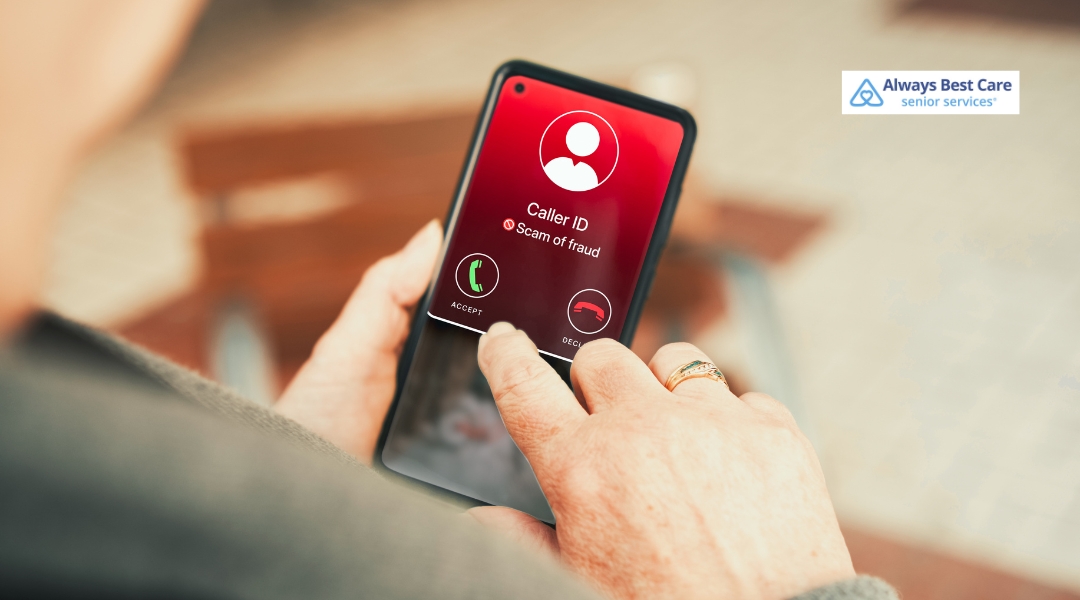
Phone Scams
These calls can sound very official. The scammer might pretend to be:
- A government agent
- A utility company
- A bank employee
- A grandchild or relative in trouble
They’ll often:
- Create panic or urgency (“Pay now or you’ll be arrested!”)
- Demand personal information
- Ask for immediate payment over the phone
If a caller pushes for fast action and won’t let your loved one hang up or call back, that’s a huge red flag.
Email and Phishing Scams
These scams show up as emails or text messages that look legitimate on the surface. They may claim to be from:
- Banks or credit card companies
- Healthcare providers
- Online stores or shipping companies
The message usually includes a link to a fake site designed to steal login details, Social Security numbers, or bank information. The layout may look real, but the intention is anything but.
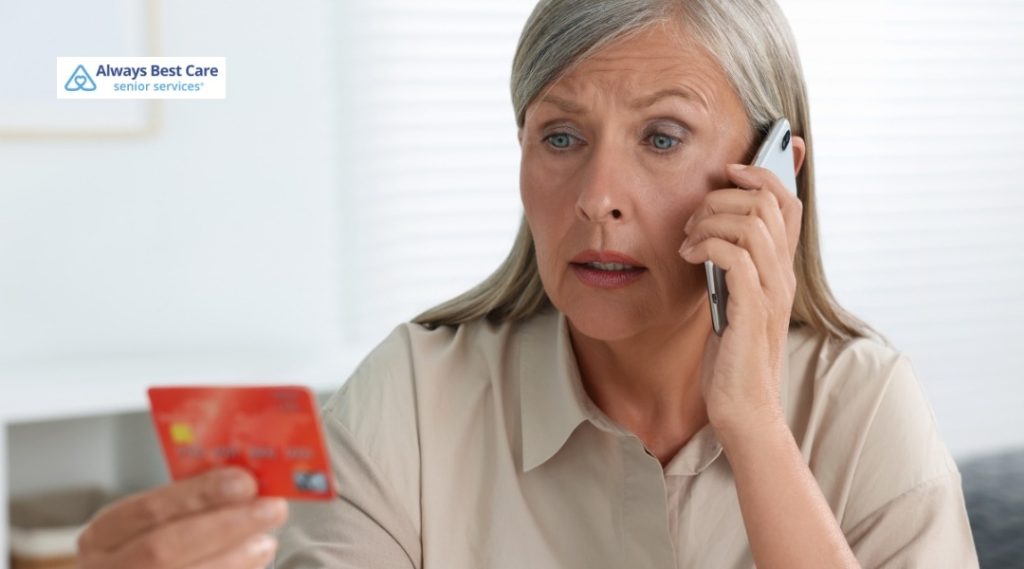
Sweepstakes and Lottery Scams
This one sounds exciting at first:
“You’ve won a prize!”
But there’s a catch: they’ll say your loved one must pay fees, taxes, or handling costs upfront. Once the money is sent, the “winnings” never show up. Genuine contests never require winners to pay out before receiving a prize.
Romance Scams
Online relationships can feel very real, very fast. A scammer might:
- Build a slow, emotional connection
- Share personal stories (often fabricated)
- Suddenly face an “emergency” and ask for money
Because the emotional bond feels strong, seniors may send money repeatedly, thinking they’re helping someone they care about.
Tech Support Scams
A pop-up appears on the screen, or a caller claims:
“There’s a serious problem with your computer.”
From there, the scammer may:
- Ask for remote access
- Charge for unnecessary “repairs”
- Install harmful software
If someone unexpectedly offers tech help out of the blue, it’s worth hitting the brakes.
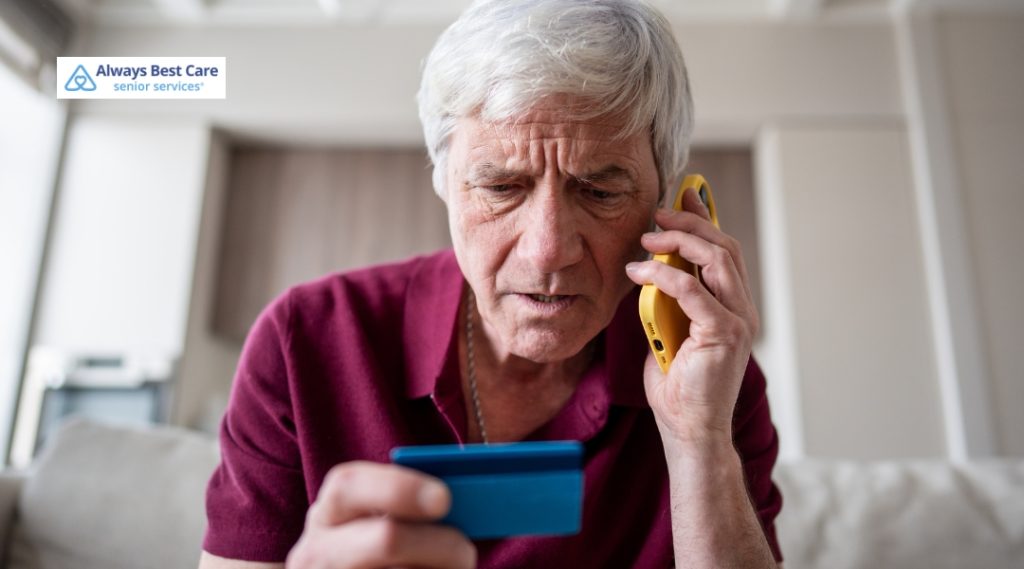
Warning Signs of Senior Scams
Scams usually follow familiar patterns, even if the story changes. Keep an eye out for:
- Demands for immediate payment or same-day decisions
- Requests to pay with gift cards, wire transfers, or cryptocurrency
- Unsolicited calls, messages, or emails asking for passwords, account numbers, or Social Security numbers
- Messages that create fear, panic, or secrecy
- Pressure to keep the situation private, especially from family
If something sounds too good to be true—or too terrifying to be true—it’s worth stepping back and checking the facts.
How Families Can Help Protect Loved Ones in West Monroe, LA
We don’t have to fight scammers alone. Families can be a powerful line of defense by staying present and proactive. Consider:
- Talking openly about scams and sharing real-life examples
- Encouraging “pause and verify” before any money or information is sent
- Checking bank and credit card statements for strange charges
- Setting up call blocking, spam filters, and strong passwords
- Ask your loved one to call you first before making financial decisions
Above all, we want seniors to feel comfortable saying, “Something doesn’t feel right, what do you think?”
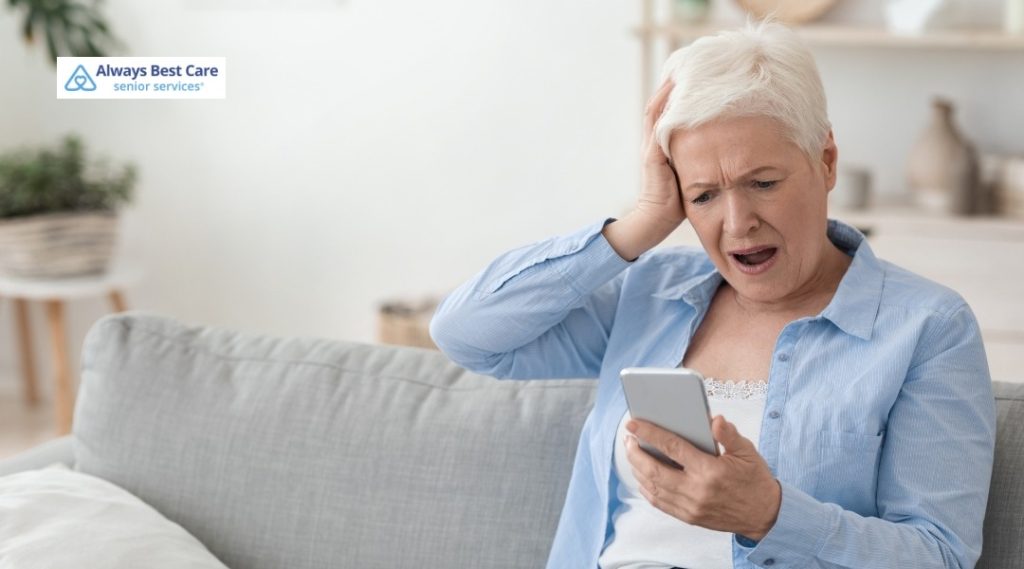
The Role of In-Home Care in Scam Prevention
Here’s where in-home support can quietly make a world of difference. A trusted caregiver provides a second set of eyes and ears, someone who notices when something seems off.
At Always Best Care of West Monroe, LA, we focus on both daily care and everyday safety. We can help:
- Screen phone calls and unexpected visitors so suspicious contacts don’t slip through the cracks
- Spot changes in behavior that might suggest anxiety, confusion, or money worries
- Reduce isolation by offering companionship, conversation, and regular activity
- Encourage communication with family whenever a strange request or offer pops up
Scammers often target people who feel alone. By being present, we cut off some of that opportunity.
What to Do If You Suspect a Scam
If you think your loved one may have been targeted—or already pulled into a scam—acting quickly can soften the blow. Steps to take include:
- Contact their bank or financial institution immediately to stop or reverse charges, if possible.
- Report the incident to local law enforcement or adult protective services, especially if money was lost.
- Monitor accounts closely for any further unusual activity.
- Offer calm, non-judgmental support. Many seniors feel embarrassed, guilty, or afraid they’ll lose their independence.
It’s important to stress that scammers are skilled manipulators; being tricked does not mean your loved one is careless or “foolish.”
Frequently Asked Questions
Q: How can I bring up senior scams without scaring my loved one?
A: Try framing it as something you’re learning about together. Share a news story or example and say, “I saw this, and it worried me. Can we talk about how we’d handle it if someone tried this with us?”
Q: What’s the safest way for my loved one to handle unexpected calls asking for money or information?
A: The safest habit is to hang up, look up the official number for the company or agency (on a bill or official document), and call back directly. Legitimate organizations won’t mind you verifying.
Q: Are gift card requests always a scam?
A: As a rule of thumb, yes. Real businesses and government agencies do not demand payment in gift cards. That method is a favorite tool of scammers because it’s hard to trace.
Q: How can we help a loved one who has already fallen for a scam and feels ashamed?
A: Focus on reassurance, not blame. Emphasize that scammers are professionals at lying and tricking people. Then work together to secure accounts, update passwords, and set up safeguards.
Q: Can Always Best Care of West Monroe, LA really help reduce scam risk?
A: We can’t control every call or message, but we can add a strong layer of protection. By staying at home, staying alert to changes, and encouraging open conversations, we help seniors think twice before responding to suspicious requests.
Staying One Step Ahead: Protecting Your Loved Ones with Confidence and Care
Senior scams may be getting more polished, but they’re not unstoppable. With awareness, honest conversations, and a little backup, families can cut scammers off at the pass and help loved ones feel safe and respected.
At Always Best Care of West Monroe, we’re dedicated to helping seniors live comfortably, confidently, and securely at home. We’re here to support daily routines, offer companionship, and watch out for the subtle warning signs that something isn’t right.
If your loved one could use extra support, compassionate companionship, and a little added protection at home, reach out to Always Best Care of West Monroe, LA at (318) 322-2223 to learn how their care team can help your family feel more secure and supported
Link to the Markdown File version of the article