Speech Therapy at Home: How It Supports Seniors With Stroke or Neurological Conditions

After a stroke or neurological condition, some seniors struggle to speak, swallow, or even find the right words. It’s heartbreaking, not being able to share thoughts or say “I love you” clearly.
That’s where speech therapy at home steps in. With compassionate guidance and tailored techniques, it helps seniors reclaim their voices and reconnect with the world around them right in their living rooms.
What you will learn:
- How stroke and neurological conditions affect seniors’ speech, swallowing, and confidence.
- What in-home speech therapy is and how it supports recovery in a familiar, comforting setting.
- How family involvement, caregiver education, and local support from Always Best Care of West Monroe help seniors make steady, meaningful progress.
Table of Contents
Understanding the Impact of Stroke and Neurological Conditions on Speech
A stroke can throw communication totally off balance. Parts of the brain that manage speech and language may get damaged, making words hard to form or understand. Neurological conditions like Parkinson’s, Alzheimer’s, or ALS can bring similar struggles, from slurred speech to blank moments when words just won’t come.
Common challenges include:
- Trouble articulating or pronouncing words
- Difficulty processing or remembering language
- Weak swallowing muscles that affect eating and drinking
- Emotional distress from feeling “locked in.”
It’s not just about talking; it’s about restoring connection, dignity, and confidence.

What Is In-Home Speech Therapy?
In-home speech therapy brings the healing to where seniors feel safest, their homes. It’s more than repeating words or practicing sounds. Speech-language pathologists (SLPs) design personalized plans that target clear communication, safe swallowing, and improved cognitive function.
Unlike clinic sessions, home therapy allows for realistic practice, chatting with loved ones at the table, reading favorite books, or using familiar daily items. That comfort helps progress feel more natural and less clinical.
How Speech Therapy Helps Seniors Recover and Adapt
Speech therapy doesn’t work like magic overnight, but steady practice makes remarkable differences. SLPs focus on:
- Rebuilding speech clarity: Strengthening muscles used for speech through repetition and sound drills.
- Improving comprehension: Using visual cues, gestures, and interactive exercises.
- Enhancing cognitive-linguistic function: Memory games and word retrieval tasks to reawaken language centers.
- Restoring safe swallowing: Techniques that protect against choking or aspiration.
Progress might start small, a clear word here, a confident sentence there, but those moments? They’re huge victories.
Benefits of Receiving Speech Therapy at Home
Why choose home therapy instead of traveling to a clinic? Plenty of reasons make it the smarter choice for many families:
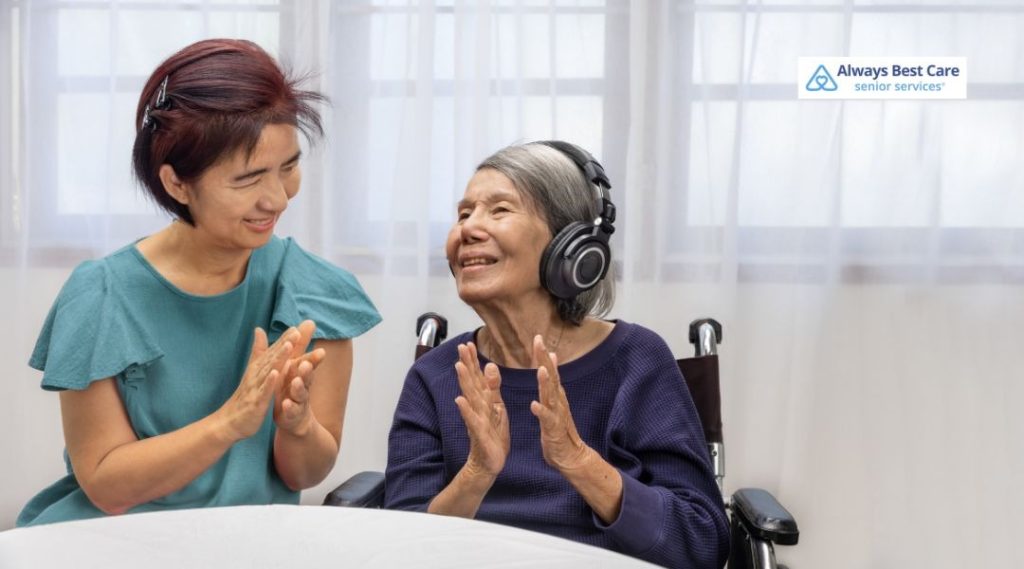
- Familiar environment: Seniors stay relaxed when surrounded by comfort and familiarity.
- Reduced travel stress: No long drives or waiting rooms.
- Personalized attention: One-on-one guidance directly tailored to the home setting.
- Stronger caregiver participation: Family learns supportive communication techniques.
- Better consistency: Easier to maintain routines and exercise.
Simply put, home is where healing feels natural.
Supporting Emotional Well-Being Through Communication
Communication isn’t just words; it’s the heart. Seniors who regain speech often experience a boost in self-esteem and happiness. It’s amazing how being able to laugh, tell stories, or ask for help without frustration can lift someone’s spirit.
Speech therapy also reduces loneliness, helping seniors stay connected with friends and family. That emotional stability is just as critical as physical recovery.
Family Involvement and Caregiver Education
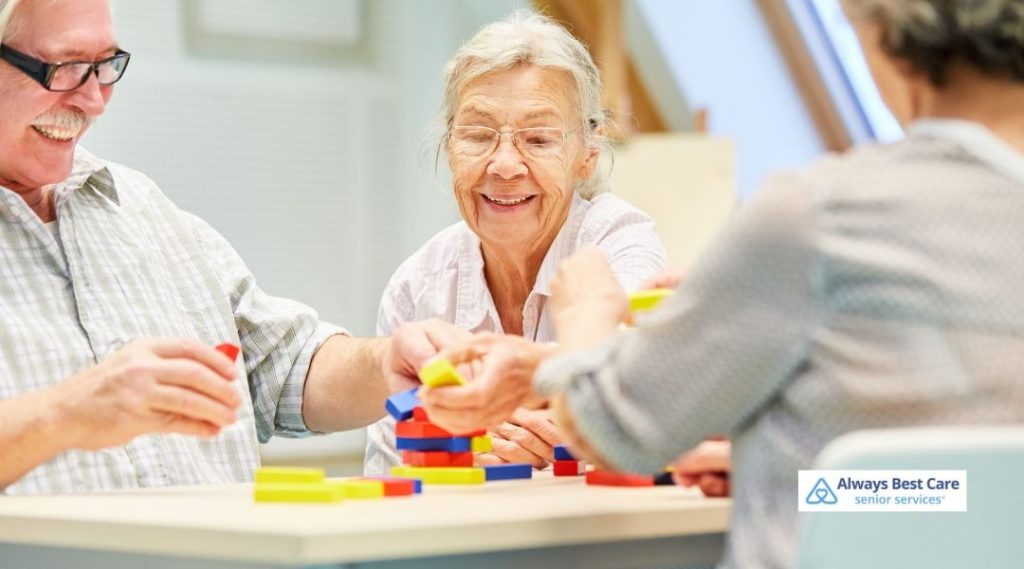
Therapy works best when families join the journey. Caregivers learn helpful techniques such as slowing speech, providing visual cues, or celebrating small wins. SLPs often coach families to create supportive communication environments at home, no pressure, just patience and encouragement.
It’s teamwork. Together, everyone contributes to the senior’s progress.
When to Consider Speech Therapy for a Loved One?
Wondering if it’s time to seek help? A few signs make it clear:
- Sudden speech changes after a stroke or illness
- Difficulty expressing thoughts coherently
- Trouble swallowing or frequent coughing while eating
- Speech that’s slurred, slow, or incoherent
- Noticeable frustration during conversation
If these issues linger or worsen, in-home speech therapy could be a game-changer.
How Always Best Care of West Monroe Supports Your Family
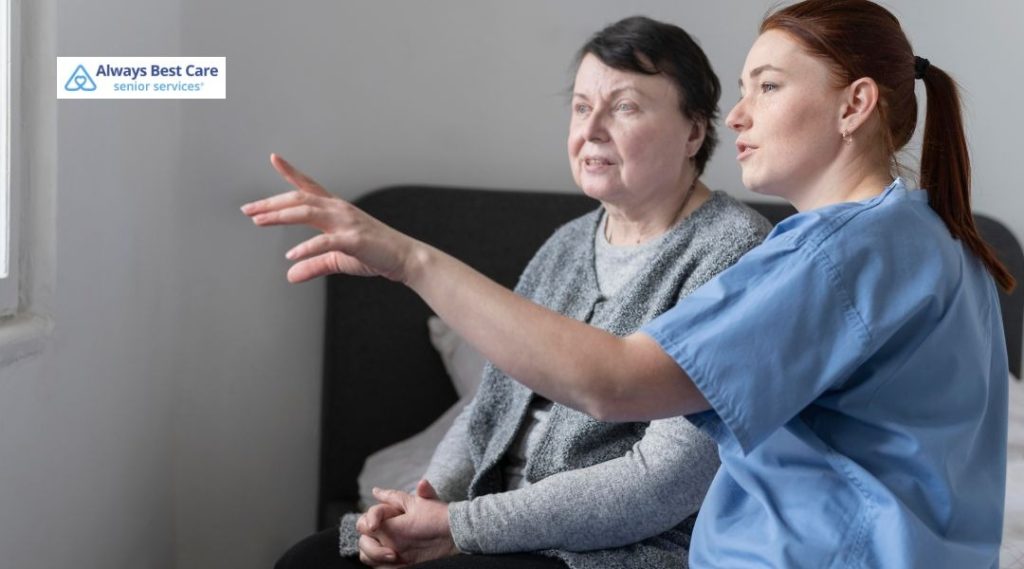
Always Best Care of West Monroe takes pride in offering trusted home-based care solutions, including coordination of speech therapy services. They partner with licensed professionals to ensure seniors receive comprehensive support, not just for speech recovery but also for daily well-being.
Families can expect compassionate caregivers, personalized care plans, and a consistent focus on restoring independence and dignity. It’s about empowerment, empathy, and everyday progress.
Frequently Asked Questions
Q: What is speech therapy at home?
A: Speech therapy at home is a professional service provided by licensed speech-language pathologists who help seniors improve speech, language, and swallowing abilities directly in their home environment.
Q: How long does speech therapy at home take?
A: Duration varies depending on each person’s recovery goals, but consistent sessions over weeks or months often yield significant improvement.
Q: Can family members assist during therapy sessions?
A: Absolutely! Family participation helps reinforce progress and builds stronger communication habits between seniors and loved ones.
Q: Is speech therapy at home effective for neurological conditions?
A: Yes. Seniors coping with stroke, Parkinson’s, ALS, or dementia often benefit greatly from ongoing speech therapy, improving clarity and emotional confidence.
How can I arrange speech therapy for a loved one?
Contact Always Best Care of West Monroe for assistance. Their care team coordinates speech therapy services designed to meet your family’s specific needs.
Helping Seniors Find Their Voice Again
Every word regained is a triumph. Through home-based speech therapy, seniors rediscover their ability to connect, express, and thrive. It’s not just restoring speech, it’s restoring life.
If someone you love is struggling after a stroke or neurological condition, reach out to Always Best Care of West Monroe at (318) 322-2223 today and take the first step toward helping them find their voice again.
Link to the Markdown File version of the article