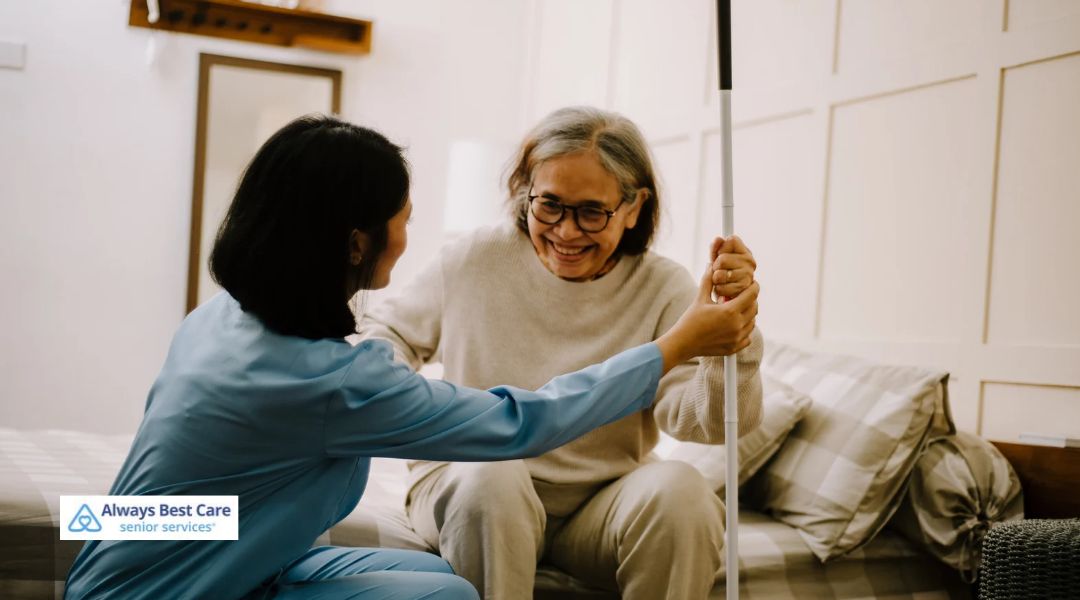
Creating a Safe, Dementia-Friendly Home for Seniors in Shreveport

Begin by recognizing that home often represents comfort, routine, and familiarity for an older adult living with dementia. Explain that as memory, judgment, mobility, and perception change, once-simple rooms and routines can become more difficult to manage.
Set the article’s purpose: helping Shreveport families make practical home adjustments that improve safety while preserving dignity, independence, and a sense of belonging.
What You Will Learn:
- How to make a home safer and easier to navigate for a loved one living with dementia.
- Simple ways to reduce fall, kitchen, medication, and wandering risks at home.
- How familiar routines and calming spaces can support comfort and confidence.
- When in-home dementia care may provide helpful support for Shreveport families.
Table of Contents
What Makes a Home Dementia-Friendly?
Explain that a dementia-friendly home is not about turning a house into a medical facility. It is about making the environment easier to understand, move through, and use each day. Introduce the core principles of a safer space: fewer hazards, clearer visual cues, dependable routines, easier access to essentials, and familiar belongings that provide comfort and reassurance.
Mention that every person’s needs are different. Families should start by noticing where their loved one seems unsure, frustrated, unsteady, or at risk during normal daily activities. Those observations can guide meaningful changes without disrupting the entire home.
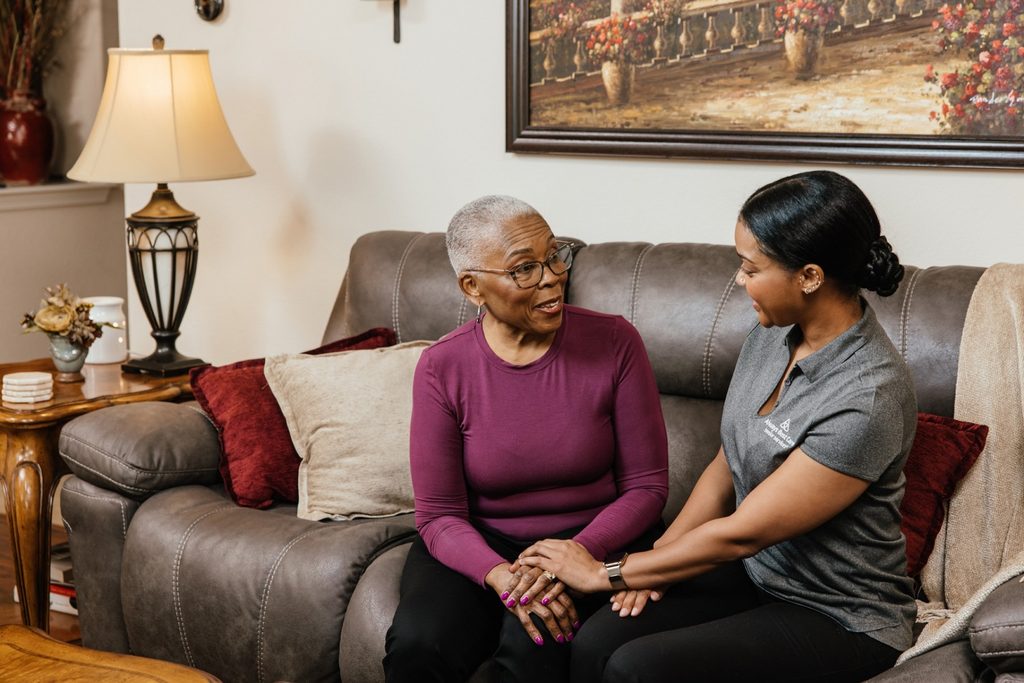
Start With Everyday Home Safety
Walk readers through the value of assessing the home room by room. Discuss clear walking paths, removing clutter, securing or removing loose rugs, moving electrical cords away from walkways, and checking that furniture is stable and easy to navigate around. Explain that open, well-organized spaces can reduce both fall risks and the stress caused by visual clutter.
Address lighting as an important part of home safety. Encourage families to brighten hallways, stairways, bedrooms, bathrooms, entrances, and other frequently used areas. Explain that glare, dark corners, and strong shadows can make depth and floor changes harder to judge. Include simple navigation tools, such as easy-to-read clocks, calendars, labels, or familiar pictures on doors, to help a senior recognize rooms and daily items more easily.
Reduce Fall, Bathroom, and Mobility Risks
Explain why fall prevention should be a priority for seniors with dementia, particularly if balance, coordination, vision, or awareness of surroundings has changed. Cover practical improvements such as handrails on stairs, grab bars near the toilet and shower, non-slip bathroom surfaces, stable chairs with armrests, and supportive footwear. Emphasize that these updates can make moving around the home feel more confident and less intimidating.
Discuss bathroom safety in more detail, as this is often one of the highest-risk areas in the home. Mention shower seating, accessible toiletries, a clear path to the bathroom at night, adequate lighting, and safe water-temperature settings to help prevent burns. Explain that making personal-care tasks simpler and more predictable can protect dignity while reducing the need for constant correction or intervention.
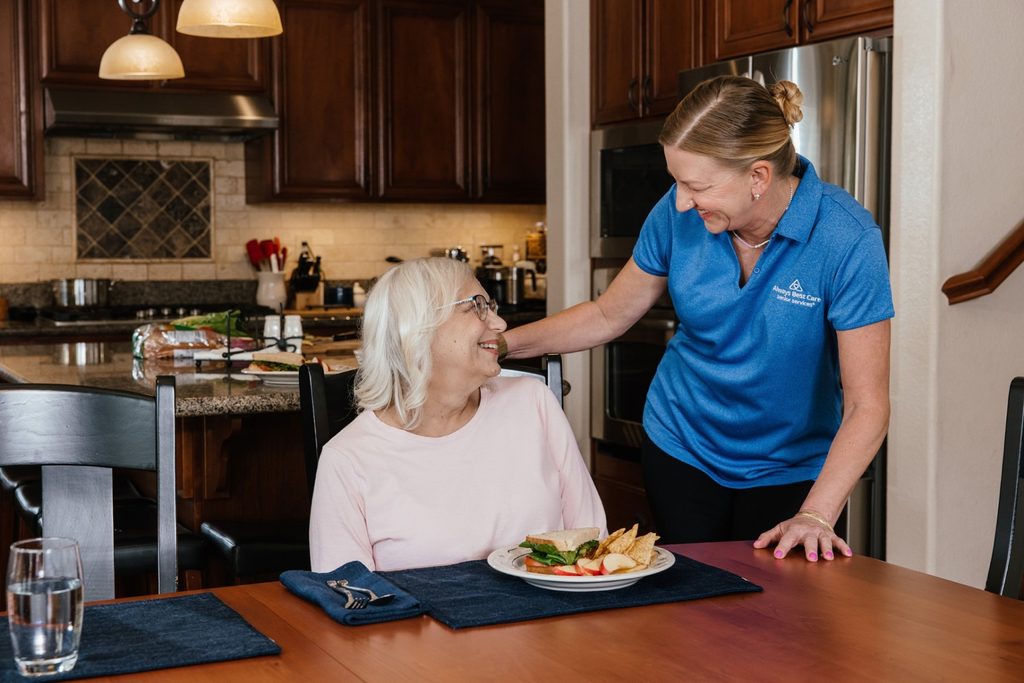
Simplify Meals, Medication, and Daily Routines
Cover the kitchen as a place where independence and risk may overlap. Discuss safely storing knives, cleaning chemicals, matches, and small appliances; supervising stove use when needed; and simplifying cupboards so frequently used items are easy to find. Include the value of familiar meal routines, prepared ingredients, visual reminders, and regular eating times to support nutrition without creating unnecessary stress.
Move naturally into medication safety. Explain that dementia can make it harder to remember whether medication has been taken, increasing the risk of missed or repeated doses. Discuss locked medication storage, pill organizers, written schedules, reminder systems, and family oversight. Reinforce that any medication concerns should be raised with the senior’s healthcare provider or pharmacist.
Prepare for Wandering and Emergencies
Introduce wandering and disorientation sensitively, explaining that some people with dementia may become confused about where they are, attempt to follow an old routine, or leave home unexpectedly. Reassure readers that planning ahead is a sensible precaution, not a sign of failure. Cover practical safeguards such as door alarms, discreet locks where appropriate, safely stored keys, secure gates, and well-lit outdoor areas.
Explain the importance of an emergency plan. Suggest that families keep a recent photograph, medical details, important contact information, and a list of places the person may try to visit. Mention the benefit of speaking with trusted neighbors so they know whom to contact if they see a loved one who appears confused or alone.
Keep the Home Calm and Familiar
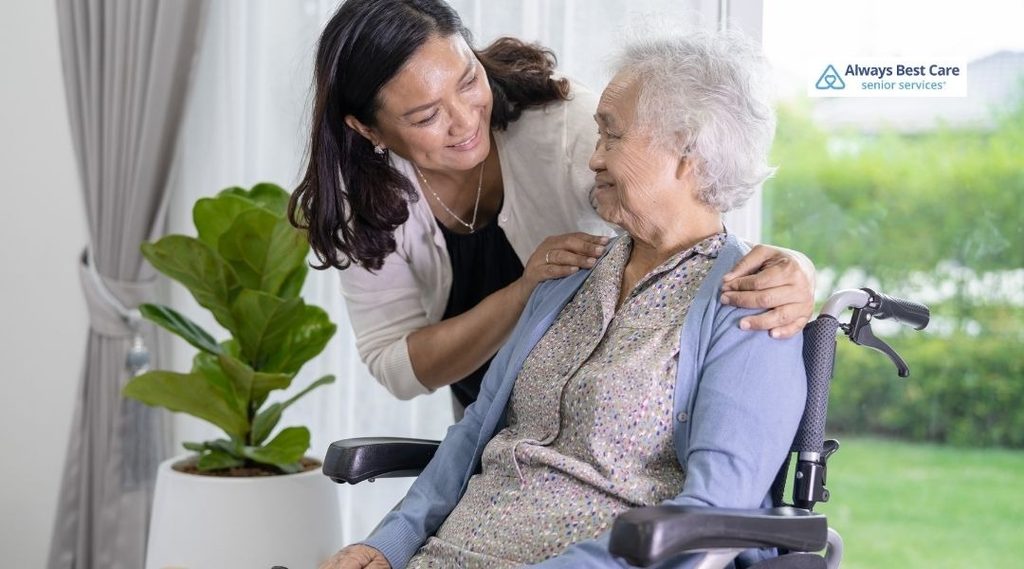
Explain that an overly busy, noisy, or cluttered environment can sometimes increase restlessness and confusion. Encourage families to reduce background noise, simplify crowded spaces, and avoid frequent, major furniture rearrangements. Highlight the comfort that can come from familiar photos, favorite blankets, treasured keepsakes, music, and meaningful daily activities.
Discuss predictable routines as another way to create calm. Describe how regular times for waking, meals, medication, activities, and bedtime can help a senior know what to expect. Emphasize that the objective is not to control every moment, but to create a gentler rhythm that makes everyday life feel more manageable.
Knowing When More Help Is Needed
Address when family members may need additional support. Explain that repeated falls, missed meals, medication mistakes, unsafe cooking, worsening confusion, hygiene concerns, wandering, or caregiver exhaustion can all be signs that the current arrangement needs to change. Frame this as an opportunity to add support before a preventable incident becomes a crisis.
Introduce in-home dementia care as a flexible option for Shreveport families. Explain that professional caregivers may assist with companionship, meal preparation, personal care, mobility support, light housekeeping, reminders, routine supervision, and respite for family caregivers. Note that support can be adjusted as needs change, from occasional help to more regular daily care.
Listen In: Supporting Seniors With Dementia at Home
Families navigating dementia care often need practical guidance, reassurance, and a reminder that they don’t have to manage every challenge alone. In this episode, Keith Carter of Always Best Care shares how in-home caregiving can help ageing loved ones remain safe, comfortable, and as independent as possible in the place they know best—home.
Keith discusses the value of dementia support, companion care, personal assistance, and trained caregivers who can provide reliable help as a loved one’s needs change. It’s a helpful listen for Shreveport families considering extra support with daily routines, safety, companionship, or caregiver relief.
The episode also highlights The Bridge Alzheimer’s & Dementia Resource Center, a valuable local resource for individuals living with memory loss and the people who care for them.
To learn more about The Bridge, visit alzbridge.org, follow @alzbridge on Facebook and Instagram, or contact its Main Office at 851 Olive Street, Shreveport, LA 71104, by calling (318) 656-4800. The Bridge Adult Day Center is located at 520 Olive Street, Shreveport, LA 71104.
How Always Best Care Shreveport Can Help
Position Always Best Care Shreveport as a compassionate local partner for families navigating dementia care at home. Explain that personalized support can be built around a senior’s routines, preferences, safety considerations, and level of independence. Reinforce that bringing in help is not about taking control away; it is about helping a loved one remain safe, comfortable, and connected at home.
Frequently Asked Questions
Q: What Makes a Home Dementia-Friendly?
A: Answer that a dementia-friendly home is designed to reduce hazards, limit confusion, improve visibility, and support safe daily routines.
Q: How Can I Prevent Falls at Home?
A: Answer by referring to clear walkways, secured rugs, strong lighting, handrails, grab bars, non-slip surfaces, and supportive footwear.
Q: How Can I Keep Someone With Dementia Safe in the Kitchen?
A: Answer by covering stove supervision, safe appliance use, locked storage for sharp objects and chemicals, and simple meal routines.
Q: When Is In-Home Care Helpful for Dementia?
A: Answer that in-home care may be helpful when dementia begins affecting safety, medication routines, meals, hygiene, mobility, companionship, or family caregiver wellbeing.
Small Changes Can Bring Big Peace of Mind
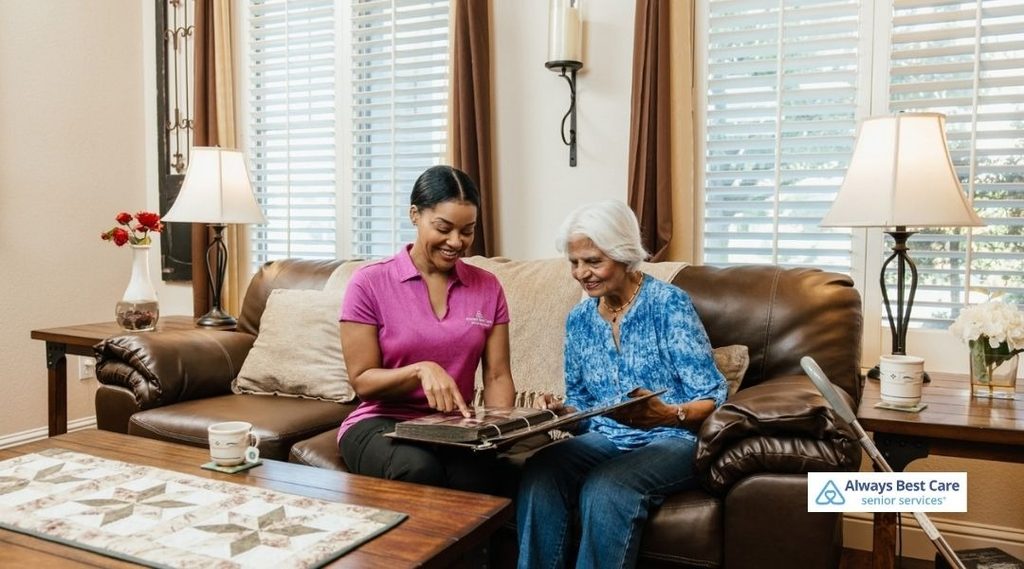
Close by reminding families that creating a dementia-friendly home does not have to happen all at once. Even small updates can make a meaningful difference in comfort, safety, and confidence for a senior living with dementia.
End with a clear call to action encouraging Shreveport families to contact Always Best Care Shreveport at (318) 373-6141 to discuss personalized in-home dementia care, caregiver support, and practical options for helping a loved one remain safely at home.
Link to the Markdown File version of the article