

Hidden in Plain Sight: Blood Sugar Warning Signs Terre Haute Families Shouldn’t Ignore
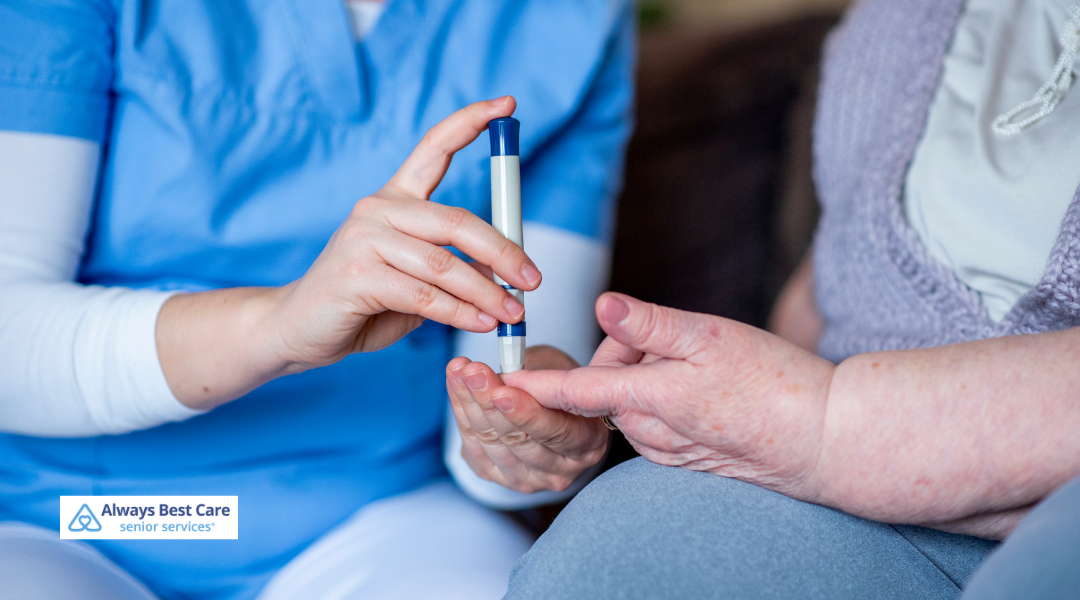
Blood sugar changes don’t always announce themselves with flashing lights and sirens. For older adults in Terre Haute living with diabetes, shifts can be subtle at first—an extra nap, skipped meals, a bit more confusion than usual. Yet those small changes can snowball into serious trouble if nobody’s paying attention.
As family caregivers, we don’t have to be medical pros to notice when something’s off. We just need to know the warning signs and have a plan for what to do next. That’s where blood sugar changes in older adults become a vital topic, not just a medical term buried in paperwork.
What you will learn:
- Why blood sugar becomes trickier to manage as your loved one gets older, and what everyday factors can cause unexpected shifts.
- How to spot the warning signs of low and high blood sugar before they become something serious.
- Simple, steady routines that families and caregivers in Terre Haute can build together to keep diabetes care on track.
- When it might be time to bring in extra support at home, and how compassionate care can make daily diabetes management feel a whole lot easier.

Table of Contents
Why Blood Sugar Gets Tougher to Manage with Age
As you get older, you often juggle more than one health issue at a time. New medications, changing appetites, and shifts in memory can all affect blood sugar changes in older adults and make diabetes care feel like a moving target.
Common reasons blood sugar management gets harder:
- Changes in kidney function that affect how the body handles medications
- Eating less due to illness, low appetite, or simple forgetfulness
- Missing medications or meals because of memory problems
- Less movement or activity than before
- New or changing daily habits
As these pieces shift, blood sugar can swing higher or lower than expected. That’s why staying connected to healthcare providers and tracking patterns over time matters so much.
Spotting Low Blood Sugar: Warning Signs Families Should Know in Terre Haute
Low blood sugar (hypoglycemia) hits when glucose drops below a safe range. It can happen quickly and may be linked to:
- Diabetes medications
- Eating too little or skipping meals
- Sudden increases in physical activity
- Illness or other health changes
Common signs of low blood sugar:
- Shaking or sweating
- Dizziness or weakness
- Intense hunger
- Headache
- Irritability or anxiety
- Trouble concentrating
- Confusion or odd behavior
- Clumsy movements or poor coordination
In older adults, some of these might look like “just getting older,” but sudden confusion, weakness, or unusual behavior should raise a red flag. Severe low blood sugar can lead to seizures or fainting and calls for immediate medical help.
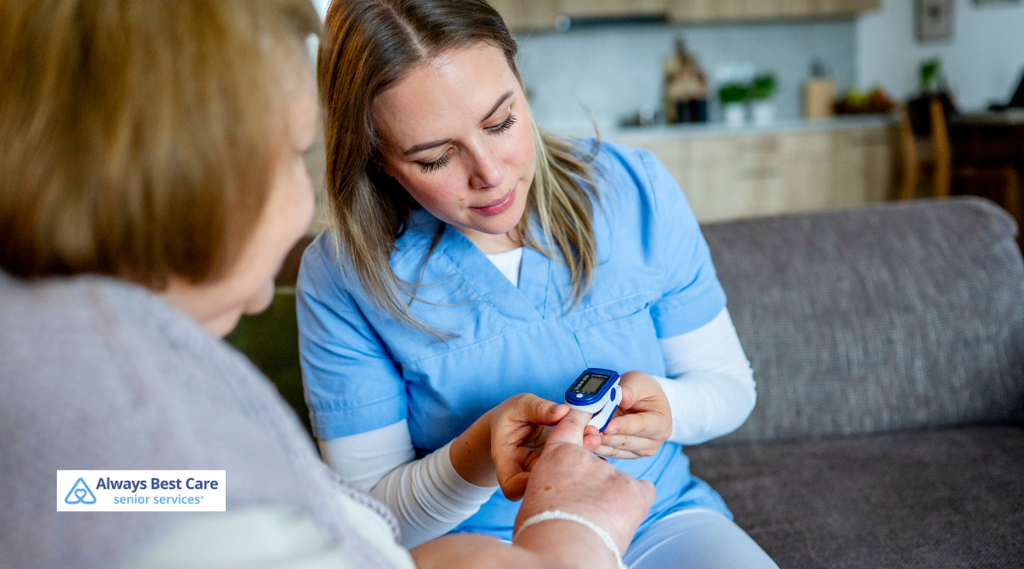
Recognizing High Blood Sugar Before It Turns Into an Emergency
High blood sugar (hyperglycemia) usually creeps up more slowly, so it’s easier to miss. Still, it can cause serious problems if it’s not addressed.
Signs of high blood sugar can include:
- Feeling very thirsty
- Frequent urination
- Blurred vision
- Fatigue or weakness
- Headache
- Unplanned weight loss
- Cuts or wounds that heal slowly
Over time, high blood sugar can damage the eyes, kidneys, nerves, heart, and blood vessels. Very high levels can trigger sudden, dangerous symptoms like major confusion, severe weakness, trouble breathing, or loss of consciousness. That’s 911 territory.
Watching for Changes in the Senior’s Usual Routine
Families don’t need fancy equipment to catch blood sugar changes in older adults. Often, the first clues are changes in a loved one’s everyday routine.
You might notice:
- A parent who’s suddenly more tired and naps constantly
- Someone drinking water nonstop and running to the bathroom often
- A loved one who’s normally sharp becoming confused or unsteady
- Meals being skipped or half-eaten
- Medications not taken at the usual times
Instead of shrugging these off as “just aging,” it helps to ask questions and look closer. If a loved one has diabetes, families can talk with their healthcare provider about:
- Personal blood sugar targets
- How often to check glucose
- Which symptoms mean it’s time to call the doctor
- What signs are considered an emergency
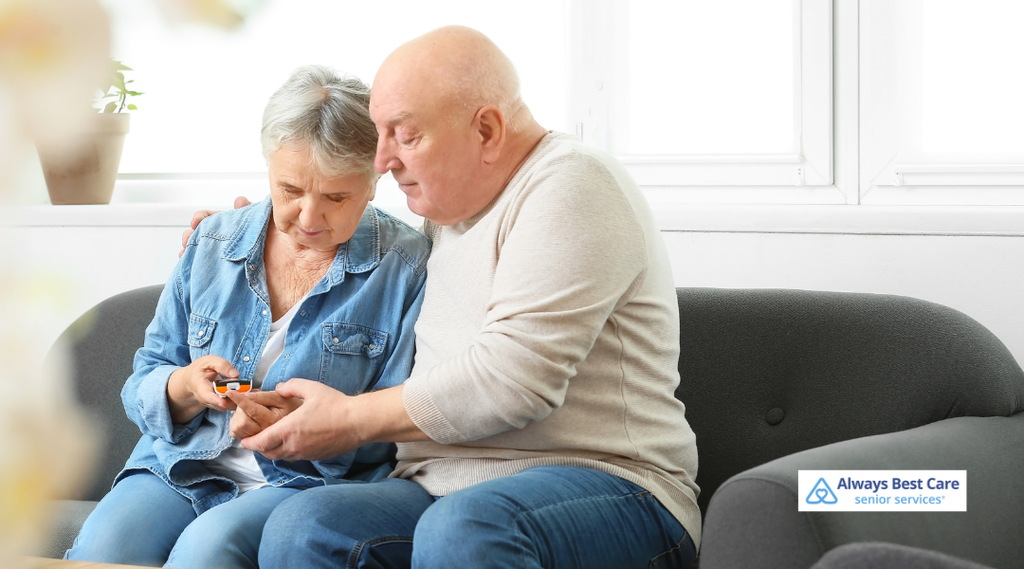
Routines That Make Diabetes Easier to Handle
Simple, steady habits can make a huge difference in staying within a safe blood sugar range. Helpful routines might include:
- Eating meals and snacks on a regular schedule
- Taking medications exactly as prescribed
- Checking blood sugar as directed by the healthcare provider
- Drinking enough water throughout the day
- Staying active with safe, appropriate movement
- Attending regular medical appointments
It’s also crucial for families to share a full list of medications and supplements with the doctor so they can spot any changes that might affect diabetes care.
When Memory or Mobility Problems Complicate Blood Sugar Care in Terre Haute
Diabetes management involves plenty of moving parts—remembering medications, meal times, blood sugar checks, and appointments. For seniors dealing with memory changes, that’s a lot to keep straight.
Mobility or physical challenges can add another layer:
- Arthritis or tremors making it hard to handle testing supplies
- Vision changes making it tough to read labels or meters
- Difficulty preparing balanced meals
- Trouble getting to appointments safely
These signs often mean extra help at home could make a big difference in safety and consistency.

How We at Always Best Care of Terre Haute Support Safer Blood Sugar Routines
Living with diabetes isn’t just about numbers on a meter. It’s about everyday choices—food, movement, medications, and getting timely support.
At Always Best Care of Terre Haute, we focus on the real-life side of diabetes care. We can help by:
- Preparing balanced meals and snacks on a regular schedule
- Offering gentle reminders for medications and blood sugar checks
- Encouraging safe hydration and appropriate activity
- Providing rides to medical appointments
- Noticing changes in mood, energy, or behavior and sharing concerns with families or healthcare providers
For seniors who qualify for home health services, trained healthcare professionals can add medical support based on the doctor’s care plan. Together, we aim for steadier routines, stronger independence, and better quality of life.
Helping Your Loved One Stay Safe with Diabetes in Terre Haute
Blood sugar can shift quickly, and older adults may not always notice or speak up about how they feel. By staying involved, knowing their habits, and learning the warning signs, families can play a powerful role in keeping loved ones safe.
Blood sugar changes in older adults don’t have to catch families off guard. By noticing shifts in routine, learning the signs of high and low blood sugar, and building steady habits, families in Terre Haute can help loved ones stay safer and more independent with diabetes.
We at Always Best Care of Terre Haute are here to walk alongside you, offering practical support and attentive care so diabetes management feels less overwhelming and daily life feels more stable.
If someone you care about in Terre Haute has diabetes and could use more help at home, we at Always Best Care of Terre Haute are ready to support you. Call us at (812)814-3564. We offer care consultations to talk through needs, routines, and ways we can help.

FAQs About Blood Sugar Changes in Older Adults
Q: What are the most common warning signs of blood sugar changes in older adults?
A: Shaking, sweating, confusion, unusual tiredness, increased thirst, frequent urination, blurred vision, and sudden changes in behavior are all key warning signs to watch for.
Q: How often should blood sugar be checked for a senior with diabetes?
A: The checking schedule depends on the doctor’s guidance, the type of diabetes, and the treatment plan. Families can ask the healthcare provider for specific targets and timing.
Q: Can skipped meals really affect blood sugar that much?
A: Yes. Skipped or very small meals can lead to low blood sugar, especially if diabetes medications are still taken as usual.
Q: What should families do if a loved one seems suddenly confused or weak?
A: Treat sudden confusion or weakness as serious. Check blood sugar if possible and contact a healthcare provider or emergency services if the symptoms are severe or don’t improve quickly.
Q: How can Always Best Care of Terre Haute help with diabetes management at home?
A: We assist with meal preparation, medication reminders, safe activity, hydration, transportation to appointments, and observing changes that should be shared with families or healthcare providers.
Link to the Markdown File version of this article.