Fall Prevention Tips for Seniors in Thousand Oaks During the Cooler Months

Cooler weather in Thousand Oaks may not bring snow and ice, but it can still bring a few curveballs. Rainy walkways, darker evenings, slippery entryways, heavier clothing, and less time moving around can all increase the risk of a fall.
For older adults, one slip can quickly become a bigger concern. A fall may lead to pain, reduced confidence, limited mobility, or a Fall Prevention Tipsng recovery. The good news? A handful of practical changes can make a real difference. These for Seniors in Thousand Oaks During the Cooler Months can help older adults stay steadier, safer, and more comfortable at home.
What You Will Learn
- Why cooler, rainy, and darker days can raise fall risks for seniors in Thousand Oaks.
- Simple ways to create a safer, easier-to-navigate home environment.
- How movement, supportive footwear, medication reviews, and vision care can support steadier daily routines.
- How personalized in-home care can provide an extra layer of support, comfort, and peace of mind for seniors and families.
Table of Contents
Why Cooler Months Can Create More Fall Risks
Even a light rain can leave patios, sidewalks, and driveway surfaces slick. Inside, wet shoes, dim hallways, loose rugs, and cluttered rooms can turn an ordinary walk across the house into a balancing act.
Shorter daylight hours can also make it harder to spot uneven pavement, changes in floor height, pets underfoot, or cords near a favorite chair. Meanwhile, spending more time indoors may mean less walking and exercise, which can gradually affect strength and balance.
A little preparation can go a long way, no need to wrap the whole house in bubble wrap.
Make the Home Easier to Navigate
A safer home often begins with the obvious things people see every day but may stop noticing.
Clear the Pathways
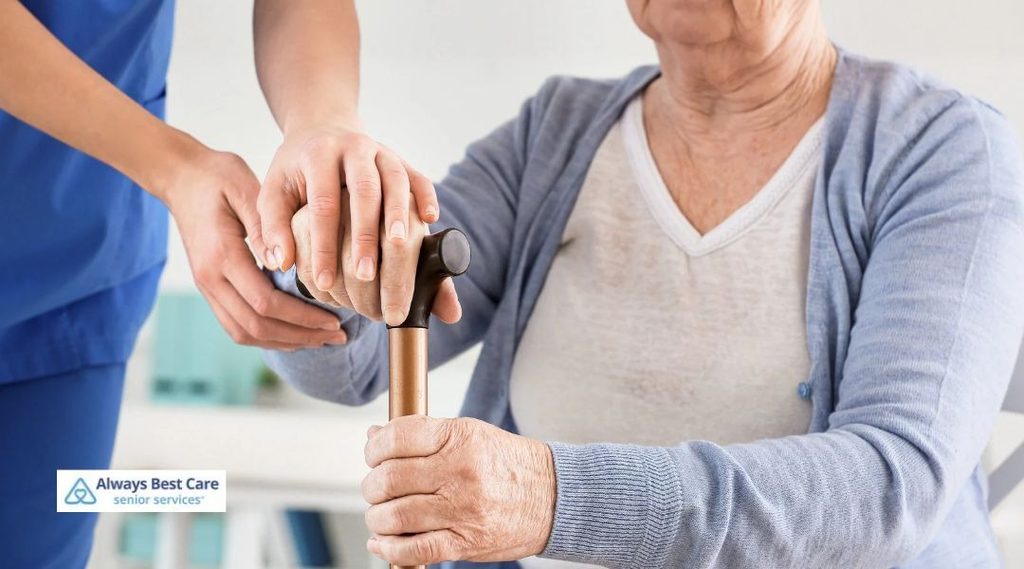
Keep hallways, stairs, and frequently used rooms free of clutter. Remove loose rugs or secure them with non-slip backing. Move electrical cords away from walkways, and make sure furniture leaves enough room for a cane, walker, or wheelchair to pass through comfortably.
Frequently used items should be easy to reach. Reaching high shelves or bending low to pick up supplies can be risky, especially for someone who feels unsteady.
Brighten Dark Corners
Good lighting matters more than many families realize. Add night-lights in bedrooms, hallways, and bathrooms. Replace dim bulbs, keep lamps within easy reach, and consider motion-sensor lights near entrances, porches, and outdoor steps.
Before heading out after sunset, seniors should have a clear view of the route ahead. It is better to take an extra moment than to rush through a dimly lit space.

Make Bathrooms Safer
Bathrooms are one of the most common places for falls because water and smooth surfaces are a tricky combination.
Helpful adjustments may include:
- Non-slip mats inside and outside the shower
- Grab bars near the toilet and bathing area
- A stable shower chair or bench
- A hand-held showerhead
- Toiletries and towels stored within easy reach
A healthcare provider or qualified home-safety professional can recommend options that suit a senior’s specific mobility needs.
Stay Steady Inside and Out
Choose Footwear With Good Grip
Slippers may feel cozy, but loose or worn-out footwear can be a recipe for trouble. Seniors should choose shoes that fit well, have non-slip soles, and stay secure on the foot.
Walking in socks, flip-flops, or backless slippers can increase the chance of slipping—especially on smooth flooring or wet surfaces.
Take Rainy-Day Precautions
After rain, outdoor paths can be more slippery than they look. Encourage seniors to slow down, use handrails, wear shoes with good traction, and avoid carrying too many items at once.
Keep entranceways dry with absorbent mats, clear leaves from walkways, and check exterior lighting. If an errand can wait until conditions improve, there is no harm in taking the safer route.
Keep Moving, Safely
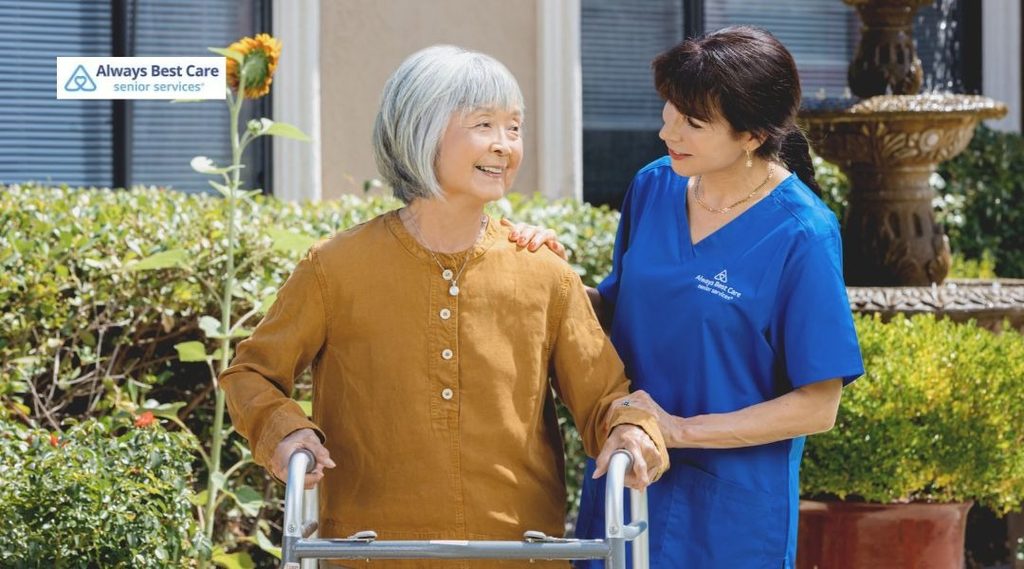
Less activity can lead to weaker muscles and poorer balance over time. Gentle, consistent movement may help seniors stay stronger and more confident. Depending on their health and provider recommendations, helpful activities may include walking, chair exercises, stretching, tai chi, or guided strength and balance exercises.
Start slowly, keep a sturdy chair nearby, and ask a healthcare professional about appropriate activity.
Review Health Changes That May Affect Balance
Talk About Medications
Some prescriptions, over-the-counter medicines, and supplements may cause dizziness, drowsiness, or changes in balance. A medication review with a doctor or pharmacist can help identify possible concerns.
Seniors should never stop or change medication without speaking to a qualified healthcare provider first. It is tempting to make a quick change after feeling woozy, but that can create other problems.
Keep Vision and Hearing Current
Outdated glasses, trouble seeing in low light, or hearing changes can make it harder to notice hazards. Regular eye exams and hearing checks can support safer movement, both at home and out in the Thousand Oaks community.
Mention Falls and Near-Falls
A near-fall counts. So does feeling dizzy, weak, unsteady, or afraid of walking alone. Share these changes with a healthcare provider, who can evaluate possible causes and recommend next steps.
Fall Prevention Tips for Seniors in Thousand Oaks During the Cooler Months: How Home Care Can Help
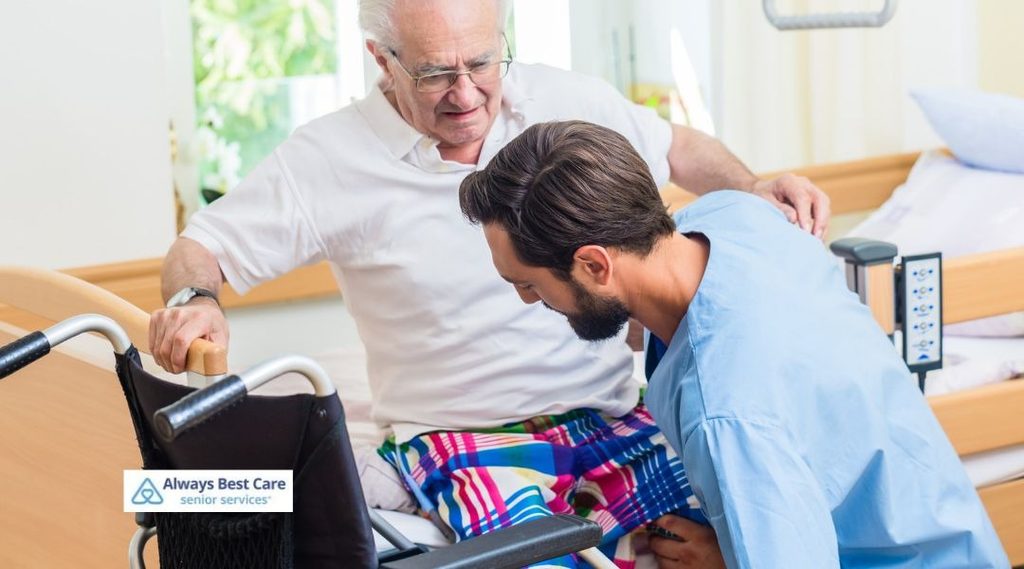
A trusted caregiver can offer support with routines that may become harder or riskier during the cooler season. This can include meal preparation, laundry, light housekeeping, errands, personal care, and companionship.
For someone who is unsteady on their feet, a caregiver can also provide an extra set of eyes during walks, appointments, shopping trips, or daily tasks around the home. A clear path, a steady routine, and a helping hand can make the day feel much less daunting.
Always Best Care Thousand Oaks provides personalized, non-medical in-home care that can help older adults remain safe, comfortable, and engaged at home. Care plans can be shaped around the senior’s needs, preferences, and routines.
Frequently Asked Questions
Q: What are the best fall prevention tips for seniors at home?
A: Useful fall prevention steps include clearing clutter, securing loose rugs, improving lighting, installing grab bars where appropriate, wearing supportive shoes, keeping walkways dry, and discussing balance concerns with a healthcare provider.
Q: Why are seniors more likely to fall during cooler months?
A: Cooler months may bring darker evenings, rain, wet outdoor surfaces, reduced physical activity, and more time indoors. These factors can increase the likelihood of slips, trips, and balance-related falls.
Q: Can in-home care help prevent senior falls?
A: Yes. A non-medical caregiver can help reduce fall risks by assisting with light housekeeping, meal preparation, personal care, errands, organization, and safe daily routines. Caregivers can also provide companionship and support during activities that may be difficult to manage alone.
Q: What should a family do after an older adult falls?
A: Families should encourage the senior to seek medical guidance, especially if there is pain, injury, dizziness, weakness, a head impact, or a change in mobility. Even without an apparent injury, it is wise to discuss the fall with a healthcare provider to identify possible risk factors.
Safer Steps, More Confidence
A safer home does not have to feel restrictive. With better lighting, clear pathways, supportive footwear, regular movement, and a little extra help, seniors can continue enjoying familiar routines with greater confidence.
For families seeking Fall Prevention Tips for Seniors in Thousand Oaks During the Cooler Months, Always Best Care Thousand Oaks can help. Reach out today at (318) 322-2223 at to learn how personalized in-home support can help your loved one feel safer, more comfortable, and more confident at home.