Aging in Place with a Chronic Illness: How In-Home Care Promotes Independence in Thousand Oaks

Home is more than four walls. For most seniors, it represents decades of memories, cherished routines, and a deep sense of belonging. A chronic illness diagnosis can feel like a threat to all of that, but it does not have to be.
Conditions like heart disease, diabetes, COPD, arthritis, and Parkinson’s affect millions of older adults. While these conditions require ongoing management, they do not automatically mean a move to assisted living or a nursing home is necessary. With the right in-home support, many seniors can continue living safely and independently in the place they love most.
What You Will Learn:
- How in-home care helps seniors with chronic illnesses continue living safely and independently at home.
- The daily challenges chronic conditions may bring and the practical support that can make them easier to manage.
- How consistent routines and early attention to changes can support ongoing health and well-being.
- Why companionship and personalized care bring comfort and peace of mind to seniors and their families.
Table of Contents
When Chronic Illness Makes Daily Life More Complex
Living with a chronic condition is rarely straightforward. It often means juggling multiple medications, attending frequent medical appointments, adjusting diet and activity levels, and navigating physical limitations, sometimes all at once.
Over time, these demands can become overwhelming, especially for seniors living alone. The risk is not just physical. Chronic illness frequently takes a toll on emotional health, too. Isolation, frustration, and anxiety are common among older adults managing long-term conditions without adequate support.
Seniors with chronic illnesses often face:
- Managing several medications and treatment plans simultaneously
- Reduced mobility or persistent pain that limits daily activity
- Fatigue that makes even simple household tasks difficult
- A higher risk of falls, especially in the home environment
- Difficulty getting to and from medical appointments
- Feelings of loneliness and social withdrawal
These challenges are real, but they are also manageable — with the right help in place.

What In-Home Care Actually Does
In-home care is not about taking over. It is about filling the gaps so seniors can continue doing what they are capable of, safely and confidently.
A professional caregiver works alongside the senior and their family to provide support that is tailored to that individual’s health needs, preferences, and daily routine. This is fundamentally different from institutional care, where schedules and routines are set by the facility.
Practical support typically includes:
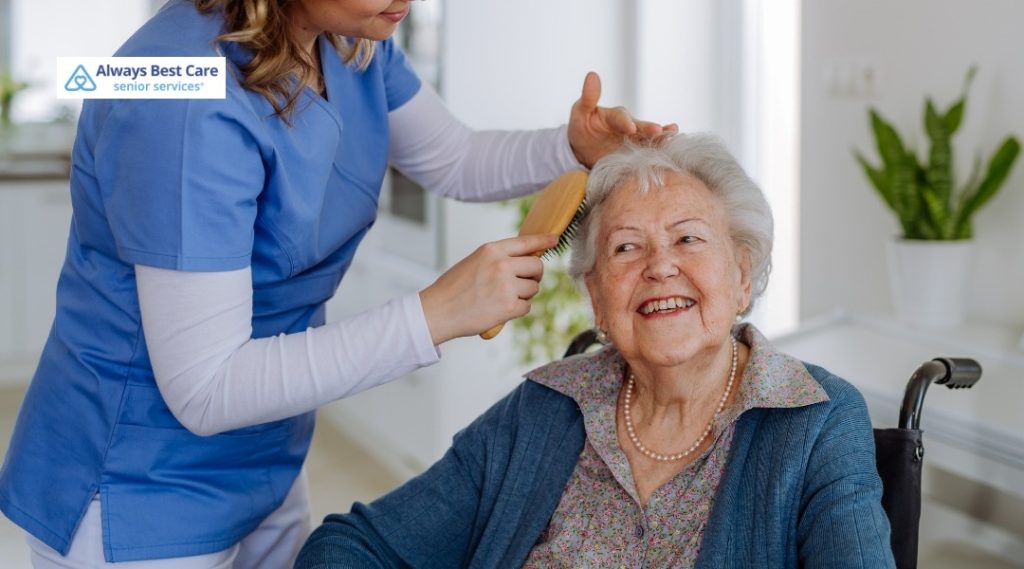
- Assistance with personal care such as bathing, grooming, and dressing
- Meal planning and preparation aligned with dietary requirements
- Light housekeeping and laundry
- Grocery shopping and running errands
- Transportation to medical appointments and follow-ups
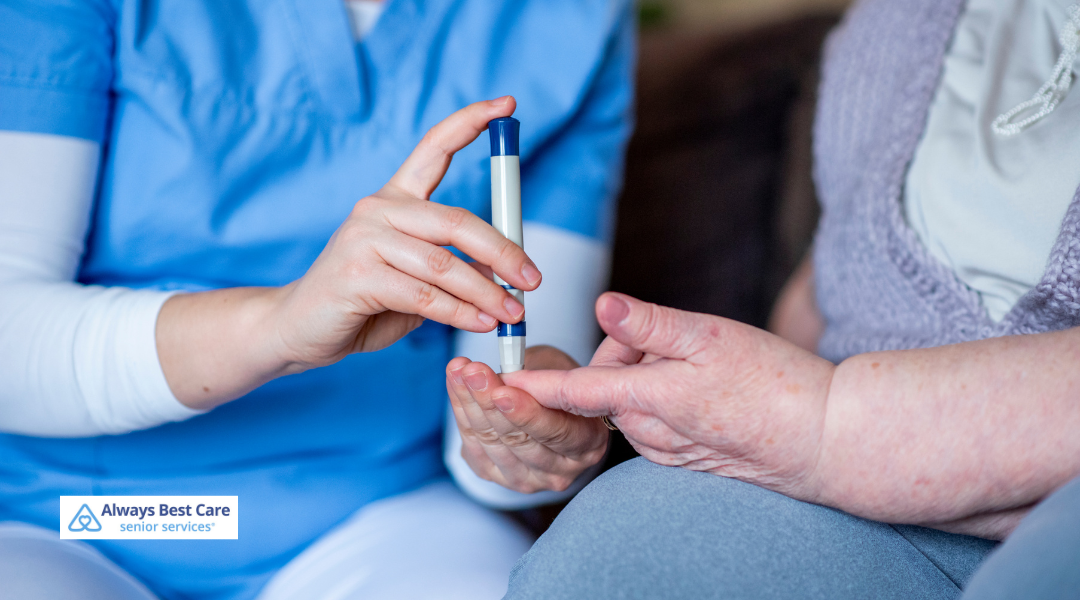
- Medication reminders to support treatment adherence
By handling these tasks, caregivers free up a senior’s energy for the things that matter most to them, whether that is spending time with family, pursuing a hobby, or simply resting comfortably.
Consistency Is the Foundation of Chronic Illness Management
One of the most underappreciated aspects of managing a chronic illness is consistency. Missed medications, skipped meals, or a lapse in physical activity can quickly lead to complications — and in some cases, a preventable hospital stay.
In-home caregivers help seniors maintain the daily habits that keep their conditions stable:
- Following prescribed medication schedules without gaps
- Eating balanced, nutritious meals that support their specific health needs
- Staying properly hydrated throughout the day
- Engaging in physician-approved physical activity
- Keeping all medical appointments and follow-up visits
This kind of steady, day-to-day support is difficult to replicate in any other care setting.
Catching Problems Before They Escalate
Seniors with chronic conditions are at a higher risk of hospital readmissions, often due to symptoms that were not caught early enough. A caregiver who is present regularly is in a unique position to notice subtle changes that family members or occasional visitors might miss.
Early warning signs caregivers often detect include:
- Noticeable changes in appetite or eating habits
- Increased fatigue or unusual lethargy
- Difficulty walking or a change in balance
- Shortness of breath or labored breathing
- Swelling in the legs or feet
- Confusion, disorientation, or behavioral changes
When these signs are identified early, families can contact healthcare providers before a manageable issue becomes a medical emergency. This proactive approach can significantly reduce hospitalizations and support better long-term outcomes.
The Emotional Side of Aging with a Chronic Illness
Physical health and emotional well-being are deeply connected, and chronic illness affects both. Many seniors struggle with the psychological weight of daily life changes — the loss of certain abilities, increased dependence, and the uncertainty that comes with a long-term diagnosis.
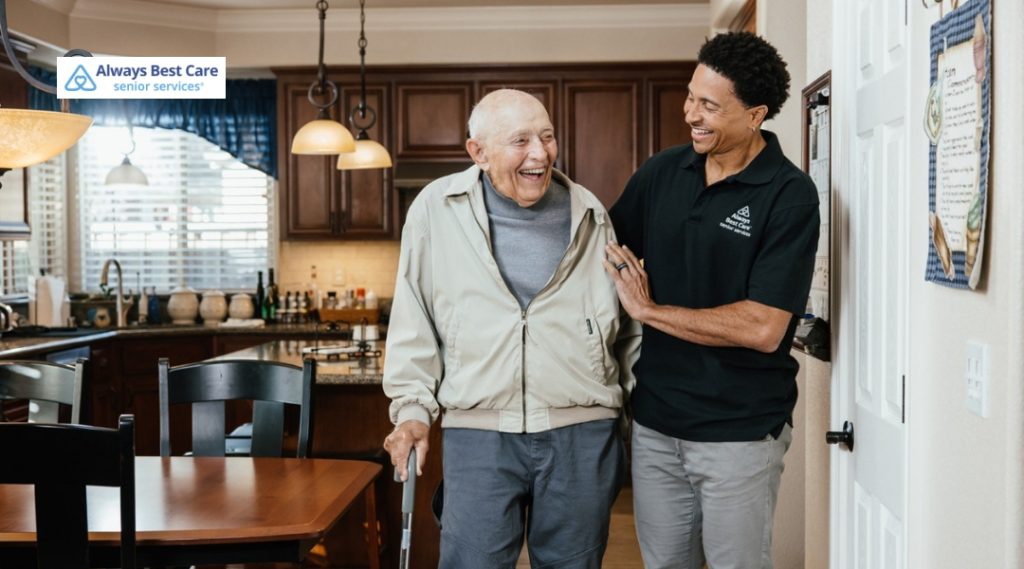
Companionship is a core part of quality in-home care. A caregiver who shares a meal, takes a walk, or simply sits and talks with a senior can make a meaningful difference in their mental and emotional state. Feeling seen, heard, and supported matters, and it directly impacts a senior’s motivation to stay engaged with their own health.
For families, in-home care also provides peace of mind. Knowing that a trusted professional is present and attentive allows family members to step back from the role of primary caregiver without stepping away from their loved one’s life.

How Always Best Care of Thousand Oaks Supports Seniors with Chronic Conditions
At Always Best Care of Thousand Oaks, we understand that no two seniors are alike. Our caregivers work closely with families to develop personalized care plans that reflect each individual’s health situation, daily routine, and personal goals.
Whether your loved one is managing diabetes, recovering from a stroke, living with COPD, or navigating multiple conditions at once, our team provides compassionate, consistent support designed to keep them safe, comfortable, and independent at home.
From medication reminders and meal preparation to transportation and companionship, we are here to support both seniors and the families who care for them.
Frequently Asked Questions
Q: Can a senior with a serious chronic illness really stay at home safely?
A: In many cases, yes. With consistent in-home support, proper medication management, and regular monitoring, seniors with conditions like diabetes, COPD, heart disease, and Parkinson’s can live safely at home. The key is having a care plan that matches the individual’s specific needs.
Q: What is the difference between in-home care and home health care?
A: In-home care focuses on non-medical support, help with daily activities, companionship, meal preparation, and transportation. Home health care involves skilled medical services provided by licensed nurses or therapists. Many families use both in combination, depending on the senior’s needs.
Q: How do I know when it is time to consider in-home care?
A: Common indicators include difficulty managing medications, missed meals, increased fall risk, trouble keeping up with household tasks, or signs of social isolation. If daily life is becoming harder to manage independently, it is worth exploring in-home care options.
Q: Will a caregiver follow my loved one’s specific medical dietary requirements?
A: Yes. Caregivers at Always Best Care of Thousand Oaks are informed of each client’s health needs, including dietary restrictions, and can prepare meals that align with physician recommendations.
Q: How do I get started with Always Best Care of Thousand Oaks?
A: Simply call us at (805) 691-0586 to schedule a free care consultation. Our team will assess your loved one’s needs and help design a care plan that supports their health, independence, and quality of life.
Home, Health, and Independence, Together
A chronic illness may change how your loved one lives day to day, but with the right support, it does not have to change where they call home.
Call Always Best Care of Thousand Oaks at (805) 691-0586 to schedule a care consultation and learn how our team can help your loved one thrive at home.
Link to the Markdown File version of the article