
Stroke Recovery Success in Kernersville: The Role of Skilled Nursing Care
After a stroke, families in Kernersville often hear the same hopeful phrase: “You’re stable enough to go home or to rehab.” But what happens next can make all the difference. Recovery isn’t just about surviving the event; it’s about regaining movement, speech, confidence, and safety in everyday life.
That’s where skilled nursing care comes in. With licensed nurses, rehabilitation therapists, and a coordinated care approach, skilled nursing services in Kernersville help bridge the gap between the hospital and home—turning uncertainty into a structured path forward.
What You Will Learn:
- How skilled nursing care supports stroke recovery after hospital discharge.
- The role of therapy, medical monitoring, and medication management in improving outcomes.
- How skilled nursing helps prevent complications and supports emotional recovery.
- What families in Kernersville can expect when transitioning from skilled care back home.
Table of Contents
What Skilled Nursing Care Means After a Stroke
Skilled nursing care goes beyond basic help with bathing and meals. It’s medical and rehabilitation-focused support delivered by licensed professionals trained to handle complex health needs. After a stroke, that expertise is crucial.
In a skilled nursing setting, stroke survivors may receive:
- Daily nursing assessments and vital sign monitoring
- Medication management, including new prescriptions and dose changes
- Wound care, injections, and other clinical treatments as ordered
- Coordination of physical, occupational, and speech therapy
Instead of families trying to “figure it out” on their own, a clinical team keeps a close eye on progress and complications.
Supporting Rehabilitation: The Heart of Stroke Recovery
Rehabilitation is where many stroke recovery “wins” happen. Skilled nursing care in Kernersville builds rehab into the daily rhythm of life so survivors practice new skills, not just talk about them.
Key rehab components include:
- Physical therapy to build strength, improve balance, and work on walking, transfers, and stairs.
- Occupational therapy to rebuild skills for dressing, bathing, cooking, and using the weaker arm or hand.
- Speech therapy to address speech clarity, language, memory, and swallowing difficulties.
Nurses and therapists work together so what’s learned in a therapy session is reinforced throughout the day—during meals, transfers, grooming, and simple conversations.

Medical Monitoring That Protects Progress
Stroke survivors are often medically fragile, especially in the weeks after the event. High blood pressure, irregular heart rhythms, infections, and medication side effects can all derail recovery. Skilled nursing care keeps these risks in check.
Nurses in Kernersville skilled settings can:
- Monitor blood pressure, heart rate, oxygen levels, and blood sugar as needed
- Watch for signs of new or worsening stroke symptoms
- Track changes in alertness, mood, or breathing
- Communicate concerns quickly to physicians and specialists
Catching small issues early—like a subtle change in speech, a sudden spike in blood pressure, or new confusion—can prevent larger setbacks and emergency room visits.

Medication Management: Reducing Confusion and Risk
After a stroke, medication lists tend to grow. Blood thinners, blood pressure medications, cholesterol drugs, and others all play a role in preventing future strokes and managing underlying conditions. Managing them correctly is essential.
Skilled nursing helps by:
- Ensuring medications are given at the right times and in the right doses
- Watching for side effects such as dizziness, bleeding, or excessive fatigue
- Coordinating with doctors when changes are needed
- Educating stroke survivors and families about what each medication does
Clear medication routines and professional oversight reduce the chances of missed doses, double doses, or dangerous interactions.

Preventing Complications That Can Set Recovery Back
Stroke survivors face higher risks for complications such as falls, infections, skin breakdown, and blood clots. Each complication can slow or reverse recovery gains. Skilled nursing care is designed to prevent these setbacks.
Common prevention strategies include:
- Fall-risk assessments and tailored safety plans
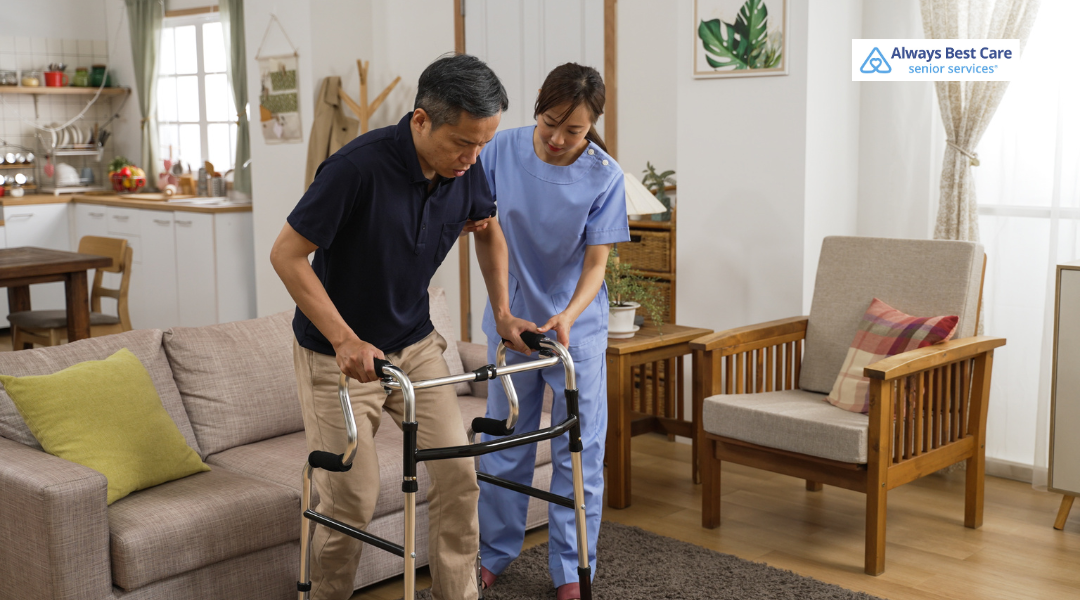
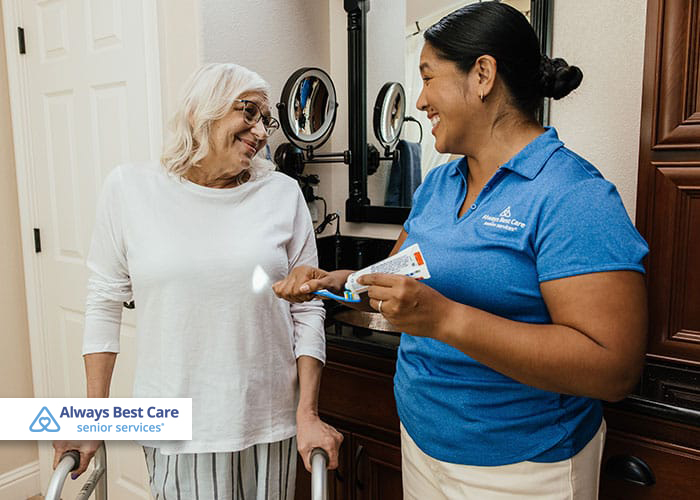
- Help with safe transfers and proper use of walkers or wheelchairs
- Regular skin checks and repositioning for those with limited mobility
- Support for hydration, nutrition, and safe swallowing
- Encouraging gentle, appropriate movement to reduce clot risk
By staying ahead of these issues, skilled nursing care protects the progress made in therapy and keeps seniors moving forward.

Emotional Support and Confidence-Building
Stroke recovery isn’t just physical. Many survivors in Kernersville grapple with frustration, fear of falling, embarrassment about speech changes, or sadness over lost abilities. Those emotions can drain motivation if they’re ignored.
Skilled nursing teams help by:
- Offering calm, consistent encouragement during tough exercises and daily tasks
- Celebrating small milestones, like walking a bit farther or speaking more clearly
- Creating routines that feel predictable and reassuring
- Listening to worries and questions without rushing or minimizing them
As confidence grows, many stroke survivors become more willing to try new challenges and participate actively in their own recovery.

Planning the Next Step: From Skilled Nursing to Home
A key mark of stroke recovery success is what happens after skilled nursing care ends. The best programs in Kernersville don’t just focus on the present; they help families prepare for what comes next.
Discharge planning may include:
- Home safety recommendations (grab bars, shower chairs, furniture placement)
- Guidance on whether in-home care, outpatient therapy, or home health services are needed
- Training family members on safe transfers, mobility support, and daily care
- Clear instructions about medications, follow-up visits, and warning signs to watch for
This planning helps ensure that leaving skilled nursing doesn’t mean leaving support behind.
How Skilled Nursing Care Improves Stroke Outcomes
When all these pieces—clinical care, rehab, safety, emotional support, and planning—come together, outcomes often improve. Stroke survivors are more likely to:
- Regain safer mobility and balance
- Improve their ability to manage everyday tasks
- Communicate more clearly and swallow more safely
- Avoid preventable complications and hospital readmissions
- Feel more confident and supported throughout recovery
For Kernersville families, that can translate into more independent days at home, fewer crises, and a clearer sense of direction during a stressful time.
FAQs About Skilled Nursing Stroke Care in Kernersville
Q: When is skilled nursing a good option after a stroke?
A: Skilled nursing is especially helpful when a stroke survivor needs daily therapy, close medical monitoring, or more help with daily tasks than can be safely provided at home right away.
Q: How long do stroke survivors usually stay in skilled nursing care?
A: Length of stay varies. Some people need a few weeks of intensive rehab and monitoring, while others stay longer based on their progress, goals, and medical stability. The care team regularly reassesses needs and discusses next steps with families.
Q: Can families be involved in stroke recovery in a skilled nursing setting?
A: Yes. Families are encouraged to visit, join care meetings, ask questions, and learn safe techniques. The more everyone understands the plan, the smoother the transition home can be.
Q: Does skilled nursing replace the need for future home care?
A: Not necessarily. Skilled nursing focuses on intensive, short- to mid-term recovery and medical needs. Many stroke survivors still benefit from in-home care, outpatient therapy, or home health support once they leave.
Q: How does skilled nursing coordinate with the stroke survivor’s doctors?
A: Skilled nursing teams communicate with physicians and specialists, share updates, report concerns, and carry out treatment plans. This coordination keeps daily care aligned with medical recommendations.

A Strong Partner in Stroke Recovery
Stroke recovery is rarely a straight line, but the right care team can make that winding path safer and more hopeful. Skilled nursing care in Kernersville brings together medical expertise, focused rehabilitation, and everyday support so stroke survivors aren’t facing recovery alone.
By managing risks, reinforcing therapy, and planning carefully for what comes next, skilled nursing doesn’t just “care for” stroke survivors—it actively supports their chances of meaningful recovery and a safer return to daily life. Always Best Care of Kernersville at (336) 396-8919 to learn more and schedule your free consultation.
Link to the markdown version of this blog.