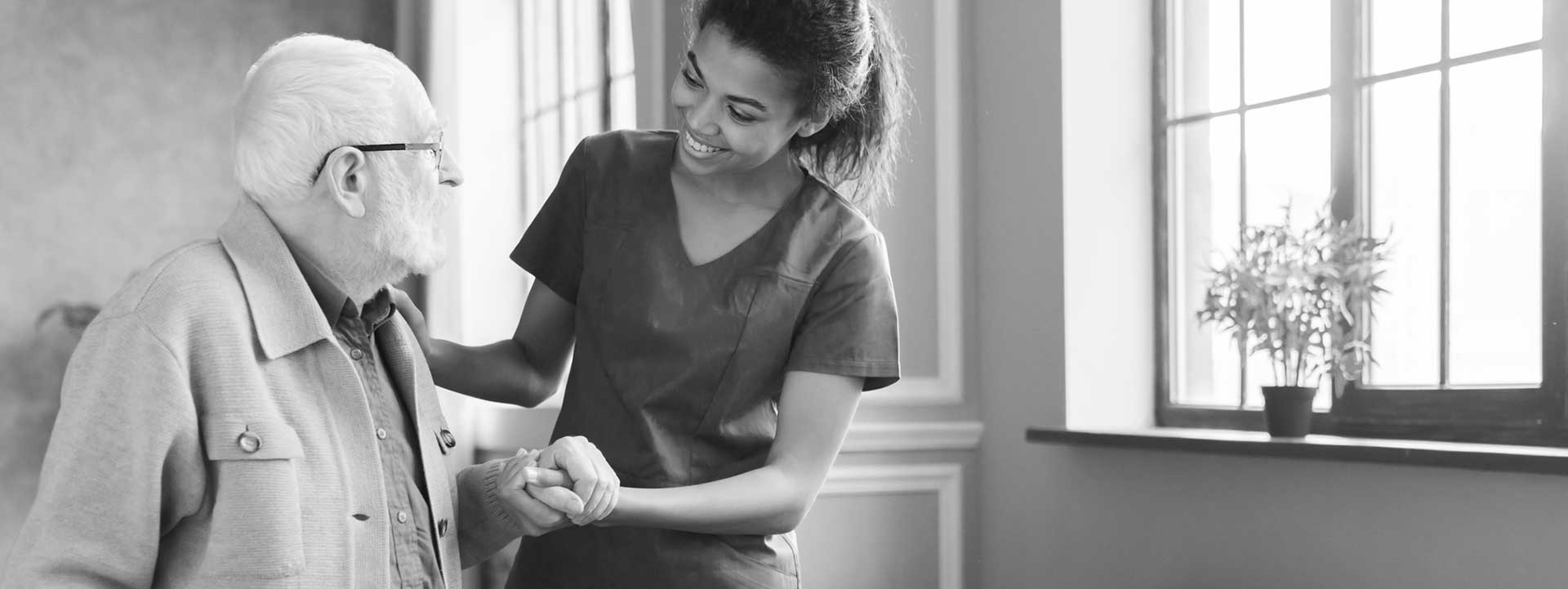
Wound Won’t Heal? When It’s Time for Skilled Nursing at Home in Downingtown, PA
A small scrape can heal on its own, but not every wound is that simple. As we age, skin gets thinner, healing slows down, and even a tiny cut can turn into a bigger headache.
Table of Contents
What You Will Learn
- Why wounds can become more difficult to heal in older adults because of fragile skin, diabetes, poor circulation, limited mobility, nutrition concerns, dehydration, medications, and other chronic health conditions.
- Which wounds may require medical assessment or physician-directed skilled nursing, including surgical wounds, pressure injuries, diabetic foot wounds, burns, wounds that repeatedly reopen, and chronic wounds that are not improving.
- Warning signs that should prompt contact with a healthcare provider, including spreading redness, warmth, swelling, worsening pain, drainage, foul odor, fever, chills, confusion, or sudden changes in energy and alertness.
Why Wound Care Gets Tricky for Seniors
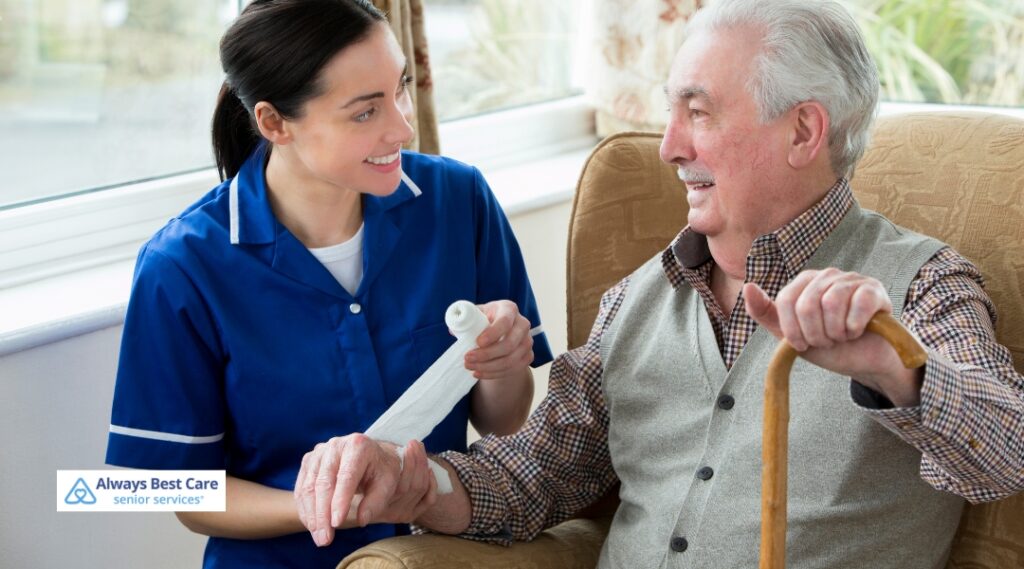
Older skin is more delicate and easier to injure. Add in diabetes, poor circulation, limited movement, or a weak appetite, and healing can drag its feet.
A wound may need more attention if there’s:
- Slow healing
- Frequent reopening
- Trouble keeping the area clean
- A history of infection
- Less feeling in the feet or legs
Signs a Wound Needs Skilled Nursing
A wound that looks “just fine” can still be trouble in disguise. Watch for:
- Redness that spreads
- Swelling or warmth
- Pain that gets worse
- Drainage or a bad smell
- Fever or chills
- Confusion or a sudden change in energy
If a wound changes fast, that’s a red flag. Seniors with diabetes or circulation problems need close watching, since infections can sneak up quickly.
Wound Care at Home: When Skilled Nursing Makes Sense
Some wounds need more than a bandage and a little patience. Skilled nursing may be a smart fit for:
- Surgical wounds that need follow-up care
- Pressure injuries or bedsores
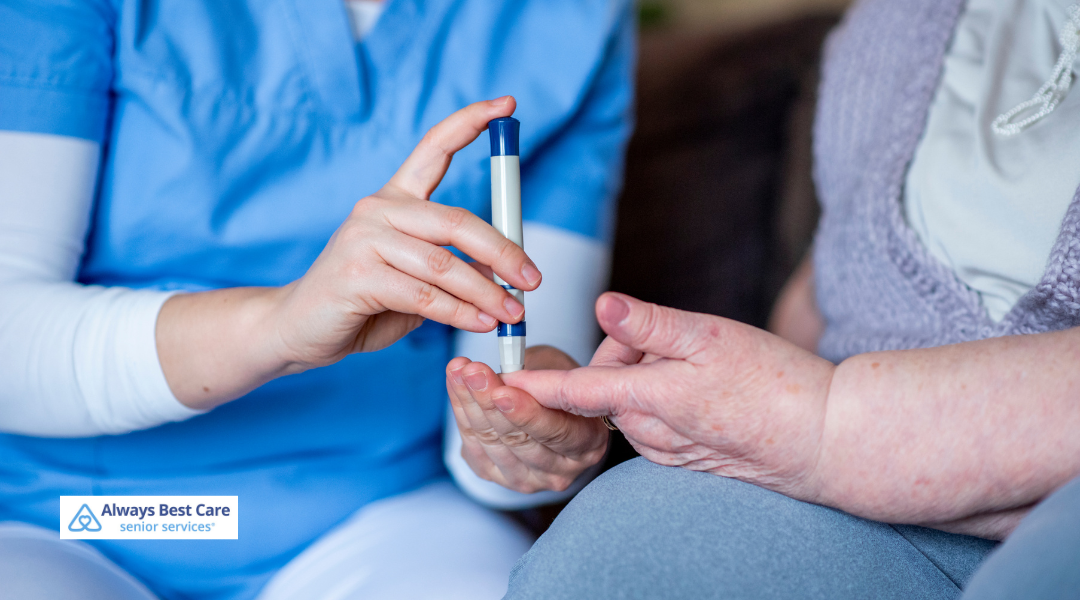
- Diabetic foot wounds
- Skin tears that keep reopening
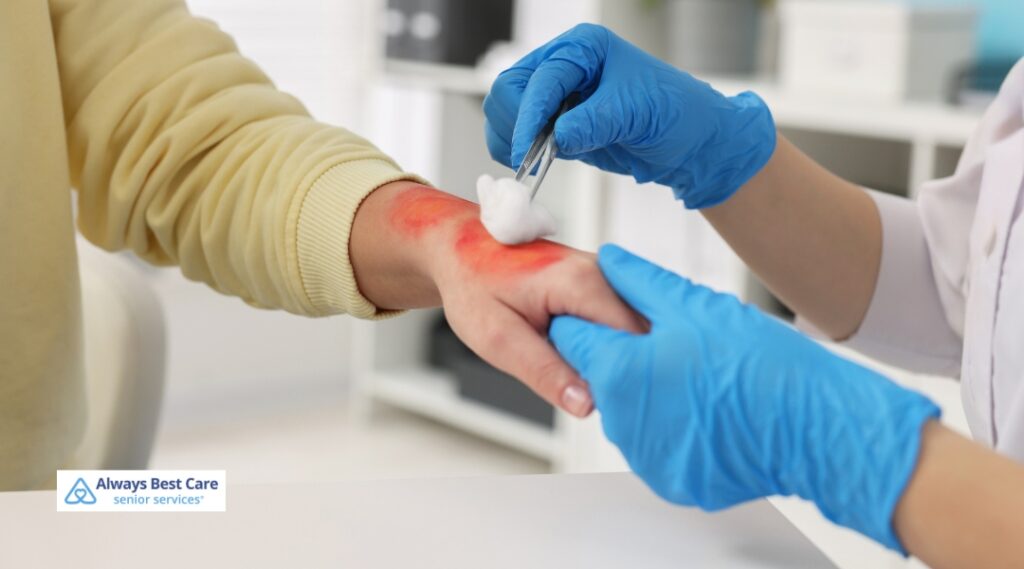
- Burns or deeper injuries
- Wounds that aren’t improving
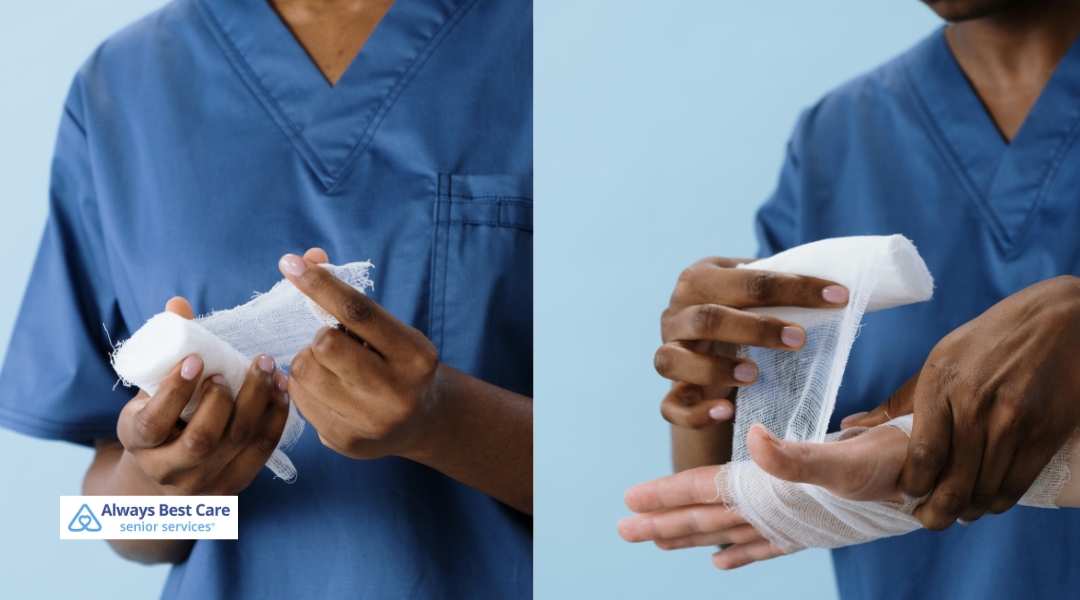
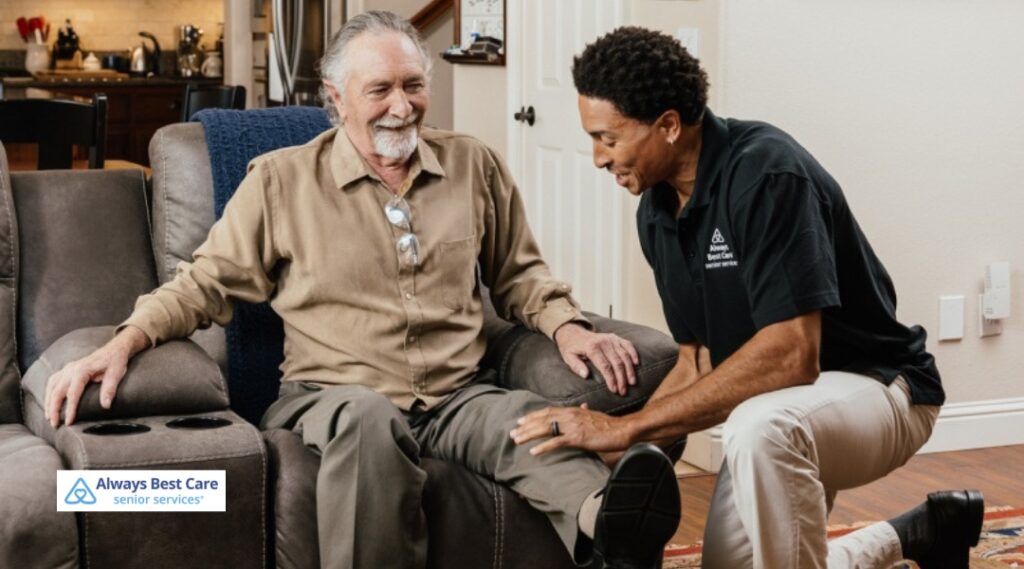
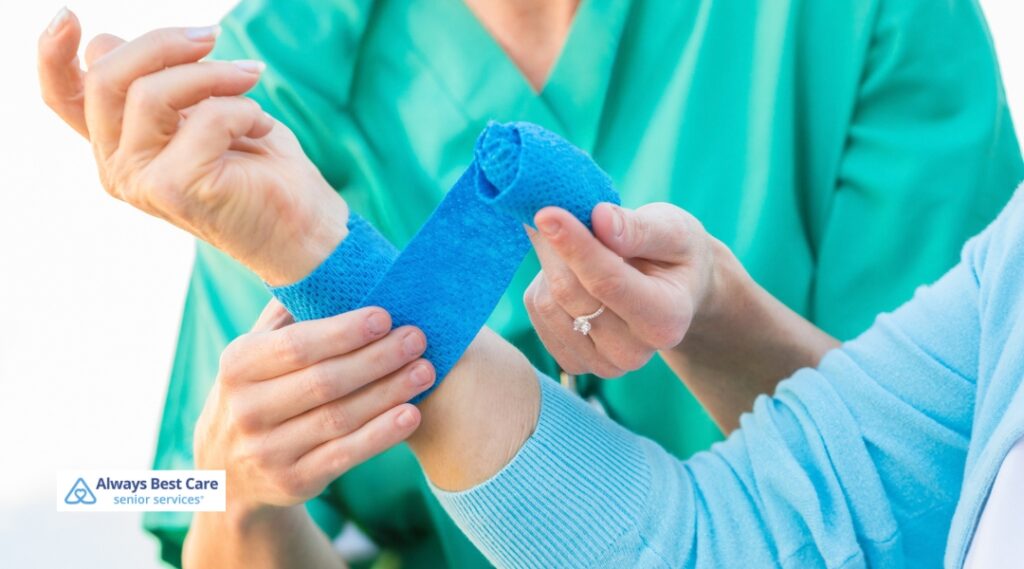
A nurse can check healing, clean the wound, change dressings, and keep an eye out for trouble. They can also explain what’s normal and what’s not, which gives families a little peace of mind.
What We Do at Always Best Care of Downingtown, PA
At Always Best Care of Downingtown, PA, we help seniors stay safe and comfortable at home while healing. If skilled nursing is part of the care plan, we work with the doctor’s instructions and support recovery right where home feels best.
We may help with:
- Wound checks
- Dressing changes
- Infection monitoring
- Care guidance for family members
- Updates to the healthcare team
We also help with daily routines, meals, personal care, and light household tasks, so healing doesn’t feel like a full-time job for the whole family.
How to Help Prevent Pressure Injuries
Pressure injuries can start when someone sits or lies in one position too long. A few simple habits can help lower the risk:
- Reposition often
- Keep skin clean and dry
- Use cushions or pressure-relief tools
- Check heels, hips, elbows, and tailbone
- Make sure meals and fluids are steady
A little prevention goes a long way. Truth is, a few small changes can save a lot of trouble later.
FAQ
Q: How do I know if a wound is serious?
A: If it’s getting redder, warmer, more painful, or starts draining, it may need medical care. Fever, chills, or confusion are more urgent signs.
Q: Can a nurse treat wounds at home?
A: Yes. A skilled nurse can clean wounds, change dressings, watch healing, and report concerns to the doctor.
Q: Do all seniors with wounds need skilled nursing?
A: No. Minor cuts may heal with basic care. More complex wounds, slow-healing wounds, or wounds with infection risk may need skilled nursing.
Q: Can caregiving and skilled nursing work together?
A: Absolutely. Skilled nursing handles medical care, while in-home help can support meals, grooming, mobility, and other daily needs.
Support Safer Wound Recovery at Home
A wound that is worsening, repeatedly reopening, not healing as expected, showing signs of infection, or making daily routines more difficult can become a serious concern for an older adult. Prompt clinical guidance, a physician-directed care plan, and dependable day-to-day assistance can help families respond earlier and make recovery at home safer and more manageable.
Wound care at home can be simple, but it can also get complicated in a hurry. If a wound is slow to heal or shows signs of infection, skilled nursing may be the safest next step.
At Always Best Care of Downingtown, PA, we’re here to help older adults heal with more comfort and less stress at home. Contact Always Best Care of Downingtown at (610) 450-6776 to learn more and schedule your free consultation.
Link to the markdown version of this blog.