
Helping Seniors Breathe Easier: Respiratory Health Tips for Downingtown, PA

For most people, breathing happens without a second thought. But for many older adults, each breath can require real effort. Whether it’s due to a chronic condition like COPD, age-related changes in lung function, or everyday environmental triggers, respiratory health is one of the most important—and often overlooked—aspects of senior wellness.
The encouraging reality is that proactive habits, a supportive home environment, and the right caregiving team can make a meaningful difference in how seniors breathe and feel every day.
What You Will Learn:
- How aging affects lung function and breathing in seniors.
- Common respiratory conditions and warning signs to watch for.
- Practical ways to improve air quality and daily habits at home.
- How caregivers support respiratory health and independence.
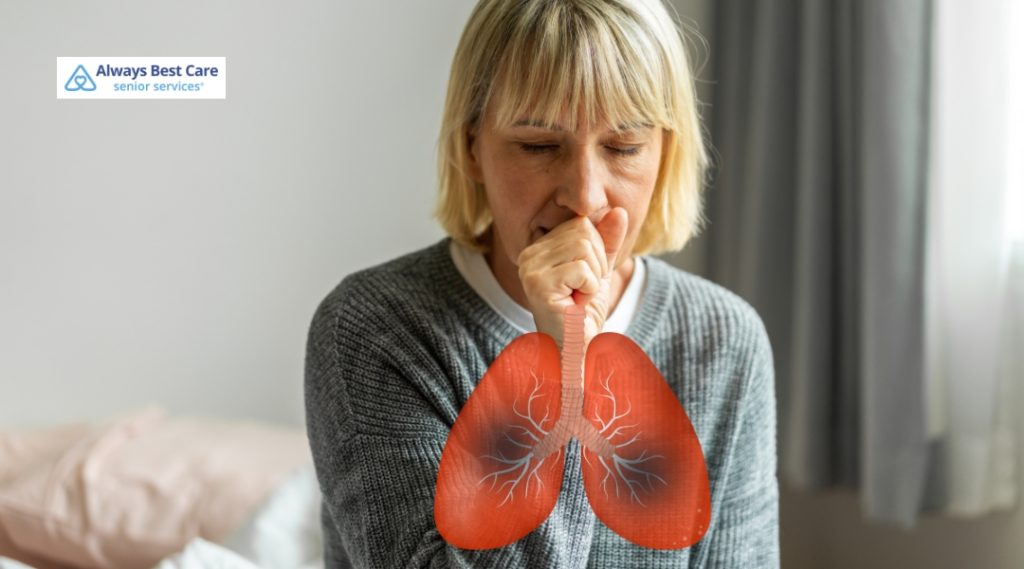
Table of Contents
How Aging Affects the Lungs
Lung function peaks in early adulthood and gradually declines with age. The muscles that support breathing weaken over time, the chest wall becomes stiffer, and the lungs lose some of their elasticity. This means less oxygen is exchanged with each breath—and recovery from respiratory illness takes longer.
Seniors are also more susceptible to infections like pneumonia and bronchitis, which can escalate quickly without proper monitoring. Common respiratory conditions affecting older adults include:
- Chronic obstructive pulmonary disease (COPD)
- Asthma
- Pneumonia
- Bronchitis
- Reduced lung capacity
Even when symptoms seem mild, they can quietly chip away at energy levels, sleep quality, and the ability to stay independent.
Building a Lung-Friendly Home in Downingtown, PA
The air inside a home can be more polluted than outdoor air—and for seniors with sensitive respiratory systems, that matters. Small adjustments to the home environment can significantly reduce irritants and support easier breathing.
Practical steps to improve indoor air quality:
- Replace HVAC filters every 1–3 months
- Use HEPA air purifiers in frequently used rooms
- Keep the home free of dust, mold, and pet dander
- Eliminate smoking indoors and minimize secondhand smoke exposure
- Swap harsh chemical cleaners for fragrance-free, low-VOC alternatives
- Maintain indoor humidity between 30–50% using a humidifier or dehumidifier
In Downingtown, seasonal allergens and pollen can also be a factor. Keeping windows closed on high-pollen days and encouraging seniors to change clothes after spending time outdoors can help reduce exposure.

Daily Habits That Strengthen Respiratory Health
Lifestyle choices have a direct impact on lung function—even for seniors managing chronic conditions. Consistent, manageable habits can improve breathing capacity and overall stamina over time.
Encourage seniors to build these routines:
- Stay active: Gentle movement like walking, chair yoga, or light stretching keeps the respiratory muscles engaged and improves circulation.
- Practice breathing exercises: Pursed-lip breathing and diaphragmatic breathing can help expand lung capacity and reduce breathlessness.
- Hydrate consistently: Water keeps the mucous membranes in the airways moist, making it easier to clear irritants.
- Eat for lung health: Anti-inflammatory foods—leafy greens, berries, fatty fish, and whole grains—support respiratory function.
- Stay current on vaccinations: Flu, pneumonia, and COVID-19 vaccines are especially important for older adults with respiratory vulnerabilities.

Managing Chronic Respiratory Conditions
For seniors already living with a diagnosed respiratory condition, day-to-day management is critical. Inconsistent medication use or missed follow-up appointments can lead to preventable hospitalizations.
Key management strategies include:
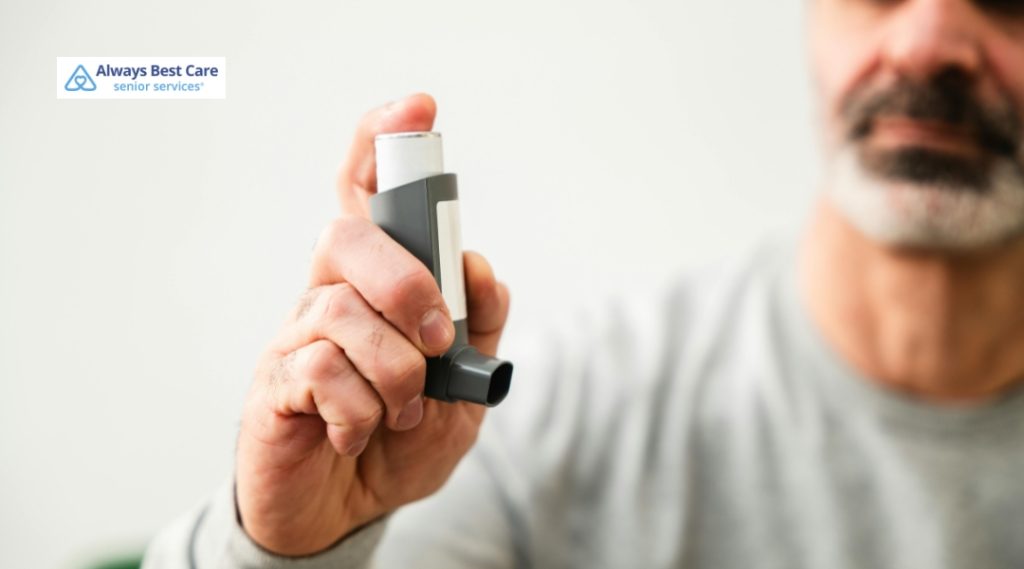
- Taking all medications as prescribed—including maintenance inhalers, not just rescue inhalers
- Using oxygen therapy equipment correctly and consistently
- Tracking symptoms in a simple daily log to identify patterns or early warning signs
- Scheduling regular checkups with pulmonologists or primary care providers
- Communicating openly with healthcare providers about any changes in breathing
Caregivers and family members can play a vital role here—helping seniors stay on schedule and flagging concerns before they become emergencies.

Warning Signs That Need Immediate Attention
Knowing when to act quickly can be life-saving. Families and caregivers should watch for these red flags:
- Sudden or worsening shortness of breath
- Persistent wheezing or a new, productive cough
- Chest tightness or pain
- Unexplained fatigue or confusion
- Bluish tint to lips, fingernails, or skin
If any of these symptoms appear, do not wait—seek medical attention right away.
How Always Best Care of Downingtown, PA Supports Respiratory Health
Managing a respiratory condition at home is a daily commitment. For seniors living alone or those whose family members live at a distance, having consistent, professional support can make all the difference.
Always Best Care of Downingtown, PA caregivers are trained to assist with the routines and monitoring that keep seniors safer and more comfortable at home.
Our caregivers can help with:
- Medication reminders to ensure prescriptions are taken correctly and on time
- Light housekeeping to reduce allergens and maintain a clean environment
- Meal preparation focused on nutritious, lung-supportive foods
- Encouraging hydration throughout the day
- Supporting safe, gentle physical activity
- Companionship to ease anxiety, which can worsen breathing difficulties
- Transportation to medical appointments and follow-up visits
For seniors who need a higher level of care, home health services can provide skilled nursing, respiratory monitoring, and direct coordination with healthcare providers.

Frequently Asked Questions
Q: What are the most common respiratory conditions in seniors?
A: COPD, asthma, pneumonia, and bronchitis are among the most prevalent. Age-related decline in lung capacity also makes seniors more vulnerable to respiratory infections and slower to recover from them.
Q: How can I tell if my loved one’s breathing problems are serious?
A: Sudden changes are the biggest concern. If your loved one experiences a rapid increase in shortness of breath, confusion, chest pain, or a bluish color around the lips or fingertips, seek emergency care immediately. For gradual changes, schedule a prompt appointment with their physician.
Q: Are breathing exercises actually effective for seniors?
A: Yes. Techniques like pursed-lip breathing and diaphragmatic breathing have been shown to improve lung efficiency, reduce breathlessness, and help seniors feel more in control of their symptoms. A respiratory therapist can tailor a program to your loved one’s specific needs.
Q: What home changes make the biggest difference for respiratory health?
A: Improving indoor air quality tends to have the most immediate impact. This includes using HEPA air purifiers, replacing air filters regularly, eliminating smoking indoors, and keeping humidity levels balanced. Reducing dust and chemical fragrances also helps significantly.
Q: How does professional home care support seniors with respiratory conditions?
A: Caregivers provide consistent daily support—medication reminders, housekeeping, meal prep, and activity encouragement—that helps seniors stick to their management routines. They also serve as an extra set of eyes, noticing early warning signs and communicating with family members or healthcare providers when something seems off.
Respiratory health is foundational to a senior’s independence and quality of life. With the right habits, environment, and support in place, breathing easier at home is an achievable goal.

Support Safer, Easier Breathing at Home
At Always Best Care of Downingtown, we provide compassionate in-home care for seniors managing respiratory conditions and chronic health needs. From medication reminders and meal preparation to maintaining a clean, low-irritant home environment, our caregivers help seniors stay safe, comfortable, and independent.
Contact Always Best Care of Downingtown at (610) 450-6776 to learn more and schedule your free consultation.
Link to the markdown version of this blog.