Stroke Prevention Tips for Seniors in Shreveport, LA: Protecting Brain Health Through Healthy Habits
Every 40 seconds, someone in the United States has a stroke. For older adults, the consequences can be severe, affecting speech, mobility, memory, and the ability to live independently. The good news is that up to 80% of strokes are preventable. With the right daily habits and consistent medical care, seniors can take meaningful control of their brain health.
What you will learn:
- Why stroke risk rises with age, and how conditions like high blood pressure, diabetes, and high cholesterol affect brain health for seniors in Shreveport.
- The everyday healthy habits that best support brain and heart health include regular physical activity, nourishing foods, and good control of blood pressure, blood sugar, and cholesterol.
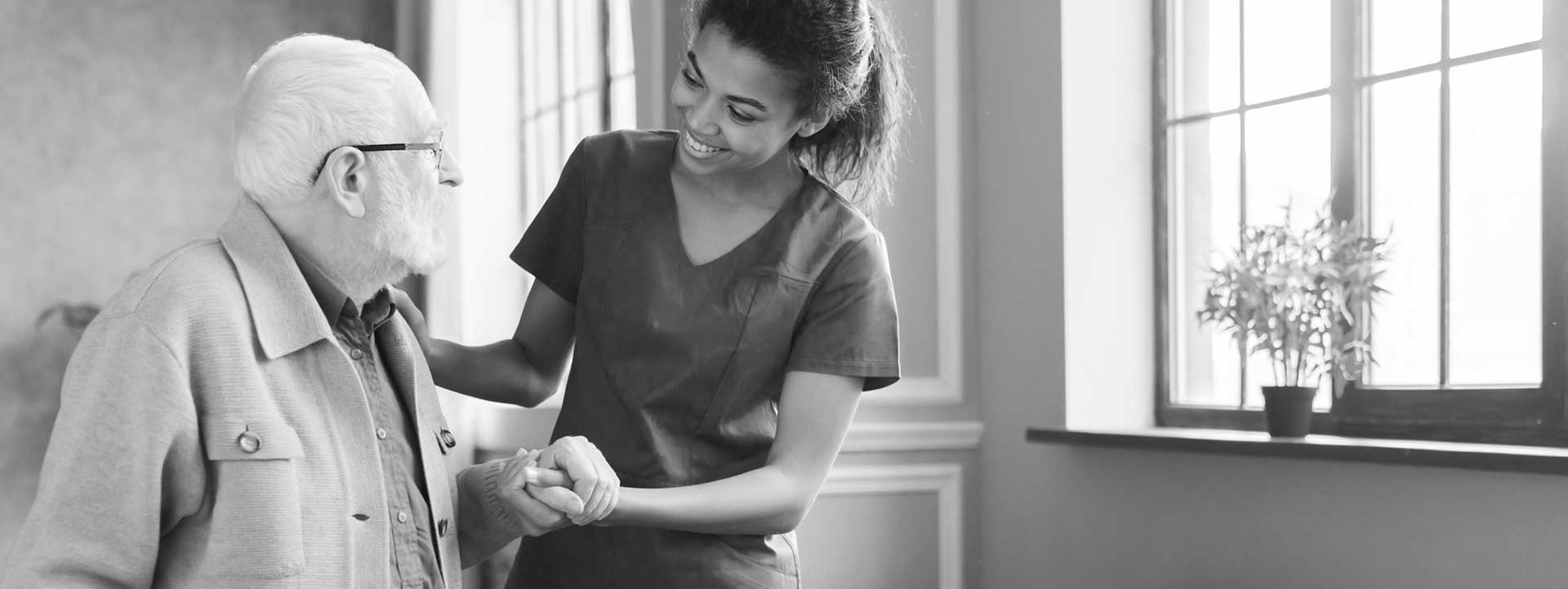
- How compassionate, consistent support at home helps seniors follow prevention routines, stay safer, and enjoy greater independence with confidence.
Table of Contents
Why Stroke Risk Rises with Age
Aging naturally changes the cardiovascular system. Blood vessels become less flexible, and the heart works harder to maintain circulation. Add in decades of lifestyle factors, diet, activity levels, stress, and the risk compounds quickly.
The most significant contributors to stroke risk in seniors include:
- High blood pressure is the leading cause of stroke
- Type 2 diabetes — damages blood vessels over time
- High cholesterol leads to arterial plaque buildup
- Atrial fibrillation — an irregular heartbeat that can cause clots
- Smoking and excessive alcohol use
Understanding these risk factors is the first step. Managing them is where prevention truly begins.
Control Blood Pressure: Consistently
High blood pressure puts constant stress on artery walls. Over time, that pressure can cause vessels to weaken, narrow, or rupture, all of which can trigger a stroke.
For seniors, blood pressure management isn’t a one-time fix. It requires daily attention:
- Check readings regularly, ideally at the same time each day
- Take prescribed medications without skipping doses
- Reduce sodium — aim for less than 1,500 mg per day for older adults
- Limit alcohol and avoid smoking
- Manage stress through relaxation techniques or light activity
Small, consistent actions add up. Even a modest reduction in blood pressure can meaningfully lower stroke risk.
Keep Blood Sugar in a Healthy Range
Diabetes affects how the body processes sugar, and chronically high blood sugar gradually damages blood vessels throughout the body, including those supplying the brain. Seniors with diabetes face a significantly higher stroke risk than those without.
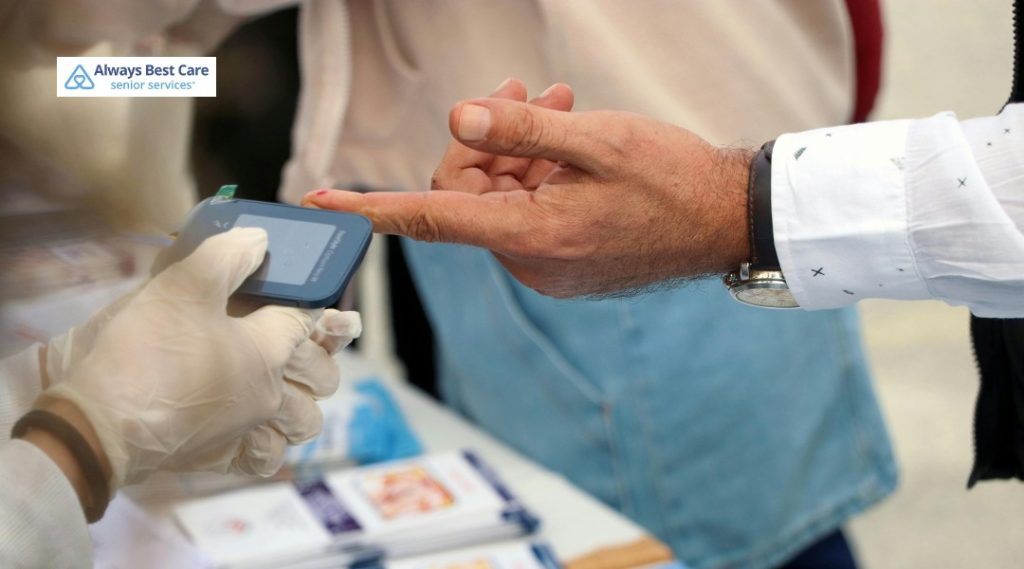
Effective management includes monitoring blood glucose levels daily, following a meal plan that limits refined sugars and processed carbohydrates, staying active, and taking medications as directed. Regular A1C testing with a physician helps track long-term blood sugar control and catch problems early.
Address Cholesterol Before It Becomes a Problem
Cholesterol itself isn’t harmful, but when LDL (“bad”) cholesterol builds up in artery walls, it forms plaque that narrows blood flow. If a plaque deposit breaks loose, it can block blood flow to the brain entirely.
Seniors can support healthy cholesterol levels by:
- Eating more fiber-rich foods — oats, beans, fruits, and vegetables
- Replacing saturated fats with healthier options like olive oil, avocado, and nuts
- Limiting red meat and full-fat dairy products
- Following any statin or cholesterol-lowering medication plan prescribed by a doctor
Routine bloodwork is the only way to know where cholesterol levels stand, so regular checkups matter.
Move More, Even Gently
Exercise is one of the most powerful tools for stroke prevention. It strengthens the heart, improves circulation, helps manage weight, and lowers both blood pressure and blood sugar. Seniors don’t need intense workouts; consistency matters far more than intensity.
Accessible options include:
- Daily walks, even 20–30 minutes at a comfortable pace
- Chair-based stretching or strength exercises
- Water aerobics or swimming
- Yoga or tai chi, which also support balance and fall prevention
- Gardening or light yard work
The goal is to reduce prolonged sitting and build movement into the daily routine. Even breaking up long periods of inactivity with short walks makes a difference.
Eat to Protect Your Brain
Diet has a direct and measurable impact on stroke risk. A heart-healthy diet reduces inflammation, supports healthy blood vessels, and helps manage blood pressure, cholesterol, and blood sugar simultaneously.
Seniors should aim for:
- More plants — fruits, vegetables, leafy greens, and legumes
- Whole grains over white bread, white rice, and refined carbohydrates
- Lean proteins — fish (especially fatty fish like salmon), poultry, and beans
- Healthy fats — olive oil, walnuts, and avocado
- Less sodium — read labels carefully, as processed and canned foods are often high in salt
- Adequate hydration — dehydration can affect blood viscosity and circulation
The Mediterranean and DASH diets are well-researched approaches that align with these principles and have been shown to reduce cardiovascular and stroke risk.
The Value of Consistent Support at Home
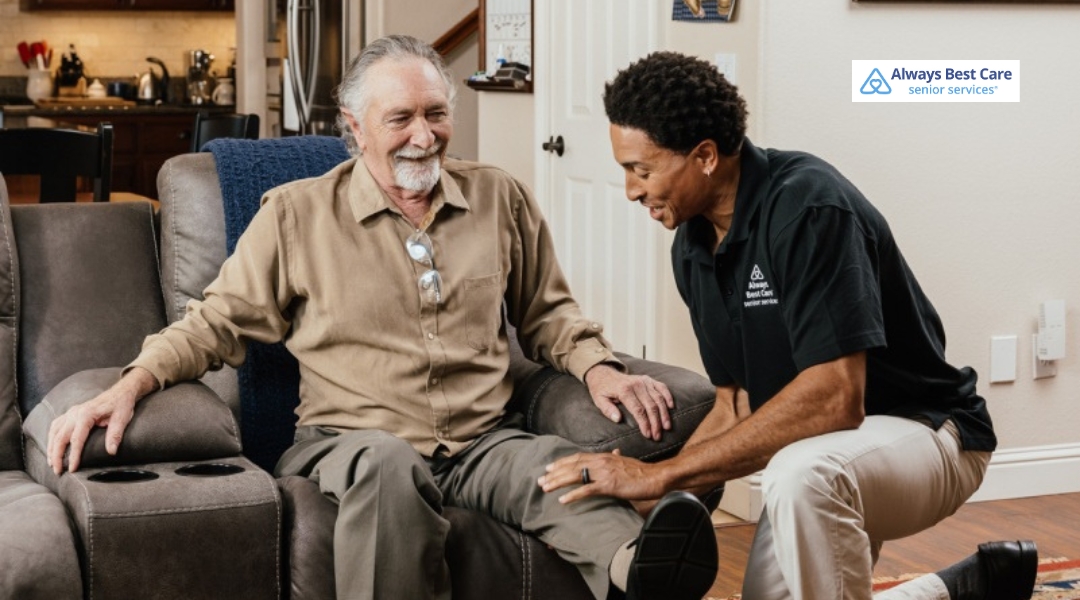
For many seniors, the challenge isn’t knowing what to do; it’s doing it consistently, especially when managing multiple health conditions or living alone. This is where in-home support makes a real difference.
A caregiver can help seniors:
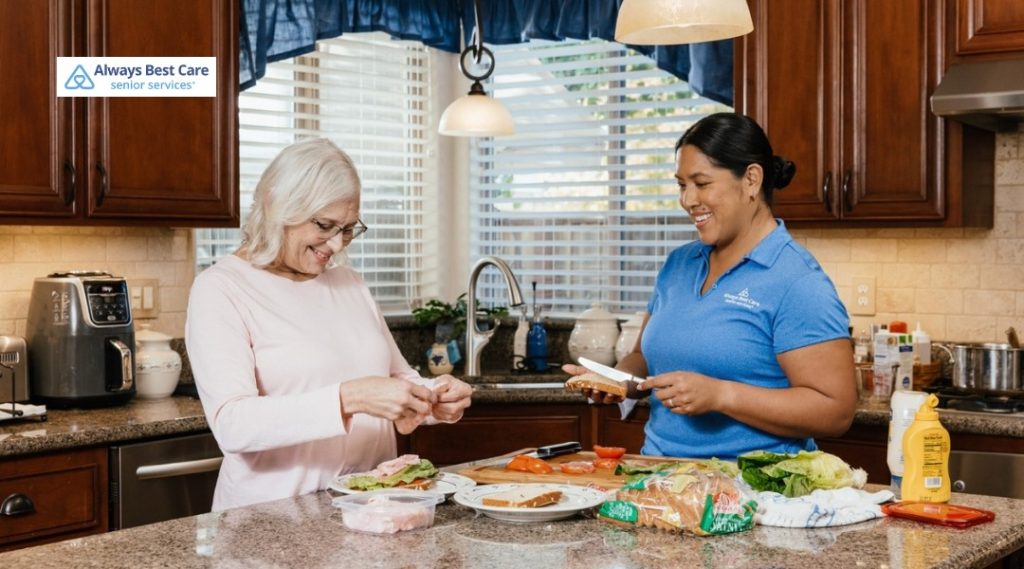
- Prepare nutritious meals that align with dietary needs
- Stay on track with medications and doctor appointments
- Engage in daily physical activity safely
- Monitor for warning signs and communicate changes to family or healthcare providers
Having a reliable support system reduces the burden on both seniors and their families, and helps ensure that healthy habits are maintained day after day, not just when it’s convenient.

Frequently Asked Questions
Q: What are the early warning signs of a stroke?
A: The most recognized signs can be remembered with the acronym FAST: Face drooping, Arm weakness, Speech difficulty, and Time to call 911. Other symptoms include sudden confusion, vision problems, severe headache, or loss of balance. If any of these occur, seek emergency care immediately.
Q: At what age does stroke risk increase significantly?
A: Stroke risk roughly doubles every decade after age 55. However, risk factors like high blood pressure, diabetes, and smoking can elevate risk at any age. Seniors 65 and older account for the majority of stroke cases in the U.S.
Q: Can stroke be prevented if there’s a family history?
A: A family history of stroke does increase risk, but it doesn’t make stroke inevitable. Lifestyle changes, such as managing blood pressure, staying active, eating well, and avoiding smoking, can significantly offset genetic risk factors.
Q: How does sleep affect stroke risk?
A: Poor sleep, particularly untreated sleep apnea, is linked to higher stroke risk. Sleep apnea causes repeated drops in oxygen levels during sleep, which strain the cardiovascular system. Seniors experiencing loud snoring, gasping during sleep, or excessive daytime fatigue should speak with their doctor.
Q: How can Always Best Care help with stroke prevention?
A: Always Best Care of Shreveport provides in-home caregiving services that help seniors maintain daily habits that reduce stroke risk, from meal preparation and medication reminders to companionship and assistance with physical activity. Our caregivers work alongside families to create a safe, consistent routine that promotes long-term health and independence.
Protecting brain health with steady, loving habits
Protecting brain health is an ongoing commitment, not a single decision. With the right habits, medical support, and daily assistance, seniors in Shreveport can significantly reduce their stroke risk and continue living full, independent lives.
Call Always Best Care of Shreveport today at (318) 431-8581 to schedule a care consultation and learn how we can support your loved one’s health and well-being at home.
Link to the Markdown File version of the article