Living Well with COPD in Shreveport, LA: How Seniors Can Manage Symptoms and Stay Comfortable at Home
Chronic Obstructive Pulmonary Disease (COPD) is one of the most common long-term respiratory conditions affecting older adults. For seniors in Shreveport, LA, managing COPD at home requires more than just medication; it takes a coordinated approach that combines medical care, smart daily habits, and reliable support.
The good news is that with the right strategies in place, seniors with COPD can maintain their independence, reduce flare-ups, and continue enjoying life at home.
What you will learn:
- How COPD affects seniors in Shreveport and why steady, early management helps protect comfort, independence, and long-term health.
- Simple, uplifting ways to support easier breathing at home through cleaner air, gentle movement, and nourishing daily routines.
- How to recognize early warning signs of COPD flare-ups and respond calmly with confident next steps.
- The caring role of in-home support from Always Best Care of Shreveport in making everyday COPD management easier for seniors and families.
Table of Contents
Understanding COPD and Why It Matters for Seniors
COPD is an umbrella term for lung diseases, primarily chronic bronchitis and emphysema, that restrict airflow and make breathing progressively harder. It is the fourth leading cause of death in the United States, and older adults are disproportionately affected.
What makes COPD particularly challenging is that its early symptoms are easy to overlook. Mild breathlessness or a persistent cough can be mistaken for normal aging, delaying diagnosis and treatment.
Common symptoms to watch for:
- Shortness of breath, especially during physical activity
- Chronic cough or wheezing
- Chest tightness
- Frequent respiratory infections
- Persistent fatigue or low energy
Early recognition matters. The sooner COPD is identified and managed, the better the long-term outcomes for seniors.

Practical Strategies for Managing COPD at Home
Stick to Medication and Treatment Plans
Inhalers, bronchodilators, and oxygen therapy are often central to COPD management. Consistency is critical; skipping doses or using equipment incorrectly can trigger flare-ups and accelerate symptom progression.
Caregivers play a valuable role here by providing medication reminders and helping seniors stay on schedule with their prescribed routines.
Prioritize Indoor Air Quality
Shreveport’s humid climate can introduce additional respiratory challenges, making indoor air quality especially important. Airborne irritants, such as dust, mold, pet dander, and chemical fragrances, can quickly worsen COPD symptoms.
Steps to improve air quality at home:
- Use HEPA air purifiers and change filters regularly
- Avoid smoking or exposure to secondhand smoke indoors
- Switch to fragrance-free cleaning products
- Keep windows closed on high-pollen or high-humidity days
- Vacuum and dust frequently using low-chemical products
A cleaner indoor environment directly translates to easier breathing.
Incorporate Gentle, Consistent Movement
It may seem counterintuitive, but regular physical activity is one of the most effective tools for managing COPD. Movement strengthens respiratory muscles, improves circulation, and can reduce the frequency of flare-ups over time.
Appropriate activities for seniors with COPD include:
- Short, leisurely walks
- Gentle stretching or chair yoga
- Breathing exercises prescribed by a pulmonologist or respiratory therapist
Always consult a healthcare provider before starting any new exercise routine, and pace activity based on the individual’s current capacity.
Master Breathing Techniques
Two techniques in particular can make a significant difference for seniors managing COPD:
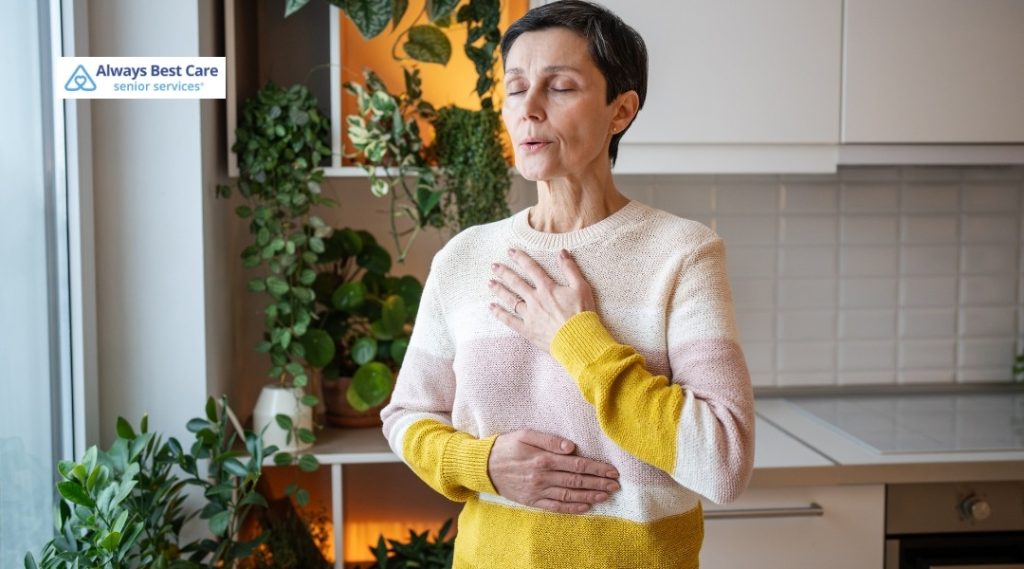
- Pursed-lip breathing: Inhale slowly through the nose, then exhale through pursed lips for twice as long. This slows breathing and keeps airways open longer.
- Diaphragmatic breathing: Focuses on engaging the diaphragm rather than the chest, improving oxygen efficiency.
These techniques are easy to practice daily and can help reduce anxiety during episodes of breathlessness.
Support Nutrition and Hydration
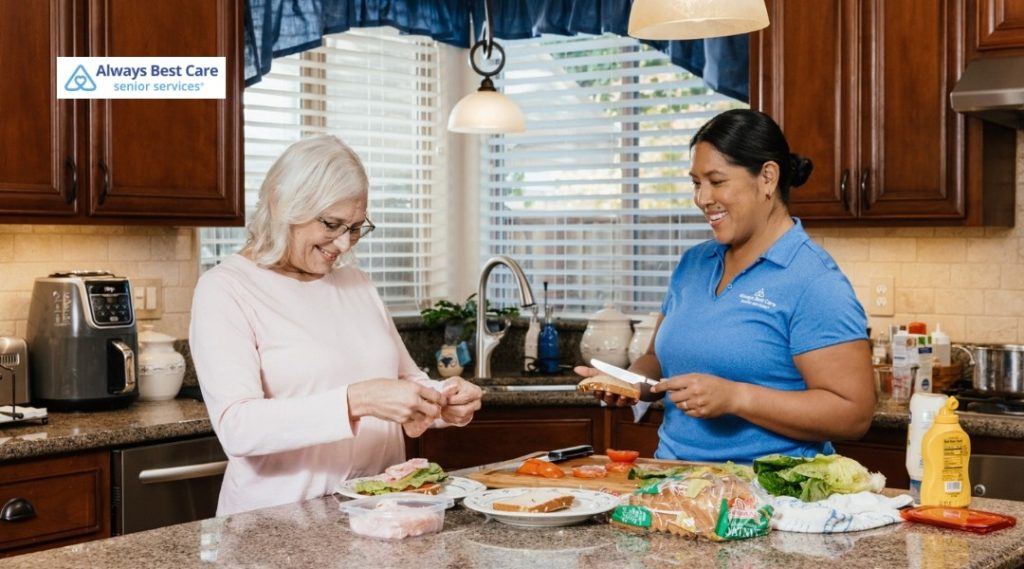
COPD increases the body’s energy demands because breathing takes more effort, so the body burns more calories. A nutrient-dense diet helps seniors maintain strength and immune function.
Key dietary priorities:
- Lean proteins to support muscle health
- Fruits and vegetables are rich in antioxidants
- Whole grains for sustained energy
- Adequate fluid intake to keep the airways moist and clear
Smaller, more frequent meals can also help, as a full stomach can press against the diaphragm, making breathing more difficult.
Know the Warning Signs of a Flare-Up
COPD exacerbations, sudden worsening of symptoms, can be dangerous if not addressed quickly. Families and caregivers should know what to watch for.
Signs that require prompt medical attention:
- Significant increase in shortness of breath
- Changes in mucus color, consistency, or volume
- Fever or chills
- Increased confusion or unusual fatigue
- Inability to perform routine daily activities
Acting quickly during a flare-up can prevent more serious complications and reduce the likelihood of hospitalization.
How Always Best Care of Shreveport Supports Seniors with COPD
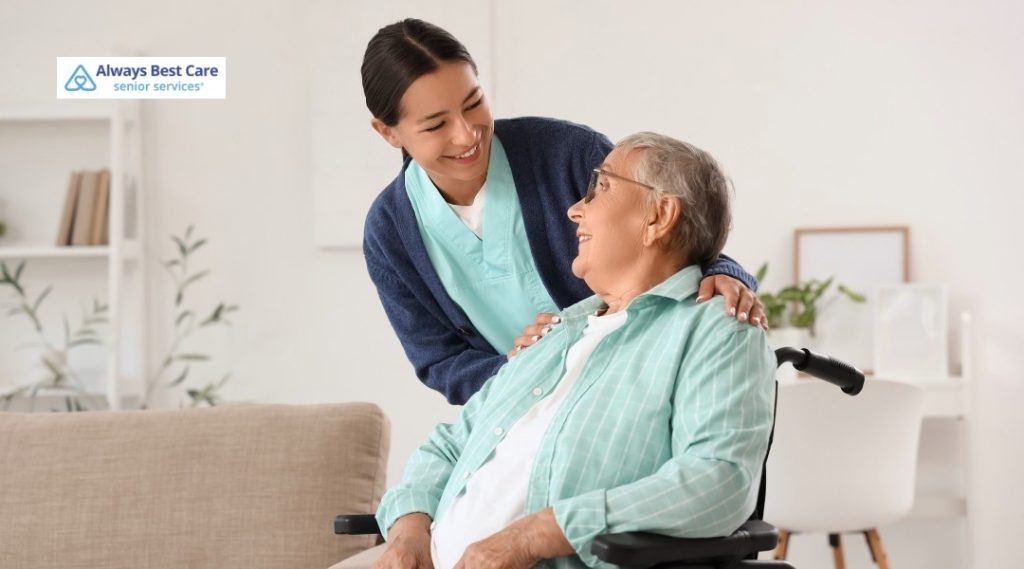
Managing COPD is an ongoing process, and no senior should have to do it alone. Always Best Care of Shreveport provides personalized, compassionate in-home care designed to help seniors with COPD live more comfortably and safely.
Our caregivers can help with:
- Medication reminders and routine health monitoring
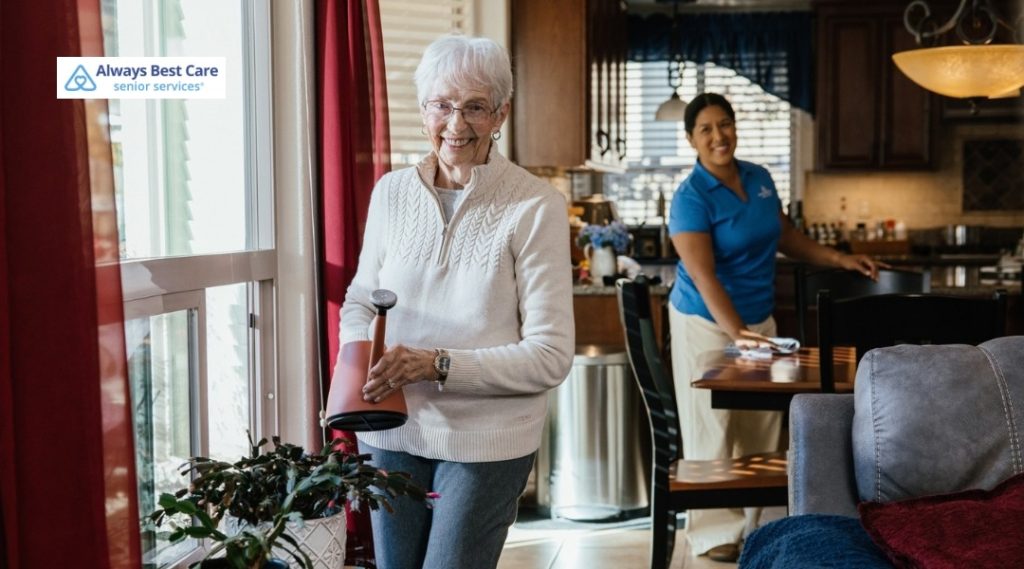
- Light housekeeping to maintain clean, allergen-reduced living spaces
- Meal preparation focused on respiratory and overall health
- Encouraging and accompanying seniors during safe physical activity
- Companionship to ease stress and reduce anxiety
- Transportation to medical appointments and follow-up visits
For seniors who need a higher level of support, our home health services connect families with skilled nursing professionals who can coordinate directly with physicians and specialists.
Frequently Asked Questions About COPD and Senior Home Care
Q: What is the most important thing a senior with COPD can do at home?
A: Consistency is key. Following prescribed medication schedules, avoiding respiratory irritants, and practicing breathing techniques daily are the most impactful steps seniors can take to manage COPD at home.
Q: Can COPD get better with the right care?
A: COPD is a progressive condition and cannot be reversed, but symptoms can be significantly managed. Many seniors experience fewer flare-ups and a better quality of life with proper medical care and in-home support.
Q: How does humidity in Shreveport affect COPD?
A: High humidity can make breathing more difficult for individuals with COPD. Using air conditioning and dehumidifiers indoors, and limiting outdoor activity on particularly humid days, can help minimize discomfort.
Q: When should I call a doctor about a COPD flare-up?
A: Contact a healthcare provider immediately if your loved one experiences a sudden increase in breathlessness, changes in mucus, fever, or unusual confusion. Early intervention is critical to preventing hospitalization.
Q: How can in-home care help someone with COPD?
A: In-home caregivers provide practical support, medication reminders, housekeeping, meal prep, and companionship, reducing the daily burden on seniors and helping them maintain a safe, healthy routine at home.
Helping Seniors Breathe Easier Every Day
COPD is a lifelong condition, but it does not have to define how a senior lives. With consistent care, a supportive environment, and the right daily habits, seniors in Shreveport can manage their symptoms effectively and continue doing the things they love.
Families don’t have to figure this out alone. Always Best Care of Shreveport is here to provide the guidance, hands-on support, and peace of mind that both seniors and their families deserve.
Call Always Best Care of Shreveport today at (318) 431-8581 to schedule a care consultation and learn how we can support your loved one’s respiratory health and quality of life at home.
Link to the Markdown File version of the article