Senior Scams: How to Recognize the Warning Signs and Protect Your Loved One in Shreveport, LA
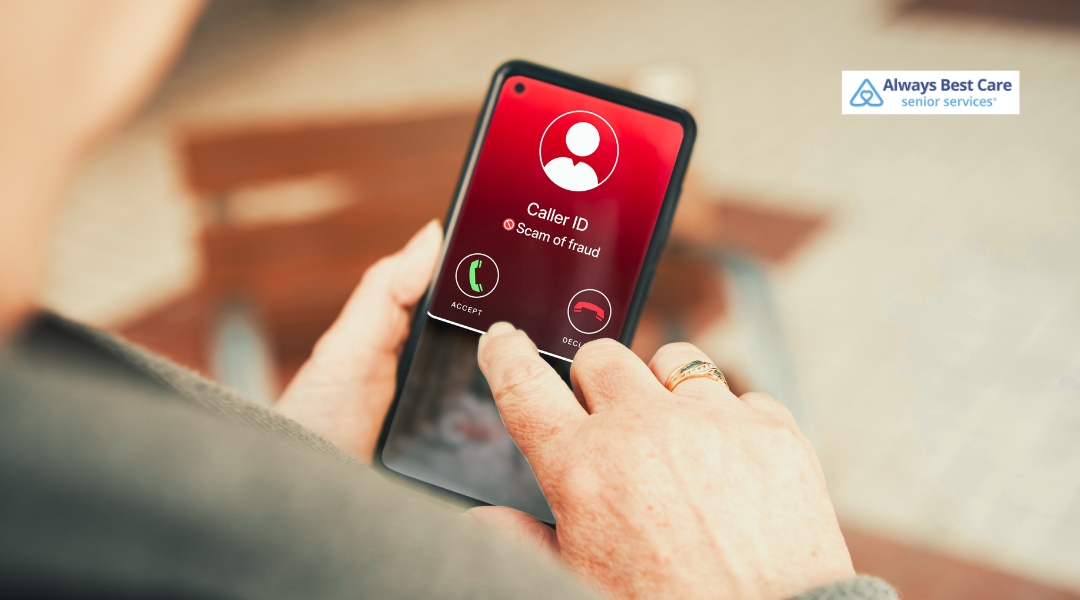
Scams aimed at older adults aren’t just annoying; they’re downright dangerous. As cons get slicker and more high-tech, many seniors find themselves caught in the crosshairs of people who only see them as easy targets. Financial loss, shaken confidence, and broken trust can hit hard.
The flip side? With a little awareness and some smart safeguards, families can slam the door on most of these schemes. By understanding how senior scams work and staying alert to early warning signs, we can protect the people we love in Shreveport, LA.
What you will learn:
- Why seniors in Shreveport are frequently targeted by scammers and what makes them vulnerable.
- The most common senior-scam tactics and key red flags to watch for.
- How families and in-home care can team up to prevent scams and support safe independence.
- What steps should you take right away if you suspect your loved one has been targeted by a scam?
Table of Contents
Why Seniors in Shreveport Are Often Targeted
Scammers aren’t picking names out of a hat. They’re strategic. They often go after seniors because many:
- Are naturally trusting and polite, so they’re less likely to hang up or walk away.
- Have retirement savings or a steady income, making them attractive targets.
- Living alone or feeling isolated can make them more willing to talk to strangers.
- Aren’t as familiar with digital tricks, like fake websites or phishing emails.
Put all that together, and it’s easier for a scammer to build false trust, push emotional buttons, and nudge someone into sharing information or sending money.

Common Senior Scams Families Should Know
Here’s where the rubber meets the road. If we know the classic plays, it’s much easier to call them out and shut them down.
1. Phone Scams
The phone rings, and on the other end is:
- Someone claiming to be from Social Security, Medicare, or the IRS
- A “utility company” threatening to shut off power
- A “grandchild” or “relative” is in trouble and begging for money
They often:
- Create urgency: “You must act right now.”
- Demand payment or personal details on the spot.
If it sounds rushed, intense, or too dramatic, that’s a big red flag.
2. Email and Phishing Scams
These messages may look polished and legitimate, but they’re wolves in sheep’s clothing. They may:
- Pretend to be from a bank, pharmacy, hospital, or package delivery service
- Contain links that lead to fake websites
- Ask for account numbers, passwords, or Social Security numbers
One quick click, and suddenly, private information is out in the open.

3. Sweepstakes and Lottery Scams
“Congratulations, you’ve won!” Sure sounds nice, doesn’t it? The catch:
- The “winner” must pay taxes, fees, or processing costs upfront.
- The scammer may ask for banking information “to deposit the prize.”
In reality, there’s no prize, just money flowing in the wrong direction.
4. Romance Scams
Loneliness is powerful, and scammers know it. They:
- Build a relationship online or through social media.
- Spend weeks or months gaining trust.
- Suddenly face an “emergency” and ask for money, often more than once.
By the time the truth comes out, both the heart and the bank account may be hurting.
5. Tech Support Scams
A pop-up flashes: “Warning! Your computer is infected!” Or a caller claims to be tech support. They might:
- Ask for remote access to the computer.
- Charge for fake repairs.
- Install software that steals passwords or personal data.
Any time a stranger wants access to a device, it’s time to hit the brakes.

Warning Signs of Senior Scams
Scams often follow a familiar script. If you spot these moves, it’s time to pause and double-check what’s going on.
Watch for:
- Demands for immediate payment or urgent action
- Requests to pay with gift cards, wire transfers, or cryptocurrency
- Unsolicited calls, emails, texts, or messages asking for personal or financial information
- Messages that stir up fear, panic, or guilt
- Pressure to keep the situation secret from family or friends
If something feels off or confusing, that gut feeling is worth listening to. Better to stop and verify than rush and regret.
How Families in Shreveport, LA Can Help Protect Loved Ones
We don’t have to stand on the sidelines. Families can be a powerful line of defense against senior scams by:
- Talking openly about common scams and sharing real-life examples.
- Encouraging a “pause and verify” rule before any money is sent or information is shared.
- Checking financial accounts regularly for unusual activity.
- Setting up caller ID, call blocking, and spam filters on phones and email.
- Ask seniors to run major financial decisions past a trusted person first.
Most of all, keeping the door open to questions without judgment goes a long way. If a loved one feels they’ll be scolded or criticized, they may stay silent and fall deeper into a scam.
How In-Home Care Helps Prevent Senior Scams in Shreveport, LA
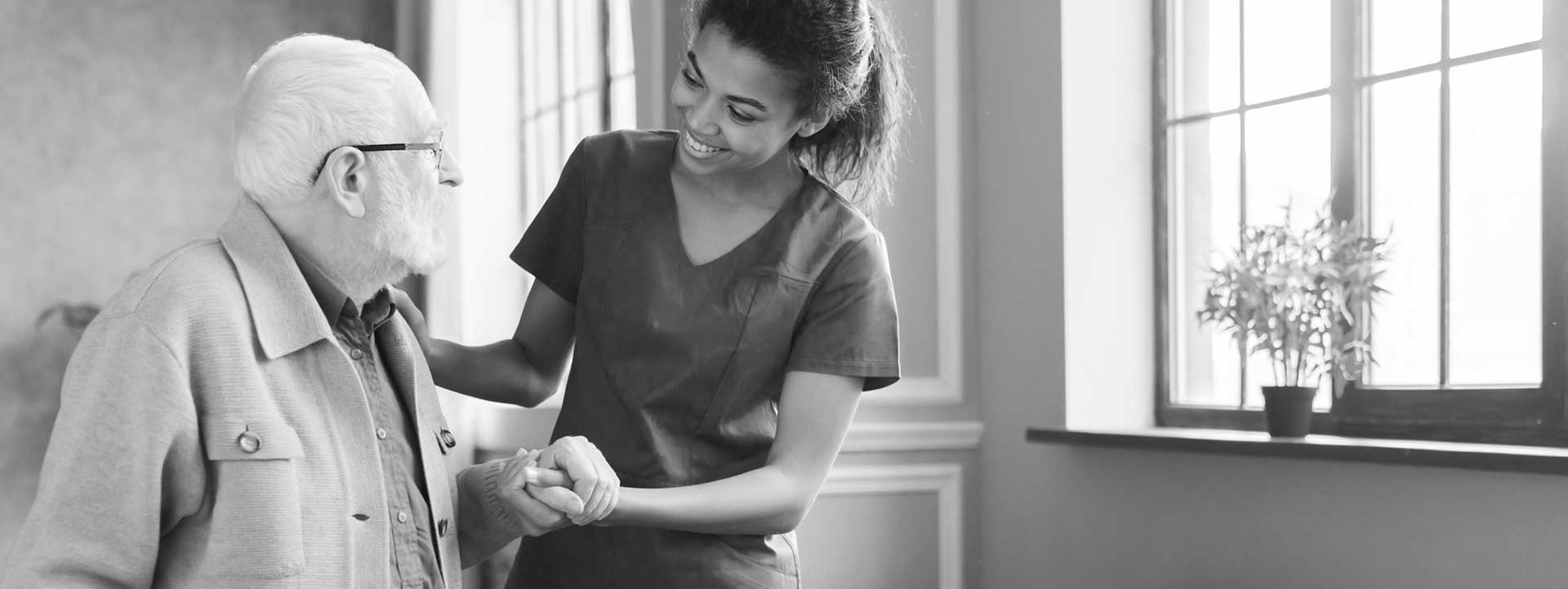
A trusted caregiver can be more than a helping hand; they can be another set of eyes and ears. At Always Best Care of Shreveport, LA, we see the reality of senior scams every day, and we take it seriously.
We:
- Help screen phone calls and unexpected visitors, so strangers don’t get easy access.
- Notice changes in mood, spending, or behavior that might point to financial pressure or fraud.
- Provide steady companionship to reduce loneliness, one of the biggest openings scammers exploit.
- Encourage regular communication with family so concerns are shared early rather than hidden.
By staying present and paying attention, we help create a safer space at home.
What Should You Do If You Suspect a Scam?
If you think a loved one may have been targeted or already tricked, don’t panic, but don’t sit on it either. Acting quickly can limit the damage.
Steps to take:
- Contact the bank or credit card company right away to stop or reverse charges if possible.
- Report the scam to local law enforcement and appropriate agencies.
- Watch accounts closely for any new suspicious activity.
- Offer calm reassurance, not blame or criticism.
Many seniors feel embarrassed and may worry about “getting in trouble.” A kind, understanding approach makes it easier for them to tell us what really happened.

Protecting Seniors Starts with Awareness
Scams may keep changing shape, but awareness is still the best armor. By staying informed, having honest conversations, and building a strong support system, families in Shreveport, LA can greatly cut the risk of fraud.
At Always Best Care of Shreveport, we’re committed to helping seniors feel safer and more confident at home. We focus on daily care, yes, but we also pay close attention to anything that might indicate pressure, confusion, or potential scams.
Frequently Asked Questions
Q: What’s the most common senior scam right now?
A: Phone scams and phishing emails are among the most common, especially those pretending to be government agencies, banks, or family members in trouble.
Q: How can I talk to my parent about scams without scaring them?
A: Keep it conversational and practical. Use news stories or general examples, and emphasize that scammers are skilled, not that your parent is “too trusting” or “careless.”
Q: Are gift card payments always a red flag?
A: For legitimate businesses or government agencies, yes. Anyone demanding payment by gift card is almost certainly running a scam.
Q: Can a caregiver really help prevent scams?
A: Yes. A caregiver can spot unusual calls, visitors, and behavior, and can encourage seniors to double-check anything that seems suspicious before making a move.
Q: What if my loved one refuses to believe it’s a scam?
A: Stay calm and patient. Gather information, contact their bank if needed, and involve a trusted professional or authority figure who can help explain the situation.

Staying One Step Ahead of Senior Scams in Shreveport
Senior scams may be on the rise, but they’re not unstoppable. With clear information, open conversation, and the right support, families in Shreveport, LA can help loved ones stay safer, more confident, and more in control.
At Always Best Care of Shreveport, we stand beside families as a trusted partner, supporting daily life at home and helping watch for the subtle signs that something isn’t quite right. If your loved one could use more support, connection, and protection from scams, we’re ready to walk that road with you. Reach out to us at (318) 373-6141.
Link to the Markdown File version of the article