Why Seniors Don’t Always Feel Thirsty: Understanding the Importance of Staying Hydrated in Shreveport

As we get older, our bodies can become a little quieter about what they need, and thirst may not signal as clearly as it once did. That is why older adults may go longer without drinking enough, even when their bodies need fluids. With a few thoughtful habits and a bit of loving encouragement, though, staying hydrated can become a simple and comforting part of everyday life.
What you will learn
- Why thirst can become less reliable as we age and why seniors may need extra hydration support.
- The early signs of dehydration that families and caregivers can watch for with care.
- Simple daily habits, drinks, and foods that can help older adults stay comfortably hydrated.
- How compassionate in-home care can encourage healthy routines and greater independence.
Table of Contents
Why Seniors Don’t Always Feel Thirsty
The body’s thirst response can weaken with age, so the brain may not send a strong “drink up” message right away. In plain terms, seniors can start getting dehydrated before they notice anything feels off.
Other everyday issues can also get in the way:
- Some medicines can cause the body to lose more water
- Health problems may affect fluid balance
- Getting up for a drink may feel like a hassle
- Bathroom trips can become a concern
- Moving around less can make hydration routines slip

Why This Matters
Hydration helps the body do a lot of behind-the-scenes work, from digestion and temperature control to brain function and blood pressure. When fluids run low, even a small drop can affect energy, focus, and comfort.
Signs of Dehydration to Watch For
Dehydration doesn’t always arrive with flashing lights. More often, it sneaks in through small changes that families may notice before seniors do.
Watch for:
- Dry mouth or cracked lips
- Dark urine or fewer bathroom trips
- Dry skin
- Feeling weak or worn out
- Dizziness when standing
- Less appetite
- Confusion or forgetfulness
If these changes show up quickly or keep getting worse, call a healthcare provider.
Easy Ways to Build Better Hydration Habits
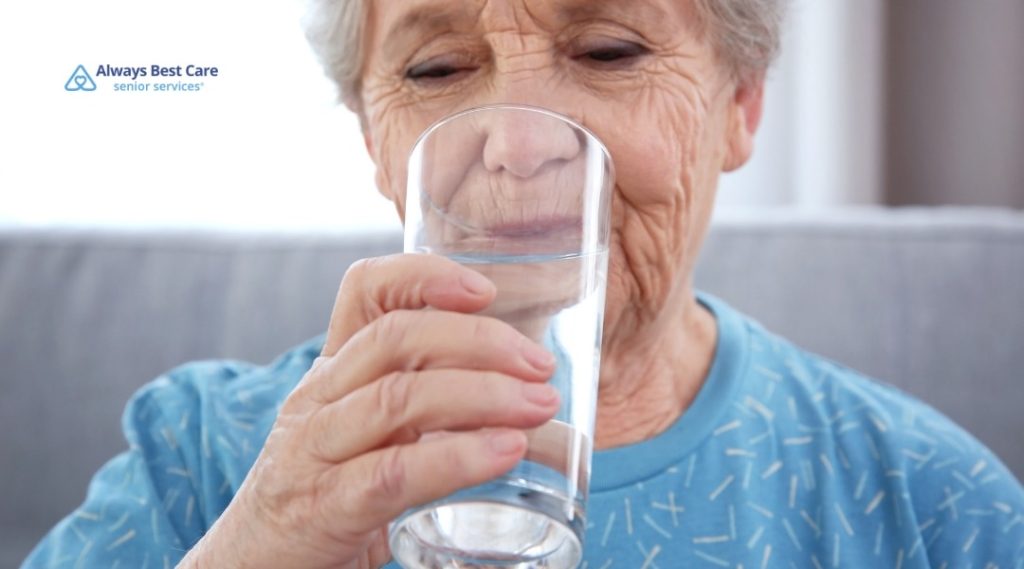
Rather than waiting until you feel thirsty, it can help to make fluids part of the day’s natural rhythm. Think of hydration as a small act of care, much like taking medication, enjoying a meal, or brushing teeth.
Here are a few gentle ways to make drinking more consistent:
- Offer a glass of water with every meal and snack.
- Keep a filled water bottle, cup, or favorite drink within easy reach.
- Use a phone alarm, clock reminder, or caregiver check-in for regular sips.
- Encourage small, steady sips throughout the day instead of drinking a large amount all at once.
- Offer fluids before outdoor activities, errands, exercise, or warm-weather outings.
- Choose cups with handles, straws, or lids if they make drinking easier and more comfortable.
A little preparation can go a long way. When drinks are visible, accessible, and offered regularly, seniors are more likely to stay hydrated without feeling pressured or overwhelmed.
Hydration Isn’t Just About Water
Water is a great choice, but hydration can also come from many comforting foods and drinks. This is especially helpful for seniors who do not enjoy plain water or who need a little variety during the day.
Consider adding hydrating options such as:
- Watermelon, strawberries, oranges, and other juicy fruits
- Cucumbers, lettuce, celery, and other water-rich vegetables
- Broth-based soups and stews
- Yogurt and low-fat milk
- Herbal tea, smoothies, or diluted fruit juice
These foods and beverages can gently add to daily fluid intake while also providing vitamins, minerals, protein, and fiber. Even a few simple additions to meals and snacks can make a meaningful difference.
How We Help at Always Best Care of Shreveport, LA
At Always Best Care of Shreveport, LA, we know hydration is part of staying strong, comfortable, and independent at home. That’s why we help build simple daily routines that make it easier to drink enough fluids.
We can help by:
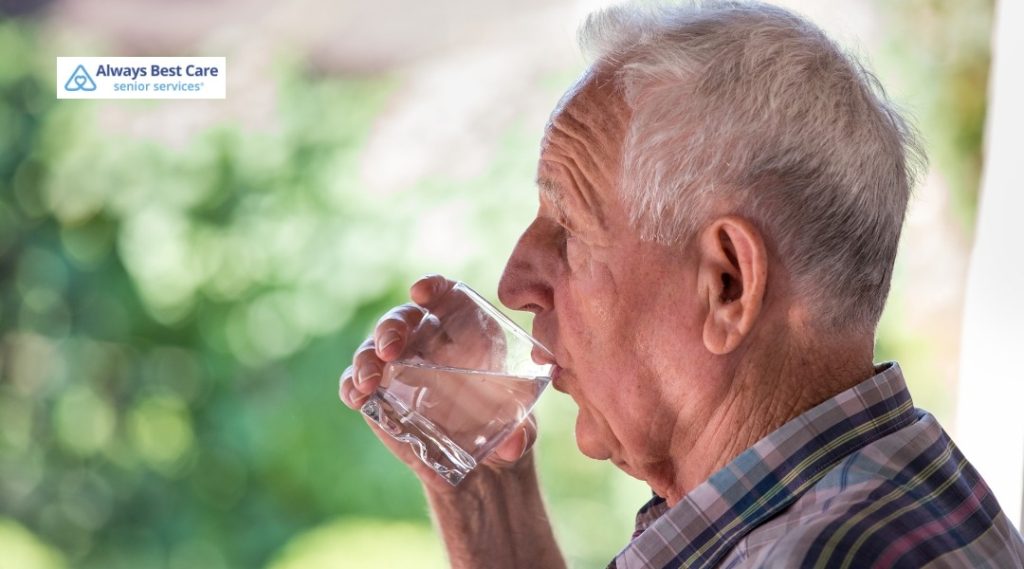
- Offering water and other drinks throughout the day
- Preparing meals with hydrating foods
- Giving friendly reminders to sip regularly
- Watching for early signs of dehydration
- Supporting healthy habits during warm weather or activity
A little encouragement can go a long way, and we’re here to lend a hand.
Frequently Asked Questions
Q: Why don’t seniors feel thirsty as often?
A: As people age, the body may not sense fluid loss as quickly, so thirst becomes less reliable.
Q: What are the first signs of dehydration in older adults?
A: Dry mouth, dark urine, weakness, dizziness, and confusion are common early signs.
Q: How much should seniors drink each day?
A: Needs vary based on health, activity, and weather, so it’s best to follow a doctor’s guidance.
Q: Can food help with hydration?
A: Yes, foods like fruit, soup, yogurt, and vegetables can add extra fluids to the day.
Q: How can caregivers remind seniors to drink more?
A: Simple habits like offering drinks at meals, keeping water nearby, and setting reminders can help.

Reach Out for Support
Thirst doesn’t always keep up with age, but that doesn’t mean hydration has to fall by the wayside. With steady habits, helpful foods, and a little support, seniors can stay healthier and feel better day to day.
If your loved one needs a little extra encouragement with healthy daily routines at home, Always Best Care of Shreveport, LA is here to help. Reach out today at (318) 373-6141 to learn how our caring team can provide personalized support, friendly hydration reminders, and compassionate in-home care.
Link to the Markdown File version of the article