
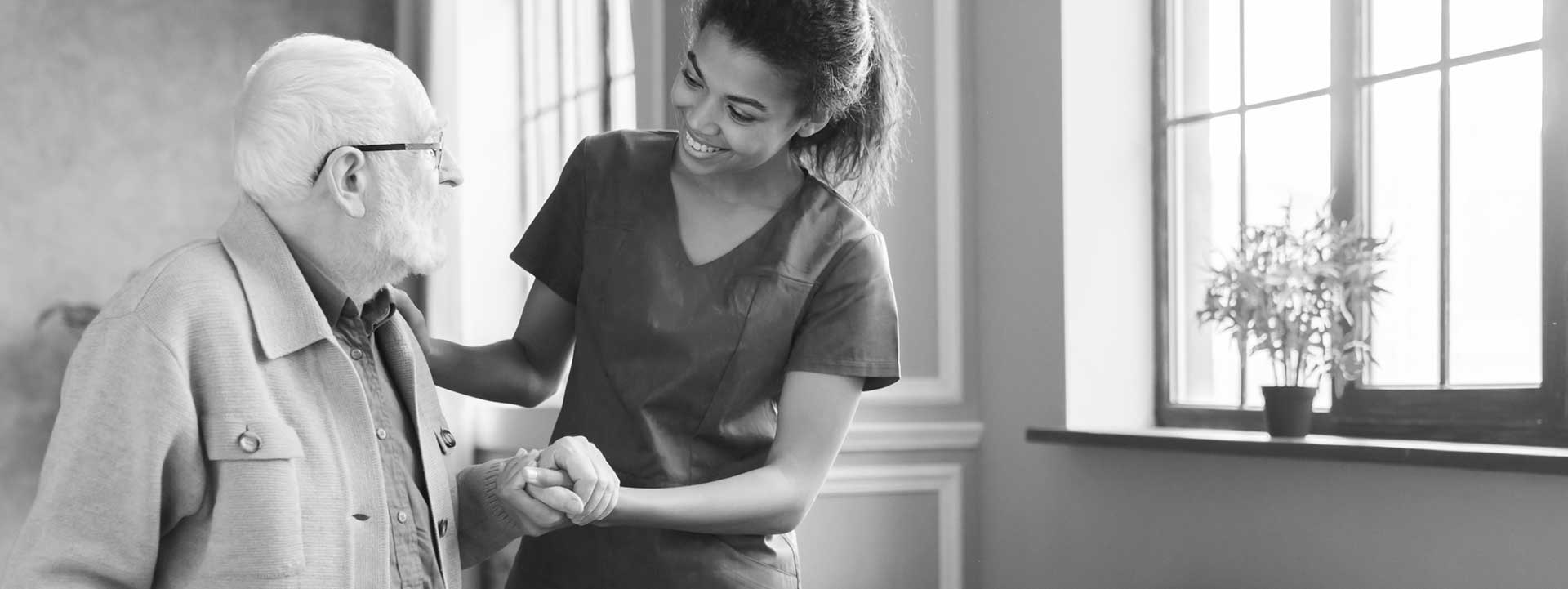
Building a Community of Care: Protecting Seniors from Abuse and Neglect in Terre Haute

Elder abuse prevention in Terre Haute isn’t just a nice idea—it’s a lifeline for many seniors who simply want to feel safe, respected, and heard. Too often, harm happens behind closed doors, in places that should feel like home. Families might sense that something’s off but can’t quite put their finger on it, and by the time the truth surfaces, the damage can be painful and long-lasting.
We know that can be a scary thought. Still, with clear information, a watchful eye, and the right support, families can step in early and protect the people who once protected them. At Always Best Care of Terre Haute, we walk alongside families, helping them build safer spaces and more respectful care for the seniors they love.
What you will learn:
- How to recognize elder abuse and understand the different forms it can take.
- The common warning signs and risk factors that may put older adults at greater risk.
- Practical ways families can help protect seniors and promote their safety and well-being.
- How professional in-home caregivers and community resources can support abuse prevention and provide help when concerns arise.
Table of Contents
What Is Elder Abuse?
Elder abuse happens when an older adult is harmed—or put at serious risk of harm—through someone’s actions or failure to act. It doesn’t always look like bruises or shouting matches. Sometimes it’s quiet, hidden in bank statements, unreturned phone calls, or a senior who suddenly “doesn’t want visitors.”
Common forms of elder abuse include:
- Physical abuse – Hitting, pushing, rough handling, or improper restraint.
- Emotional abuse – Yelling, threats, humiliation, manipulation, or intentional isolation.
- Financial exploitation – Misusing money, pressuring for signatures, changing wills or accounts for personal gain.
- Neglect – Failing to provide food, hygiene, medication, or basic safety.
- Abandonment – Leaving a senior without the care or supervision they clearly need.
Elder abuse prevention in Terre Haute starts with recognizing that harm can show up in many ways—and sometimes more than one at a time.

Warning Signs Families Shouldn’t Ignore
Abuse doesn’t usually announce itself with flashing lights. It creeps in, bit by bit. That’s why families need to pay attention to changes, even if they seem small at first.
Potential warning signs include:
- Unexplained bruises, injuries, or repeated “accidents” or falls
- Sudden withdrawal, sadness, nervousness, or unusual anger
- Poor hygiene, dirty clothing, or ongoing smells of urine or body odor
- Empty pantries, missed medications, or untreated health issues
- Strange bank withdrawals, new “friends” involved in money matters, missing valuables
- A senior who appears fearful, tense, or quiet around certain people
- Noticeable changes in eating, sleeping, or communication patterns
If your gut is waving a red flag, don’t brush it off. Ask gentle questions, look closer, and keep track of what you notice.
Risk Factors That Can Raise the Chances of Abuse
Not every risky situation turns into abuse, but some circumstances make seniors more vulnerable. By spotting these early, we can step in before problems snowball.
Common risk factors include:
- Social isolation – Few visitors, limited social life, or no regular check-ins
- Cognitive decline – Dementia, memory loss, or confusion that makes it easier to mislead or control a senior
- Physical limitations – Needing help with bathing, walking, or toileting, which increases dependence
- Money stress – Financial dependence on others or lack of oversight for bills and accounts
- Caregiver burnout – A stressed, overwhelmed caregiver who’s trying to do everything alone
Elder abuse prevention in Terre Haute works best when families address these risks early—before stress, loneliness, or confusion opens the door to harm.

Practical Steps Families Can Take to Prevent Elder Abuse
Families don’t need fancy tools or complicated systems to make a real difference. Small, consistent steps can go a long way toward keeping seniors safe and respected.
Here are some practical ways to help:
- Stay actively involved
- Visit regularly, at different times of day.
- Ask about daily routines, mood, and comfort—not just health.
- Keep communication flowing
- Use phone calls, video chats, and in-person visits to stay connected.
- Ask open-ended questions: “How are things going?” instead of just “Are you okay?”
- Watch the money
- Review bank statements with permission.
- Keep an eye on sudden changes in spending, new credit cards, or unpaid bills.
- Build a circle of support
- Involve trusted friends, neighbors, and professionals.
- Make sure more than one person is checking in on your loved one.
- Support the caregiver, too
- Offer breaks, help with errands, or a listening ear.
- Consider respite care so one person isn’t carrying the entire weight.
- Encourage social life and independence
- Support hobbies, senior centers, church groups, and community outings.
- Respect the seniors’ choices as much as safety allows.
These steps may seem simple, but they send a powerful message: “You matter, and we’re paying attention.”
How Professional In-Home Care in Terre Helps Prevent Abuse
Professional in-home care can be a strong layer of protection, especially for seniors who want to stay in the comfort of their own homes.
At Always Best Care of Terre Haute, we know trust doesn’t come automatically. We earn it by:
- Carefully screening caregivers with background checks and reference reviews
- Providing training focused on respectful, safe, and compassionate care
- Matching caregivers thoughtfully so that seniors feel comfortable and understood
- Encouraging open communication between caregivers, families, and us
Our caregivers help with daily tasks like bathing, meals, and mobility, but they also keep an eye on changes in mood, health, and surroundings. If something seems off, we communicate with families so concerns don’t fall through the cracks.
By being present, consistent, and accountable, we help create an environment where abuse is far less likely to take root.

What Should You Do If You Suspect Abuse?
Suspecting abuse can feel like a punch to the gut. You might worry about being wrong, causing conflict, or making things worse. Still, staying silent can leave a loved one at risk.
Here are steps to consider:
- Talk privately with the senior
- Choose a quiet, safe place.
- Ask gentle questions like, “Has anyone hurt you?” or “Do you feel safe at home?”
- Document what you see and hear
- Write down dates, times, and specific concerns.
- Note injuries, changes in behavior, or troubling financial activity.
- Reach out for help
- Contact local adult protective services.
- Speak with healthcare providers who know your loved one.
- Call law enforcement if you believe there’s immediate danger.
- Follow up
- Don’t assume one call solves it.
- Stay involved and keep checking in regularly.
Taking action can feel uncomfortable, but it may be exactly what keeps your loved one safe.
Creating a Safer Future for Seniors in Terre Haute
Elder abuse prevention in Terre Haute isn’t just the responsibility of families or agencies—it’s shared by all of us who care about the dignity of older adults. Open conversations, regular visits, and a watchful, caring eye can change the story for many seniors.
At Always Best Care of Terre Haute, we work alongside families to create safe, respectful care at home. We focus on kindness, consistency, and communication so seniors feel valued—not forgotten or brushed aside. Together, we can help them live with more peace, comfort, and confidence.
FAQs
Q: What’s the most common type of elder abuse?
A: Emotional abuse and financial exploitation are often reported, but many cases go unreported, so the “most common” type can be hard to pin down. What matters most is staying alert to any kind of harm or exploitation.
Q: How can I tell if my loved one is just aging or being neglected?
A: Normal aging can bring slower movement or forgetfulness, but ongoing dirty clothes, unchanged bedding, missed medications, and untreated health issues may point to neglect rather than age alone.
Q: Is abuse only a problem in nursing homes?
A: No. Abuse can happen anywhere—private homes, assisted living, or even in the homes of relatives or friends. That’s why regular family involvement and oversight are so important.
Q: Can professional caregivers help prevent elder abuse?
A: Yes, responsible in-home care can reduce isolation, relieve caregiver stress, and provide extra eyes and ears. At Always Best Care of Terre Haute, we monitor changes and share concerns with families promptly.
Q: What should I do if my loved one denies that anything is wrong?
A: Stay calm, keep checking in, and watch for ongoing warning signs. You can still speak with professionals and ask for guidance, especially if you see injuries, fear, or clear neglect.

Promote Dignity, Safety, and Care
Protecting seniors isn’t a one-time task—it’s an ongoing promise. By staying informed, asking questions, and staying close, families can help prevent abuse and promote safer, more respectful care.
If you’re looking for compassionate, trustworthy support for a senior in your life, we are here to help your family create a safer, more comfortable home environment.
Call Always Best Care of Terre Haute at (812)542-5271 to schedule a care consultation and learn how our caregivers can support your loved one with dignity, respect, and peace of mind.
Link to the Markdown File version of this article.