

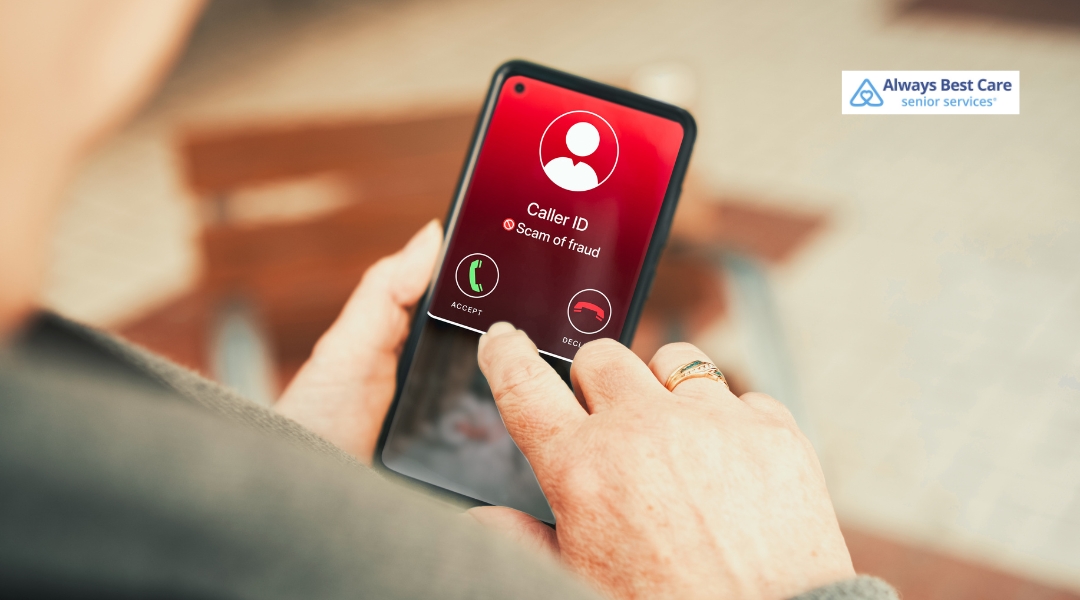
Scammers are getting slicker by the day, and sadly, older adults are often in their crosshairs. In Terre Haute, we see more and more senior scams that drain savings, break trust, and leave families feeling blindsided.
The silver lining? Awareness packs a powerful punch. Once we know what tricks are out there and what warning signs to watch for, we can step in sooner, ask the right questions, and help loved ones stay safe without making them feel judged or controlled.
What you will learn:
- Why our precious older adults are so frequently targeted, and the most common sneaky tricks scammers are using in Terre Haute.
- The telltale red flags and warning signs that will help you spot a scam before it causes any harm.
- Heartwarming, proactive ways your family and dedicated in-home caregivers can team up to build a wonderful protective shield around your cherished relatives.
- Gentle, clear action steps to take with love and confidence if you ever suspect a scammer has contacted your sweet family member.

Table of Contents
Why Seniors Are Often Targeted in Terre Haute
It’s not that older adults are careless; far from it. But scammers know exactly which buttons to push. They often look for people who:
- Are naturally trusting or polite, even with strangers
- Have retirement savings or a steady income, like pensions or Social Security
- Live alone or feel isolated, with fewer daily visitors
- Aren’t as comfortable with technology, online banking, or smartphones
Mix those factors, and con artists see what they think is an easy opening to build fake trust and twist the situation to their advantage.
Common Types of Senior Scams in Terre Haute
We’re seeing a handful of senior scams over and over again around Terre Haute. The details change, but the playbook is surprisingly similar.
Phone Scams
Scammers may:
- Pretend to be government agencies (IRS, Social Security, Medicare)
- Pose as utility companies threatening to shut off service
- Call as a panicked grandchild or relative, begging for money
They lean hard on urgency: “Pay right now or else…” Once that fear kicks in, it’s easier for them to get money or personal details.
Email, Text, and Phishing Scams
Messages may look like they’re from:
- Banks or credit card companies
- Healthcare providers
- Big-name companies
They usually:
- Ask you to click a link to “fix a problem.”
- Request you to update the account information
- Ask you to log in through a fake site that steals passwords
One careless click, and suddenly someone else has access to sensitive information.
Sweepstakes and Lottery Scams
The classic “Good news, you’ve won!” scam. Seniors are told they hit the jackpot—cash, cars, vacations—but they must pay fees, taxes, or processing costs first.
Here’s the harsh truth: if you have to pay to claim a prize, it’s almost always a scam.
Romance Scams
Online friendships that slowly turn into romance can be genuine—but scammers know that, too. They:
- Build an emotional bond over weeks or months
- Share dramatic stories about illness, travel, or hardship
- Eventually ask for money “just this once” for an emergency
By the time money enters the conversation, the emotional hook is deep.
Tech Support Scams
A pop-up or caller claims:
- “There’s a virus on your computer.”
- “Your device has been hacked.”
They then:
- Ask for remote access to the computer
- Charge for “repairs” that aren’t needed
- Install software that lets them come back later and steal more
If someone calls out of the blue about a “computer problem,” that’s a big red flag.
Warning Signs of Senior Scams to Watch For
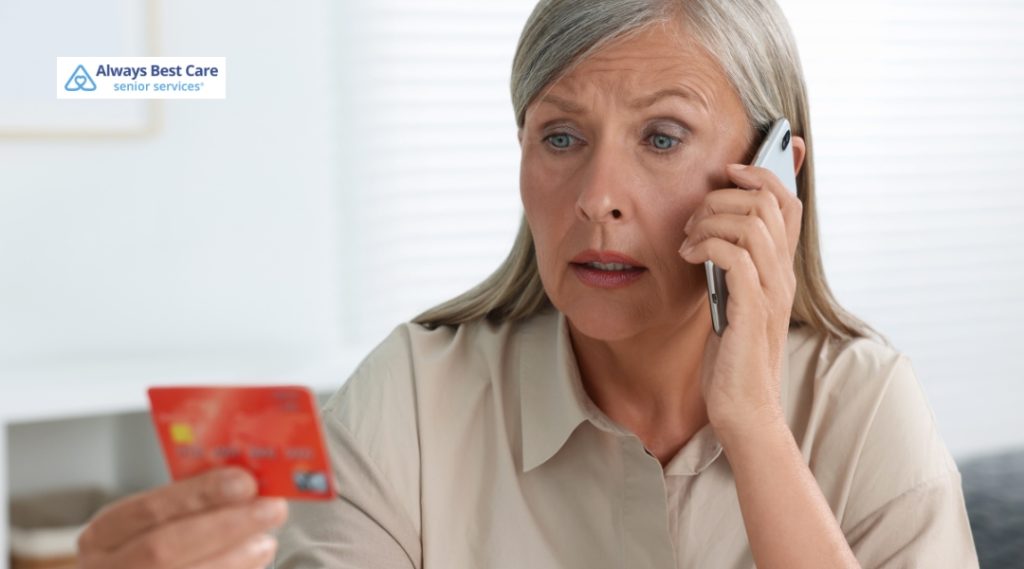
No neon sign says “scam,” but the patterns are pretty predictable. Keep an eye out for situations where someone is:
- Pushing for immediate payment or demanding instant action
- Asking for money via gift cards, wire transfers, or cryptocurrency
- Requesting personal or banking information out of the blue
- Using fear, threats, or guilt to create panic or pressure
- Telling your loved one to keep the transaction secret
If something feels off, trust that gut feeling. It’s perfectly okay—wise, even—to pause, say “Let me think about it,” and check with family or a trusted source.
How Families in Terre Haute Can Help Protect Loved Ones
We don’t have to be tech experts or detectives to make a difference. A few simple habits can dramatically cut the risk of senior scams.
Consider:
- Talk openly about scams—share news stories, examples, and “what would you do?” scenarios
- Encourage your loved one to verify any request for money or information
- Review bank and credit card statements together for odd charges
- Set up call blocking, spam filters, and strong passwords
- Agree on a simple rule: “Before sending money or sharing info, call a trusted family member first.”
The goal isn’t to take over their life. It’s to build a partnership where they know they can ask questions without being scolded or embarrassed.

How In-Home Care Helps Prevent Senior Scams
Regular support at home does more than help with daily tasks—it adds another set of eyes and ears. At Always Best Care of Terre Haute, we see firsthand how companionship and awareness can stop trouble before it snowballs.
We can help:
- Screen phone calls and visitors, politely turning away suspicious contacts
- Notice changes in mood, anxiety about money, or sudden secrecy
- Reduce loneliness, which scammers often exploit
- Encourage open communication with family, especially about money requests
We view scam awareness as part of keeping seniors safe and confident at home. We’re not there to police them; we’re there to support wise decisions and offer backup when something doesn’t feel right.
What to Do If You Suspect a Scam
If you think a loved one has been targeted—or worse, has already sent money—time matters, but so does compassion.
Steps to take:
- Contact the bank or credit card company right away to try to stop or reverse payments.
- Report the scam to local law enforcement or adult protective services.
- Monitor accounts closely for new or repeated suspicious charges.
- Offer calm reassurance, not blame. Let them know they’re not alone and that these schemes have tricked many people.
Shame keeps people quiet. Support and understanding help them speak up, which is the first step in limiting the damage and preventing it from happening again.
FAQ
Q: What’s the easiest way to help a senior avoid scams?
A: Start with regular, honest conversations. Agree that any unexpected request for money or personal information should be double-checked with family or a trusted advisor before acting.
Q: Are phone calls from “Medicare” or the “IRS” always fake?
A: Government agencies rarely make surprise calls demanding money or personal details. If someone calls claiming to be from one, hang up and call the official number listed on their website or paperwork to confirm.
Q: How can we talk about scams without making our loved ones feel helpless?
A: Focus on working as a team. Use phrases like “Let’s watch out for this together” instead of “You shouldn’t do that.” Emphasize that scammers are skilled and trick people of all ages.
Q: Can in-home caregivers really help spot scams?
A: Yes. Caregivers who visit regularly may notice unusual calls, unexpected visitors, or sudden worry about money. At Always Best Care of Terre Haute, we encourage seniors to talk with us about anything that doesn’t sit right.
Q: What if my loved one refuses to admit they’ve been scammed?
A: Stay calm and patient. Offer to review finances “just to be safe,” and reassure them you’re not judging—only trying to protect their hard-earned savings.

Protect Your Loved Ones from Senior Scams in Terre Haute
Scams may keep evolving, but so can our defenses. By staying informed, talking openly, and watching for early warning signs, we can shield the seniors we love from a lot of heartache.
At Always Best Care of Terre Haute, we’re committed to helping seniors live safely, comfortably, and with dignity. We blend daily support with practical scam awareness, adding an extra layer of protection where it matters most—right at home.
If you’d like to learn how we can help your loved one stay safe and independent, call Always Best Care of Terre Haute at (812)542-5271 to schedule a care consultation and talk through options that fit your family’s needs.
Link to the Markdown File version of this article.