

Managing Diabetes with Seniors: Supporting Health and Independence at Home in Princeton, NJ
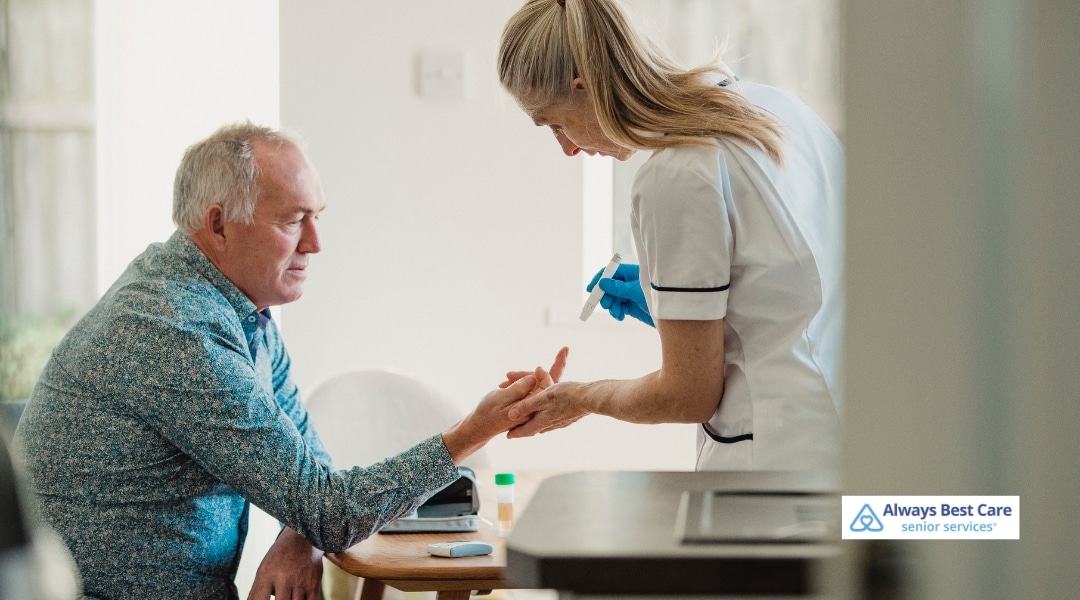
Here’s the thing about diabetes in seniors: it’s incredibly common, yet totally manageable when you’ve got the right game plan in place. Millions of older adults are living well with this condition, staying active and independent right in their own homes.
The trick isn’t rocket science; it’s about consistency, a little bit of patience, and honestly, having someone in your corner who gets it.
The reality is that managing diabetes with seniors gets trickier as the years go by. Their bodies change, medications pile up, and suddenly, what worked last year doesn’t quite cut it anymore. But here’s the good news: with solid support and smart daily habits, your loved one can absolutely thrive. That’s where we come in.
Always Best Care of Princeton understands that managing diabetes with seniors isn’t just about numbers on a glucose meter; it’s about quality of life, independence, and peace of mind for the entire family.
What you will learn:
- The unique challenges seniors face when managing diabetes and how they affect daily life.
- Practical strategies for managing diabetes at home, including nutrition, exercise, and medication.
- How professional in-home care can assist with diabetes management, from meal prep to medication reminders.
- Key warning signs to watch for and how early detection can prevent serious health complications.
Table of Contents
What You Need to Know About Diabetes in Older Adults
Diabetes messes with how the body handles glucose, which means blood sugar climbs higher than it should. When that goes unchecked over time, it can wreak havoc on the heart, kidneys, eyes, and nerves.
Most seniors deal with type 2 diabetes, which typically sneaks up due to insulin resistance and lifestyle factors. Type 1 is rarer in this age group but still shows up occasionally in folks who got diagnosed years ago.
Here’s what makes it trickier for older folks: they’re juggling multiple medications, dealing with changes in appetite and energy levels, and often managing several other health issues at the same time. It’s a lot to keep straight.

The Real Struggles Seniors Face with Diabetes Management
Let’s be honest, managing diabetes with seniors comes with genuine obstacles that go beyond just taking pills and checking numbers:
- Medication mix-ups: It’s easy to miss doses or mix up which pill is which when you’re taking five different medications
- Eating patterns shift: Appetite changes mean meals become less predictable
- Physical limitations: Arthritis or mobility issues can make cooking and meal prep genuinely difficult
- Vision troubles: Reading tiny labels on insulin bottles or food packaging becomes a nightmare
- Hypoglycemia risk: Low blood sugar episodes can be genuinely dangerous, especially for someone living alone.
These aren’t small hiccups; they’re real challenges that can seriously impact blood sugar stability.
Smart Strategies for Managing Diabetes with Seniors at Home
Nailing the Nutrition Piece
Food is your secret weapon here. A well-balanced diet keeps blood sugar from swinging all over the place. Here’s what works:
- Load up on high-fiber foods like vegetables, beans, and whole grains
- Stick with lean proteins, fish, chicken, or plant-based options
- Keep refined sugars and processed carbs to a minimum
- Serve smaller, more frequent meals instead of three big ones
The trick? Make meals tasty and satisfying, not boring and restrictive. Nobody sticks with a diet that feels like punishment.
Getting Movement Into Daily Life
Exercise isn’t about running marathons; it’s about gentle, consistent activity that gets the blood flowing. For most seniors, this means:
- Regular walks, whether around the block or indoors
- Light stretching or beginner yoga
- Chair exercises for those with mobility concerns
- Gardening or light housekeeping
Always check with their doctor before starting anything new, just to be safe.

Staying on Top of Medications and Monitoring
This is where things get real. Consistency matters enormously. Here’s what actually works:
- Set phone reminders or use alarm clocks for medication times
- Organize pills in labeled weekly organizers
- Keep a simple log of blood sugar readings
- Schedule regular check-ins with their healthcare provider
The caregivers at Always Best Care of Princeton, NJ can handle these reminders and tracking, catching any concerning changes before they become problems.
Catching Problems Early
Don’t ignore these warning signs:
- Unusual thirst or frequent bathroom trips
- Out-of-nowhere fatigue
- Vision getting fuzzy
- Weight dropping without explanation
- Cuts or sores that won’t heal
Spot any of these? Time to call the doctor.
How Professional In-Home Care Changes the Game
Here’s where managing diabetes with seniors becomes genuinely easier. Our caregivers at Always Best Care of Princeton, NJ, actually make a tangible difference by:
- Handling grocery shopping and meal prep so healthy eating happens naturally
- Encouraging hydration and light activity throughout the day
- Keeping medication schedules on track
- Watching for warning signs and reporting them to family and healthcare providers
- Being present, which honestly reduces stress (and stress wreaks havoc on blood sugar)
It’s not just about the practical stuff; it’s about having someone there who cares about their well-being.

Frequently Asked Questions
Q: What blood sugar numbers should we be aiming for?
A: That depends on their overall health and independence level. Functionally independent seniors often aim for similar targets as younger adults, while frailer seniors might benefit from less strict goals to avoid dangerous low blood sugar episodes.
Q: Is it okay to adjust their diet on our own?
A: Nope, work with their doctor or a dietitian. Sudden diet changes can mess with blood sugar control and interact with medications.
Q: How often should they check their blood sugar?
A: This varies by person and medication type. Their healthcare provider will recommend a schedule that makes sense for their situation.
Q: What’s the biggest mistake families make?
A: Overcomplicating things. Simplification, easier medication schedules, straightforward meal plans, and gentle routines actually work way better than perfection.
Q: Can older adults still live independently with diabetes?
A: Absolutely. With proper support, monitoring, and maybe some professional help, most seniors manage diabetes beautifully while staying independent.
Ready to Make Diabetes Management Easier for Your Loved One?
Managing diabetes with seniors doesn’t have to feel like you’re drowning. It’s manageable, honestly. What it takes is a solid plan, consistent daily habits, and frankly, having the right people involved.
If you’re feeling overwhelmed or your loved one could use some extra support, that’s completely normal. Always Best Care of Princeton specializes in helping families navigate exactly this kind of situation. Our caregivers understand the ins and outs of diabetes management, and we’re here to make life easier for both your senior and your family.
Ready to explore how we can help? Give us a call at Always Best Care of Princeton, NJ at (609) 455-2886 today. Let’s talk about what support would actually make a difference for your family.