

Supporting Respiratory Health in Seniors: Tips for Easier Breathing in Princeton, NJ

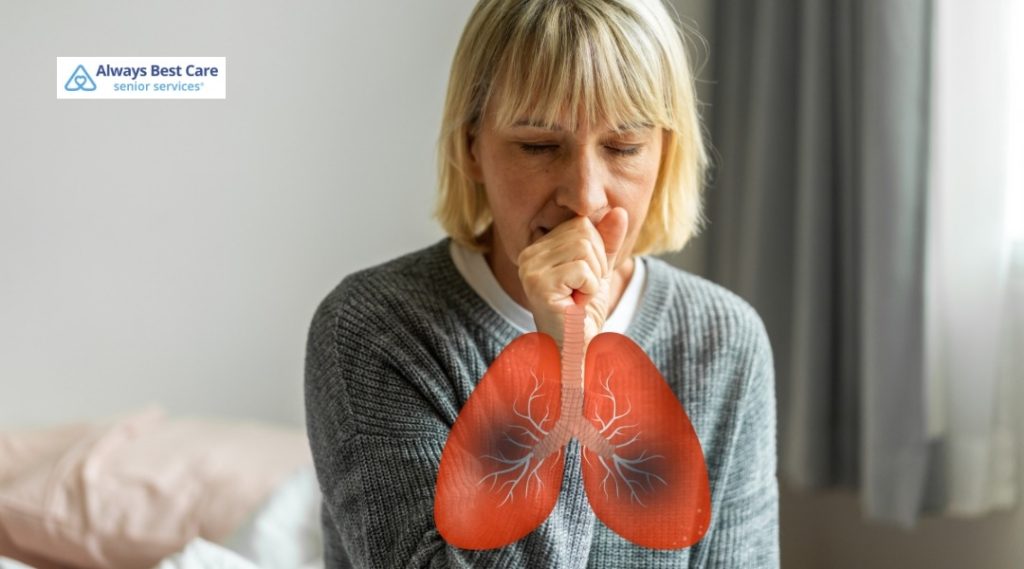
Breathing is something most of us never think about, until it becomes a struggle. For seniors in Princeton, NJ, respiratory health is a very real and growing concern. Age-related changes, chronic conditions, and even local environmental factors can all make breathing more difficult over time.
The encouraging news is that with the right habits, home environment, and support system, older adults can protect their lung health and continue living comfortably and independently.
What you will learn:
- How aging and common respiratory conditions impact seniors’ breathing and daily quality of life.
- Simple ways to create a lung-friendly home environment and improve indoor air quality.
- Everyday habits that help support stronger lungs, easier breathing, and overall wellness.
- How to manage respiratory conditions, recognize warning signs, and access the right in-home support.
Table of Contents
How Aging Affects the Lungs
The lungs, like every other part of the body, change with age. Chest muscles weaken, lung tissue loses elasticity, and the airways become less efficient at moving oxygen into the bloodstream. These changes are gradual, but their effects can be significant.
Seniors with pre-existing conditions face additional challenges. Common respiratory concerns among older adults include:
- Chronic obstructive pulmonary disease (COPD)
- Asthma
- Pneumonia and recurring respiratory infections
- Bronchitis
- Reduced overall lung capacity
What makes these conditions particularly impactful is how they affect daily life. Fatigue sets in faster, sleep becomes disrupted, and activities that were once effortless, like walking to the mailbox or climbing stairs, can feel exhausting. Proactively addressing respiratory health is one of the most effective ways to preserve a senior’s quality of life.
Building a Lung-Friendly Home Environment in Princeton, NJ
The home is where seniors spend most of their time, which makes indoor air quality a top priority. Poor ventilation, dust buildup, and chemical irritants can quietly worsen respiratory symptoms without anyone realizing the source.
Practical steps to improve indoor air quality:
- Replace HVAC filters every 1–3 months
- Use HEPA air purifiers in bedrooms and main living areas
- Keep the home free of dust, mold, and pet dander
- Eliminate smoking indoors and minimize secondhand smoke exposure
- Switch to fragrance-free or natural cleaning products
- Maintain indoor humidity between 30–50% using a humidifier or dehumidifier as needed
Princeton’s seasonal changes, cold winters, and humid summers can also affect breathing. Seniors with COPD or asthma may notice flare-ups during high pollen seasons or on days with poor air quality. Checking the local air quality index before outdoor activities is a simple but effective habit.
Daily Habits That Make a Real Difference
Lifestyle choices have a direct impact on lung function. Seniors do not need to make dramatic changes to see results; small, consistent habits add up over time.
Encourage the following daily practices:
- Light physical activity: Walking, gentle yoga, or stretching helps maintain lung capacity and circulation. Even 15–20 minutes a day is beneficial.
- Deep breathing exercises: Pursed-lip breathing and diaphragmatic breathing techniques can strengthen respiratory muscles and reduce breathlessness.
- Staying hydrated: Proper hydration keeps mucus thin and airways clear, reducing the risk of congestion and infection.
- Eating well: A diet rich in antioxidants, berries, leafy greens, nuts, and whole grains supports lung tissue health and reduces inflammation.
- Staying current on vaccinations: Flu, pneumonia, and COVID-19 vaccines are especially important for seniors, as respiratory infections can escalate quickly in older adults.
Managing Chronic Respiratory Conditions
For seniors already living with a respiratory diagnosis, consistent management is essential. Unmanaged symptoms tend to worsen over time, leading to hospitalizations and a significant decline in independence.
Effective management includes:
- Taking all prescribed medications on schedule
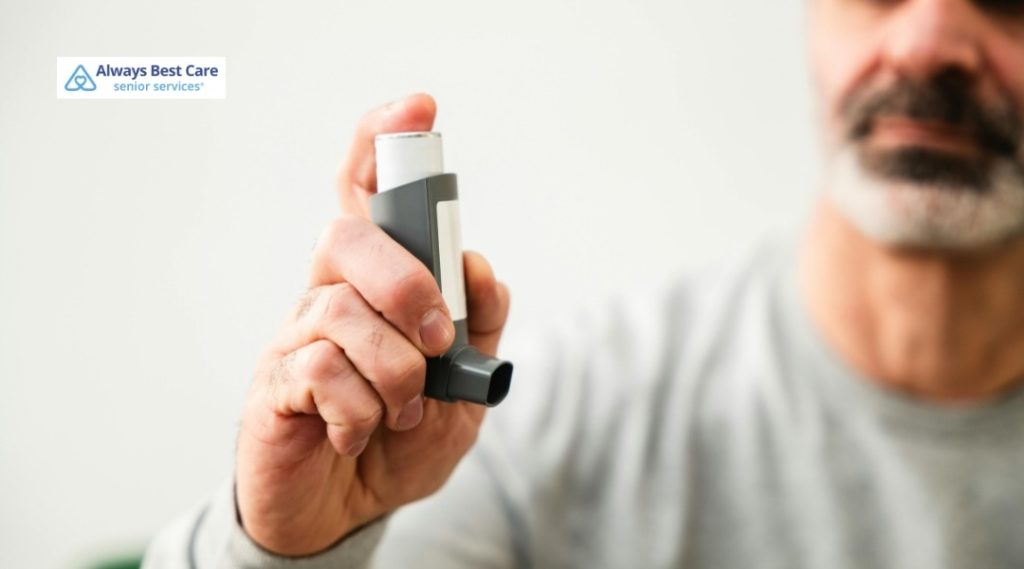
- Using inhalers, nebulizers, or oxygen therapy correctly and consistently
- Tracking symptoms daily, noting changes in breathlessness, coughing frequency, or energy levels
- Scheduling regular checkups with a pulmonologist or primary care provider
- Avoiding known triggers such as cold air, smoke, or allergens
Early intervention is key. A small change in symptoms, slightly more breathlessness than usual, a new cough, can signal a developing problem that is much easier to treat when caught early.
Warning Signs That Need Immediate Attention
Families and caregivers should know when a situation requires urgent medical care. Seek help right away if a senior experiences:
- Sudden or severe shortness of breath
- Persistent wheezing or a new, worsening cough
- Chest tightness or pain
- Confusion, unusual fatigue, or dizziness
- Bluish tint to the lips or fingertips
These symptoms can indicate a serious respiratory event. Do not wait to see if they improve on their own.

How Always Best Care of Princeton, NJ Supports Respiratory Health
Managing respiratory health at home is a full-time effort, and for seniors living alone or those without nearby family, it can feel overwhelming. Always Best Care of Princeton, NJ provides compassionate, professional in-home support that makes daily management more manageable.
Our caregivers can help with:
- Medication reminders to ensure prescriptions are taken correctly and on time
- Light housekeeping to maintain a clean, low-allergen living space
- Meal preparation focused on nutritious, lung-supportive foods
- Encouraging and assisting with safe physical activity
- Monitoring for changes in symptoms and communicating with family members
- Transportation to medical appointments and pharmacy visits
- Companionship to reduce stress, which can directly impact breathing
For seniors who need a higher level of care, home health services offer skilled nursing, respiratory therapy coordination, and direct collaboration with healthcare providers, all from the comfort of home.
Frequently Asked Questions About Senior Respiratory Health
Q: What is the most common respiratory condition in seniors?
A: COPD is the most prevalent chronic respiratory condition among older adults, followed by asthma and recurring pneumonia. Many seniors have more than one condition simultaneously, which requires careful, coordinated management.
Q: Can lung function improve with age, or only decline?
A: While some age-related decline is inevitable, lung function can be meaningfully supported through regular exercise, proper nutrition, avoiding smoking, and managing chronic conditions effectively. Many seniors see real improvement in their breathing and stamina with consistent effort.
Q: How do I know if my loved one’s breathing problems are serious?
A: Any sudden change in breathing, increased breathlessness, new wheezing, or bluish discoloration of the lips or fingertips warrants immediate medical attention. For gradual changes, a checkup with their physician is the right first step.
Q: Is in-home care appropriate for seniors with COPD or other respiratory conditions?
A: Absolutely. In-home care is often ideal for seniors with respiratory conditions because it allows them to remain in a familiar, controlled environment while receiving consistent support. Caregivers can help manage daily routines, monitor symptoms, and reduce the physical and emotional stress that can worsen breathing difficulties.
Q: How can I improve air quality in my senior loved one’s home?
A: Start with the basics: replace air filters regularly, use a HEPA air purifier, eliminate indoor smoking, and reduce chemical fragrances. Keeping the home clean and maintaining proper humidity levels also makes a significant difference.

A Breath of Comfort Starts at Home
Respiratory health is central to a senior’s overall well-being, energy, and independence. With the right environment, daily habits, and professional support, breathing difficulties do not have to define your loved one’s life.
Call Always Best Care of Princeton, today at (609) 455-2886 to schedule a care consultation and learn how our caregivers can help your loved one breathe easier and live more comfortably at home.