

Preparing Seniors for the End of Daylight Saving Time in Princeton, NJ

Daylight saving time ends in New Jersey on Sunday, November 1, 2026, when clocks move back one hour. Although gaining an hour of sleep sounds pleasant, the change can unsettle older adults who rely on steady routines.
Earlier sunsets, altered mealtimes, sleep disruptions, and darker hallways may affect comfort and safety. With a little planning, families can help seniors adjust smoothly and enjoy the season with greater confidence.
What you will learn:
- How to help your loved one adjust to new sleep and daily routines.
- Simple ways to make the home safer as evenings grow darker.
- How to support safe travel, cheerful connections, and seasonal well-being.
- Ways caregivers can provide reassurance and everyday support during the time change.
Table of Contents
Ease Into the New Sleep Schedule
A one-hour shift can temporarily disturb the body’s internal clock. A few days before the change, try adjusting bedtime and wake-up time by 10 to 15 minutes each day. Small steps are often easier than changing everything overnight.
Morning light can help reinforce a regular sleep-wake pattern. Open the curtains after waking, sit near a bright window, or take a short daytime walk. At night, keep the bedroom calm and dim.
A long or late nap may feel tempting after a restless night, but it can make bedtime harder. Keeping naps brief and earlier in the afternoon may help.

Review Medication Routines
Many seniors take medicine at set times connected to meals, waking, or bedtime. For most prescriptions, a one-hour clock change isn’t a major concern. Still, families shouldn’t change medication timing without first asking the prescribing doctor or pharmacist.
Before November 1, review:
- Pill organizers
- Medication lists
- Reminder alarms
- Refill dates
- Instructions for medicines requiring exact timing
A quick check now can prevent confusion later.
Prepare for Earlier Darkness
The biggest adjustment may not be the clock, it may be the early sunset. Dim light can make stairs, rugs, furniture, and uneven flooring harder to see.
Walk through the home in the late afternoon and evening. Look closely at:
- Hallways and stairways
- Bathrooms
- Bedroom-to-bathroom paths
- Entryways
- Kitchen and living areas
Add brighter bulbs, plug in nightlights, and keep switches easy to reach. Outside, make sure steps, walkways, and entrances are well lit. A few simple changes can go a long way.
Reconsider Evening Driving
Night driving often becomes more challenging with age because of glare, reduced contrast, and difficulty spotting pedestrians or obstacles. Earlier sunsets may make a familiar route feel unfamiliar.
Encourage seniors to schedule errands and appointments during daylight whenever possible. Family members, friends, community transportation, or caregivers may help with evening rides. The goal isn’t to take away independence; it’s to support safe, confident choices.
Watch for Fall Hazards in Princeton, NJ
Low light and fallen leaves can create a tricky combination. Leaves may conceal cracks, steps, wet surfaces, or uneven pavement around Princeton homes and neighborhoods.
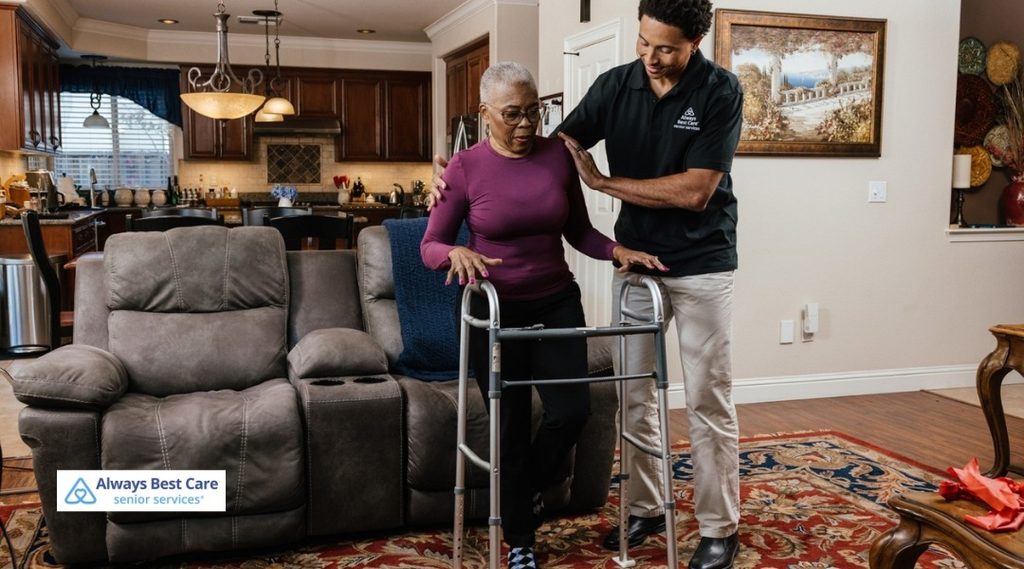
Inside, remove loose rugs, cords, clutter, and furniture that blocks walking paths. Outside, clear leaves regularly and keep shoes supportive and secure. Remind your loved one not to rush to answer the door or reach the bathroom.
If someone begins avoiding normal activities because they’re afraid of falling, pay attention. Less movement can gradually affect strength, balance, and confidence.

Protect Mood and Daily Connections
Shorter days may lead some seniors to spend less time outdoors or see friends less often. Watch for changes in sleep, appetite, mood, or interest in favorite activities.
Daytime visits, phone calls, hobbies, gentle exercise, and outings can add structure and companionship. A familiar routine, regular meals, planned activities, and consistent bedtime, can make the seasonal transition feel less disruptive.
How Can Caregivers Help During the Time Change?
Caregivers can provide practical support by helping seniors:
- Adjust daily schedules gradually
- Attend appointments during daylight
- Remember medications
- Prepare meals at regular times
- Move safely through the home
- Stay socially connected
At Always Best Care of Princeton, NJ, we offer companionship, transportation support, medication reminders, and help with everyday routines. Our caregivers can tailor support to each senior’s needs while helping them remain comfortable at home.

Frequently Asked Questions
Q: When does daylight saving time end in Princeton, NJ?
A: Daylight saving time ends at 2 a.m. on Sunday, November 1, 2026. Clocks move back one hour.
Q: Should medication times change with the clock?
A: Don’t adjust prescription timing without asking a doctor or pharmacist. Some medicines may require a consistent schedule.
Q: How can seniors sleep better after the change?
A: Gradually shift bedtime and wake-up time, get daytime light, limit late naps, and keep evening routines calm and consistent.
Q: What should families check around the home?
A: Inspect lighting, stairs, hallways, bathrooms, entrances, rugs, cords, and outdoor walkways. Remove hazards that may be difficult to see after sunset.
Turn Back the Clocks, Keep Comfort Moving Forward
Earlier sunsets don’t have to dim your loved one’s comfort or confidence. With thoughtful preparation, familiar routines, and a little extra support, seniors in Princeton can feel safer, stay connected, and enjoy the season at home.
You don’t have to navigate the transition alone. Contact Always Best Care of Princeton, NJ, at (843) 628-5634 to arrange a care consultation and explore personalized in-home support for your loved one.
Link to the Markdown File version of the article