Elder Abuse Prevention: Protecting Seniors and Promoting Safe, Respectful Care in Princeton, NJ

No one should grow older feeling scared, ignored, or mistreated, yet that’s exactly what happens to far too many seniors. Elder abuse is often hidden in plain sight, tucked behind closed doors in family homes, care facilities, and even long‑trusted relationships. For families in Princeton, NJ, staying alert and informed isn’t just a “nice‑to‑have”; it’s a lifeline.
At Always Best Care of Princeton, we see every day how a bit of awareness, a few honest conversations, and a strong support system can make all the difference. Together, we can cut through the confusion, watch for red flags, and keep the people we love safe, respected, and heard.
What you will learn:
- What elder abuse is, the different forms it can take, and why it can be hard to recognize at first.
- How to spot warning signs and understand the risk factors that can make some seniors more vulnerable.
- Simple ways families can stay involved, build support, and help protect older loved ones with care and consistency.
- What to do if you suspect abuse, including when to document concerns and reach out for help.
Table of Contents
What Is Elder Abuse, Really?
Elder abuse happens when someone’s actions, or their failure to act, cause harm, fear, or distress to an older adult. Sometimes it’s obvious, but more often it’s sneaky, layered, and mixed with excuses.
Common forms of elder abuse include:
- Physical abuse – hitting, grabbing, pushing, rough handling, or using restraints in a harmful way
- Emotional abuse – yelling, insults, threats, shaming, or isolating a senior from friends and family
- Financial exploitation – pressuring a senior to sign documents, misusing bank cards, “borrowing” money that never comes back, or changing wills and accounts for personal gain
- Neglect – not providing food, hygiene, medication, supervision, or safe living conditions
- Abandonment – leaving a senior alone when they clearly need care or support
Once we understand that abuse isn’t just bruises or broken bones, we’re in a much better position to stop it in its tracks.
Warning Signs Families Should Never Ignore
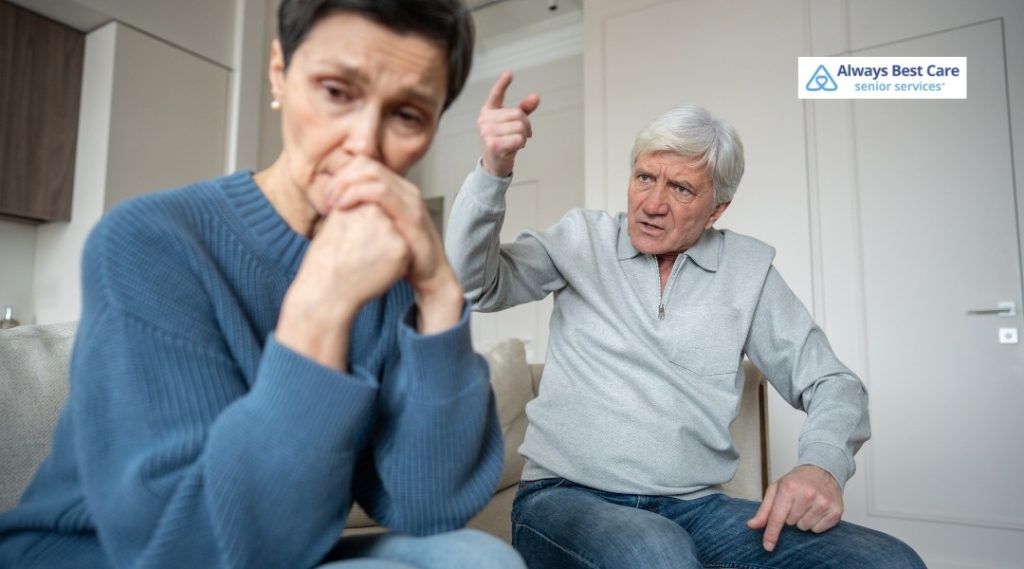
Elder abuse rarely announces itself with a flashing neon sign. It’s more like a puzzle, small pieces that don’t quite fit together. Something’s off, but you can’t quite put your finger on it.
Keep an eye out for:
- Unexplained injuries – bruises, cuts, sprains, frequent “accidental” falls
- Sudden personality changes – withdrawal, fearfulness, agitation, or uncharacteristic silence
- Poor hygiene – dirty clothes, strong odors, unwashed hair, or soiled bedding
- Strange money issues – missing cash, new “friends” involved in finances, unpaid bills, or unusual account activity
- Fear around certain people – your loved one flinches, avoids eye contact, or seems nervous when someone enters the room
- Changes in basic routines – disrupted sleep, skipping meals, or losing interest in activities they once enjoyed
If your gut’s telling you something isn’t right, don’t shrug it off. Those instincts are often spot‑on.
What Makes Seniors More Vulnerable to Abuse?
Some situations increase the chances that a senior could be harmed or taken advantage of. Knowing these risk factors helps us get ahead of the problem instead of reacting after damage is done.
Common risk factors include:
- Social isolation – limited visitors, very few phone calls, or living far from family
- Cognitive decline – dementia, memory loss, confusion, or trouble making decisions
- Physical limitations – difficulty walking, bathing, dressing, or managing medications
- Financial dependence – relying entirely on someone else to handle money or bills
- Caregiver stress – one person stretched too thin, exhausted, or overwhelmed by responsibility
By spotting these challenges early, families can put support in place before frustration, temptation, or burnout turns into something more serious.

Practical Steps Families Can Take to Prevent Elder Abuse
Elder abuse prevention doesn’t require a degree or complicated strategy. It’s more about staying present, asking questions, and not being afraid to speak up.
Here are simple, powerful steps families can take:
- Stay involved
Visit regularly, call often, and be genuinely curious about how each day is going. - Keep communication open
Ask direct but gentle questions like, “Do you ever feel afraid?” or “Is anyone treating you in a way you don’t like?” - Watch the money
Review bank statements, keep track of major purchases, and know who has access to accounts and cards. - Build a trusted support circle
Involve neighbors, friends, faith communities, and professional caregivers who can notice changes and speak up. - Encourage social connections
Help your loved one attend community programs, senior centers, or virtual activities to reduce isolation. - Address caregiver stress early
Talk honestly about how much work is involved. Bring in respite care, share tasks among family, and avoid letting one person “carry the load” alone.
By keeping things transparent and creating a culture of respect and honesty, families lower the chances that abuse can grow in the shadows.
How Professional In‑Home Care in Princeton, NJ Supports Elder Abuse Prevention
Reliable in‑home care can be a game-changer. It’s not just about helping with bathing, meals, or rides to appointments; it’s also about having another set of trained eyes and ears in the home.
At Always Best Care of Princeton, NJ, we:
- Carefully screen and train caregivers to support safe, respectful care
- Emphasize dignity, independence, and choice in daily routines
- Encourage caregivers to speak up if they notice unusual bruises, sudden mood changes, or troubling interactions
- Maintain clear communication with families, so concerns are addressed quickly
We see ourselves as partners in elder abuse prevention. Families know their loved ones. We bring structure, observation, and professional experience. Together, we create a safer day‑to‑day environment where seniors can stay at home and still feel protected.

What Should You Do If You Suspect Elder Abuse?
Feeling that something might be wrong is upsetting, and acting on that feeling can be scary. Still, staying silent can leave a senior in harm’s way. So what can you do?
Consider these steps:
- Talk privately with your loved one
Choose a quiet, safe space. Speak calmly and reassure them they’re not to blame for anything. - Ask open‑ended questions
Try “How do you feel about the care you’re getting?” or “Has anyone hurt you or made you feel uncomfortable?” - Document what you see
Note dates, times, injuries, statements, and any financial red flags. - Reach out for help
- Contact local adult protective services
- Speak with healthcare providers
- Call law enforcement if you believe there’s immediate danger
Taking action isn’t overreacting; it’s protecting someone who may not be able to protect themselves.
Creating a Safer Future for Seniors in Princeton, NJ
Elder abuse prevention is bigger than one person or one family; it’s a shared effort. Neighbors, relatives, caregivers, and community organizations all play a role.
At Always Best Care of Princeton, we’re deeply committed to building that safety net. We work closely with families to:
- Design in‑home care plans that support safety and respect
- Encourage open communication about concerns
- Promote routines that protect dignity while offering the right level of help
We’re here to walk alongside you, not just provide services and walk away.
Frequently Asked Questions
Q: What is the first sign of elder abuse that many families notice?
A: Often, the earliest sign is a change in behavior, withdrawal, fearfulness, or sudden sadness, before any physical evidence shows up.
Q: Can elder abuse happen even with family caregivers?
A: Yes. Abuse can occur in any setting, including within families, especially if there’s stress, resentment, or a lack of support.
Q: How can Always Best Care of Princeton, NJ help reduce the risk of abuse?
A: We provide carefully screened caregivers, consistent oversight, and open communication with families, which together create more accountability and safety at home.
Q: Is neglect considered elder abuse?
A: Yes. Not providing basic care, such as food, hygiene, medication, or safe supervision, can be a form of elder abuse.
Q: What if my loved one denies that anything is wrong, but I’m still worried?
A: That’s common. Keep paying attention, document concerns, and reach out to professionals for guidance if the red flags continue.
A Safer Future Starts With Caring Eyes
Elder abuse prevention isn’t about living in fear; it’s about staying awake to what’s happening and acting before harm gets worse. Families in Princeton, NJ don’t have to shoulder this burden alone.
At Always Best Care of Princeton, NJ, we stand with you in protecting the seniors you love, through respectful in‑home care, clear communication, and a shared commitment to safety and dignity.
If you’re looking for compassionate, trustworthy support, call Always Best Care of Princeton at (843) 628-5634 to schedule a care consultation and learn how our caregivers can help your loved one stay safer, more comfortable, and more confident at home.
Link to the Markdown File version of the article