

When Appetite Declines: Helping Seniors Eat Well in Princeton, NJ
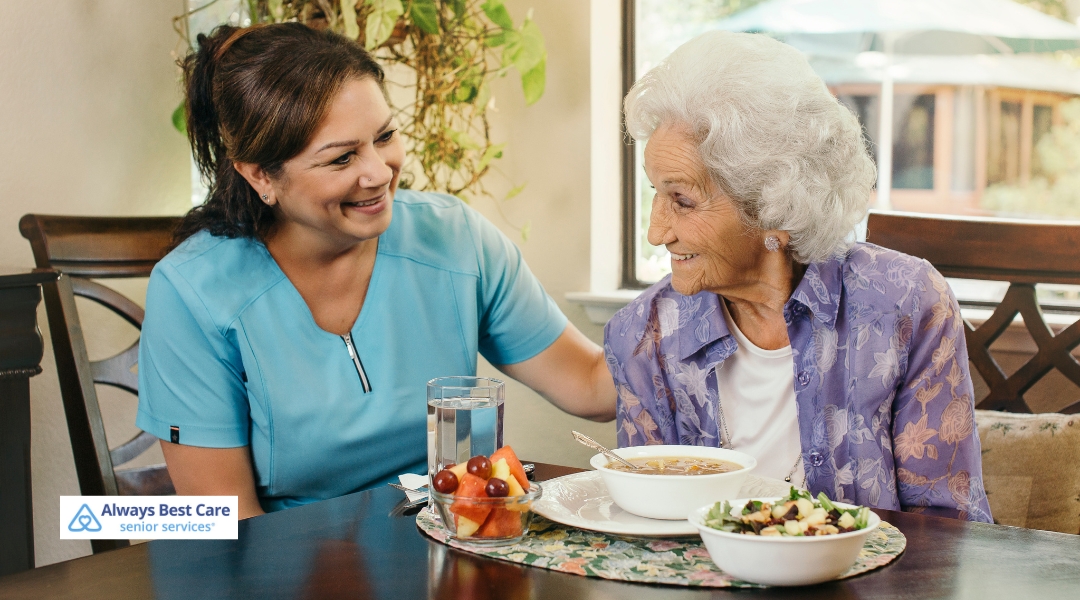
As loved ones grow older, many families start noticing subtle changes around the dinner table. That once-eager eater may begin skipping breakfast, pushing food around the plate, or saying, “I’m just not hungry.” A short-lived change isn’t usually a big deal, but a steady decline in appetite can chip away at health, strength, and overall quality of life.
Good nutrition is one of the quiet powerhouses of healthy aging. It fuels the immune system, helps muscles stay strong, supports healing, and gives older adults the energy to enjoy their day. When appetite declines, understanding what’s going on and how to respond can help seniors in Princeton, NJ stay safer, more comfortable, and more independent.
What you will learn:
- Why seniors’ appetites often decline and the common physical, emotional, and medical reasons behind this change.
- How poor nutrition quietly affects strength, energy, immunity, and independence for older adults.
- Simple, cheerful ways to make meals more appealing and social so seniors feel comfortable eating again.
- How Always Best Care of Princeton, NJ supports healthy eating with meal planning, companionship, and family communication.
Table of Contents
Why Appetite Declines with Age
As the years go by, the body changes in ways that can make eating less appealing or more difficult. It’s rarely just one thing; usually, appetite shrinks thanks to a mix of physical, emotional, and practical issues.
Common reasons seniors may eat less include:
- Changes in taste and smell that make food seem bland or “off”
- Slower digestion and feeling full faster
- Lower activity levels, so hunger doesn’t show up as often
- Side effects from medications
- Dental pain or poorly fitting dentures
- Difficulty chewing or swallowing
- Ongoing health concerns
- Depression, anxiety, or loneliness
- Memory loss or cognitive decline
Because several factors can pile up at once, it’s wise to monitor gradual changes and bring concerns to a healthcare provider if they persist.
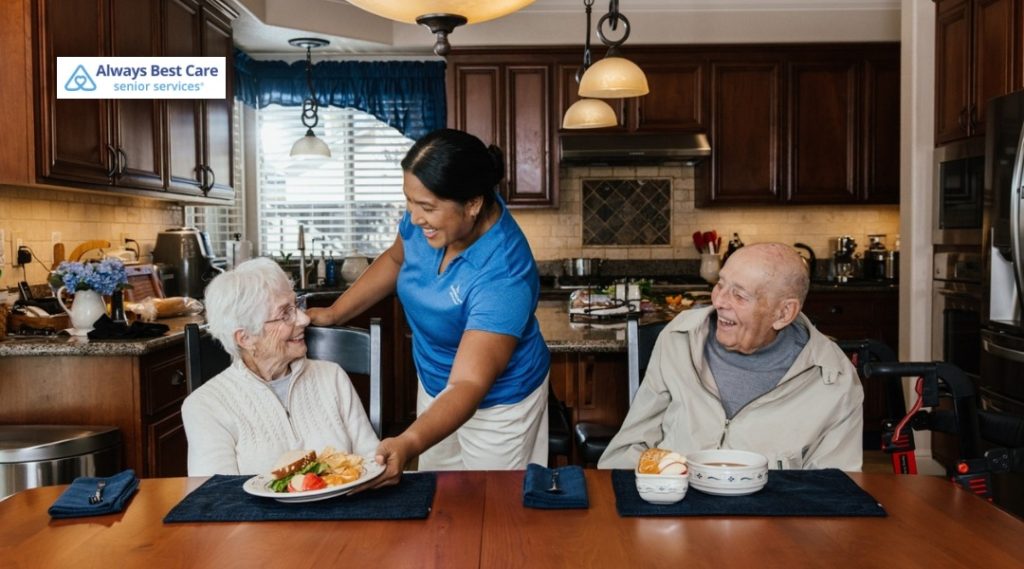
The Hidden Risks of Poor Nutrition
It’s easy to think, “Well, at least they’re eating something.” But when seniors eat too little, the body may not get the nutrients it needs to function day after day. Over time, poor nutrition can lead to:
- Unplanned weight loss
- Muscle weakness
- Greater risk of falls
- Fatigue and low energy
- Slower healing after illness or injury
- A weaker immune system
Even mild shortages of key nutrients can quietly limit an older adult’s ability to stay active, steady on their feet, and independent at home.
Making Meals More Appealing
Sometimes, it doesn’t take a grand overhaul to nudge appetite in the right direction. Small, thoughtful changes can make food more inviting and less overwhelming.
Simple Ways to Boost Interest in Food
- Add herbs and spices to wake up the flavor
- Offer a mix of colors and textures on the plate
- Include favorite foods whenever possible
- Serve smaller portions more often throughout the day
- Choose nutrient-dense options that pack more value into each bite
Many seniors feel overwhelmed by big plates of food. Instead of three large meals, they may do better with several small meals and snacks spaced out over the day, less pressure, more comfort.
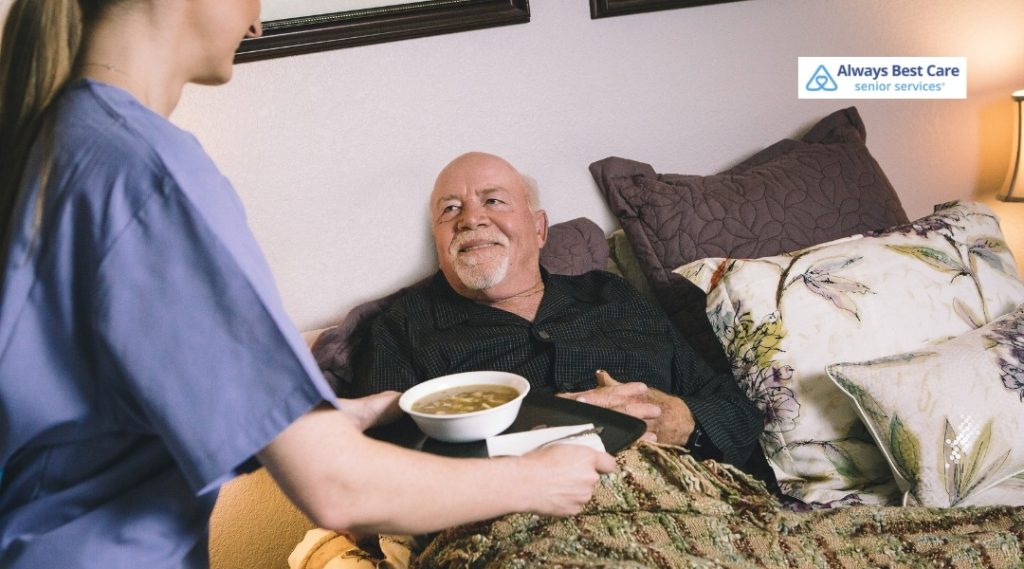
Turning Mealtime into a Social Moment in Princeton, NJ
Eating alone day after day can take the joy out of mealtime. When someone feels isolated, it’s not unusual for them to skip meals, snack on very little, or lose interest in food altogether.
Sharing meals can change the whole tone:
- Eating with family, friends, or caregivers can make food more enjoyable.
- Conversation and company often encourage seniors to stay at the table longer.
- A simple shared lunch or an afternoon cup of tea can become a bright spot in the day.
For seniors in Princeton, NJ, building regular social mealtime routines can be just as powerful as changing what’s on the menu.
Watching for Health Concerns Behind Appetite Loss
If appetite drops suddenly or stays low for quite a while, it’s important to consider possible medical causes. Families can watch for signs such as:
- Noticeable weight loss
- Trouble chewing or swallowing
- Changes in mood or behavior
- Ongoing nausea or digestive discomfort
- Increased confusion or forgetfulness
A healthcare provider can help untangle whether medications, dental issues, or other health conditions are playing a role and suggest appropriate next steps.
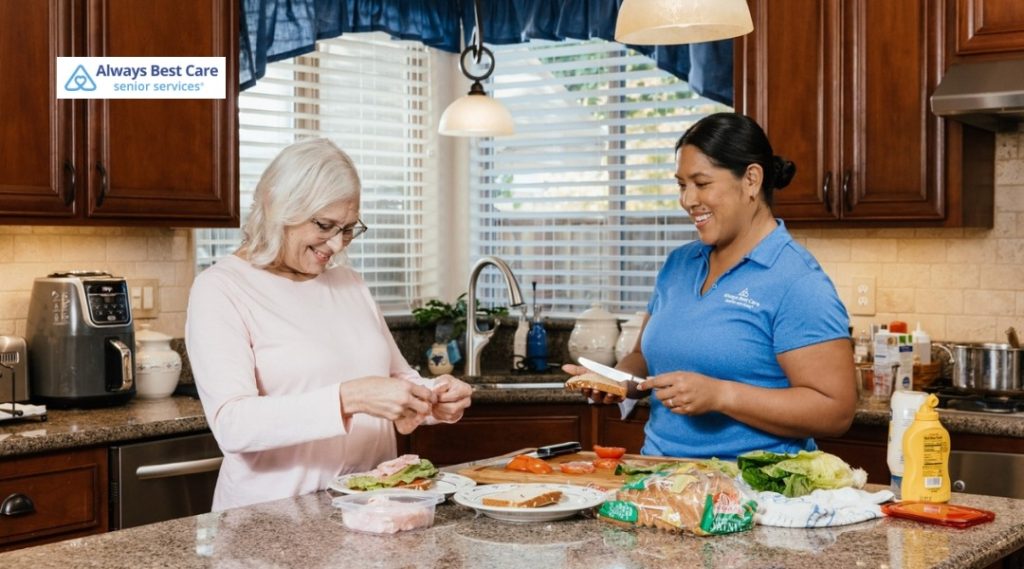
Focusing on Nutrient-Rich Foods
When appetite is limited, every bite matters. Choosing foods that offer protein, vitamins, and healthy fats can help seniors get more mileage out of smaller portions.
Some nourishing choices include:
- Eggs
- Greek yogurt
- Lean meats and fish
- Nut butters
- Beans and lentils
- Fresh fruits and vegetables
- Whole grains
Protein is especially important because it helps preserve muscle strength, which is directly tied to balance, mobility, and independence.
How We at Always Best Care of Princeton, NJ Can Help
For many older adults, keeping up with good nutrition becomes tougher over time, especially if they live alone or juggle health challenges. That’s where we step in. At Always Best Care of Princeton, NJ, we offer practical, day-to-day support that helps seniors eat better and feel better.
We can help with:
- Meal planning and simple, tasty meal preparation
- Grocery shopping and keeping favorite foods on hand
- Encouraging regular hydration
- Observing eating patterns and noticing appetite changes
- Providing friendly companionship during meals
- Sharing concerns with family members
By supporting steady, sensible eating habits, we help protect both physical health and emotional well-being. Mealtime becomes less of a chore and more of a comforting routine.
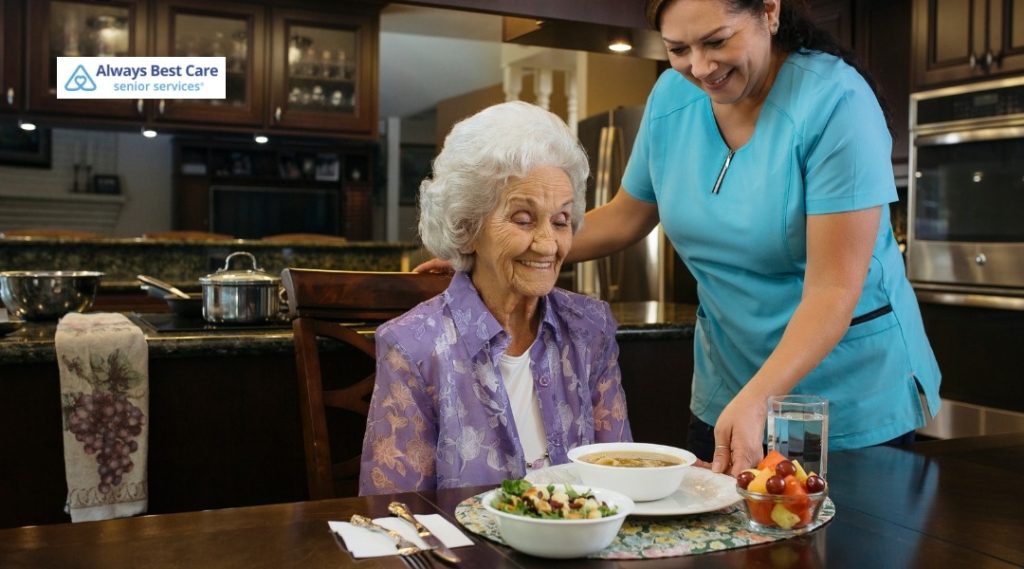
Supporting Healthy Eating and Healthy Aging in Princeton, NJ
A declining appetite is more than a minor inconvenience; it’s a signal worth paying attention to. While changing eating habits is common as people age, nourishing food remains essential for strength, energy, and the ability to stay at home safely.
We at Always Best Care of Princeton work alongside families to encourage healthy eating, build enjoyable mealtime routines, and respond early when appetite starts to fade. Together, we can help your loved one continue to enjoy food, feel more energized, and stay engaged in daily life.
Frequently Asked Questions
Q: How do we know if appetite loss is a serious concern?
A: If a senior is eating much less than usual for more than a couple of weeks, or you notice weight loss, weakness, or mood changes, it’s a good idea to speak with a healthcare provider.
Q: What are some quick, nutrient-dense snacks for seniors?
A: Options like yogurt, cheese, boiled eggs, nut butters, fresh fruit, and whole-grain crackers can offer plenty of nutrition in small portions.
Q: Can Always Best Care of Princeton, NJ help with grocery shopping and cooking?
A: Yes. We can help plan meals, shop for groceries, and prepare simple, enjoyable dishes that fit your loved one’s preferences and needs.
Q: What if a senior doesn’t enjoy big meals anymore?
A: Smaller, more frequent meals and snacks often work better. Spreading food intake throughout the day can ease discomfort and make eating feel less daunting.
Q: How can families make mealtime more enjoyable?
A: Try turning meals into relaxed social moments, share stories, eat together regularly, and keep the atmosphere calm and positive. Even short, shared breaks with a snack or drink can make a meaningful difference.
Meals That Bring Comfort Home
Appetite changes are a normal part of aging, but they don’t have to lead to poor health or loss of independence. With a mix of understanding, simple nutrition strategies, and caring support, seniors in Princeton, NJ can continue to enjoy meals that nourish both body and spirit.
If your loved one’s appetite has changed and you’re feeling unsure about what to do next, you don’t have to navigate it alone. Reach out to Always Best Care of Princeton, NJ today at (843) 628-5634 to schedule a friendly care consultation and explore personalized support for mealtimes, nutrition, and daily living at home. Together, you can help your loved one rediscover comfort, nourishment, and joy at the table, one caring step at a time.
Link to the Markdown File version of the article