
How Diabetes Impacts Vision in Princeton: What Seniors and Caregivers Need to Know

Diabetes has a sneaky way of affecting the eyes before the signs feel obvious. One day, vision seems fine enough, and the next, reading a label or spotting street signs starts to feel a bit fuzzy. For families in Princeton, understanding how diabetes impacts vision in Princeton can make a real difference in protecting a loved one’s independence and overall well-being.
The good news? A little awareness goes a long way. With the right habits and timely care, many eye problems can be caught early and managed more effectively.
What you will learn:
- How diabetes can affect the eyes and change vision over time.
- The main eye conditions linked to diabetes in seniors.
- Early warning signs caregivers should watch for at home.
- Simple ways to support better eye health and regular care.
Table of Contents
How Diabetes Affects the Eyes
Blood sugar that stays too high for too long can damage the tiny blood vessels in the eyes. Over time, that can interfere with clear vision and raise the risk of serious eye conditions. It may start off as something small, like blurred sight after a meal, but without attention, it can snowball into a bigger issue.
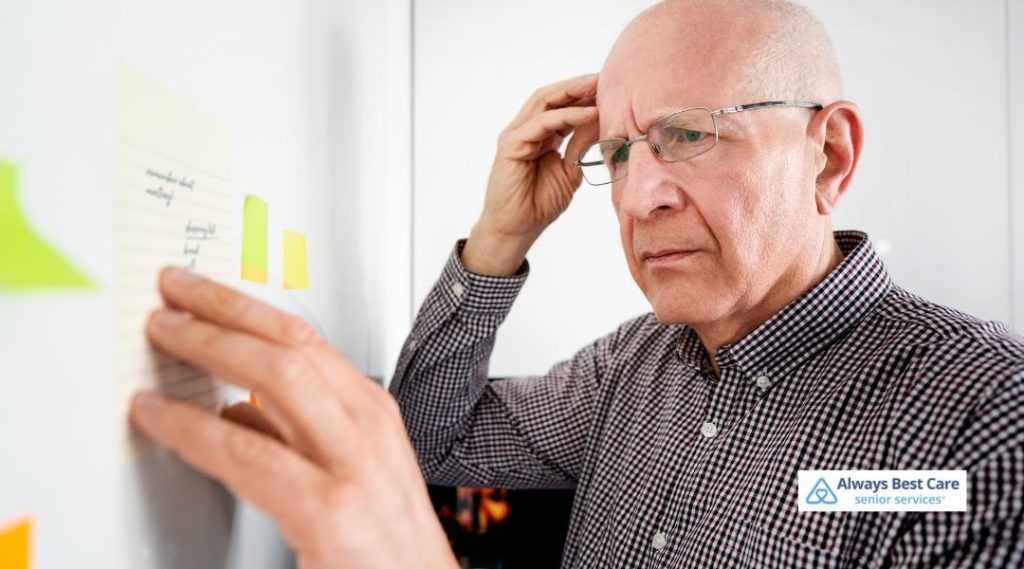
Common vision changes may include blurry spots, trouble focusing, floaters, or colors that seem less bright than usual. These shifts may come and go at first, which is part of what makes diabetes-related eye problems so tricky. They can seem harmless at a glance, but that’s precisely why regular eye checks matter so much.

Major Eye Conditions Linked to Diabetes
The most well-known diabetes-related eye condition is diabetic retinopathy. This happens when high blood sugar damages the retina’s blood vessels, and left untreated, it can lead to vision loss. Another concern is diabetic macular edema, which causes swelling in the part of the eye responsible for sharp central vision.
Diabetes can also increase the chances of developing cataracts and glaucoma. These conditions aren’t exclusive to people with diabetes, of course, but the risk does climb. So, keeping an eye on eye health, pun intended, can help seniors stay ahead of trouble.
Warning Signs Families Should Watch For
Sometimes the earliest clues show up in daily life. A parent may suddenly hold reading material farther away, squint at menus, or struggle with stairs they used to manage easily. They may complain that things look hazy or that their vision seems to change from day to day.
Sudden flashes of light, dark spots, or a noticeable loss of sight should never be brushed off. Those symptoms need prompt medical attention. Even if the change seems small, it’s better to err on the side of caution. After all, eyesight is one thing you don’t want to play chicken with.
How Seniors Can Protect Their Vision
Staying on top of blood sugar is one of the best ways to protect the eyes. Consistent meal routines, medication adherence, and healthy activity all help keep glucose levels steadier. Blood pressure and cholesterol matter too, since they can add stress to the blood vessels that support vision.
Routine eye exams are just as important. A senior may feel fine and still have an eye issue developing in the background. Regular screenings can catch problems before they start interfering with daily life, which is a whole lot better than trying to fix a crisis after the fact.
How Caregivers Can Help in Princeton
Caregivers play a huge role in keeping everything on track. That may mean scheduling eye appointments, helping track symptoms, or making sure glasses, medications, and doctor instructions don’t slip through the cracks. A second set of eyes can be incredibly helpful, especially when vision changes make everyday tasks harder.
It also helps to make the home easier to navigate. Good lighting, uncluttered walkways, and clearly labeled items can reduce frustration and prevent accidents. Small adjustments like these can give a senior more confidence and keep daily routines running more smoothly.
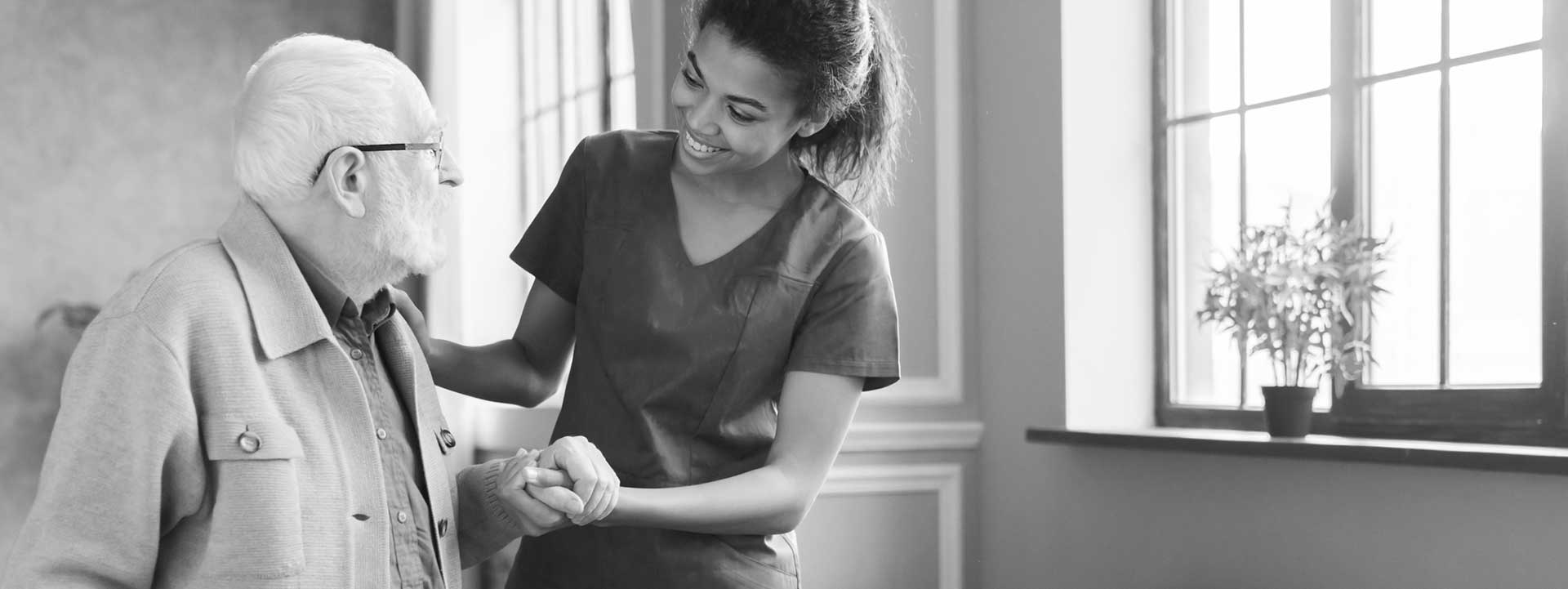
For many families, this is also where in-home support becomes a smart move. Services that assist with daily care can help seniors maintain healthy habits, keep appointments, and reduce the strain on caregivers who are already juggling plenty.

Frequently Asked Questions
Q: What is the first sign that diabetes may be affecting vision?
A: Blurry vision is often one of the earliest signs. It may come and go, especially when blood sugar levels fluctuate.
Q: Can diabetes cause permanent vision loss?
A: Yes, it can if eye problems are not treated early. That’s why regular eye exams are so important.
Q: How often should seniors with diabetes get an eye exam?
A: Most seniors with diabetes should have a comprehensive eye exam at least once a year, or more often if their doctor recommends it.
Q: What eye conditions are linked to diabetes?
A: Diabetic retinopathy, diabetic macular edema, cataracts, and glaucoma are all commonly connected to diabetes.
Q: How can caregivers support better eye health?
A: Caregivers can help by encouraging blood sugar control, keeping eye appointments, and making the home safer and easier to navigate.
A Little Care Goes a Long Way
How diabetes impacts vision in Princeton is something seniors and caregivers should take seriously, but not fear. With regular eye exams, steady diabetes management, and a watchful eye on symptoms, many vision problems can be caught early and handled with far less stress.
For families, that means more peace of mind and a better shot at preserving independence. And honestly, that’s a pretty big deal when sight is such a central part of everyday life. Ready to take the next step? Reach out to Always Best Care of Princeton at (843) 628-5634 today to learn how compassionate in-home support can help your loved one manage diabetes and protect their vision with confidence.
Link to the Markdown File version of the article