
Why Seniors Don’t Always Feel Thirsty: Understanding the Importance of Staying Hydrated in Princeton

It’s easy to assume thirst will show up right on cue, but for many older adults, that signal gets a little fuzzy with age. That means seniors can go longer than they should without fluids, and that’s where trouble can sneak in.
What You Will Learn
- Why older adults may not always feel thirsty, even when their bodies need fluids.
- The early signs and potential health effects of dehydration that loved ones should watch for.
- Simple daily habits, foods, and drinks that can help make hydration easier.
- How compassionate caregivers can support seniors with healthy routines at home.
Table of Contents
Why Seniors Don’t Always Feel Thirsty
As people get older, the body may not send thirst signals as strongly as it used to. The brain can respond more slowly to fluid loss, so by the time thirst kicks in, dehydration may already be underway.
Changes in kidney function can affect how the body manages fluids. Certain medicines, like diuretics, can also increase the risk of dehydration. Ongoing health conditions may create additional challenges, while trouble moving around can make it harder to get a drink. Worry about frequent bathroom trips may lead some seniors to drink less than they need.
In other words, thirst isn’t always the trusty guide it once was.
Why Hydration Matters So Much
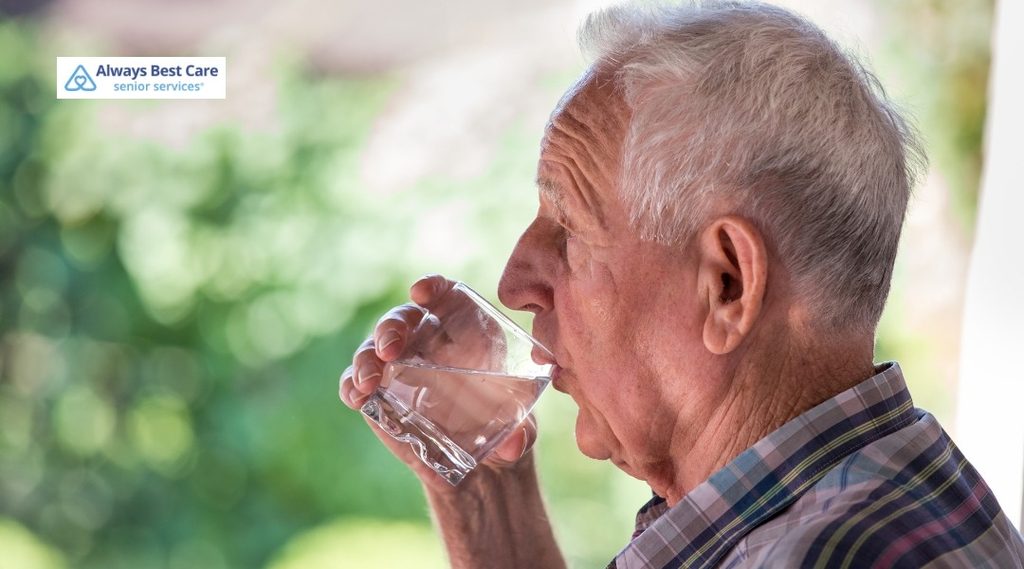
Water does a whole lot behind the scenes. It helps with digestion, body temperature, blood pressure, and clear thinking. When fluid levels drop, even a little, the body can start to feel off-kilter fast.
Signs of Dehydration Families Should Watch For in Princeton, NJ
Because seniors may not notice the problem early, loved ones often spot the clues first. Dry mouth or cracked lips can be an early sign that they need more fluids. Dark urine or fewer bathroom trips may also point to dehydration.
Other changes worth noticing include dry skin, weakness, unusual tiredness, dizziness when standing, trouble focusing, sudden confusion, and loss of appetite. If these signs appear quickly or worsen, it’s wise to check in with a healthcare provider.

Health Problems Dehydration Can Bring
Dehydration can lead to more than just feeling sluggish. It may cause headaches, constipation, low blood pressure, lightheadedness, confusion, falls, and urinary tract infections.
Left unchecked, it can become serious fast.
Easy Ways to Build a Hydration Habit in Princeton, NJ
Waiting to feel thirsty isn’t the best plan. A simple daily routine can help make hydration second nature.
Drinking a glass of water with meals can make fluids part of an established routine. Keeping a water bottle nearby can encourage regular sipping throughout the day. Gentle reminders can offer an extra nudge, while sipping fluids regularly can be easier than chugging a large amount at once. Reaching for water before heading outside or getting active can also help seniors stay ahead of their hydration needs.
Little by little, those habits add up.

Foods and Drinks That Help, Too
Water isn’t the only source of fluids. Watermelon, cucumbers, strawberries, oranges, and lettuce can add refreshing hydration to meals and snacks. Broth-based soups, yogurt, herbal tea, and low-fat milk can also support daily fluid intake.
That’s an easy win, especially when appetite runs low.
How Caregivers Can Help
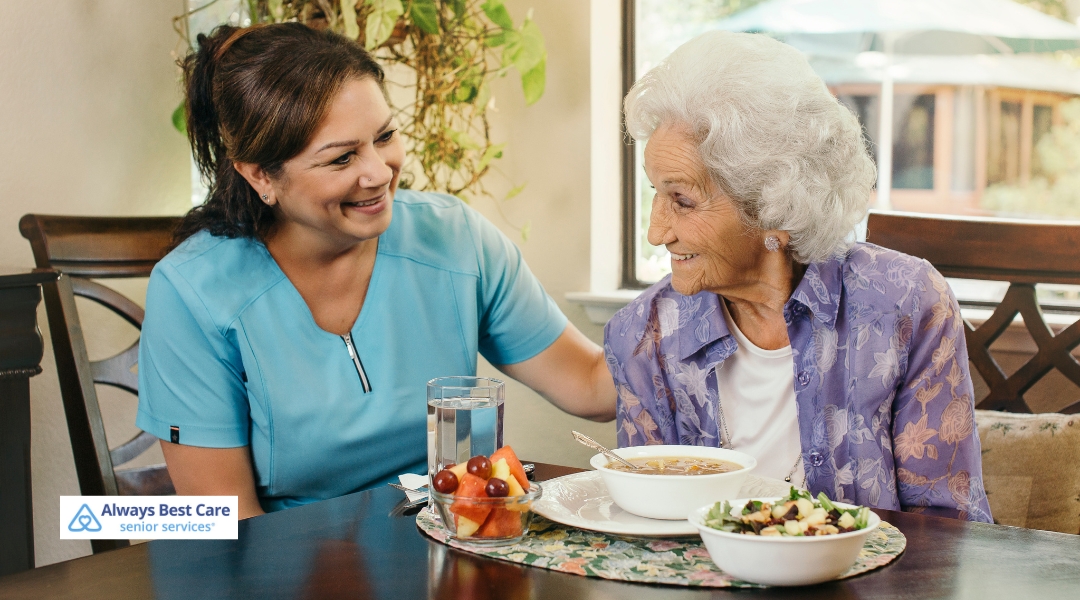
For seniors living alone or managing health concerns, staying hydrated can fall through the cracks. Caregivers can make a real difference by offering drinks throughout the day, preparing hydrating meals, and watching for warning signs.
At Always Best Care of Princeton, NJ, we help seniors and their families build routines that support nutrition, hydration, and comfort at home. We can remind seniors to drink fluids, prepare meals with hydrating foods, and watch for changes in energy or mood.

Frequently Asked Questions
Q: Why don’t older adults feel thirsty as often?
A: As the body ages, thirst signals may weaken, and the brain may not react as quickly to fluid loss.
Q: What’s the simplest way to help a senior drink more water?
A: Offer water with meals, keep a cup nearby, and use reminders throughout the day.
Q: Can food really help with hydration?
A: Yes. Foods like watermelon, cucumbers, soup, and yogurt all add fluid to the day.
Q: What should we do if a senior seems confused or dizzy?
A: Reach out to a healthcare provider right away, especially if the symptoms are sudden.
Small Sips, Stronger Days
Thirst may not be as reliable with age, but dehydration doesn’t have to sneak up on anyone. With steady habits, hydrating foods, and caring support, seniors can stay healthier and feel better day to day.
If your loved one needs a helping hand with everyday routines, nutritious meals, and healthy hydration at home, reach out to Always Best Care of Princeton at (843) 628-5634 today. Our compassionate caregivers are here to support your family and help seniors remain comfortable and independent at home.
Link to the Markdown File version of the article