
Managing Chronic Conditions as Temperatures Drop: A Guide for Princeton Families

Winter in Princeton has its own rhythm: frosty mornings, early sunsets, icy sidewalks, and the occasional snow day that throws everyone’s plans out the window. For older adults living with chronic health conditions, however, colder weather can be more than an inconvenience. It can make managing medications, mobility, breathing, circulation, and daily routines a little trickier.
Managing Chronic Conditions as Temperatures Drop starts with simple preparation. A warm home, stocked prescriptions, nourishing meals, and regular check-ins can make a real difference. With a plan in place, families can help a loved one stay safe, comfortable, and connected all season long.
What You Will Learn
- How colder weather can affect chronic conditions such as heart disease, diabetes, COPD, asthma, arthritis, and mobility concerns
- Practical ways to keep a loved one warm, safe, prepared, and comfortable at home during Princeton’s winter months
- Important warning signs that may require a call to a healthcare provider or emergency services
- How compassionate in-home support can help families maintain healthy routines, connection, and peace of mind
Table of Contents
Why Cold Weather Can Be Hard on Health
Cold temperatures make the body work harder to stay warm. Blood vessels may narrow, which can increase strain on the heart and raise blood pressure. Cold, dry air can also irritate the lungs, while icy conditions may make walking outdoors more hazardous.
Older adults can be especially vulnerable to cold-related health issues. The National Institute on Aging notes that conditions such as diabetes, thyroid disorders, Parkinson’s disease, and arthritis may affect the body’s ability to maintain a healthy temperature or respond safely to cold conditions.

Managing Chronic Conditions as Temperatures Drop
Protecting Heart Health
For someone living with heart disease or high blood pressure, cold weather can add extra strain. The American Heart Association reports that colder temperatures may increase the risk of heart attacks and stroke-related deaths, particularly among older adults.
A few sensible habits can help:
- Dress in warm layers before heading outdoors.
- Avoid strenuous tasks, such as heavy snow shoveling, unless a healthcare provider has approved it.
- Take walks indoors or choose gentler activity on especially cold days.
- Keep medical appointments and follow the prescribed treatment plan.
- Call 911 for chest pain, sudden weakness, fainting, or severe shortness of breath.
Trying to power through heavy snow removal may seem like no big deal, yet it can be far more demanding than it looks. Better to play it safe.
Supporting Diabetes Care
Cold weather can affect circulation, and diabetes may make it harder for the body to stay warm. Keeping feet dry, warm, and protected matters, especially during wet or icy weather.
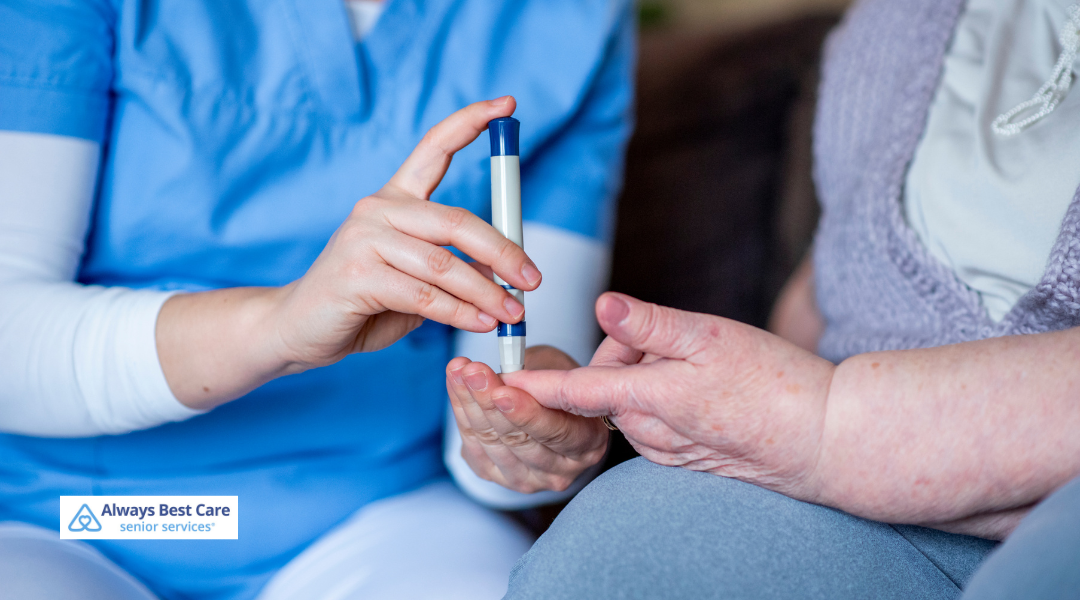
Families can help by encouraging regular meals, consistent blood glucose checks, medication routines, and daily foot awareness. Warm socks, well-fitting shoes with non-slip soles, and clutter-free pathways may reduce the risk of slips, falls, and unnoticed foot injuries.
Before a storm rolls in, make sure prescriptions, test strips, snacks, and other essentials are on hand. A little preparation beats a last-minute scramble.

Breathing Easier With COPD or Asthma
Stepping outside into biting cold air can feel like a shock to the lungs. For people with COPD, asthma, or other respiratory concerns, frigid and dry conditions may worsen coughing, wheezing, chest tightness, or breathlessness.
Keep inhalers and prescribed medications accessible. Limit outdoor time during harsh weather, and consider covering the nose and mouth with a scarf before stepping outside if the care team recommends it. Contact a healthcare provider for worsening breathing symptoms, increased coughing, unusual fatigue, or changes in mucus.
Easing Arthritis and Mobility Challenges
Cold days can make joints feel stiff, sore, and downright uncooperative. Arthritis pain or reduced mobility may make dressing, walking, bathing, and household tasks more difficult.
A safer home setup may include:
- Well-lit hallways, stairs, and entrances.
- Clear paths without loose rugs, cords, or clutter.
- Handrails near steps and in bathrooms.
- Frequently used items stored within easy reach.
- Non-slip shoes for indoor and outdoor movement.
Gentle movement can support flexibility, balance, circulation, and mood. Still, exercise plans should match the person’s abilities and healthcare provider’s recommendations.

Keep the Home Warm and Ready
A warm home is a health measure, not merely a comfort. The National Institute on Aging recommends maintaining an indoor temperature of at least 68°F; temperatures from 60°F to 65°F can place older adults at risk of hypothermia.
Check windows and doors for drafts, close curtains at night, and keep blankets and warm clothing easy to reach. Space heaters require special caution: place them on a level surface, keep them away from flammable materials, and never leave them unattended.
A winter-ready home should also include charged phones, flashlights, nonperishable food, bottled water, extra blankets, and enough medication to cover weather disruptions.
Stay Connected and Keep Routines Steady
Shorter days and snowy conditions can lead to isolation, which may affect both mood and chronic-condition management. Regular phone calls, visits, hobbies, virtual gatherings, and safe local activities can help a loved one feel supported.
Reliable routines matter, too. Set reminders for medications, meals, hydration, medical appointments, and movement. Caregivers can assist with grocery shopping, meal preparation, transportation, light housekeeping, personal care, and companionship, helping daily life run more smoothly when winter gets in the way.
Always Best Care of Princeton offers non-medical in-home care and senior-living referral services across Central New Jersey. Support may be tailored from a few hours a day to around-the-clock care, depending on a family’s needs.
When to Get Medical Help
Don’t brush off sudden or severe symptoms. Call 911 for chest pain, signs of stroke, severe breathing difficulty, fainting, a serious fall, or suspected hypothermia.
Possible signs of hypothermia include shivering, confusion, drowsiness, slowed speech, weakness, and poor coordination. It can become dangerous quickly, so prompt emergency assistance matters.
For less urgent changes, such as worsening swelling, persistent cough, unusual fatigue, blood glucose concerns, or medication questions, contact the appropriate healthcare provider promptly.
Frequently Asked Questions
Q: Why can cold weather worsen chronic health conditions?
A: Cold temperatures can increase cardiovascular strain, affect circulation, irritate the airways, reduce mobility, and make it more difficult for older adults to maintain body heat. Chronic conditions and some medications can heighten these risks.
Q: How can families help a senior with diabetes during winter?
A: Families can help maintain regular meals, medication and glucose-monitoring routines, warm footwear, daily foot checks, a safe walking environment, and an adequate supply of prescriptions and diabetes essentials before storms.
Q: What should older adults with heart disease avoid in winter?
A: Older adults with heart disease should speak with their healthcare provider about safe activity levels and avoid strenuous exertion, such as heavy snow shoveling, unless medically cleared. Seek emergency help for chest pain, severe shortness of breath, fainting, or stroke-like symptoms.
Q: How can in-home care support winter wellness?
A: Non-medical caregivers can help with meals, medication reminders, errands, light housekeeping, personal care, transportation, companionship, and routine check-ins. This support complements medical care and can help seniors stay safe at home.
A Safer Season Starts at Home
Managing Chronic Conditions as Temperatures Drop doesn’t have to feel overwhelming. A well-stocked home, smart safety habits, clear communication with healthcare providers, and dependable daily support can help Princeton families weather the season with more confidence.
Always Best Care of Princeton is here to lend a hand with compassionate, personalized non-medical care. Reach out to (843) 628-5634 today to learn how in-home support can help your loved one stay warm, safe, and comfortable throughout the colder months.
Link to the Markdown File version of the article