Wound Care at Home: When Is Skilled Nursing Needed in Princeton, NJ?
Managing a wound at home sounds straightforward, until it isn’t. For older adults in Princeton, NJ, what starts as a minor cut or skin tear can quickly become a serious medical concern.
Slower healing, chronic health conditions, and age-related skin changes all raise the stakes. Knowing when to handle wound care at home and when to call in a skilled nurse can make a real difference in recovery outcomes.
What You Will Learn
- How aging, health conditions, and limited mobility can make wound healing more challenging for older adults.
- Which types of wounds and warning signs may call for skilled nursing care at home.
- How skilled nurses help support safe wound healing, infection monitoring, and communication with the care team.
- How daily in-home care and prevention habits can help your loved one stay comfortable and recover safely at home.
Table of Contents
How Aging Changes the Way Wounds Heal
Skin becomes thinner and more fragile with age, making it easier to injure and harder to repair. But the visible changes are only part of the picture. Several underlying factors can quietly slow the healing process:
- Reduced circulation limits the delivery of oxygen and nutrients to damaged tissue
- Diabetes impairs immune response and can cause nerve damage that masks pain signals
- Medications such as blood thinners or corticosteroids can interfere with clotting and tissue repair
- Nutritional deficiencies — particularly low protein, vitamin C, and zinc — delay cell regeneration
- Limited mobility increases the risk of pressure injuries in bony areas like the heels, hips, and tailbone
These factors don’t just slow healing — they can turn a manageable wound into a chronic or infected one if left unmonitored.
Wounds That Typically Require Skilled Nursing Care
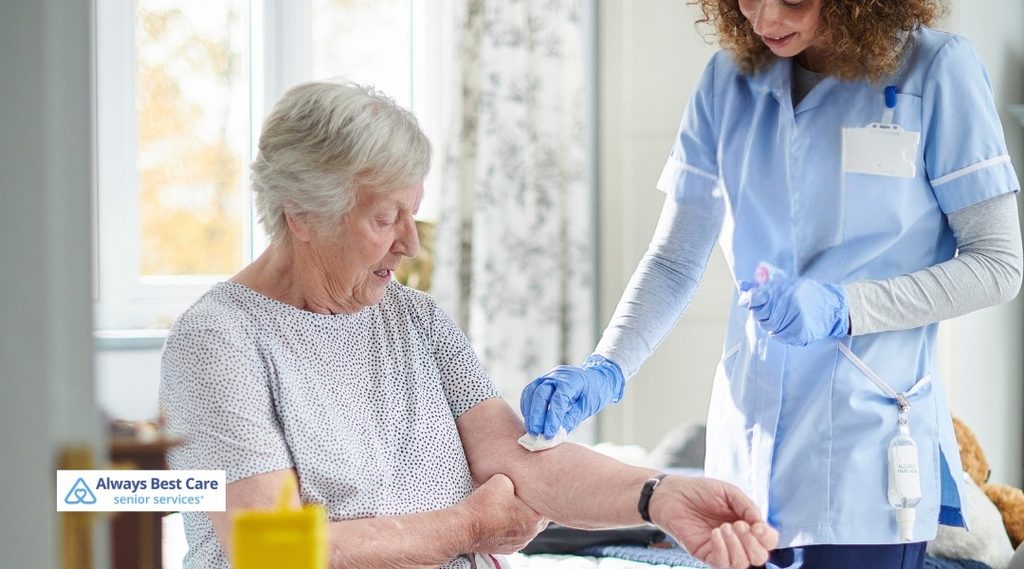
Not every wound needs a home health nurse, but certain types carry enough complexity or risk that professional oversight is strongly recommended:
- Surgical incisions that need ongoing monitoring post-discharge
- Pressure injuries (bedsores) at Stage 2 or higher
- Diabetic foot ulcers, which carry a high risk of infection and amputation if untreated
- Venous or arterial ulcers related to poor circulation
- Deep or jagged skin tears that don’t close properly
- Burns beyond minor superficial injuries
- Chronic wounds that show no measurable improvement after two to four weeks of treatment
A physician will determine whether skilled nursing is medically necessary and issue orders accordingly. Home health services covered under Medicare typically require a physician’s order and a homebound status.
Red Flags: When a Wound Needs Immediate Attention
Some warning signs indicate that a wound is deteriorating and needs prompt medical evaluation:
- Increasing redness, warmth, or swelling around the wound edges
- Discharge that is cloudy, green, or foul-smelling
- The wound is growing larger rather than smaller
- Fever, chills, or sudden confusion (possible signs of systemic infection or sepsis)
- Numbness or discoloration in the surrounding skin
- Pain that is worsening rather than improving
Seniors with diabetes, compromised immune systems, or vascular disease should not wait to see if symptoms resolve on their own. Infections can escalate quickly in this population.
What a Skilled Home Health Nurse Does for Wound Care in Princeton, NJ
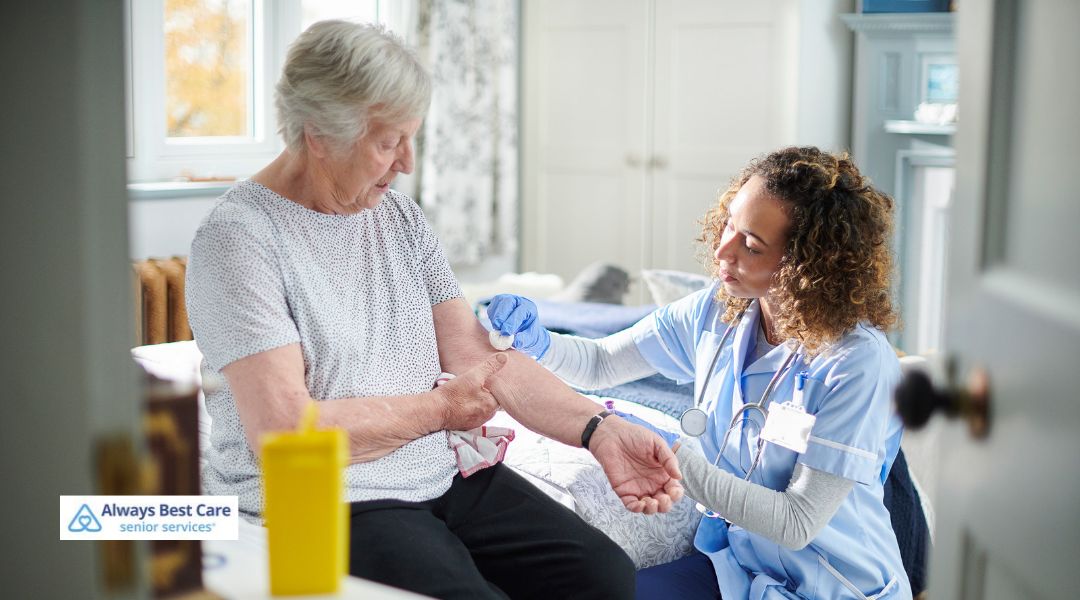
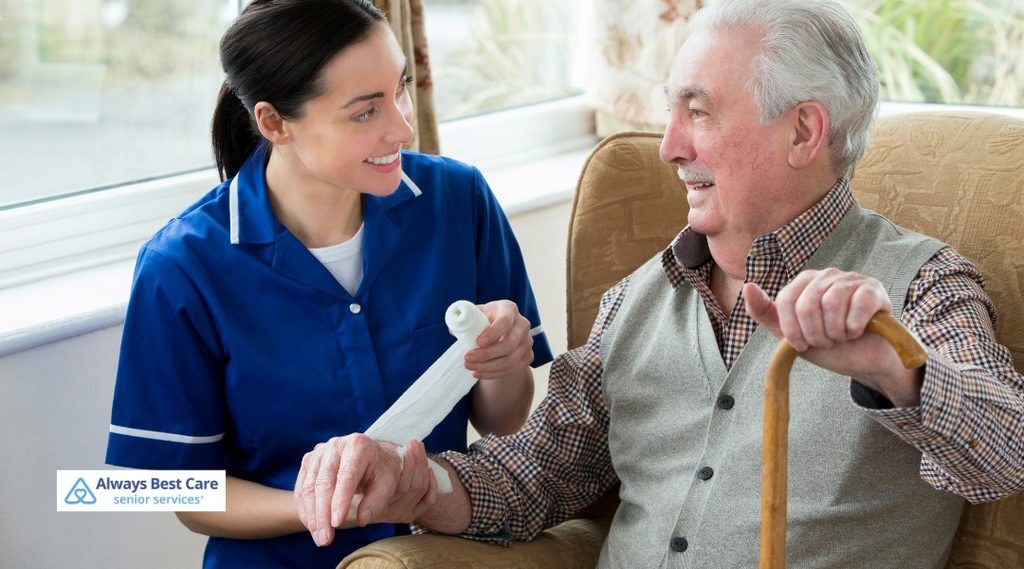
When a physician orders skilled nursing for wound care, a licensed nurse visits the home and provides clinical-level treatment tailored to the individual’s care plan. This typically includes:
- Wound assessment — measuring size, depth, tissue type, and drainage
- Debridement and cleaning — removing dead tissue and bacteria to support healing
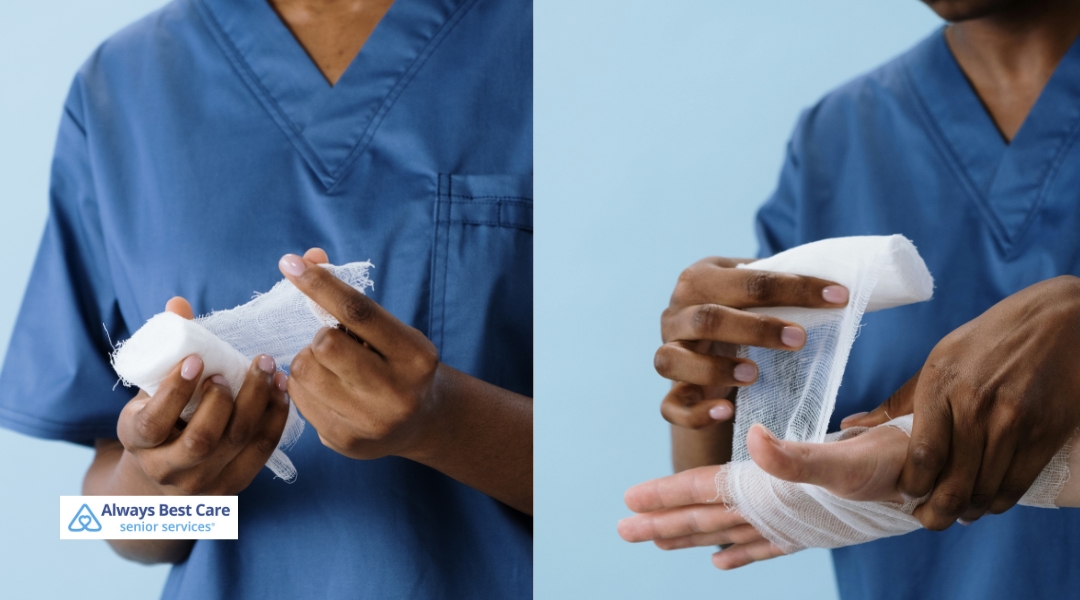
- Dressing changes — selecting and applying the appropriate wound dressing based on wound type and stage
- Infection monitoring — identifying early signs of complications before they escalate
- Care coordination — communicating changes to the physician and adjusting the treatment plan as needed
- Family education — teaching caregivers what to watch for between visits and how to support healing at home
Skilled nursing visits are especially valuable after a hospital discharge, surgery, or rehab stay, when the risk of complications is highest, and families may feel uncertain about next steps.
Preventing Pressure Injuries Before They Start
For seniors with limited mobility, prevention is just as important as treatment. Pressure injuries develop when sustained pressure cuts off blood flow to the skin — often over bony prominences like the heels, sacrum, hips, and elbows.
Preventive strategies recommended by wound care specialists include:
- Repositioning every two hours for bed-bound individuals, or every 15–30 minutes for those in wheelchairs
- Pressure-relieving surfaces such as specialized mattresses or cushions
- Skin hygiene — keeping skin clean, dry, and moisturized without over-saturating
- Adequate nutrition and hydration to support tissue integrity
- Regular skin checks by caregivers, particularly in high-risk areas
Catching early signs of skin breakdown — redness that doesn’t fade, warmth, or firmness — allows for intervention before a wound develops.
How In-Home Caregivers Support the Healing Process
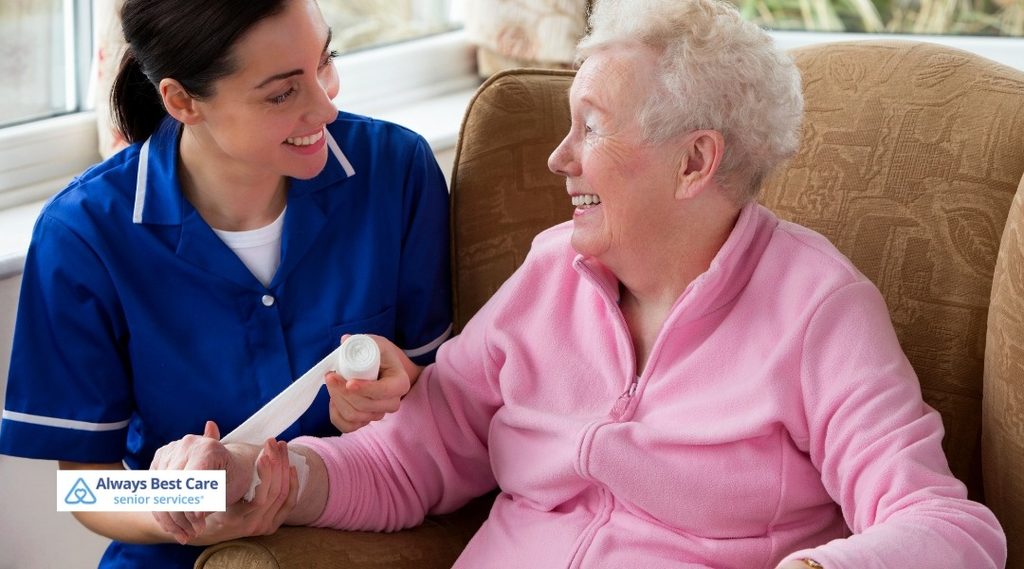
Skilled nursing addresses the clinical side of wound care, but recovery also depends on consistent daily support. In-home caregivers can fill that gap by:
- Assisting with meals and ensuring the senior gets adequate protein and fluids
- Helping with personal hygiene and keeping wound areas clean and dry
- Supporting mobility and repositioning to reduce pressure
- Reminding seniors to take prescribed medications
- Observing and reporting changes in the wound or the senior’s overall condition to family or the care team
When skilled nursing and in-home care work in tandem, seniors get both the medical oversight and the day-to-day assistance they need to recover safely at home.
Frequently Asked Questions
Q: When does a wound require skilled nursing care at home?
A: A wound typically requires skilled nursing when it involves a surgical incision, pressure injury, diabetic ulcer, or any wound that is not healing as expected. A physician must assess the wound and issue orders for home health services.
Q: Does Medicare cover skilled nursing for wound care at home?
A: Medicare Part A may cover skilled nursing for wound care if the patient is homebound, the care is medically necessary, and a physician has ordered it. Coverage specifics vary, so it’s best to confirm with your provider and a home health agency.
Q: How often will a nurse visit for wound care?
A: Visit frequency depends on the wound type, severity, and the physician’s orders. Some wounds require daily visits; others may need care two to three times per week. The schedule is adjusted as the wound progresses.
Q: What should I do if I notice signs of infection between nurse visits?
A: Contact the home health agency or the physician immediately. Do not monitor signs such as increased redness, swelling, foul odor, discharge, or fever at home without guidance—they may indicate a rapidly worsening infection.
Q: Can an in-home caregiver change wound dressings?
A: Non-medical caregivers are generally not trained or licensed to perform clinical wound care such as dressing changes ordered by a physician. A skilled nurse handles that responsibility. Caregivers can help keep the area clean and dry and alert the care team to any changes.
Q: How long does wound healing take for seniors?
A: Healing time varies widely depending on the wound type, the senior’s overall health, and how well the wound is managed. Minor wounds may heal in one to two weeks, while chronic or complex wounds can take months. Consistent skilled care and good nutrition significantly improve outcomes.
Getting the Right Support in Princeton, NJ
Wound care at home doesn’t have to be overwhelming. With the right professional support, many seniors can heal effectively without returning to a hospital or facility.
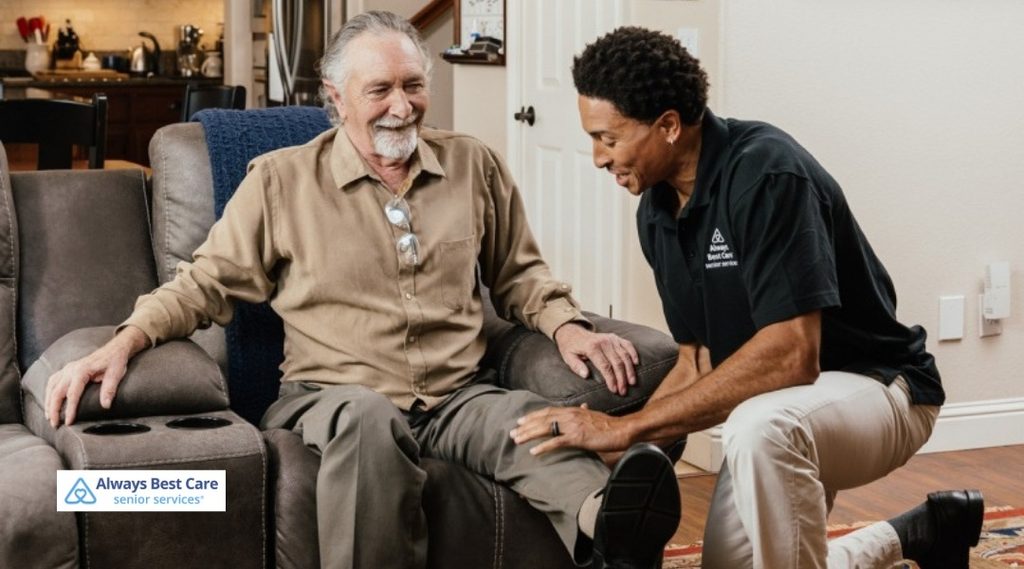
Always Best Care of Princeton, NJ provides services designed to help older adults recover safely and comfortably at home. Depending on your loved one’s needs and what is available in your area, services may include skilled nursing for wound care and in-home caregivers to assist with daily tasks throughout recovery.
If your loved one is managing a wound, recovering from surgery, or needs additional support at home, contact Always Best Care of Princeton, NJ at (843) 628-5634 to schedule a care consultation and explore your options.
Link to the Markdown File version of the article